
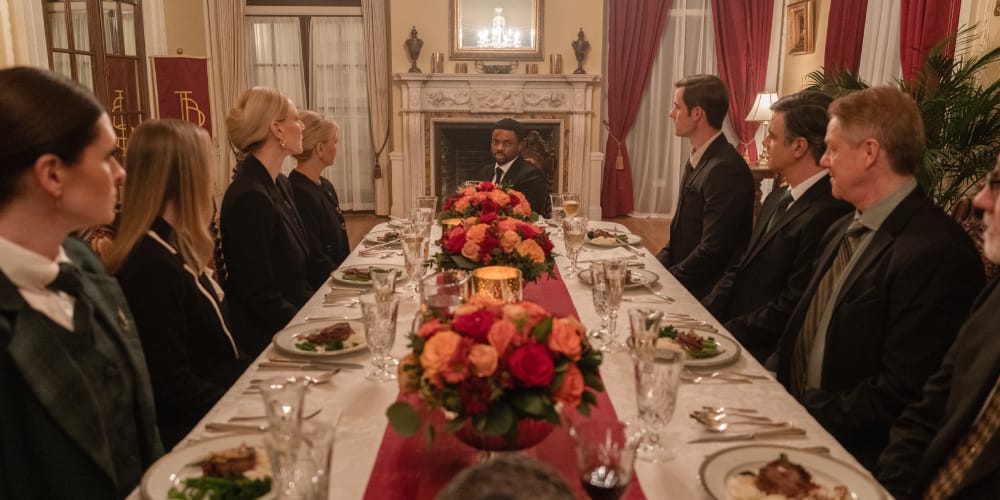
Vince Staples, the man dubbed by the internet as the funniest rapper alive, is back with a powerful new installment of The Vince Staples Show on Netflix. Unlike its intentionally episodic predecessor, season two features features a linear-but-still-not-linear approach to storytelling — a wise creative decision when taking into consideration the heavy topics of grief, success and identity tackled in the episodes.
In an era saturated with rigid, algorithm-friendly programming, The Vince Staples Show season two shines brightest as an audacious, dark-comedy outcast.
The Grief, The Game, and The White Bronco
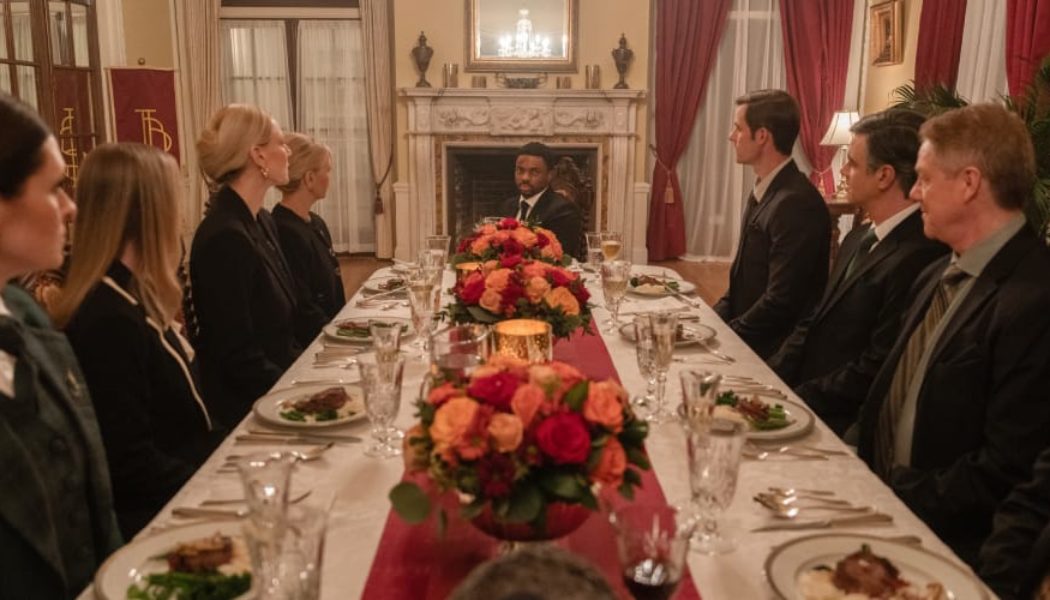
This season, the chaos has a specific genesis: grief. Vince is reeling from the loss of his Uncle James Brown, a character less a relative and more a cultural metaphor — one heavily modelled after O.J. Simpson, complete with football roots and a white Ford Bronco. As the sole inheritor of the estate, Vince finds himself inducted into a secretive, supposedly exclusive private members club his uncle belonged to. The club, which ironically purports to honor Black excellence, is, of course, purely staffed and eventually revealed to be run by white employees. The ultimate punchline? It’s a cult, led by a man disturbingly named “Massa.”
Vince is visibly “going through something.” The clean, sharp look viewers saw in season one is gone. He’s grown out his beard and his hair, a physical manifestation of the inner pandemonium he’s publicly acknowledging. Uncle James’ death also forces Vince to confront his strained familial dynamics, forcing him to bridge the fractured relationship between his sister Bri (Naté Jones) and his loving yet argumentative mother Anita (Vanessa Bell Calloway).
The Rejection of The Icon
The season’s pivot occurs when Vince rejects his own membership and the gilded promise of a certain type of Black fame, and fights tooth and nail to make his uncle’s funeral. He arrives bloodied, injured, and disheveled, but crucially, present. The brilliance lies in the delivery: he doesn’t offer a frantic explanation for his state. He simply delivers a heartfelt monologue, a final, necessary exorcism. “And Uncle James, thank you for being you. You taught me who I don’t wanna be.”
This isn’t just a quest to say goodbye; it’s a rejection of the entire cultural inheritance represented by Uncle James — the complexity, the controversy and the compromises required for that level of public life. Vince’s journey is his declaration that he’ll chart his own, perhaps less glamorous, but more honest path.
Aesthetic Control and Controlled Chaos
Grief remains as an omnipresent force in every frame, showing itself through Staples’ physical acting, his own ghostly manifestations of his uncle and the show’s masterful aesthetic choices. The repeated use of dutch tilts adds a substantial layer of tension to the already-gripping scenes, visually reinforcing the idea that Vince’s world is off-kilter. Meanwhile, the purposeful, meticulously executed compositions lend the show a cinematic distinction.
There are no laugh-tracks here, and no pandering. This is undeniably Prestige Comedy, but without the self-seriousness. The audience is taken on absurdly hilarious journeys with surreal and unpredictable twists: cult escapes, unexpected hand-to-hand combat, packing heat to face the scorned right-hand of a madman — yet nothing feels forced or manufactured. It’s a beautifully realized feeling that this level of bizarre chaos was always an inevitable fact of TV Vince Staples’ life.
The Vince Staples Show season two thrives in the perfect, unsettling space between chaos comedy, dark humor and thriller. Building an overarching, serialized story and topping it with increased creative control did wonders for this season’s narrative momentum. The series remains ridiculously watchable in all the best ways, proving that Staples, his cast and writers are ready to go far beyond the surface-level joke.
All episodes of The Vince Staples Show Season 2 are available to stream on Netflix.