
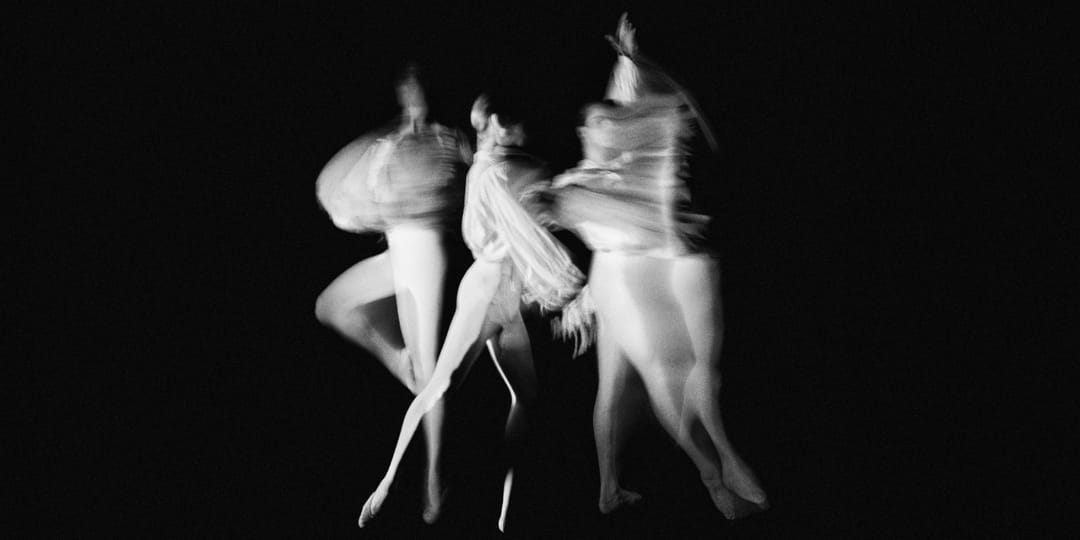
“If an athlete is risking their lives to do a trick, you can’t miss the shot.”
Whether you’re shooting bikers or ballerinas, how do you time the perfect shot?
Every sport has rules on how to capture it, so it was challenging to make sure I could bring my vision into the ballet while still respecting the codes behind it. It’s also about practice and having the skill to click at the right moment. If an athlete is risking their lives to do a trick, you can’t miss the shot. There’s no user guide, but you get this feeling that you need to capture something. I’ve learned it from my own experience.
Do you have any rules or codes to your own practice? Any rituals or routines?
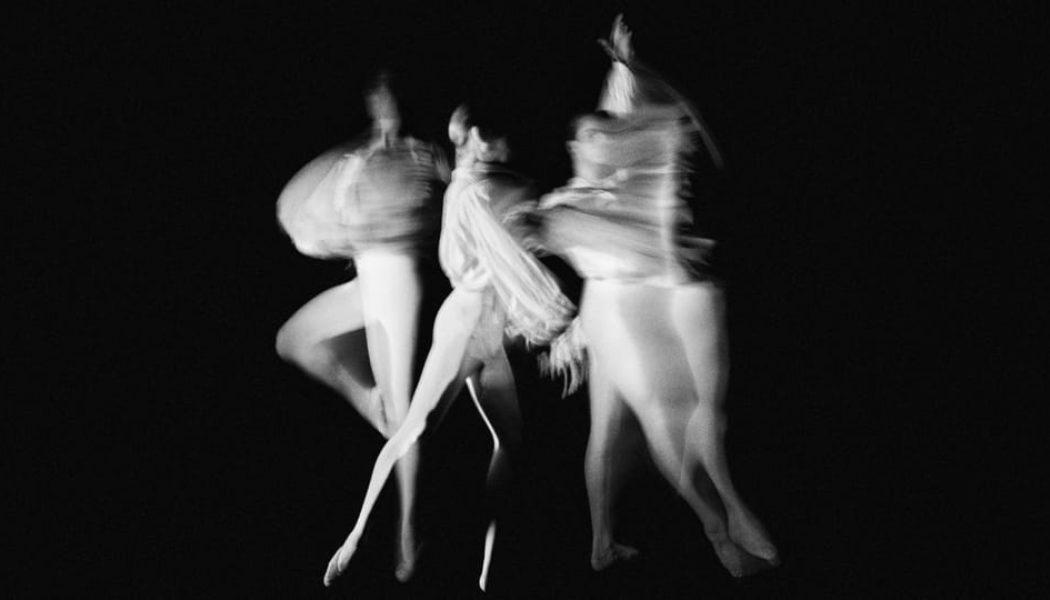
I don’t really have a routine, I try to let the unexpected happen. But at this stage of my career, especially with film, you need to envision everything you want: the background, who you want to shoot, how they dress. When I go to set, I try to be as prepared as I can be, and there’s a part of me that works off of feeling. For the ballet, we planned a multicam effect, a black box and synchronized flash. But the close-up shots and posture of the dancers came from the moment.
How did your New York Ballet Art Series come to be?
The ballet asked me to shoot the new season, then the Art Series directly. We shot the whole project in February 2024. It was pretty special, the whole team was amazing.
I started working in this industry doing skate videos, traveling around with a backpack, then went deep into fashion. Ballet blends these two worlds together; it’s a sport, but so close to the fashion world because of the way they dress, they act, they pose, yet there’s still an authenticity around it.
You move instinctually as a photographer, which adaptable to a wide range of subjects. Was there anything that surprised you about ballet?
What’s amazing about dancers is the way they’re able to use their body to fit the best photographic aspects — position their fingers, hands or shoulders, know exactly how much tension to put in the leg. They understand how the body reacts through the audience’s eyes, and the same can be said about the camera.
Ballet takes a lot of inspiration from human behavior, which makes it easier to photograph. I was inspired by Gjon Mili, who understood how to create and decompose movements, everything that happens in between, which is key to dance.