

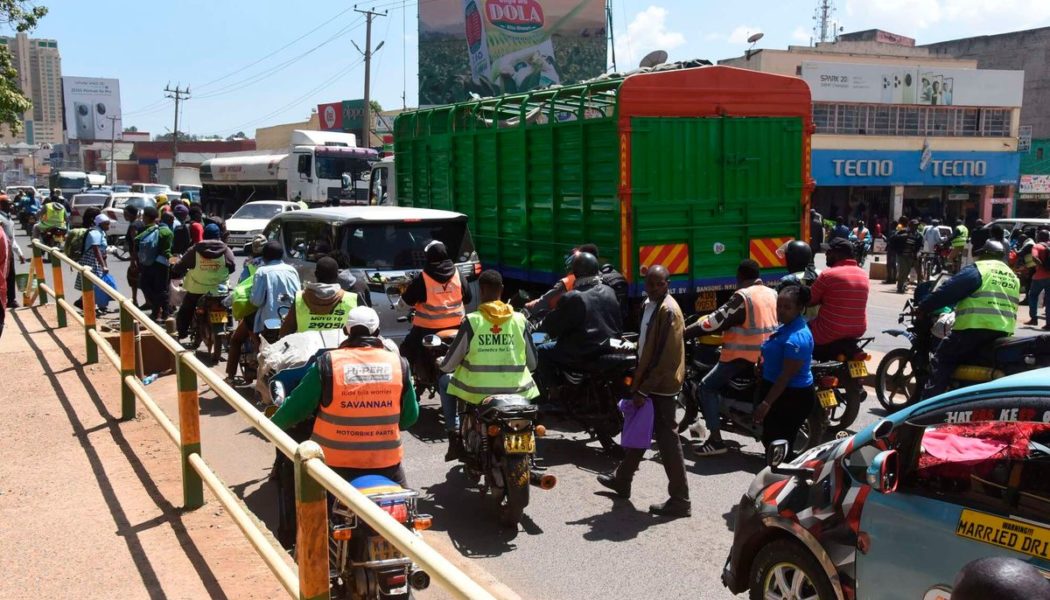
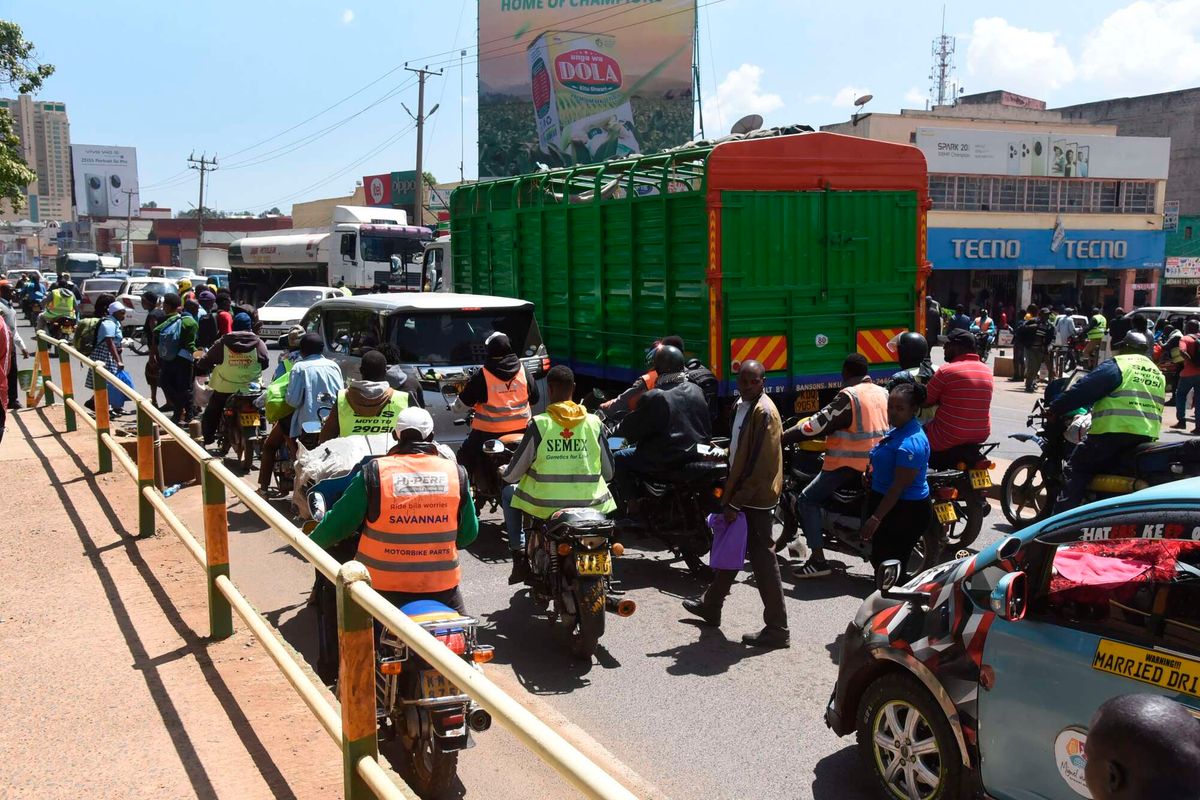
Kenya’s boda boda industry has evolved into one of the most important economic engines, providing livelihoods for millions of youths and delivering affordable, efficient last-mile transportation to communities across the nation.
The industry, according to a report released in 2025 by Viffa, contributes to close to four percent of Kenya’s gross domestic product, generating more than $5 billion annually. From bustling urban centres to remote rural villages, motorcycles have become an indispensable part of Kenya’s mobility landscape.
However, the sector’s rapid growth has also exposed significant challenges. Rising road accidents, safety concerns, criminal misuse, and a lack of operational standards have placed the industry under public scrutiny. The National Transport and Safety Authority data shows that by early December 2025, 4,400 Kenyans lost their lives on the roads, of these 1,148 riders and 432 pillion passengers died.
In response, the government has proposed far-reaching reforms through the Public Transport (Motorcycle Regulation) Bill 2023.
The question facing policymakers, riders, and the public is no longer whether regulation is necessary. Still, the question is whether these reforms can achieve their intended goals without undermining the livelihoods they seek to protect.
At its core, the proposed legislation seeks to transform the boda boda sector from a largely informal industry into a structured, professional, and accountable transport system.
The Bill introduces mandatory rider registration at the county level, establishes County Motorcycle Transport and Safety Boards, enhances rider training requirements, tightens licensing procedures, and improves safety standards.
It also proposes measures such as regular motorcycle inspections, passenger and cargo restrictions, and the use of tracking technologies to improve accountability and security.
The objectives behind these reforms are both reasonable and necessary. Kenya experiences a high number of motorcycle-related accidents, many resulting in serious injuries or fatalities. In addition, criminals exploit motorcycles because it is difficult to trace riders and vehicles.
By improving oversight, strengthening safety standards, and enhancing rider accountability, the proposed regulations have the potential to save lives, improve public confidence, and elevate the sector’s reputation.
Where similar measures have been implemented effectively, the results have been encouraging. Increased helmet usage, proper rider training, and licensing requirements have consistently been shown to reduce accident rates and improve road safety.
Registration systems create traceability, making it easier for law enforcement agencies to identify offenders while protecting the vast majority of law-abiding operators. Professional training programmes can also improve customer service, vehicle maintenance, and business management skills, helping riders build sustainable careers rather than merely surviving day to day.
Beyond safety, the formalisation of the sector presents significant economic opportunities.
A regulated industry is more attractive to investors, financial institutions, and technology providers. It can facilitate better access to insurance, financing, and emerging innovations such as electric motorcycles and battery-swapping infrastructure. It also enables State agencies to collect reliable data, improve transport planning, and support long-term mobility solutions that benefit both riders and commuters.
Yet despite these potential benefits, the proposed regulations have generated considerable resistance within the boda boda community. Many operators perceive the reforms as costly, punitive, and disconnected from the realities they face daily.
For riders struggling with fuel costs, loan repayments, and unpredictable earnings, additional compliance requirements can appear less like support and more like an added burden. Motorcycle regulation in Kenya is not a non-starter.
In fact, meaningful reform is both necessary and overdue. However, for these reforms to succeed, they must strike the right balance between safety, accountability, and economic reality. If implemented thoughtfully, the regulations could transform the boda boda sector into a safer, more professional, and more sustainable industry. If implemented poorly, they risk becoming another missed opportunity.
The future of Kenya’s boda boda sector will not be determined by regulation alone, but by the government’s ability to create a framework that protects lives while preserving livelihoods. Achieving that balance is not only possible—it is essential for the sector’s long-term success and for Kenya’s broader vision of modern, inclusive, and sustainable mobility.
Concerns have also been raised regarding the creation of new county-level regulatory bodies. Critics argue that these structures may duplicate the existing mandate of the National Transport and Safety Authority, creating unnecessary bureaucracy and increasing opportunities for inefficiency or corruption.
Others question whether some provisions, including mandatory tracking systems and strict operational requirements, can realistically be enforced across Kenya’s diverse urban and rural environments.
Perhaps the greatest challenge, however, is not the absence of regulations but the inconsistency of enforcement. Kenya already possesses laws governing motorcycle operations, yet compliance remains uneven due to weak implementation and limited enforcement capacity.
Without addressing this fundamental issue, new regulations risk becoming another well-intentioned framework that exists largely on paper while producing little meaningful change on the ground.
The debate surrounding motorcycle regulation ultimately reflects a broader national challenge: balancing public safety with economic opportunity. Few would dispute the urgent need to reduce accidents, improve discipline, and curb criminal misuse of motorcycles.
Equally, few can ignore the critical role the boda boda industry plays in supporting millions of Kenyan families and driving economic activity.
The success of these reforms will therefore depend not on the severity of the rules, but on the wisdom of their implementation. Sustainable change cannot be achieved through a purely punitive approach.
Instead, policymakers must work collaboratively with riders, associations, financiers, manufacturers, and other stakeholders to develop practical, affordable, and enforceable solutions. Regulations that are designed with industry participation are far more likely to gain acceptance and achieve lasting results.
Motorcycle regulation in Kenya is not a non-starter. In fact, meaningful reform is both necessary and overdue. However, for these reforms to succeed, they must strike the right balance between safety, accountability, and economic reality.
If implemented thoughtfully, the regulations could transform the boda boda sector into a safer, more professional, and more sustainable industry. If implemented poorly, they risk becoming another missed opportunity.
The future of Kenya’s boda boda sector will not be determined by regulation alone, but by the government’s ability to create a framework that protects lives while preserving livelihoods.
Achieving that balance is not only possible—it is essential for the sector’s long-term success and for Kenya’s broader vision of modern, inclusive, and sustainable mobility.
George Muthui Song’e is a E-Mobility Champion