
Words and photographs by Francesca Stolcke
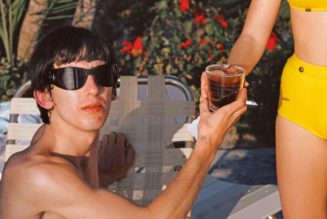
In the last few years, it’s been difficult not to recognize the change in photography culture. You’ll notice that film cameras, camcorders and disposables have been showing up everywhere again: at parties, on the street, in the studio, and in bags. And online, images have also been changing and have begun to soften. That clean aesthetic that used to dominate everything now seems less pervasive. During my process of picking up my film at various stores throughout the city, developers have told me some version of the same thing: people have been showing up to the store, curious and excited about film, and film sales have been increasing. For some of these stores, which have been around for decades and have witnessed the rise of various technologies, this is a significant shift.
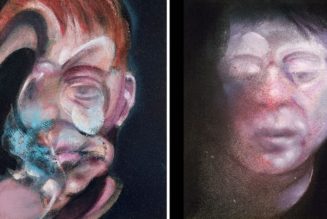
The resurgence of film photography does not feel like a typical trend. It does not feel ironic or novelty-driven. To me, the resurgence of film photography feels less about aesthetics and more about psychology. It feels like people are responding to the speed and pressure of life right now. We live in an age that is obsessed with the idea of clarity. Cameras have never been better than they are now. Everything is 4K, 8K, and optimized. Images need to be clean, flawless, and easily readable. Social media encourages us to continue the cycle of perfection and instant consumption. There’s a certain visual pleasure in such a level of clarity, but it comes with a certain cost, too. Being surrounded by such perfection all the time has the effect of numbing the senses, of shattering the attention and of craving the texture, the uncertainty, and the imperfection that photography has always represented to me.
“We live in an age that is obsessed with the idea of clarity.”
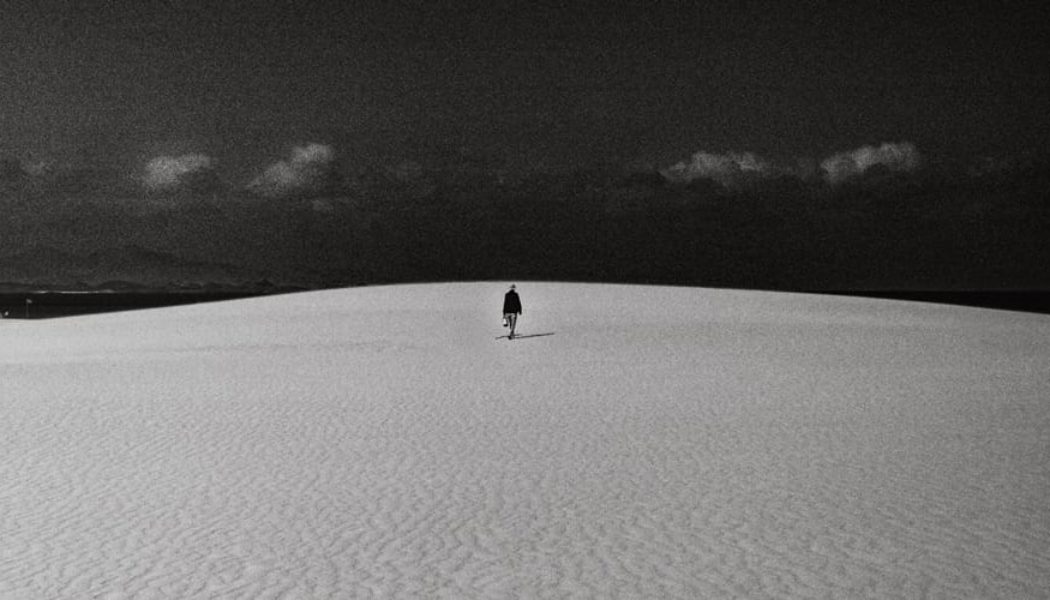
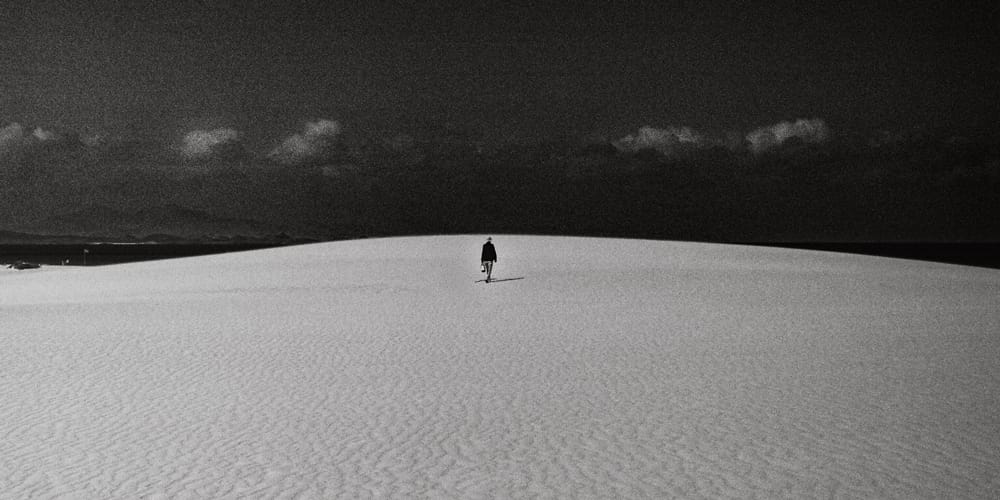
Growing up in New York City, the way I remember the city is inseparable from the moments I watched unfold on the street, quick, unscripted, and fleeting. I work mostly with film, and at first that choice wasn’t ideological at all. It just felt intuitive. Film slowed me down early on. It required patience, intention, and presence, with both the people I was photographing and the moment itself. Over time, it became the way I preferred to work. Grain, blur, and missed focus became things I learned from rather than tried to correct. They added to the emotional texture of the image. As a street photographer, the unpredictability of film felt honest. It mirrored the reality of the city itself, imperfect, fleeting, and beautiful.