
There is so much art out there that it’s absolutely impossible to keep up. Whether it’s a slept-on post-punk album from the ‘80s, a new sci-fi novel, or a cult classic horror movie, we’re always finding new obsessions here at The Verge — and we want to share those obsessions with you. Sometimes that might be a new release, but often it’s going to be something a little older, something not necessarily plastered all over TikTok or sitting at the top of the charts on Spotify.
We’ve said it before, but the best way to find new music, a new show to binge, or a self-help book that isn’t pure trash is to skip the algorithm and get a recommendation from actual humans. And it just so happens that The Verge employs a number of those (humans, that is). So checkback regularly for new art to fall in love with, and tell us about your latest obsessions in the comments. Maybe your new favorite album will become one of our new favorites, too.
-

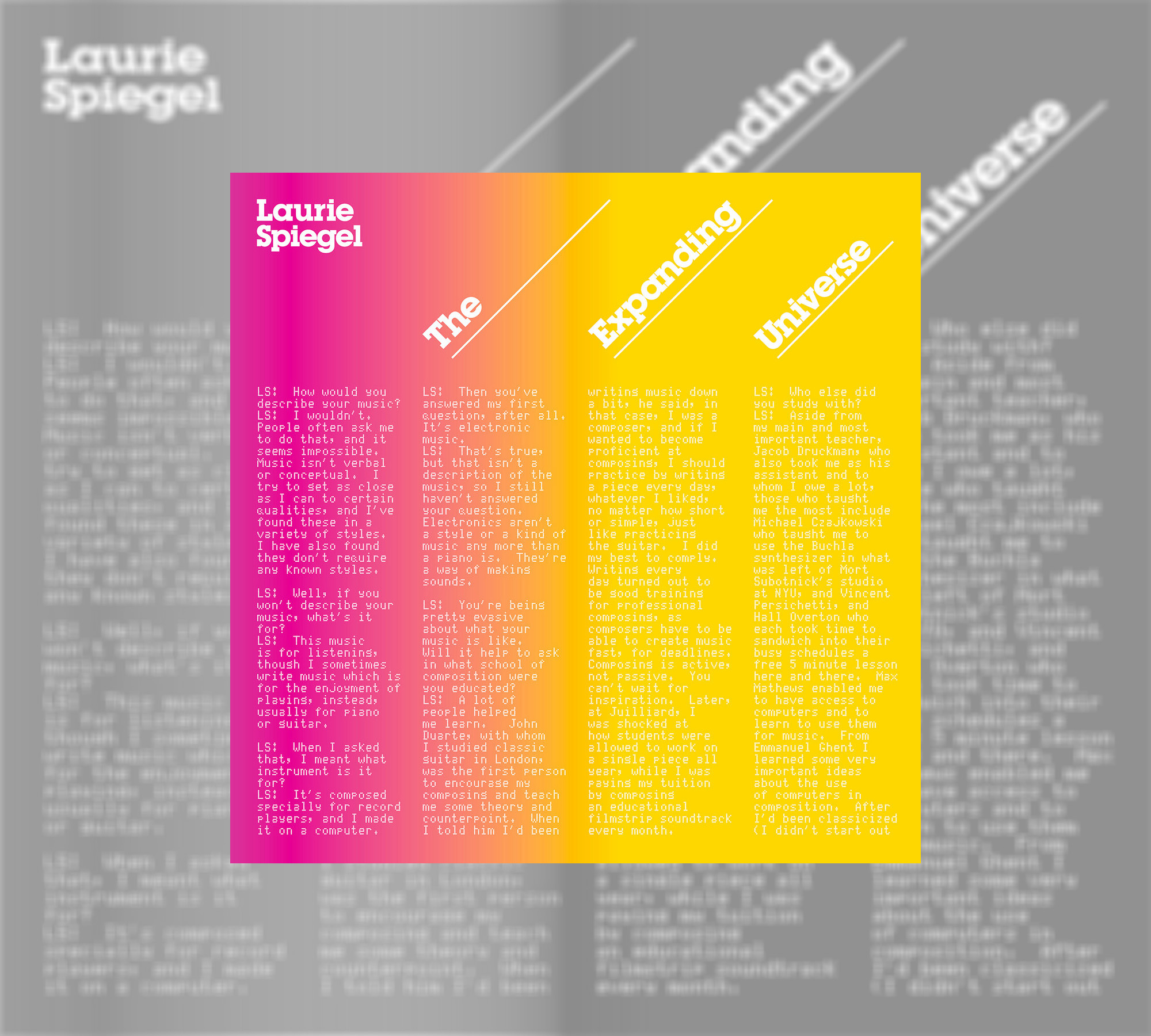
I recently had the pleasure of interviewing Laurie Spiegel for the site. As preparation for the interview, I spent a lot of time over the last couple of weeks revisiting Spiegel’s records, most notably The Expanding Universe, her 1980 masterpiece that blends synth experimentalism with early examples of what would eventually be called ambient music, and algorithmic composition techniques. It’s a marvel that sounds both nostalgic and cutting-edge at the same time.
Tracks like “Patchwork” and “A Folk Study” dabble in the sort of bouncy arpeggios that beg comparisons to The Who’s “Baba O’Riley,” while “Old Wave” and “East River Dawn” conjure early M83 or Boards of Canada. The palette she draws from is buzzing with life and timeless, rarely dating itself in the way her later (also excellent) record Unseen Worlds does, as it occasionally dabbles in FM bells.
-
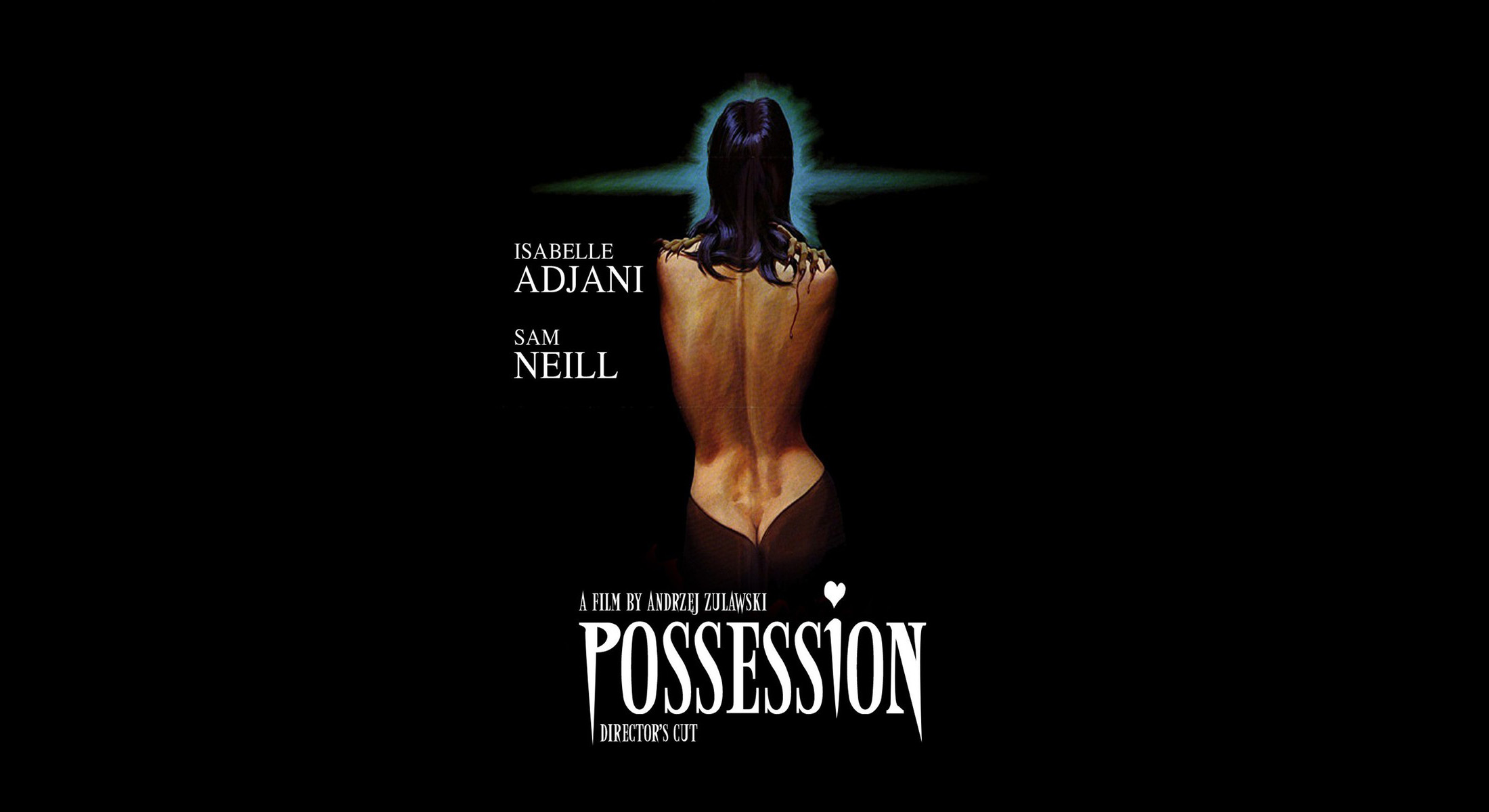
Let me just say that I highly recommend you go into Possession blind. Don’t watch a trailer. Don’t even finish reading this. Go watch it now over on Shudder, Criterion, or Metrograph. It’s also available through Kanopy or Hoopla if your library provides access. Then come back so we can talk about it in the comments. Though this probably isn’t one for the squeamish.
Warning: Spoilers ahead.
-
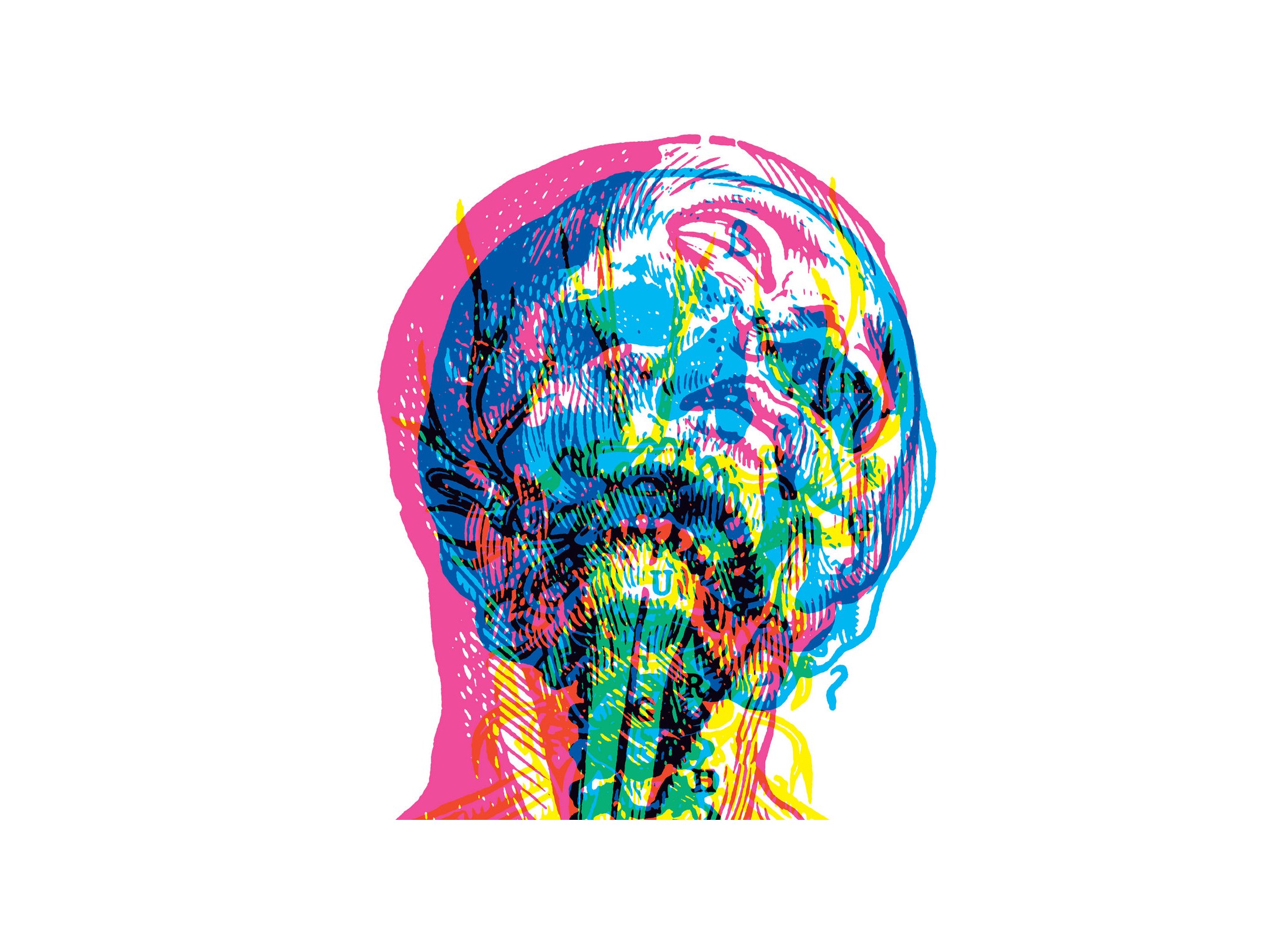
Often, I focus on recommending older media that isn’t currently getting a ton of attention. But this week, I can’t stop listening to the new Mandy, Indiana album long enough to even think about anything else. It’s early still, obviously, but URGH is my favorite release of 2026 so far. The band that I fell in love with on I’ve Seen a Way has found an entirely new gear.
Frontwoman Valentine Caulfield is even more uncompromising. Most of the lyrics are in French, but even if you don’t know what she’s saying, you can feel the contempt. On “Magazine” she’s spitting in your face as she seethes:
-
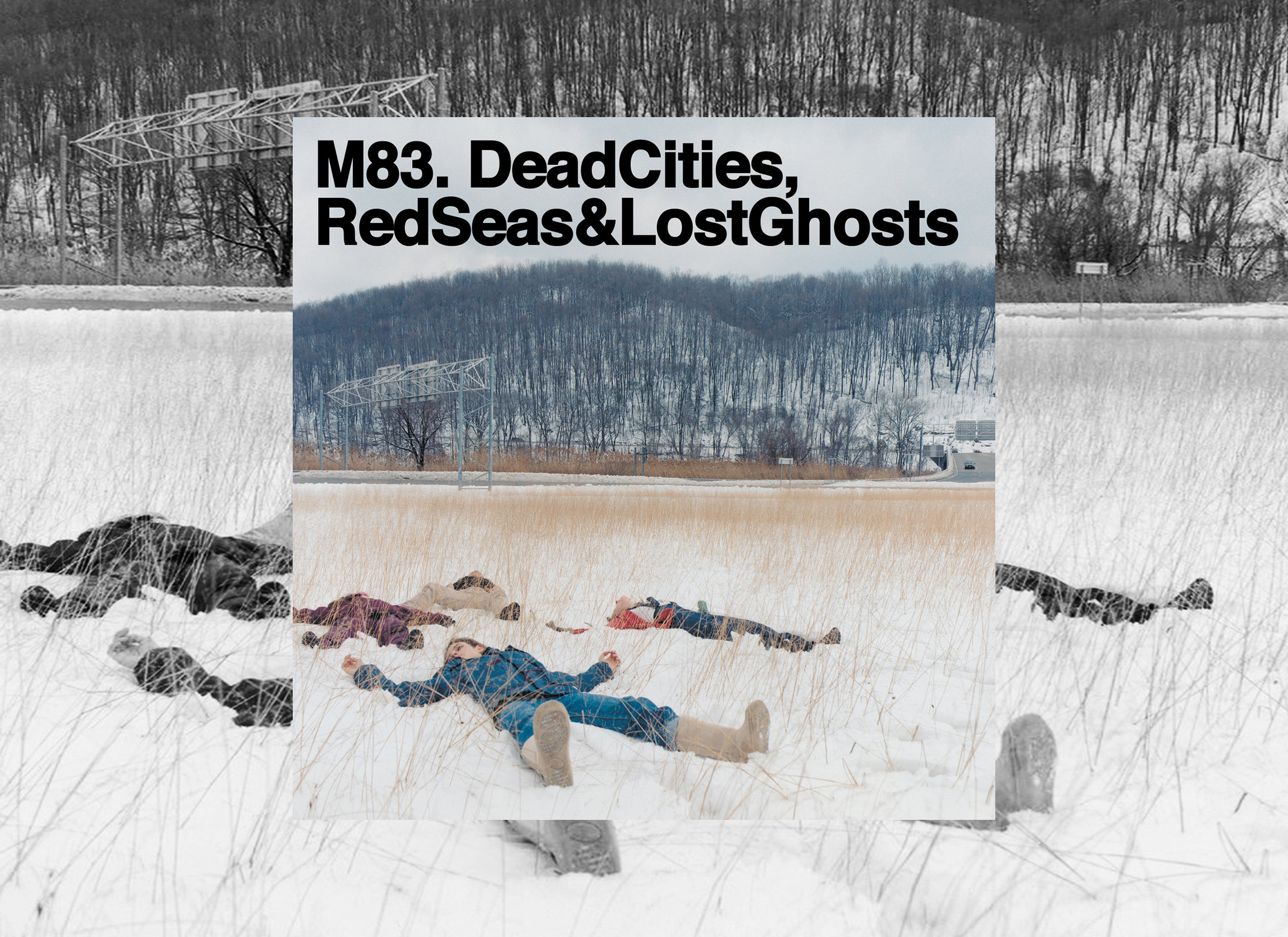
New York City got hit with a hell of a snowstorm last week. And, inevitably, when I’m watching the snow fall, wandering the oddly quiet streets after dark, people hiding inside and staying warm, I put on M83’s sophomore record, Dead Cities, Red Seas & Lost Ghosts.
Before Nicolas Fromageau left the band and Anthony Gonzalez embraced traditional pop song structures, saxophone solos, and teen angst, M83 released two albums of mostly instrumental music. The self-titled debut album is kind of forgettable, but the second one finds the French duo taking inspiration from the repetitive bombast of Mogwai and Godspeed You! Black Emperor. Dead Cities is a decidedly French twist on post-rock grandeur, building blankets of sound from drum machines, analog synths, and heavily compressed guitar.
-
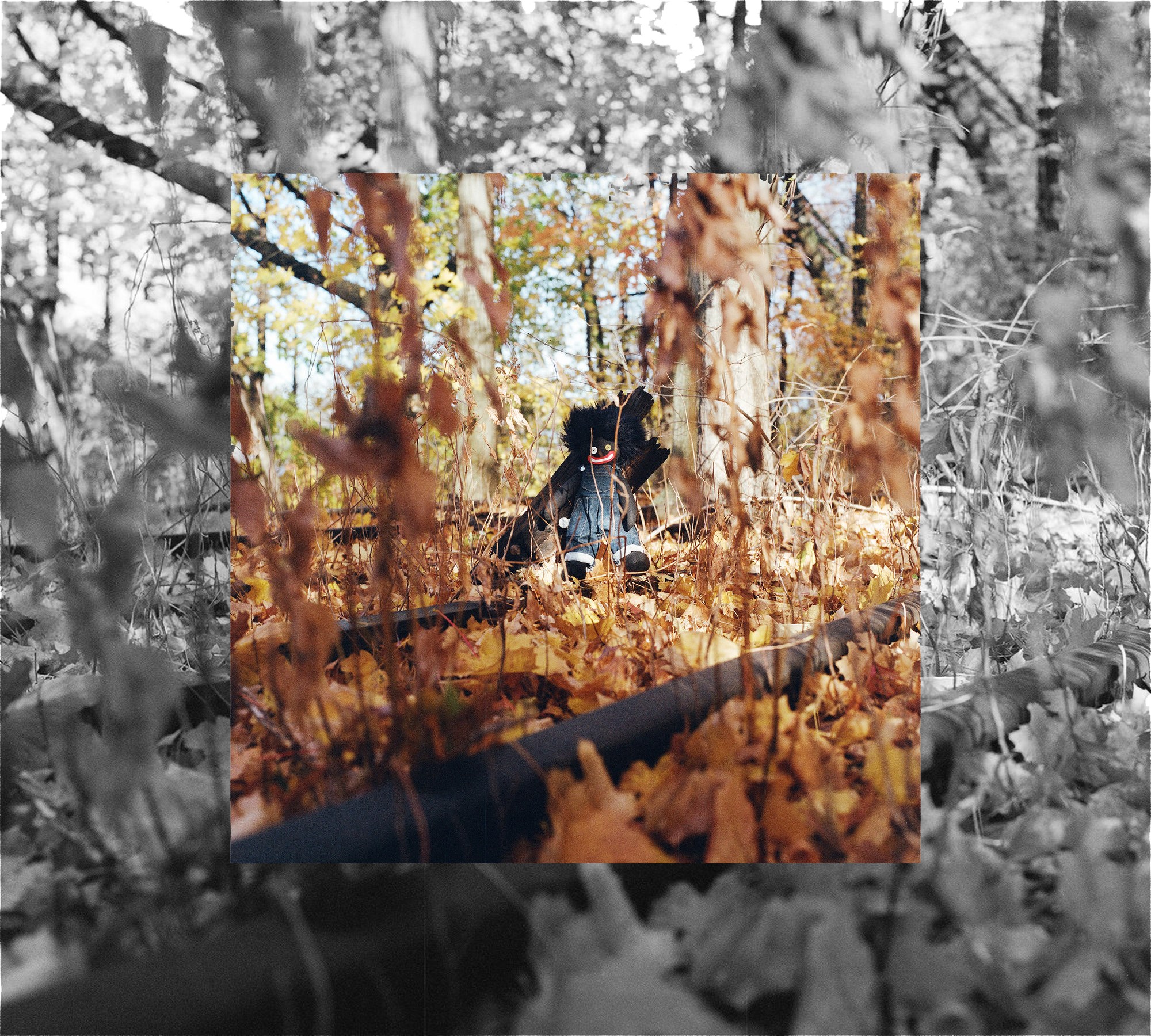
Billy Woods has one of the highest batting averages in the game. Between his solo records like Hiding Places and Maps, and his collaborative albums with Elucid as Armand Hammer, the man has multiple stone-cold classics under his belt. And, while no one would ever claim that Woods’ albums were light-hearted fare (these are not party records), Golliwog represents his darkest to date.
This is not your typical horrorcore record. Others, like Geto Boys, Gravediggaz, and Insane Clown Posse, reach for slasher aesthetics and shock tactics. But what Billy Woods has crafted is more A24 than Blumhouse.
-
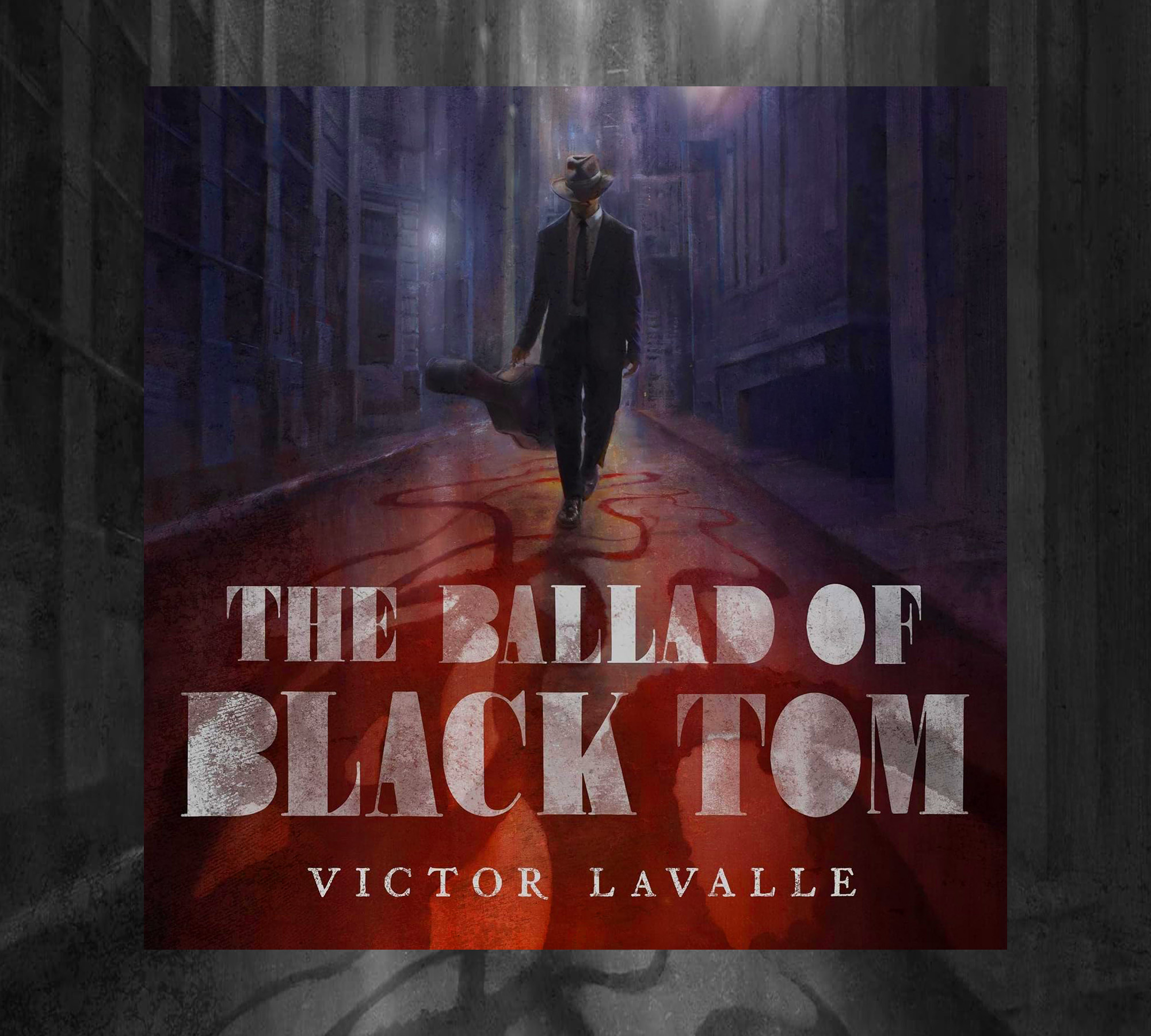
Things that H.P. Lovecraft was good at: Creating a mythos. Building atmosphere.
Things that H.P. Lovecraft was bad at: Writing dialog. Creating compelling characters. Not being a racist.
-

It’s the holiday season, and Christmas music is utterly inescapable. Look, I love Mariah Carey and Wham! As much as the next guy. But at some point, you get really tired of hearing the same handful of Christmas songs over and over again. So here are 10 suggestions to add to your holiday playlist that are hopefully a little less obvious.
There’s a long history of downer Christmas songs, from Dolly Parton’s “Hard Candy Christmas” to The Pogues’ “Fairytale of New York.” But there is no holiday song more guaranteed to bring the party down than “Christmas Card from a Hooker in Minneapolis”. The reveal at the end is the sort of thing that will have everyone putting the gifts back under the tree because they’re too depressed to open anything.
-
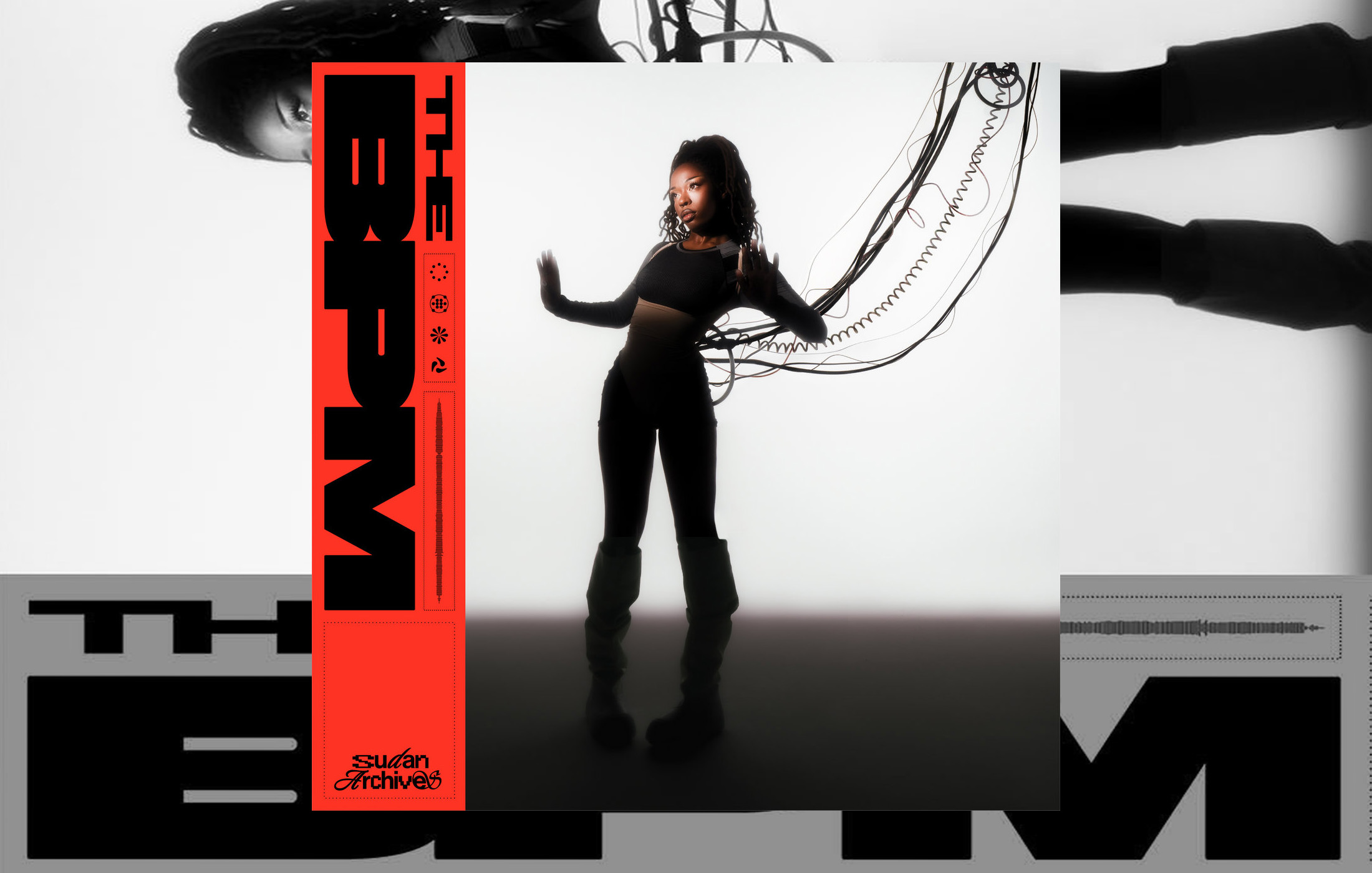
My introduction to Sudan Archives was the song “Nont for Sale” from her first EP Sink in 2018. I’ve been a diehard fan ever since. With each album, she finds new ways to sculpt the sound of her violin, contorting it in defiance of expectations.
Athena found her in conversation with it, leaving its timbre largely recognizable and organic, veering from experimental pop to more ambient passages. Natural Brown Prom Queen embraced the aesthetics of sound collage, samples, and modern R&B, blending her violin with more expressly electronic elements. The BPM has identifiable violin passages, but it fully embraces the more technological elements of Sudan Archives’ sound.
-
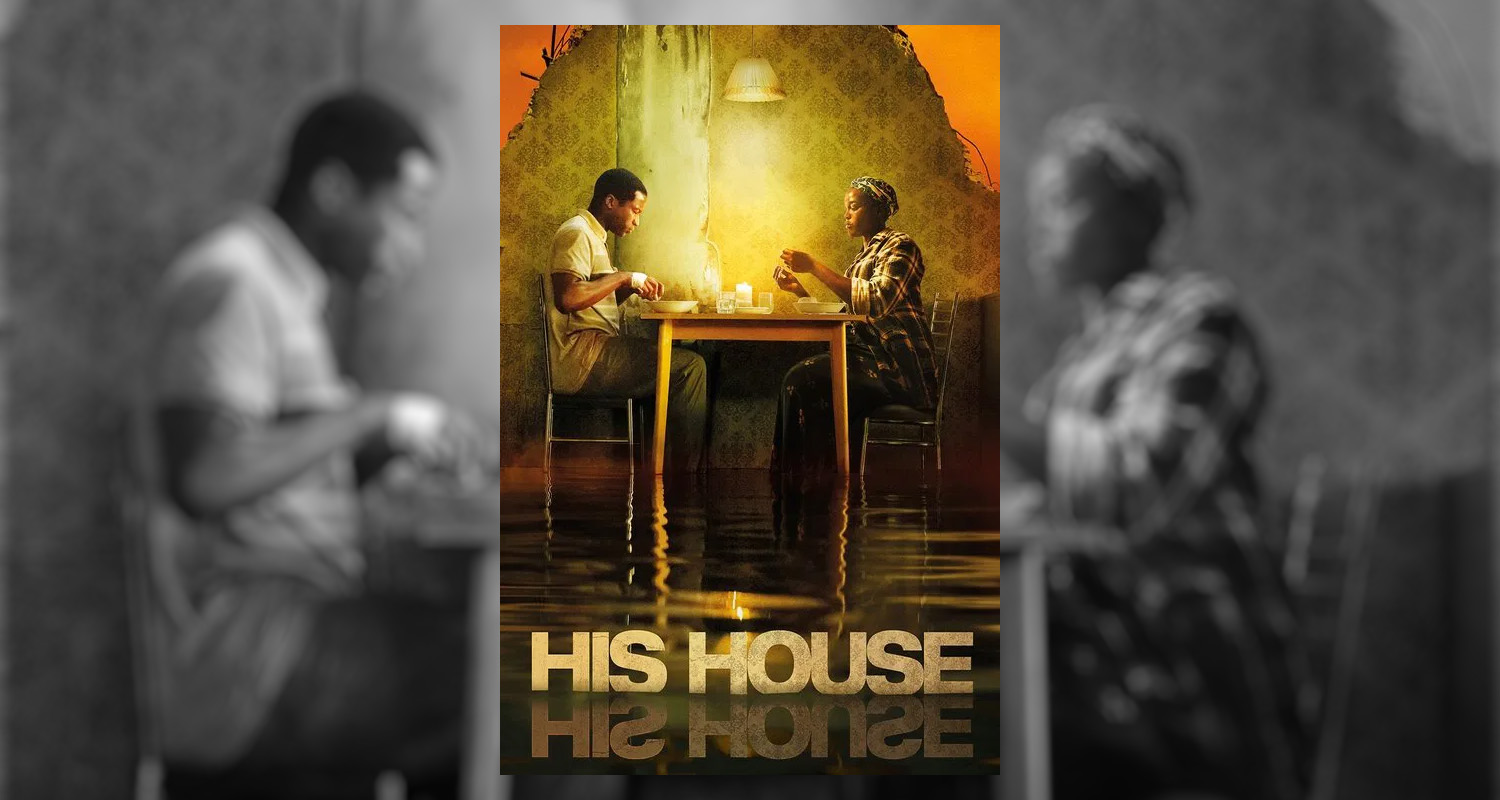
There’s an argument to be made that “the real monster is trauma” has become an overused trope in modern horror. Hereditary, The Babadook, and, much less effectively, Smile, are just a few higher-profile examples. But, if you ask me, few films have deployed this trope quite as effectively as the 2020 film His House.
The film follows Bol and Rial, refugees from South Sudan, played by Sope Dirisu and Wunmi Mosaku. Both deliver the kind of incredible performances that you rarely see in a genre film like this. It’s part of what elevates His House above the standard “haunted by trauma” fare. Mosaku, in particular, shows the sort of nuance and screen presence that in a just world would guarantee superstardom.
-
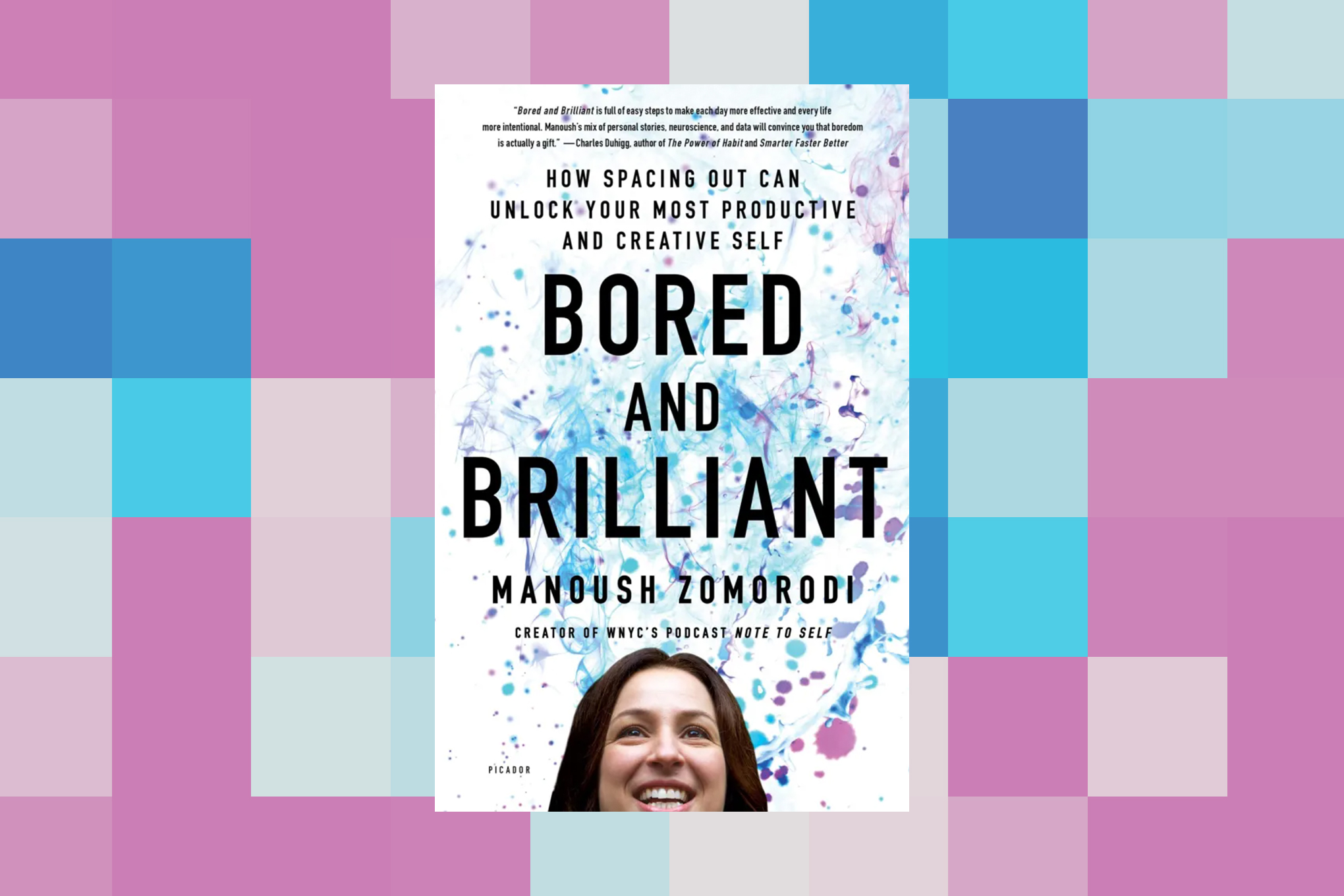
I have a tendency to space out. A lot. Whether it’s staring out the window on Amtrak or pausing at work to fixate on a blank spot on the wall instead of my screen, I often let my mind wander. When I was younger, I would often be derisively called a daydreamer, a space cadet, or just plain distracted. Obviously, one can be too absent-minded, but Bored and Brilliant by Manoush Zomorodi convincingly makes the case that letting your mind wander is not only essential, but a luxury we shouldn’t take for granted in our hyperconnected age.
Zomorodi is the current host of NPR’s TED Radio Hour, but she was also the host of WNYC’s Note to Self for many years. In 2015, she did a series of episodes on Note to Self focused on removing digital distractions and the benefits of boredom. Then, in 2017, it became a book. Bored and Brilliant: How Spacing Out Can Unlock Your Most Productive and Creative Self expands on those episodes, bringing in new expert voices, scientific studies, and anecdotes from Zomorodi and her audience from their own digital detox efforts.
-
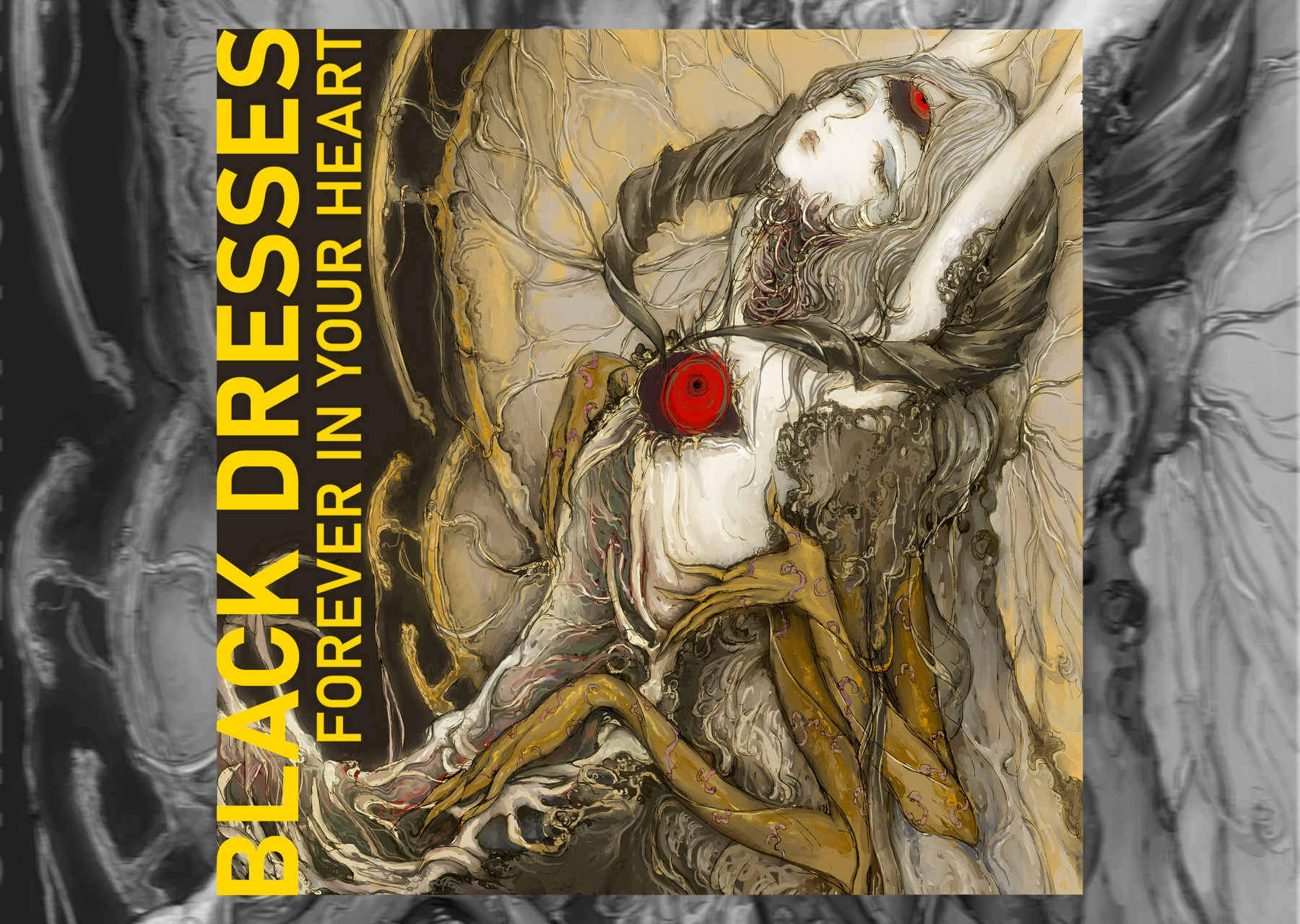
There’s something irresistible about music that sounds as if it’s coming apart at the seams. The Black Dresses are masters of barely contained chaos. All of their records feel as if they’re in danger of collapsing into pure noise at any moment. But never have they so expertly woven the various threads of their sound — glitchy percussion, pummeling guitars, irresistible pop hooks — together as they do on Forever in Your Heart.
The Canadian duo of Ada Rook and Devi McCallion crafts something undeniably catchy from abrasive electronics, metallic percussion, death-metal screams, and off-key warbling. The opening track, “PEACESIGN!!!!!!!!!!!!!!!!!” jumps out of the speakers with such viciousness that the riff basically trips over itself before settling into a groovey shoegaze verse. When the riff returns, Devi screams, “Can we make something beautiful with no hope?”
-
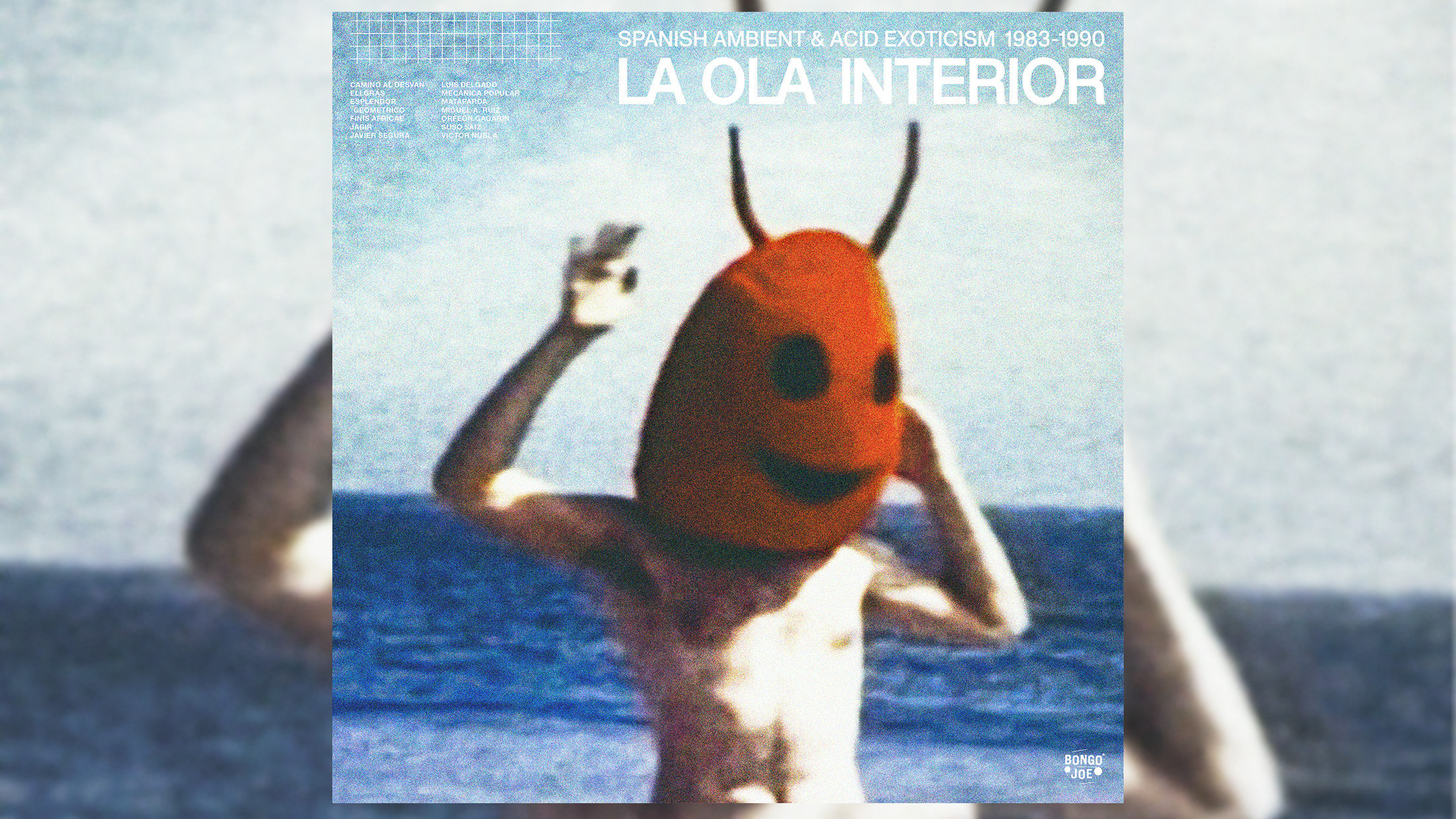
Much of La Ola Interior (Spanish Ambient & Acid Exoticism 1983-1990) sounds shockingly contemporary for a collection of tracks recorded in the mid to late ‘80s. Ambient as a genre was already relatively well established by the time many of the artists on this compilation recorded their songs. But as we neared the end of the century, much of the scene in the US and Japan was beginning to push into New Age territory. These artists from the Spanish peninsula were trafficking in something much more experimental.
La Ola Interior covers a lot of stylistic ground. There’s despondent drones, classic analog synths excursions, detached chants, field recordings, and, yes, even some more rhythmically forward tracks. But what unites it all is a clearly DIY aesthetic and a demand for your attention.
-
Found footage movies are tough to pull off. For every classic like The Blair Witch Project or Rec, there are 100 movies like Slender and Megan Is Missing that are, at best, forgettable, and at worst, an affront to the very concept of cinema. My personal favorite, though, is Lake Mungo, a slow-burn mockumentary with found footage elements that manages to be both creepy and emotionally wrenching. Oh, and it’s gloriously concise at under an hour and a half.
Lake Mungo is, first and foremost, one of the most convincingly realized mockumentaries ever made. If you told someone it was a legit documentary about a supposed haunting, there’s a chance they’d believe you. The style is spot-on, the performances pitch-perfect, and it never overreaches. Other horror films in this style eventually go too far, resorting to bombast, like the BBC’s Ghostwatch (which is also excellent). But Lake Mungo remains understated, even when it shows purported footage of a ghost.
-

There are only a handful of albums that I think qualify as genuinely scary. You Won’t Get What You Want by Daughters, and Swans To Be Kind both immediately come to mind. But those records come with… let’s say, baggage. I’ve Seen All I Need to See lacks some of the atmospheric spookiness of To Be Kind and the flashes of pop-tinged menace of You Won’t Get What You Want, but it makes up for that with unrelenting brutality. It’s not the soundtrack to a slasher film, it’s the most violent scene in the bleakest horror film, rendered as blown-out drums and detuned guitar.
The album opens with a reading of Douglas Dunn’s The Kaleidoscope, a poem about being trapped in a cycle of grief, as sparse drums boom arhythmically alongside bursts of noise and a low metallic drone. As it transitions into the distant shriek of vocalist / guitarist Chip King, “A Lament” sputters in fits and starts as it struggles to take flight.
-
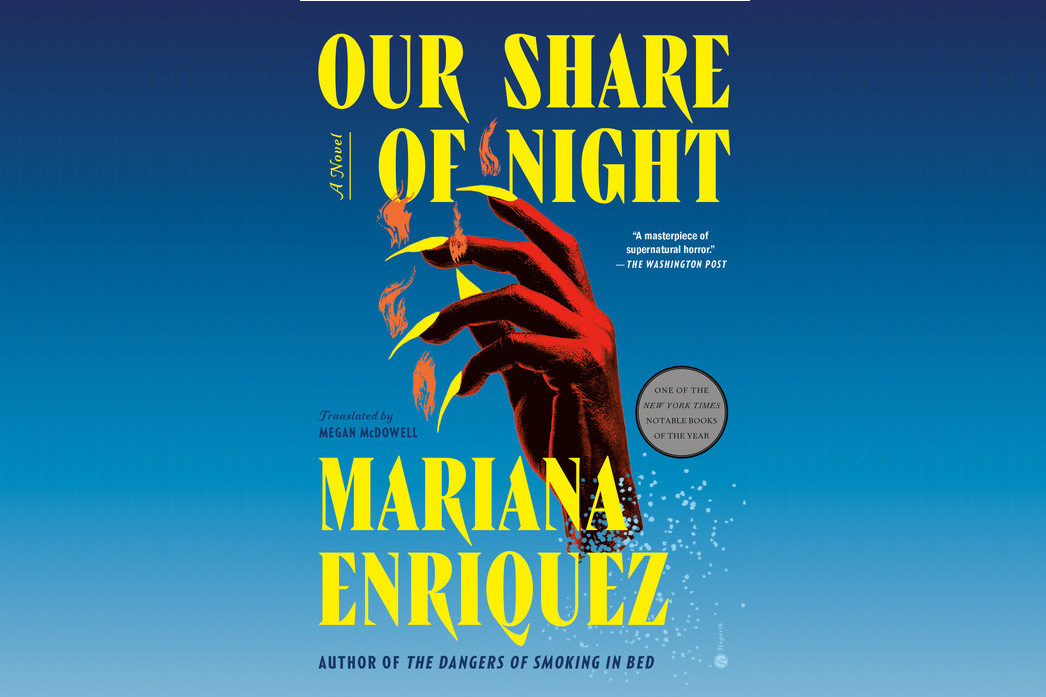
I’ve read a lot of horror books over the last two years. But my absolute favorite is easily Mariana Enriquez’ Our Share of Night. The book was originally published in 2019 in Argentina, but it only got an English translation in 2023. While it doesn’t quite reach Stephen King lengths, at nearly 600 pages, I’d say it still counts as an epic.
There are certainly scary and gruesome moments in the story involving ancient gods, a powerful cult, and brutal ritual violence. But as is usually the case with the best horror, the supernatural here is a stand-in for real-world terrors. In this case, Enriquez uses the occult to explore Argentina’s history of political violence, familial trauma, and the unchecked greed of the wealthy elite.
-
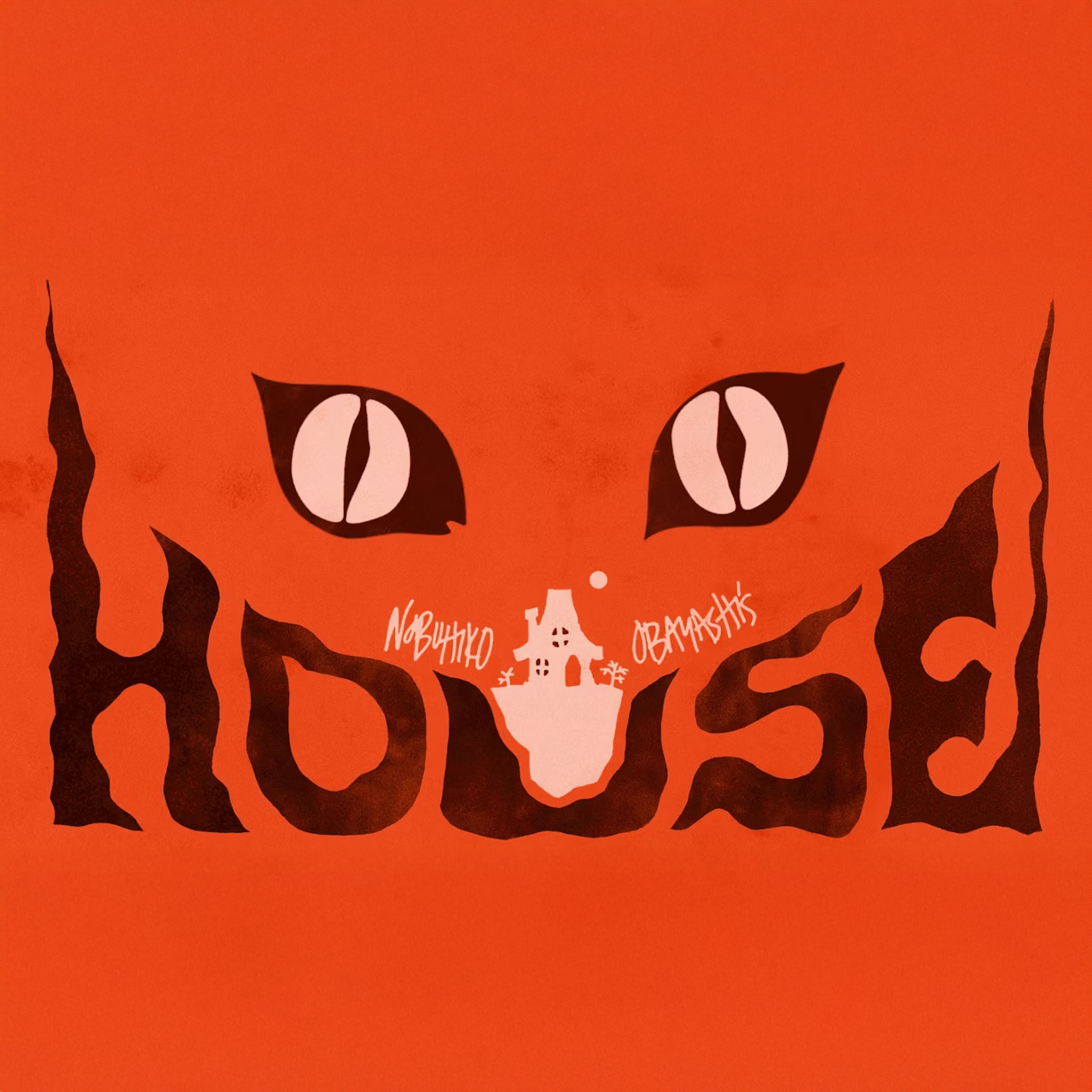
Spooky season is upon us, and traditional horror films like Bring Her Back (excellently gruesome) or The Evil Dead (stone cold classic) are obvious choices for a cozy movie night at home. But, if you’re looking for something that’s a bit more weird than wicked to get you in the Halloween spirit, I highly recommend the 1977 fantasy horror film House.
Describing House is an exercise in futility. Here’s the basic plot: A girl goes to spend the summer with her aunt after her widower father brings home a creepily sedate woman and declares that he intends to marry her. When she arrives at the countryside home, with six of her friends in tow, strange supernatural things immediately begin to happen.