
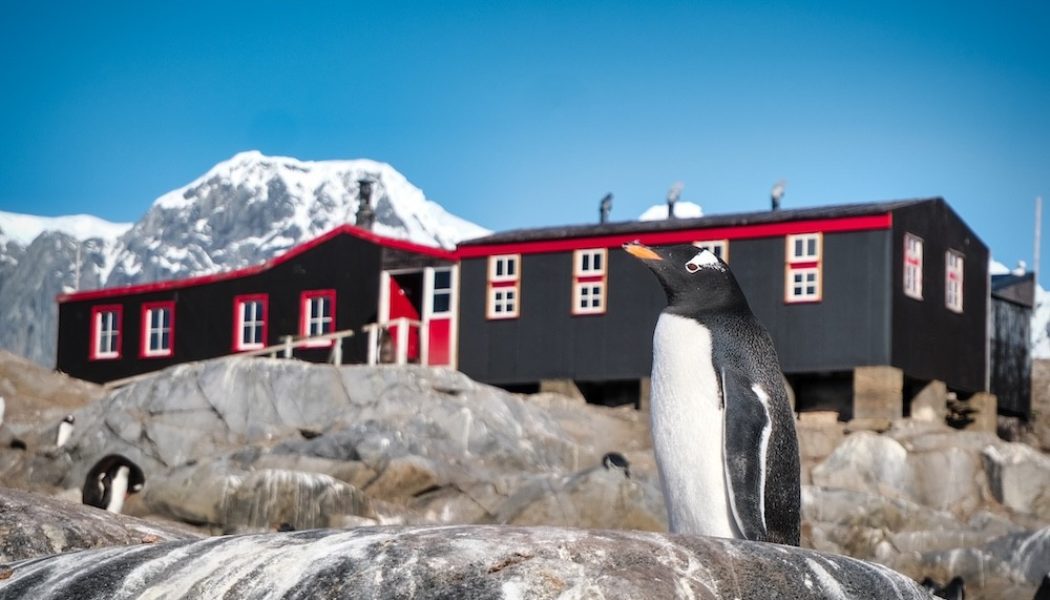
Peter reflects on working as a wildlife monitor in Antarctica: a joyful season of simple routines, close encounters and life on a tiny island
It’s been just over a month since I left Antarctica, and I find myself in that strange in-between – back in the rhythm of everyday life, yet still quietly orbiting a small, snow-dusted island at the edge of the world.
Port Lockroy has a way of lingering. Not just in photographs or journal notes, but in the body – in the memory of cold air in your lungs, the crunch of snow underfoot, and the constant, comforting chatter of penguins going about their lives.
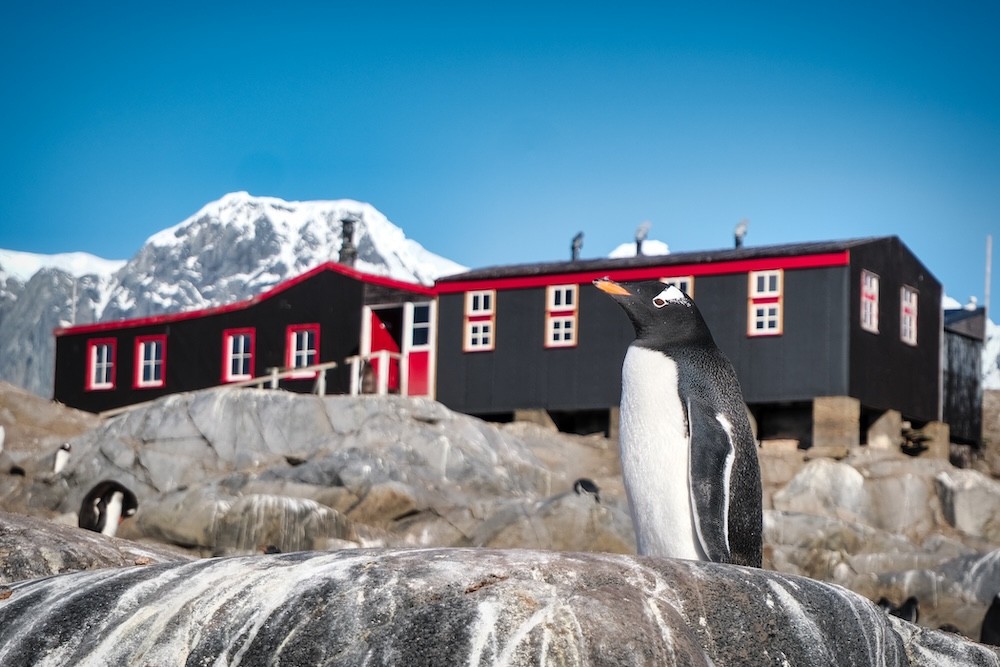
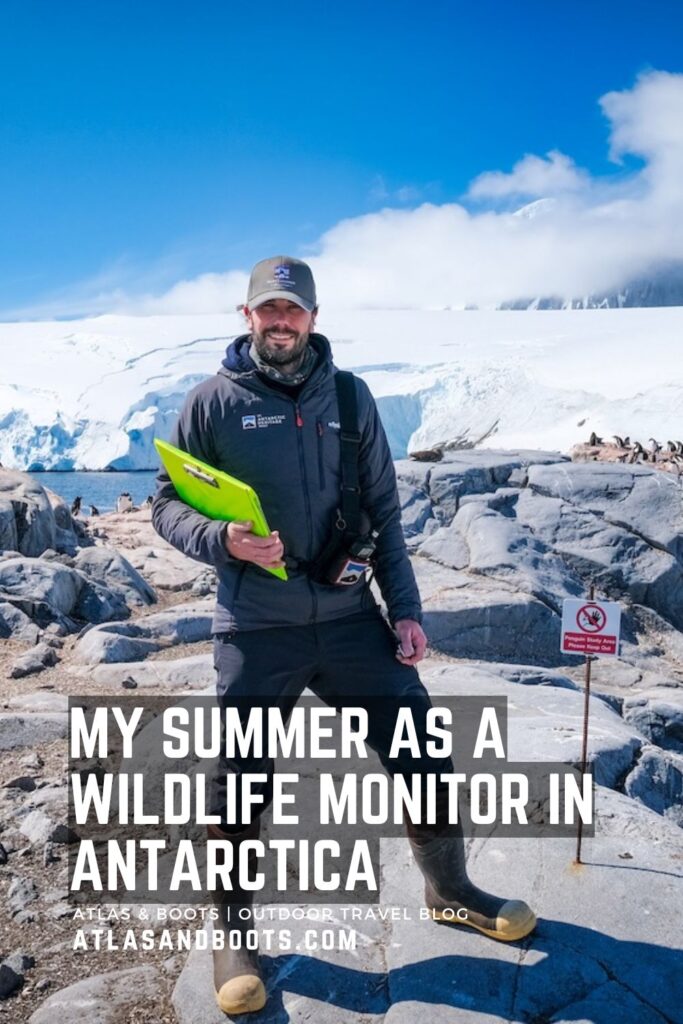
For three months, I worked as the wildlife monitor on Goudier Island with the UK Antarctic Heritage Trust (UKAHT). My job was simple on paper: count penguins. In reality, it became something far richer – a season shaped by small routines, shared laughter and a daily closeness to wildlife that felt both grounding and quietly extraordinary.
What is a wildlife monitor in Antarctica?
The role arose through UKAHT, the charity I’ve been working for since 2023, which manages Port Lockroy, a historic British base transformed into a museum, post office and conservation site. Each year, a small team travels south for the austral summer to run the base and support ongoing environmental work.
For me, the wildlife monitor position was always the draw. We all had to balance working at the museum, post office, the gift shop, visitor operations, heritage conservation and base life, but my main responsibility was the penguins – specifically, tracking the progress of the gentoo colony across the breeding season.
There’s a certain poetry in the idea of counting penguins. It sounds whimsical, almost lighthearted. And it is, at moments. But it’s also purposeful. Every count contributes to a long-term dataset that helps us understand how these birds are coping in a rapidly changing environment.
That balance – between joy and responsibility – defined much of the season.
Why this research matters
Goudier Island is divided into two main zones: a visitor area, where carefully marked paths thread between nests, and a protected study area, closed off to minimise disturbance.
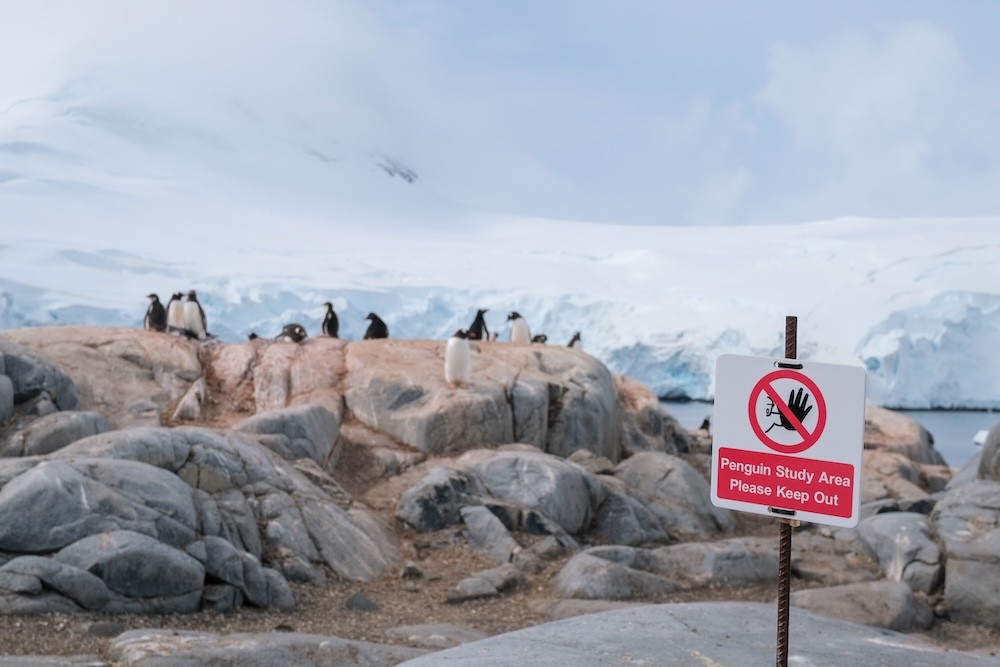
Across the season, we record every nest, egg and chick on the island. It’s meticulous work, built on repetition and consistency. There are 10 subcolonies in total, and rather than walking through all of them regularly, we focus on one “chronology colony” every few days. That colony acts as a kind of barometer, guiding us on when key stages – like hatching or crèching – are underway. When those moments arrive, we carry out whole-island counts.
The data feeds into a long-running study with the British Antarctic Survey, now spanning more than two decades. It’s one of the few places in Antarctica where an entire breeding season is monitored so closely, year after year.
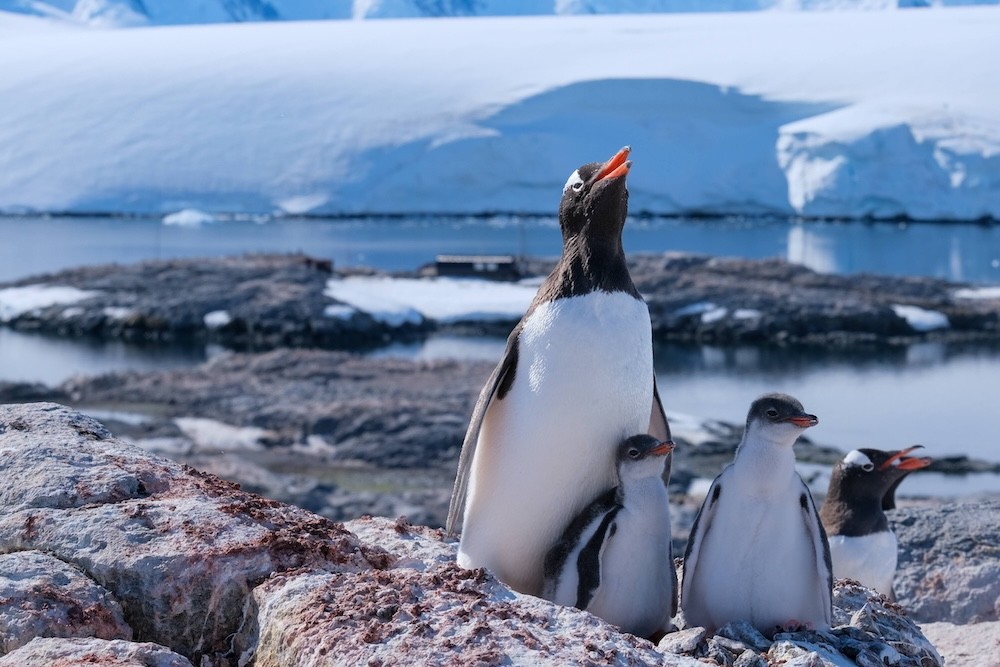
What struck me most wasn’t just the science but the patience behind it. This isn’t research that reveals itself overnight. It’s slow, cumulative and quietly powerful, the kind that builds understanding one careful step, one counted chick, at a time.
Goudier Island
Getting there is part of the story. The Drake Passage lived up to its reputation: a restless stretch of ocean that insists you earn your arrival. Days blurred into a rhythm of swaying decks and horizon lines that refused to stay still.
And then, suddenly, Antarctica. I was back. Icebergs. Still water. Light that felt sharper. Cleaner somehow.
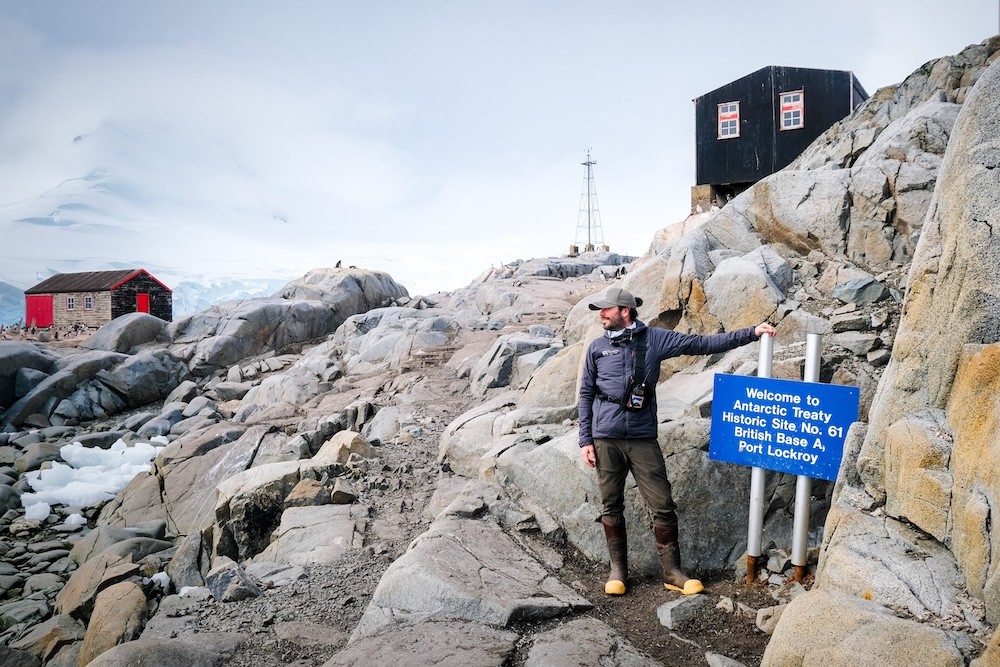
Landing at Goudier Island was a moment I’d imagined countless times, yet it still surprised me. The scale of it. The immediacy. The fact that within minutes of stepping ashore, you’re already among penguins – not observing from a distance but sharing space with them.
Meeting the team brought everything into focus. A small group, quickly bound by the realities of life on a remote island. There’s no real separation between work and home in a place like that. You cook together, count together, laugh together – and occasionally navigate the odd moment of cabin fever together too.
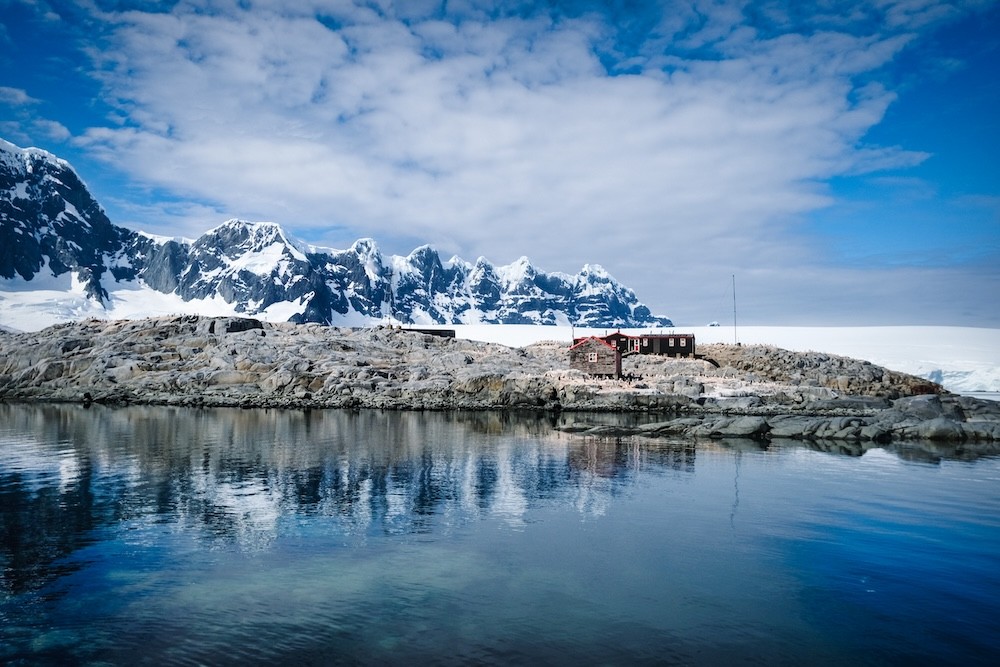
Meeting the penguins
My first proper introduction to the colony came during a Screen Colony count. Until then, the penguins had been background – ever-present, but not yet mine to monitor. That changed the moment I stepped into the role fully.
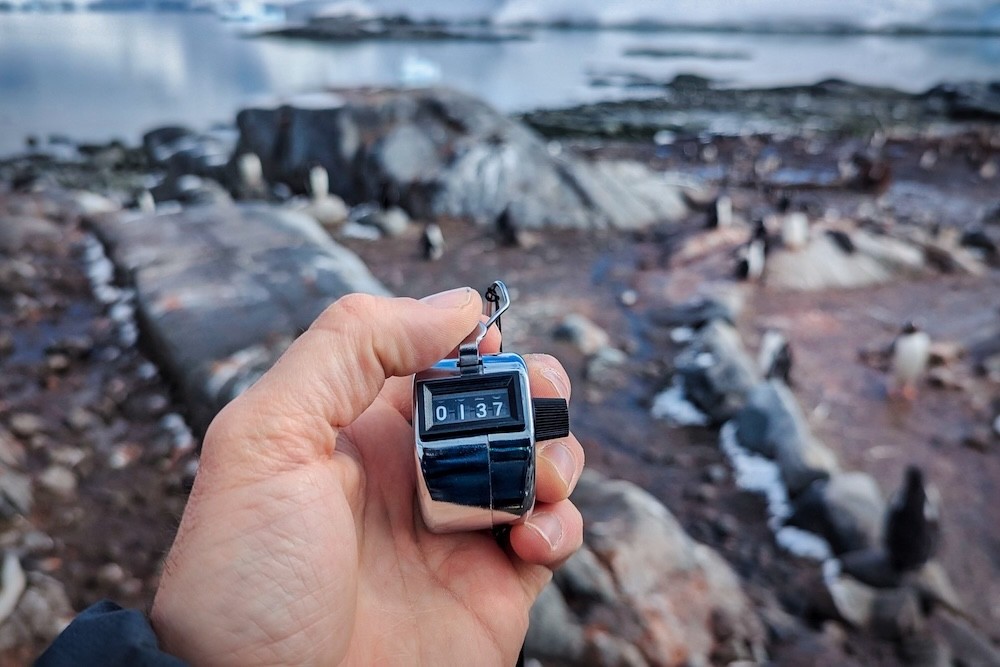
There’s something disarming about gentoos. They carry themselves with a kind of earnest determination, equal parts dignified and faintly ridiculous. Watching them waddle with purpose, carefully rearrange pebbles, or simply stand and observe you with mild curiosity – it’s impossible not to feel drawn in.
That first count was a lesson in attention. Learning to distinguish nests, track movement, avoid double-counting. But it was also something softer – a growing familiarity. Faces, behaviours, small quirks that began to stand out. They stopped being “penguins” in the abstract and became a community I was quietly getting to know.
Whole-island counts
The first whole-island count I took part in focused on chicks. Triggered when the chronology colony reached around 95% chick occupancy, it was an early January morning when the entire team headed out across the island. Working in pairs, we covered different subcolonies, tallying occupied nests and recording chick numbers.
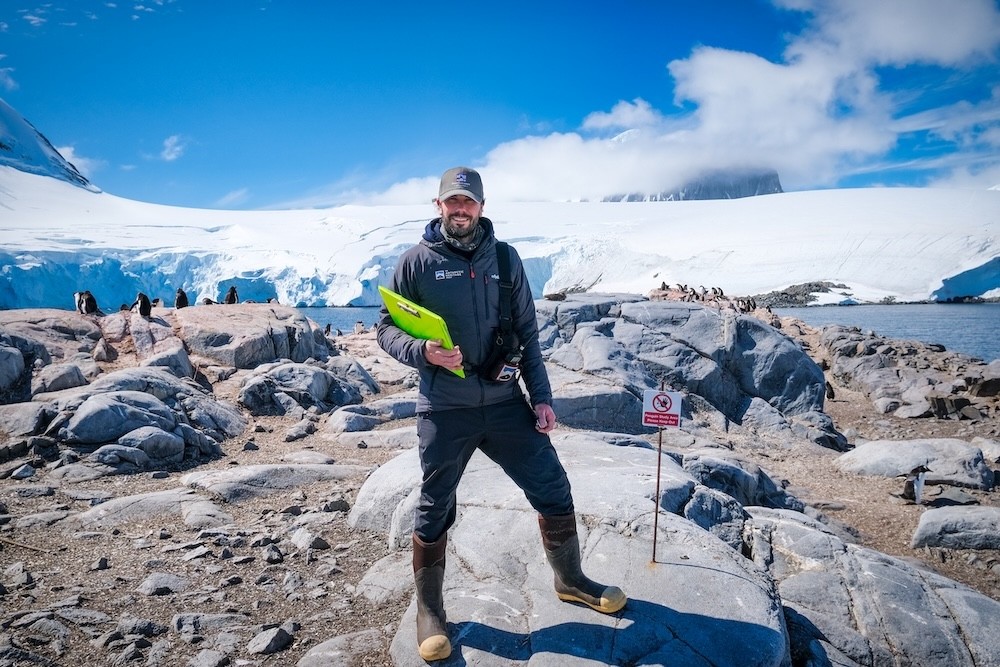
By the end of the count, we had logged 557 occupied nests and at least 876 chicks – a result that felt both satisfying and, in its own way, celebratory.
There’s a unique energy to those mornings. Focused, yes, but also buoyant. It’s one of the few times when everyone shares in the wildlife work, stepping briefly away from their usual roles. Afterwards, we’d gather back in the Nissen Hut, swapping stories, comparing notes, reliving the small moments that don’t make it onto datasheets.
Weeks later came the second major count – the post-crèche survey. By this stage, the island had transformed. Chicks were no longer tethered to nests but had formed loose, wandering groups known as crèches. The neat boundaries of earlier counts had dissolved, replaced by something far more fluid.
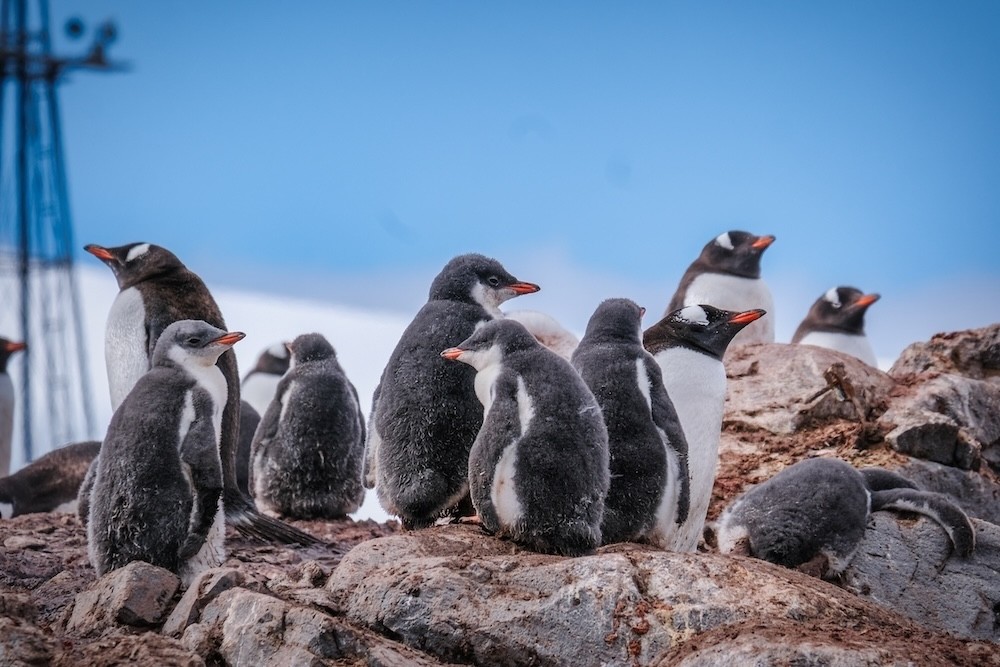
Counting them required a different approach. Instead of colonies, we worked with natural features – ridgelines, rocks, dips in the terrain – creating temporary counting zones. We moved slowly, waited for stillness, then counted quickly before the inevitable reshuffle.
It was part science, part choreography. The final tally averaged 685 fledglings across the island. Not just a number but the culmination of weeks of growth, care and survival.
Saying goodbye
Leaving Goudier Island was quieter than I expected. There’s no grand finale in Antarctica, just a gradual winding down as we shut the base for winter. The chicks grow into fledglings, begin testing the water’s edge and eventually slip into the sea. The island, once bustling with noise and movement, starts to feel spacious again.
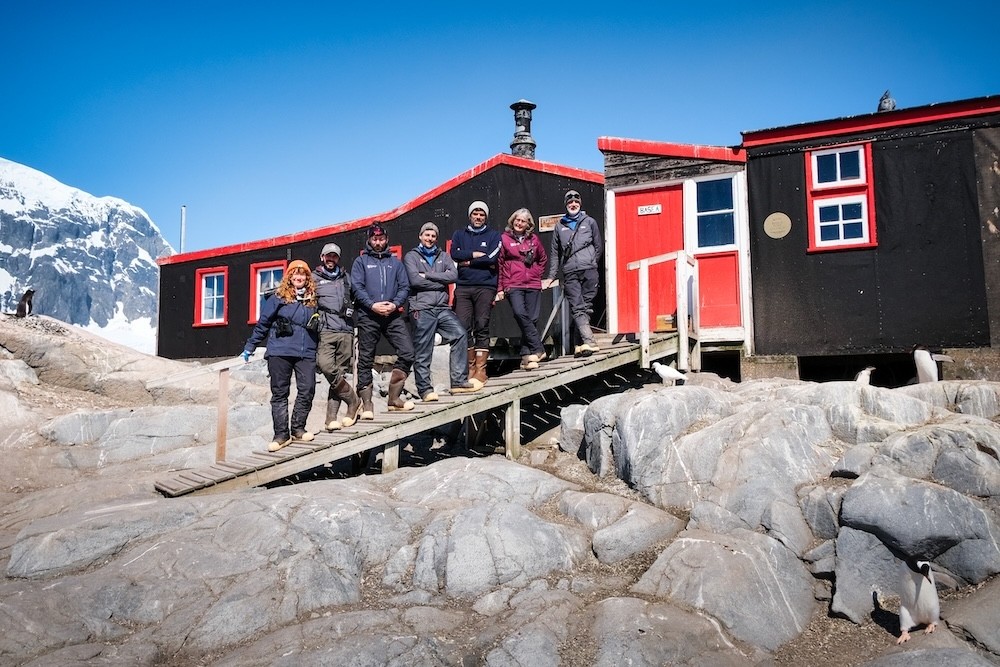
For me, the departure came with a mix of gratitude and a surprising weight. Life there is simple in a way that’s hard to replicate elsewhere. You wake, you step outside and immediately you’re part of something alive and unfiltered.
Of course, it wasn’t without challenges. Isolation has a way of surfacing things you might otherwise ignore. There were moments of quiet homesickness, of missing familiarity.
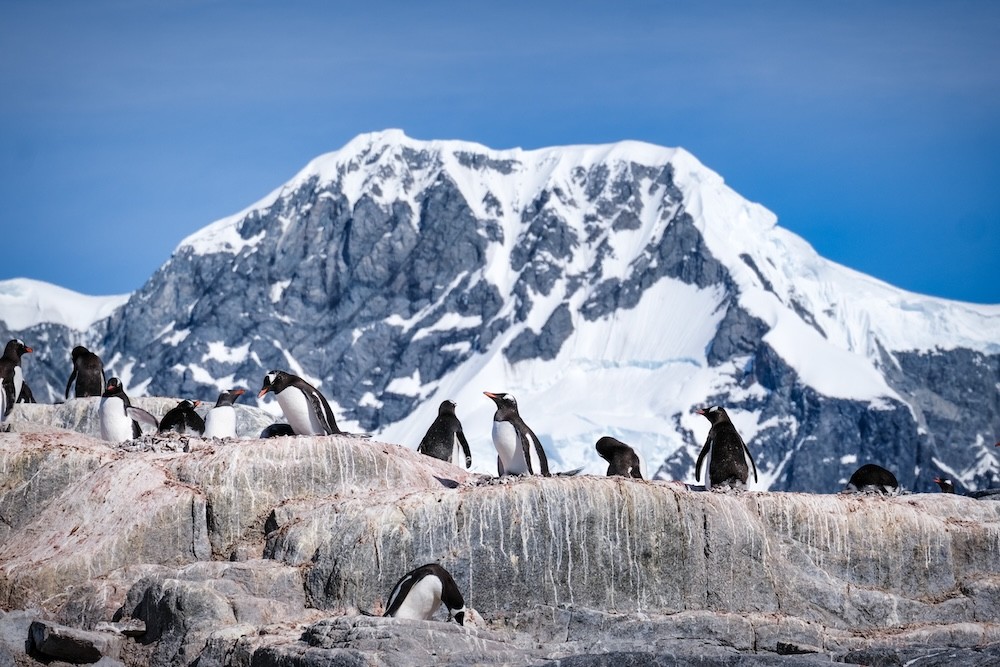
But the remedy was always close at hand. I’d step outside and walk among the penguins. Watch them bicker over pebbles. Shuffle through the snow. Stand resolute against wind and weather. Something is reassuring in their constancy; their complete lack of concern for anything beyond the immediate rhythms of their world.
By the end of the season, I realised I’d come to rely on that. It’s a privilege, really, to spend time with animals that are so effortlessly themselves. Tough, resilient and, above all, quietly joyful in their existence.
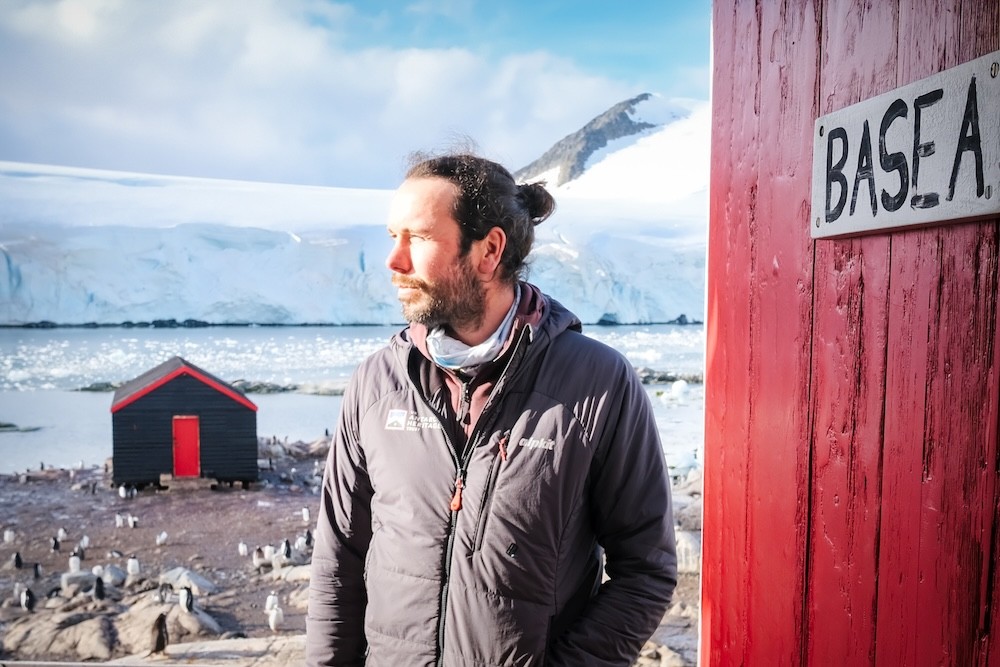
I left a piece of my heart on Goudier Island. Not in a dramatic sense, but in the accumulation of small moments: counts completed, conversations shared, footsteps traced through snow. And, above all, in the company of penguins.
I’m deeply grateful to the UK Antarctic Heritage Trust for the opportunity. It’s not every day you get to live at the bottom of the world and call “counting penguins” your job.
But more than that, it’s not every day you find a place that stays with you quite like Port Lockroy.
Enjoyed this post? pin it for later…