
Summary
- Tesla is reportedly developing an all-new compact electric SUV in Shanghai, aiming for a price point well below the Model 3
- The scaled-down vehicle features a lighter frame, single motor, and a smaller battery pack to dramatically cut production costs
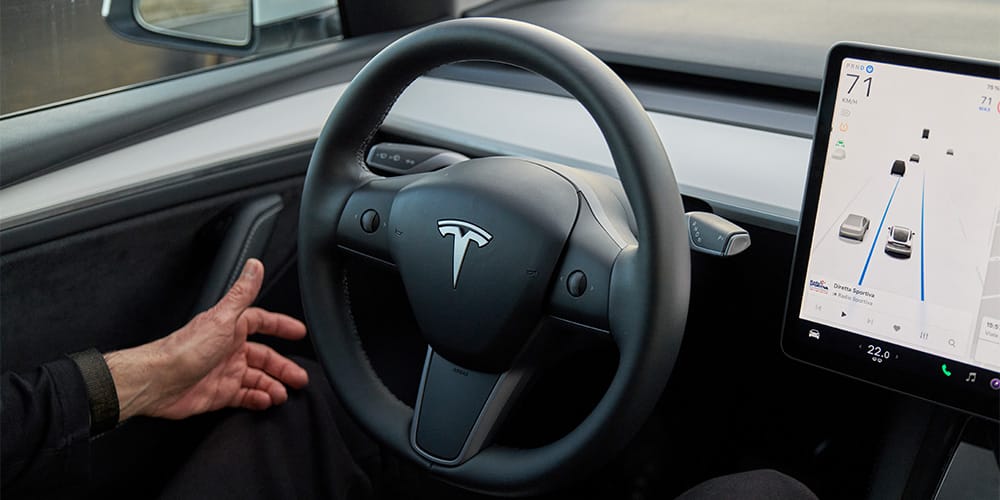
- The pivot bridges the gap between traditional driving and full autonomy, equipping the EV with a steering wheel for markets not yet ready for driverless tech
Tesla is rumored to be hitting the reset button on its entry-level ambitions. Following widespread speculation and strategic pivots, the automaker is reportedly moving forward with an all-new compact electric SUV. Billed as a drastically cheaper alternative to the brand’s current lineup, the forthcoming model is currently under development in Shanghai and signals a pragmatic shift for the EV giant. Rather than serving as a downsized variant of existing platforms, the vehicle features a completely fresh design engineered from the ground up to aggressively target affordability.
The vehicle is expected to measure approximately 14 feet in length, coming in nearly two feet shorter than the dominant Model Y. To achieve a price tag comfortably below the $37,000 Model 3, engineers are prioritizing extreme cost-cutting measures. The scaled-down SUV will reportedly utilize a much lighter frame, a single electric motor, and a smaller battery pack with a reduced driving range. Tesla has already begun initiating supplier outreach to lock down manufacturing logistics and component sourcing for the streamlined build.
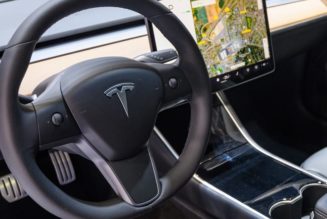
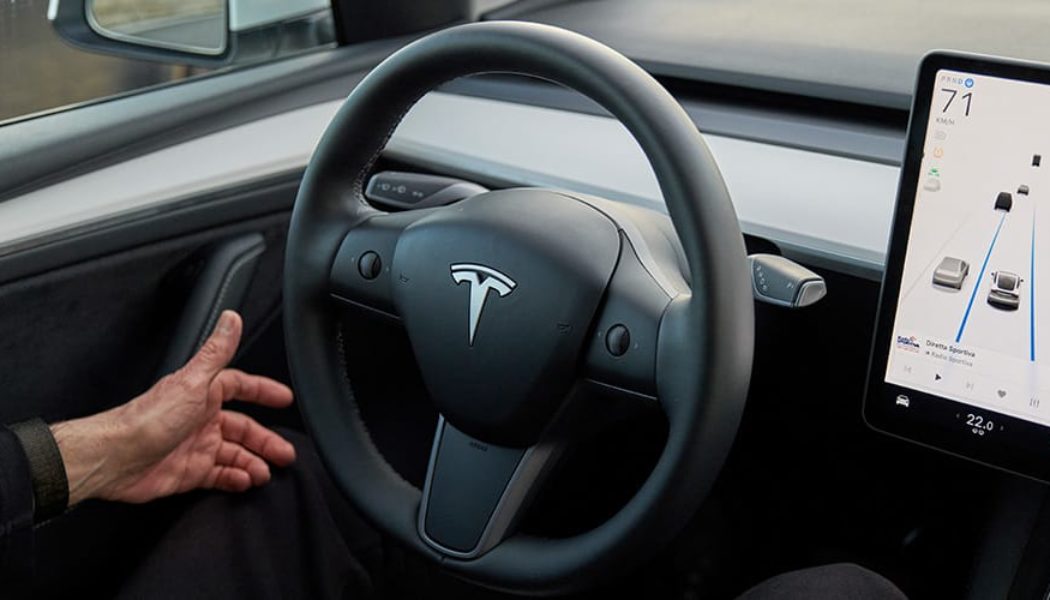
This development represents a major course correction from CEO Elon Musk‘s previous mandates. In 2024, the executive notoriously shelved plans for a $25,000 vehicle to redirect all focus toward the company’s dedicated Robotaxi program and the fully autonomous Cybercab. Now, internal strategy has seemingly adapted to regulatory reality. The new model is designed to bridge the gap, built to operate as a primarily driverless vehicle while crucially retaining a steering wheel and pedals. This dual-purpose approach ensures the car remains viable in global markets where self-driving legislation is still years away from approval.
The strategic pivot arrives at a critical juncture for the automaker. Tesla continues to face mounting pressure following a series of missed delivery expectations and sluggish sales growth across key international regions. While autonomous units gear up for mass production at the Texas gigafactory, the immediate need for a high-volume, budget-friendly consumer vehicle has never been clearer. Executives have yet to publicly confirm an official production timeline for the new SUV, and given the brand’s historic tendency for delays, buyers might be waiting a while before this cost-effective model hits the pavement.