
Summary
- Jordan Roth debuted a site-specific performance at the Venice Biennale with Performance Space New York
- Inspired by Irene di Spilimbergo, Roth fused painting, performance and photography into living collages
- Real-time images documented the transformation, extending Roth’s Narrative Fashion Performance practice
Jordan Roth has recently debuted a new performance work with Performance Space New York during the Venice Biennale at the Palazzo dei Fiori. The site-specific piece combined performance, photography, and painting, translating the process of collage into embodied action. Roth’s work explored themes of self-fashioning and transformation, situating himself within the frame as both subject and object. The evening was hosted by cultural figures, including Princess Alia Al-Senussi, Princess Marie Luise von Sachsen and Diana Campbell, underscoring the event’s significance.
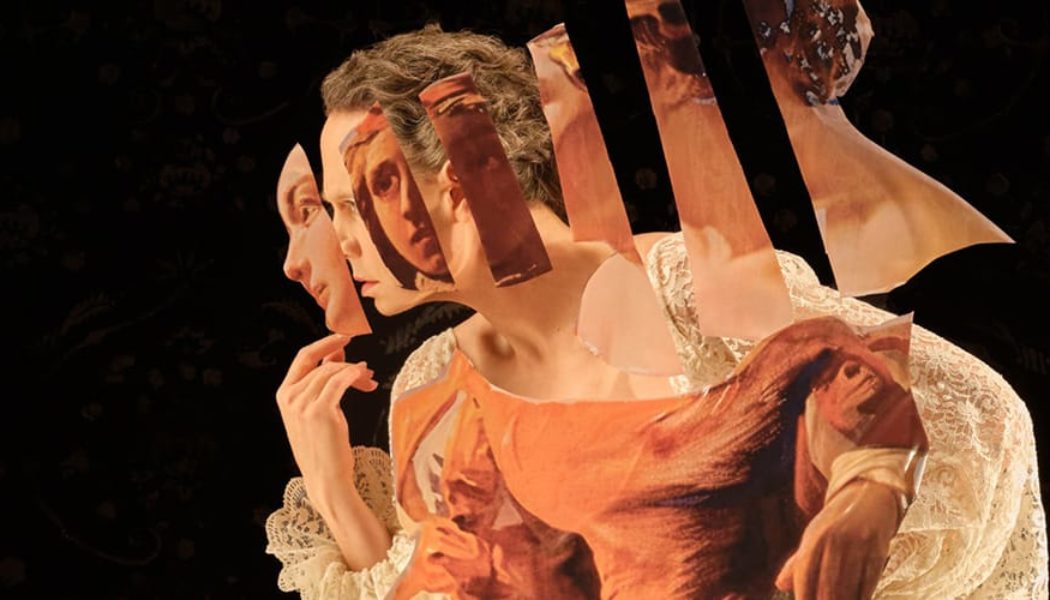
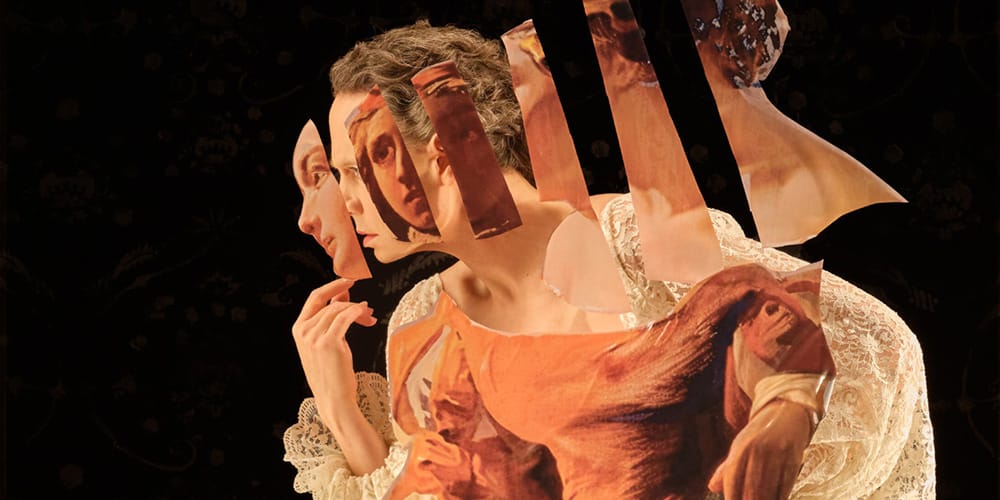
The performance drew inspiration from Irene di Spilimbergo, a Renaissance painter and musician believed to have lived at the palazzo. Her early death at 21 inspired a book of poetry that immortalized her beauty and artistry, transforming her into a muse for centuries of painters and sculptors. Roth used found paintings of di Spilimbergo, printed on vinyl, as his starting point.
Through deliberate gestures – scoring, fragmenting and reassembling the images – he created improvised collages that collapsed distinctions between muse and artist. Draping fragments onto his body, Roth fused himself with the paintings, embodying di Spilimbergo’s likeness while reframing her as a prism of contemporary identity.
Throughout the performance, an unmanned camera captured Roth within a gilt frame, generating real-time photographs displayed on adjacent monitors. These images transcended documentation, becoming artworks themselves — an archive of transformation that extended the performance beyond its immediate moment.