


It starts well. A founder is in season. Press coverage is generous. Investors return calls within hours. Boardroom conversations carry the warmth of momentum. Recognition has finally caught up with years of quiet building. Awards arrive. Panels invite. Partners want proximity.
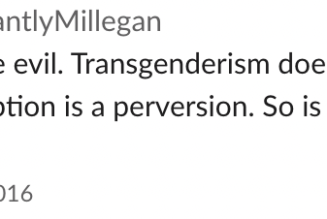
And then, sometimes without warning, the wind shifts. It might be economic chaos pulling revenue out from under projections. A personal choice an editor decides to amplify. A rivalry that finds an opening. A political association that ages badly.
An investor fallout that becomes public before it could be processed privately. Sometimes the founder is wrong. Often partially right. Occasionally simply unlucky. The market does not care for the distinction.
The cascade is familiar to anyone who has watched it unfold.
The calendar empties. WhatsApp groups go quiet. Calls returned within an hour now take three days, then a week, then nothing. The same people who toasted you last quarter struggle to find your eyes at the next industry event. Headlines that once celebrated your vision now interrogate your judgement.
The narrative thickens around the worst possible interpretation, and the founder discovers, often for the first time, that bad stories travel fast and good stories take ages.
The first instinct is almost always the wrong one. Silence. The hope that the storm will pass if you simply outlast it. Head in the sand, head down, push through. But silence in the digital age is not neutral. An unanswered question becomes a confirmed accusation. A refusal to engage is treated as an admission.
The story does not pause for your processing. It writes itself, and your absence becomes its main character. This is where the African Founders Operating System stops being theory and becomes triage.
Mindset is the first front. Do you internalise the attack or hold your knowing? Founders who collapse under reputational pressure have often, quietly, outsourced their self-concept to public perception. When the applause turned, the foundation went with it. Those who survive have done the harder interior work of separating identity from coverage long before the crisis arrived.
Emotionally, the load is brutal. Sleepless nights, intrusive replays of every misstep, the shame of being misread without the right of reply. Founders who name the strain early to a trusted few preserve bandwidth for clear decisions.
Socially, the terrain reveals itself. Hyenas move in from two directions. Competitors smell weakness and reposition. More painfully, some former allies quietly distance. Investors lengthen their decision timelines, hoping to wait you out. But also, sometimes unexpectedly, the real tribe surfaces.
People you barely knew show up with steadiness. People you thought were inner circle vanish. The crisis becomes an audit of relationships you did not know you needed.
Strategically, the question is timing and tone. Respond, stay silent, litigate, restructure, rebuild quietly. Each carries trade-offs. When the market discounts your value, conviction founders ask whether this is the moment to buy more stock in their own story rather than sell it down. Not through performance or denial, but through disciplined re-engagement with the work that matters.
Spiritually, the question is foundation. If your purpose was real, it survives the noise. If it was vanity dressed as mission, the noise reveals it.
Then there is the balance sheet no auditor will ever see. Social goodwill, banked quietly over years, becomes the only liquidity available in reputational drought. Founders who spent it carelessly in good seasons discover its absence quickly. Those who deposited consistently find unexpected reserves. But goodwill alone does not insulate. Marriages strain.
Board seats once affirming you may quietly not be renewed. Societal placement, the dinners, the invitations, the easy belonging, recalibrates without ceremony. The instinct is to grip tighter.
Why do politicians often survive these moments while founders rarely do? Politicians expect attack as terrain, not exception. They build constituencies of conviction, not transactions of convenience. They understand the half life of news cycles and convert scars into credentials. They tried to silence me becomes a campaign line.
Founders, by contrast, are trained in customer service posture. Apologise, fix, smooth over, move on. Useful in commerce, fatal in a reputation war. The founder who survives learns to think more like a statesman and less like a service provider, without losing the integrity that distinguishes the two.
In the age of AI and social media, the same instruments that wound can heal. Direct channels now allow founders to bypass intermediaries entirely. A clear written reflection, a long form interview, a podcast appearance, can reframe a narrative within weeks rather than years. The cost of voice has collapsed.
And there is a final, uncomfortable truth. Bad news sells, but authentic recovery sells longer. The founder who walks through the fire honestly, names what was theirs to own, refuses what was not, and rebuilds visibly, often emerges with more credibility than before the rupture. Not because the world is generous, but because honesty is rare.
Perhaps this is part of the drill. Every meaningful builder eventually meets a season where the story turns. The question is not whether it will come. The question is who you become while it is happening, and what you choose to build with the version of yourself that walks out the other side. Sometimes the reputation that breaks is the one that needed to.
Michael Anthony Macharia is a serial entrepreneur, founder of Seven Seas Technologies and Ponea Health