
But you’ll only be able to get it in a special-edition bundle.
But you’ll only be able to get it in a special-edition bundle.

If you asked me what I’d change about the Xbox Ally X handheld — aside from fixing Windows, I mean — I’d tell you two key things.
First, give me a bigger, better screen. Even a little bit bigger, so games feel less claustrophobic and with less ugly bezel. Second, get rid of the “Library” button. I am so tired of an accidental press booting me out of my game and into the Xbox library without a simple way to get back.
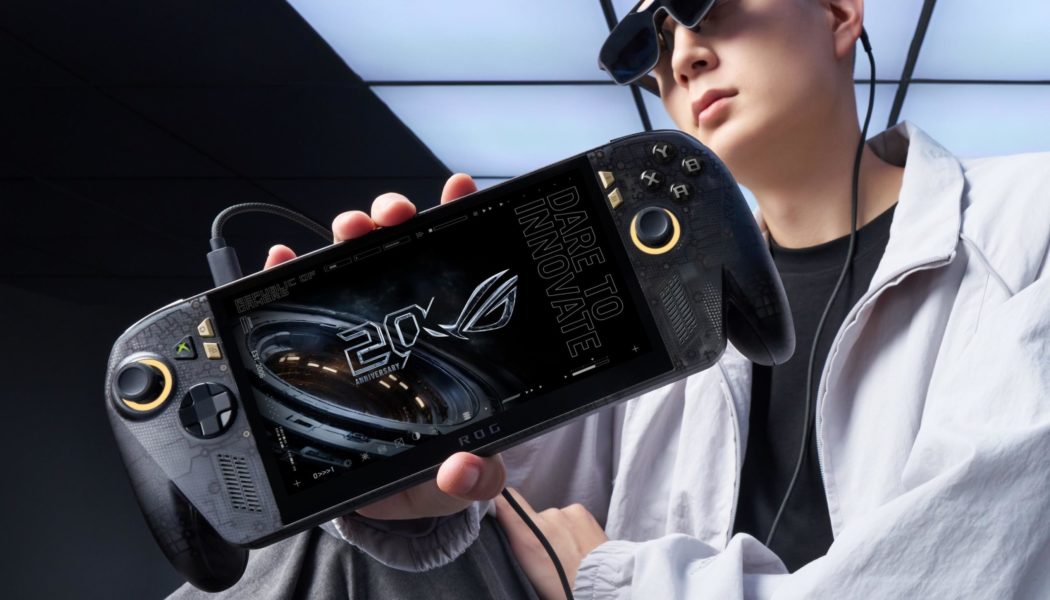
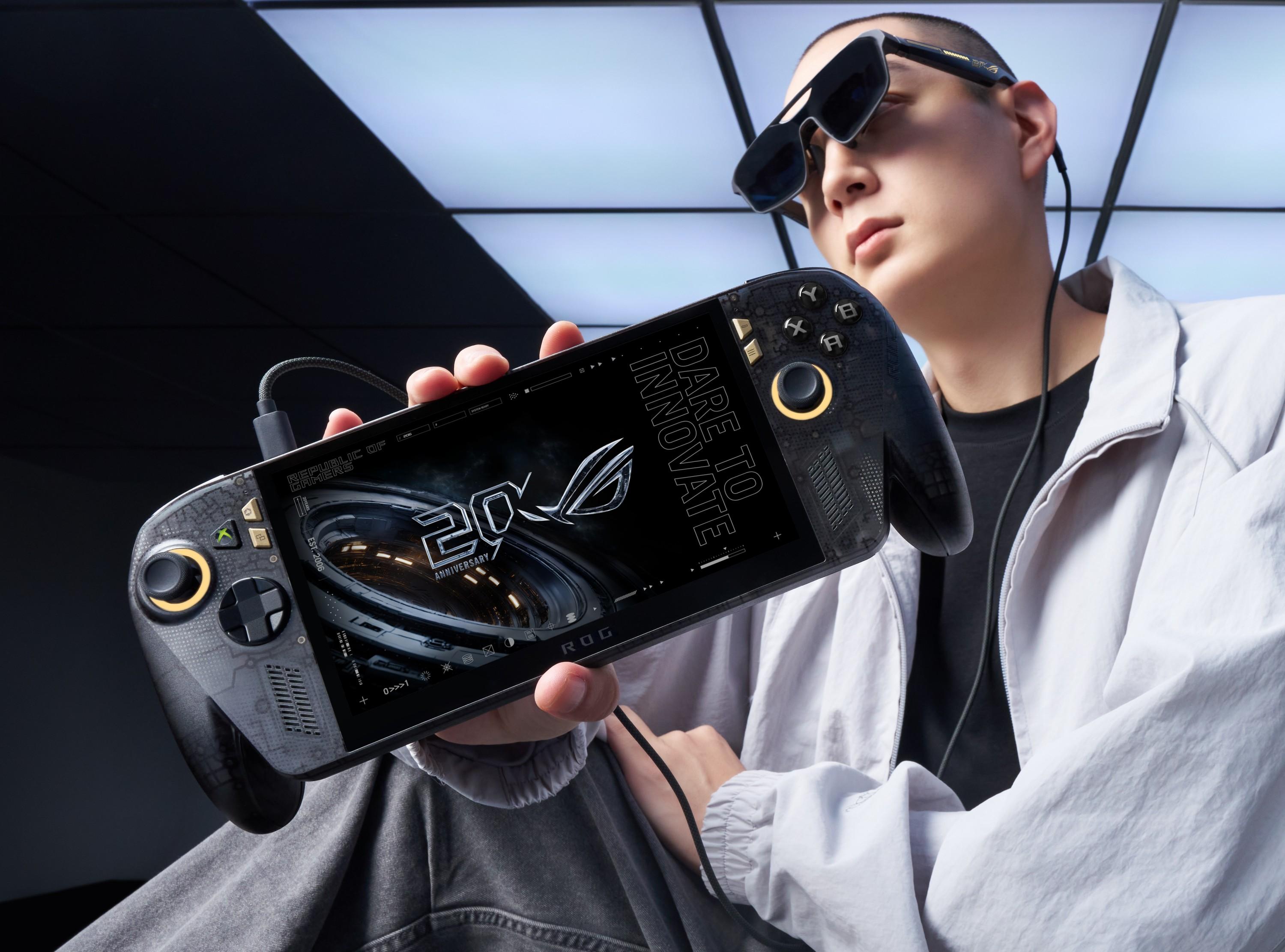
With the just-announced ROG Xbox Ally X20, Asus did both — and then some. It’s now a slick translucent handheld with drift-resistant GuliKit TMR joysticks, a transforming D-pad that goes from 8-way to 4-way by dropping its corners when you rotate it, button tweaks, haptic feedback tweaks, fan tweaks… and what could now be the best screen on a handheld yet.
Not only does the Xbox Ally X20 upgrade from an 7-inch IPS display to a 7.4-inch 120Hz OLED at the same performance-friendly 1080p resolution, the screen sounds fantastic. It’s a 600-nit panel in SDR with HDR peaks of 1400 nits, even higher than the Lenovo Legion Go 2, though both are certified VESA DisplayHDR TrueBlack 1000. And, it supports Dolby Vision.
Like the Legion Go 2, it’s also got an improved variable refresh rate (VRR) that goes down to 30Hz instead of the 48Hz on the original Ally, which could make games feel smoother when the AMD Z2 Extreme chip can’t quite make a game hit 48fps to begin with. It’s the same chips here as in the original Xbox Ally X, by the way: AMD Z2 Extreme, with 24GB of 8000MT/sec RAM and 1TB of storage.
The handheld is slightly bigger to help accommodate the changes: 9mm wider, half a millimeter thicker, and 41 grams heavier.
Not only is that “Library” button gone, it’s been replaced with a new “Action” button that sounds genuinely useful: It’ll take a screenshot with a single press or a recording with a long press, like today’s console controllers typically do.
The ABXY buttons now sit flush against the casing when you press them down, the bumper switches are relocated and have a longer, quieter throw for better feedback, and the fans have been slightly redesigned to channel more fresh air through the chassis for lower touchscreen temps, Asus spokesperson Anthony Spence tells me.
Plus, the Xbox button now lights up green, which just sounds cool — and it has a far faster microSD Express card slot, like the Nintendo Switch 2.
What’s not so cool, and frankly doesn’t make a lot of sense to me, is that Asus won’t let you buy it alone. This holiday, it’ll exclusively come as part of a bundle with a pair of Asus and Xreal’s pricey R1 glasses, which (at $849) cost almost as much as a $1,000 Xbox Ally X all by themselves.
Asus isn’t pricing the bundle yet, but I suspect the bundle is more to help cushion the high price of the handheld — at a time every other handheld is getting pricier — rather than to help sell glasses at a discount.
I actually think a set of Xreal glasses are a good way to improve on smaller, more claustrophobic handheld screens, but if I’m buying a new Ally to get a better screen, do I really need the glasses too?
I guess I’ll dream on. For what it’s worth, Spence says he still hasn’t heard of any plans to increase the price of the original Xbox Ally X. It’s still at $1,000 for now. I’ve asked whether Asus will offer a way to remap the original handheld’s Library button, too.