
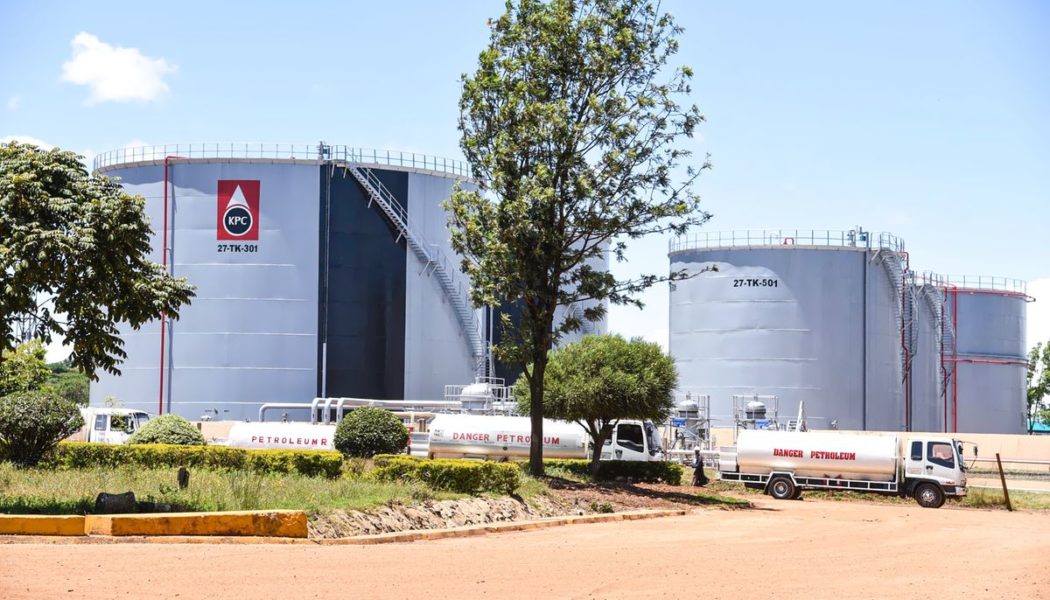
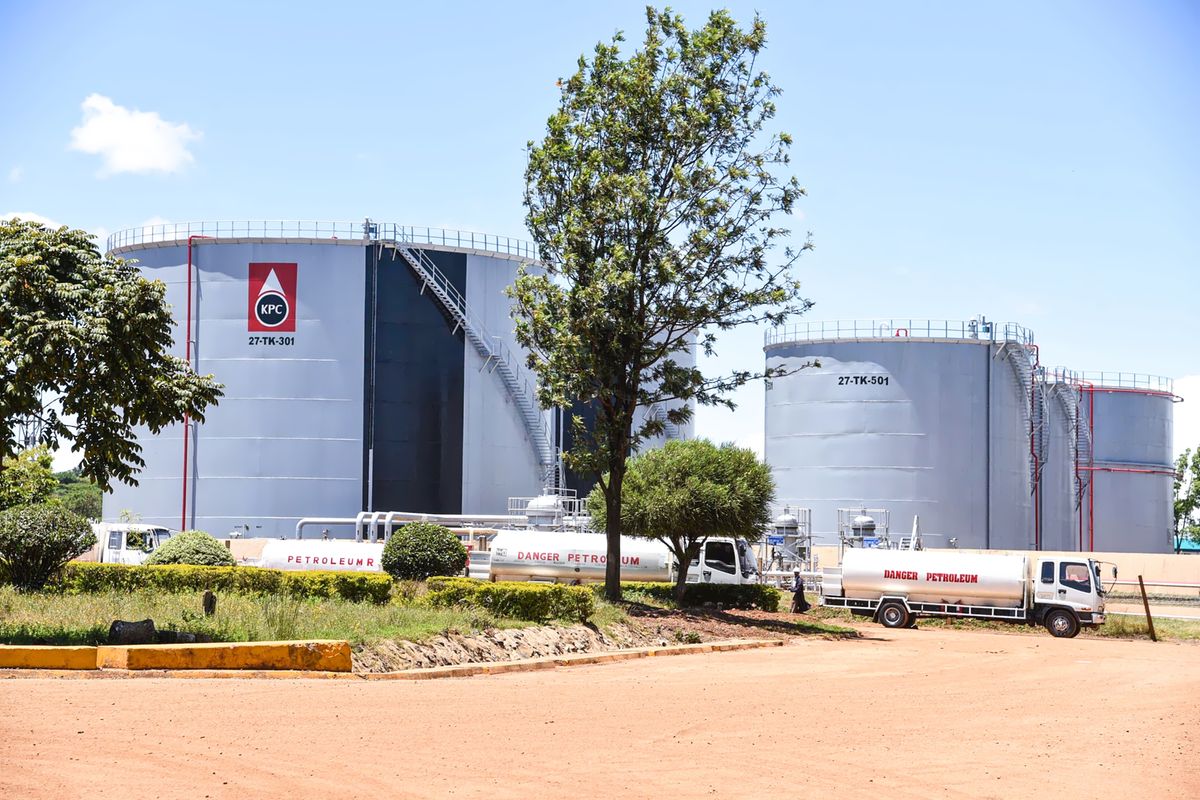
About 90 percent of the top owners of Kenya Pipeline Company (KPC) Plc bought their shares through proxies during the firm’s initial public offering (IPO), keeping the identity of the investors anonymous.
Regulatory filings show that 18 of the top 20 shareholders of KPC are under nominee accounts after demand from Kenyan institutional investors and the Ugandan government helped the IPO become oversubscribed.
Of the top KPC shareholders, only the Uganda National Oil Company (UNOC) and Kenya’s Unclaimed Financial Assets Authority (UFAA) are revealed as beneficial owners with 31 percent and 4.7 percent stakes, respectively.
Nominee accounts are registered to hold shares on behalf of the true owners, a structure used globally and at firms listed at the Nairobi Securities Exchange (NSE) to conceal the identity of beneficial owners.
The top 20 shareholders held a 94.27 percent stake in KPC, with nominee accounts of the core owners having a combined 58.5 percent stake.
The heavy share of proxy accounts in KPC’s top shareholder register contrasts sharply with the ownership structure that emerged after IPOs through privatisation.
Safaricom Plc listed only two nominee accounts among its top 10 shareholders in the year ending March 31, 2009, or months following the 2008 offering of the telecoms firm.
KenGen, which had an IPO in 2005, revealed four nominee accounts among its top 10 shareholders.
KPC raised Sh106.3 billion, which the government had targeted in its first major deal in nearly 20 years.
The IPO got a subscription rate of 105.7 percent despite earlier concerns over lower valuations from some banks, an extended offer period and reports of investor apathy.
Uganda, a landlocked neighbour that uses the pipeline to move its petroleum products, secured a 20.15 percent stake in the company during the IPO, earning it two board seats and veto over the hiring and firing of the KPC chief executive.
The shares, which were sold at Sh9 each during the IPO, started trading on the Nairobi bourse on March 9 and closed at Sh9.14 on Friday.
The value of shares held in the company by UNOC as of April 30, 2026 was Sh33.8 billion based on the company’s prevailing share price of Sh9.24.
The next three top shareholders are all nominee accounts held in banks, including the KCB Group, Standard Chartered, Stanbic and Co-operative Bank.
State agency UFAA is listed as the fifth-largest shareholder of KPC with a stake of 4.7 percent in the company or 555.5 million shares worth Sh5.1 billion.
Combined, 18 nominee accounts that make up KPC’s top 20 overall shareholders held 6.91 billion shares, which were valued at Sh63.9 billion as of April 30.
Investors use nominee accounts to streamline the administration of their portfolios, secure privacy, and facilitate easier cross-border investing.
A stockbroker records all beneficial owners and trades according to an investor’s directions and passes cash from sales or dividends to the investor.
The top 10 local individual investors in KPC included Moses Kariuki Miano with 4.6 million shares, Uganda’s Lalani Sikander with four million shares and Peter Maina Kahuthia with 2.8 million shares.
Former KPC managing director Joe Sang bought 1.66 million shares in the company, which were valued at Sh15.3 million as of April 30.
Mr Sang is among the senior executives in Kenya’s energy sector who resigned on April 9 following accusations of manipulating fuel stock data and procuring an emergency cargo at inflated prices.
The executives included Mohamed Liban, the principal secretary for petroleum, and the Energy and Petroleum Regulatory Authority’s director-general, Daniel Kiptoo Bargoria.
At KPC, Hirandera Purshottam Dhutia was the single-largest identified foreign investor with 300,000 shares.
The government remains the single-largest shareholder in KPC, having retained a 35 percent stake in the mid-stream oil and gas company, ahead of Uganda, which has a 20.1 percent stake.
Foreigners, local retail investors and oil marketing companies (OMCs) shied away from the oversubscribed IPO, which was anchored by Uganda and local institutional investors.
Local retail investors bought shares worth Sh4.1 billion against their allocation of Sh21.2 billion units while foreigners spent a measly Sh34.8 million compared to their target of Sh21.2 billion.
Oil marketers took shares worth Sh23.1 million or 0.14 percent of the Sh15.9 billion stocks allocated to the dealers who rely on the pipeline to feed the market.
The concentration of local institutional investors and Uganda implied that the IPO was seen as a long-term strategic investment.
“The participation by institutional investors is an endorsement of the offer. These are long-term investors, which means that they buy and hold the stock over a long period,” said Kenne Belgrade, then team lead at Faida Investment Bank, which served as the IPO’s main transaction advisor.
In exchange for its significant IPO anchoring, Uganda received key powers, including a veto to hire and fire KPC’s chief executive officer.
Uganda also secured further concessions in the operations of the company, including the approval of tariff increases, dividend policy, employee restructuring and rights issues.
Under the revised articles, Kenya gave Uganda concessions, including two board seats in the firm, after the neighbouring country threatened to walk away from the IPO because of a lack of authority in the running of the firm.
While on the board, Uganda will have to approve the hiring and firing of the CEO, KPC fuel transport tariffs, part of the board changes and changes to the firm’s dividend policy.
KPC’s board put out an advertisement seeking to recruit a new managing director last month.
This triggered cracks in KPC’s boardroom over whether the firm should have initiated the recruitment of a new managing director without a fully reconstituted board that includes Uganda’s representatives.