

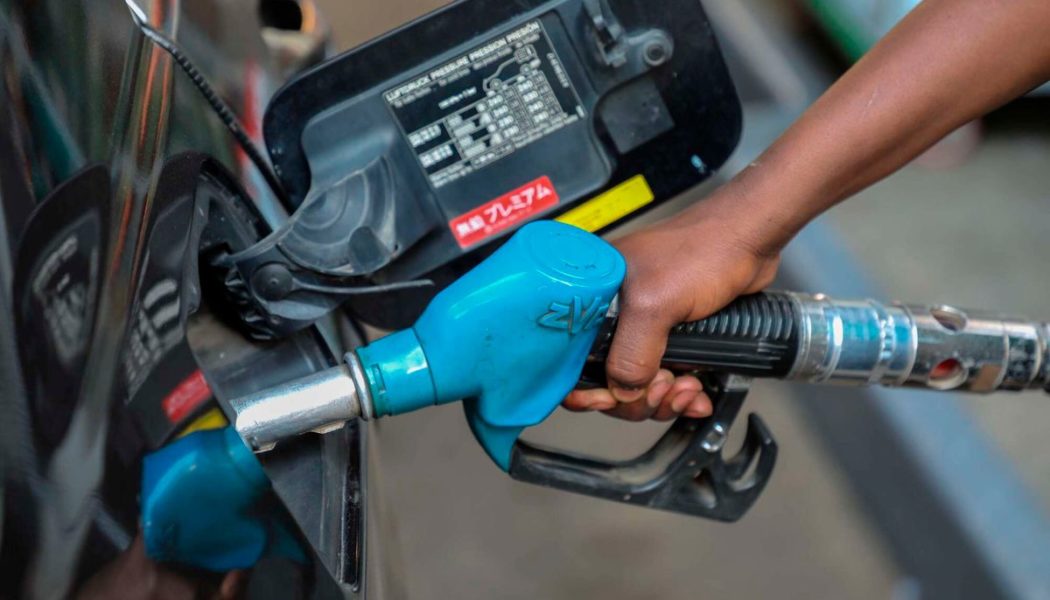
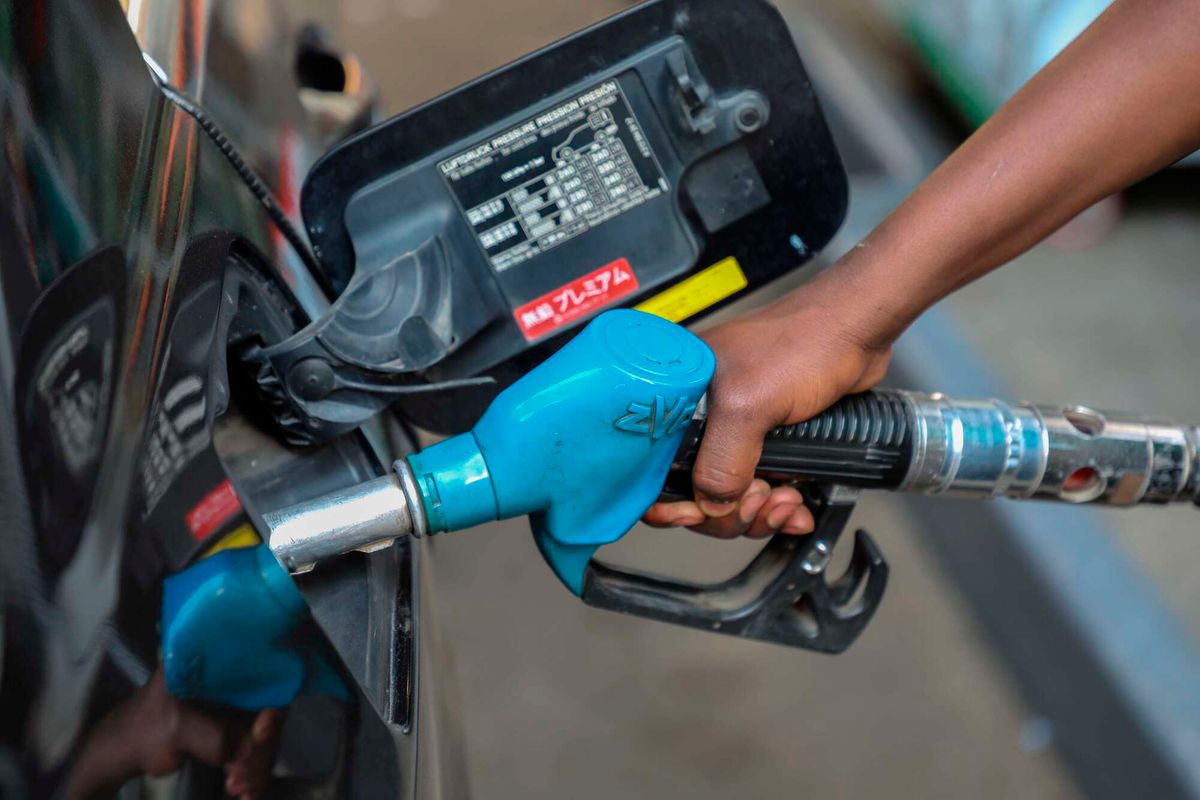
Consumers will miss out on the benefits of the fall in global fuel costs during the June 15 review of diesel, petrol and kerosene pricing after Kenya revised the formula for calculating imported petroleum.
Imported cargo shipped in the country between May 10 and May 31 will be based on the average global prices of diesel, petrol and kerosene in April, the new formula indicates.
Shipments that arrive between June 1 and June 9 will be based on the average prices for May.
Under the old formula, shipments that arrived between May 1 and May 14 would have used the average April prices and May prices for cargo brought between May 15 and 31.
The review of formula indicates that consumers will not enjoy fully the drop in the cost of refined fuel in May, notably in the second half of the month.
This signals that the government will have to deploy a larger subsidy to meet President William Ruto’s promise of cutting the cost of diesel by Sh10 per litre in the June-July pricing cycle to provide additional relief to consumers.
Global diesel prices fell to $1,132.04 (Sh146,576.53) per tonne in May from $1,409.28 (Sh182,473.57) in April, according to Platts—a global provider of energy and commodities information and benchmark prices.
Jet fuel dipped 23.4 percent to $1,167.92 (Sh151,222.28) per tonne from $1,526.69 (Sh197,675.82) in the same period.
Industry executives reckon that consumers will miss out on last month’s drop in the global prices in the hope of a deal between the US and Iran.
Oil prices recorded their biggest monthly fall since 2020 in May on hopes that a deal between the US and Iran will lead to the reopening of the crucial Strait of Hormuz.
The price of the international oil benchmark Brent crude fell almost 20 percent in May, declining steadily in the second half of the month as signs emerged that the two sides could be close to a deal.
“Had they used the May Platts, prices should have come down in the June 15 review, even without the subsidy. But now this [drop in prices] won’t happen due to the change in the months used to price fuel cargoes,” said an oil executive who sought anonymity.
Two cargoes of diesel and one of jet fuel were imported May 16 and May 30, with industry simulations showing that importers will pocket Sh6.079 billion on diesel and Sh3.702 billion on dual-purpose kerosene.
The energy regulator says that the changes are critical and will align the local pricing of fuel with the prevailing global trends, ensuring that consumers are not denied the benefits of a drop in global fuel prices in the long run.
“Government wanted to achieve consistency and greater transparency in pricing. Two instances, one in 2023 and the other in the recent past where pricing may have been switched between the two halves to the detriment of the consumer forced the government to act,” Joseph Oketch, the acting director-general of the Energy and Petroleum Regulatory (Epra), said.
Documents seen by this publication show that 176 oil marketers attended the meeting where the Ministry of Energy and Petroleum announced the changes.
“The parties have agreed to amend Clauses 10.1.1.1 and 10.1.1.2 of the Agreement, regarding the pricing mechanism for delivered cargoes,” a document from the Ministry of Energy and Petroleum shows.
“For cargoes whose first day of delivery date range is between 1st to the last day of the month, the applicable month of pricing shall be the immediate month prior to the month of delivery, i.e., the average of the published quotation during the month (M-1).”
Public transporters staged a two-day strike last month against the rise in fuel prices in the wake of the Iran war.
That brought economic activity in Nairobi to a standstill and degenerated into clashes between protesters and police that left four people dead and about 30 injured.
The government, which each month sets a maximum fuel retail price that marketing companies can charge customers, last month hiked diesel price by 23.5 percent to Sh242.92 a litre for the May-June pricing cycle, but reduced it by Sh10 on May 18 in response to the strike.
President Ruto said his government had spent at least Sh28.1 billion to reduce fuel prices between April and June, straining public finances.
Kenya’s inflation accelerated for the second month running in May, hitting its highest in more than two years, largely due to fuel price hikes linked to the Iran war, hurting workers’ disposable income.
Inflation surged to 6.7 percent in May from 5.6 percent in April, the Kenya National Bureau of Statistics (KNBS) said in a report, with the rate being the highest since January 2024, when it stood at 6.9 percent.
The jump in inflation will hit workers hard amid reports that the cost-of-living measure has wiped out the marginal pay rises employers have offered staff in the past five years.
Inflation is now near the top of the government’s preferred 2.5 percent and 7.5 percent range.
The spike in energy costs is expected to reduce the Central Bank of Kenya’s room for further cuts on the benchmark rate, a prospect that will freeze the drop in lending rates.
The central bank is due to announce its next interest rate decision on June 9, after leaving its key rate unchanged at its last meeting in April.