
When Joshua Oigara took over as chief executive of KCB Group in 2012, he spent considerable time trying to emerge from the shadow cast by his predecessor, Martin Oduor-Otieno.
More than a decade later, that shadow remains firmly in place.
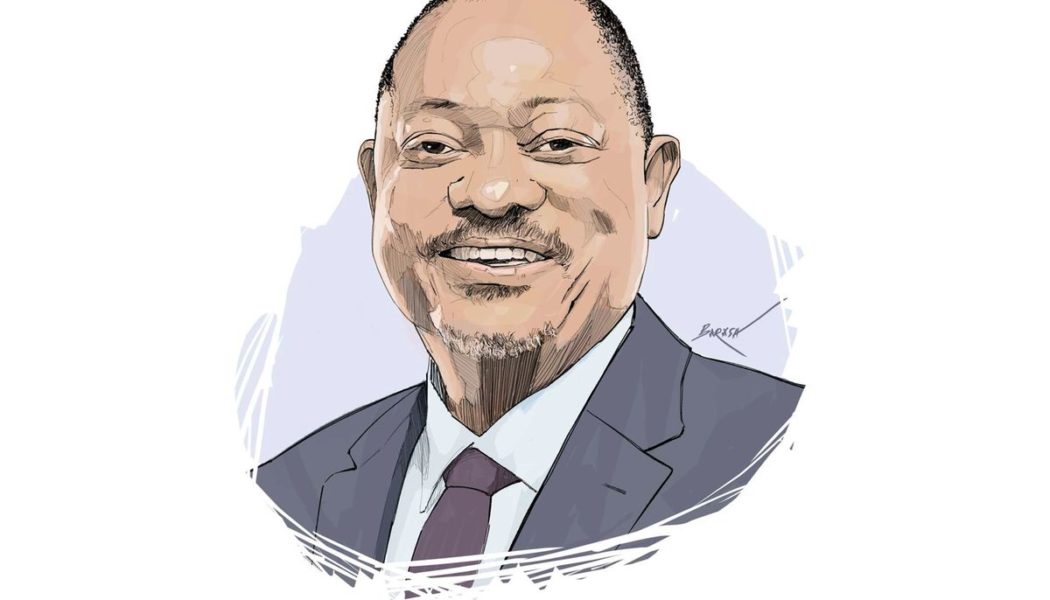
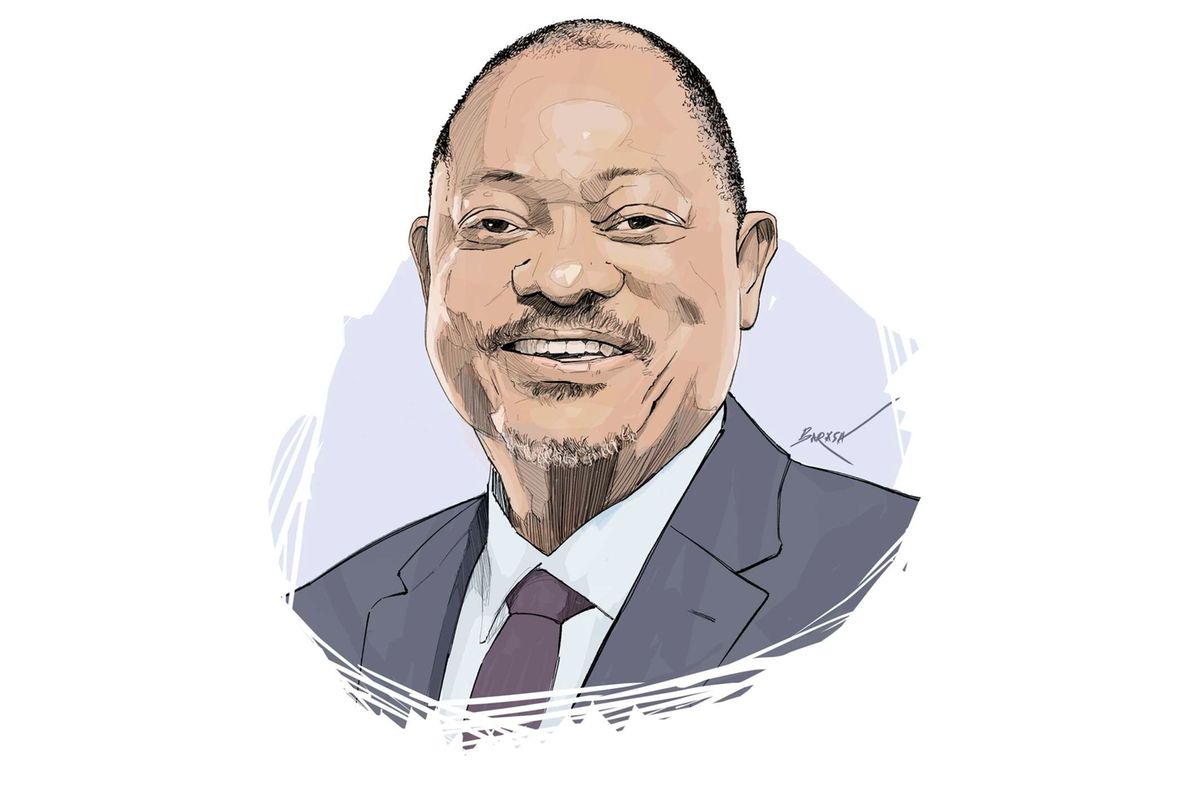
Mr Oduor-Otieno, who was recently appointed chairman of Sanlam-Allianz Insurance Kenya, has joined a select club of corporate leaders who have chaired more than one listed company at once, cementing his position as one of Kenya’s most influential boardroom figures. He also chairs the board of the East African Breweries Limited (EABL).
Today, however, his reputation extends beyond the institutions he once led. In corporate circles, Mr Oduor-Otieno is increasingly regarded as the “coach of CEOs” — a trusted adviser to chief executives, boards and senior managers navigating leadership challenges in a rapidly changing business environment.
The distinction reflects a career that has spanned banking, public service, corporate governance and executive coaching, earning him a reputation as one of the country’s most respected leadership voices.
His standing was built largely during his tenure at KCB, where he served as chief executive from 2005 to 2012.
At the time, the lender still carried many of the bureaucratic characteristics associated with State-controlled institutions. Kenya was emerging from years of economic stagnation and a banking sector that was still finding its footing after the reforms that followed the end of President Daniel arap Moi’s administration.
Invigorated by the reformist energy that followed the election of President Mwai Kibaki and the Narc government, Mr Oduor-Otieno embarked on an ambitious transformation programme that turned KCB from a lumbering State-controlled bank into one of East Africa’s most profitable financial institutions.
By the time he left, KCB had entrenched itself as the region’s largest bank by assets and one of the Nairobi Securities Exchange’s most valuable firms.
It was not the first time he had been called upon to help transform a struggling institution.
Before joining KCB, Mr Oduor-Otieno was among a generation of technocrats tapped by former President Moi to help steer key economic institutions at a time when Kenya was battling high inflation, weak growth and strained relations with international donors.
The government was under pressure to restore confidence in the economy and improve the performance of public institutions that had long been criticised for inefficiency.
Those who worked with him say his ability to drive change while maintaining consensus among stakeholders quickly distinguished him from many of his peers.
Ironically, one of the leadership lessons he now teaches is the importance of knowing when to leave.
In a 2025 interview, he argued that chief executives should avoid overstaying in office because organisations can become excessively dependent on one individual.
“There is the risk of overstaying, where the person and institution become one thing and people over depend on you, such that when you exit they may not necessarily know how to move,” he said.
He cites the experience of legendary Manchester United manager Sir Alex Ferguson, arguing that long-serving leaders sometimes leave institutions struggling to adapt after their departure.
“Anything between six and ten years is good. Beyond ten years is stretching it because you run the risk of running short on ideas.”
For Mr Oduor-Otieno, the transition from executive leadership to coaching was deliberate.
After leaving KCB, he founded Leadership Group Limited, a consultancy focused on governance, leadership development and executive coaching.
Over time, the firm has become a destination for executives seeking guidance on leadership, stakeholder management and organisational transformation.
He says one of the biggest lessons he learnt during his own career was that competence alone is not enough.
“In coaching, one of the things that has come up is that one needs to understand their stakeholders quite well,” he said.
“Your good work alone or your competencies alone may not necessarily yield the kind of results that you’re looking for.”
That philosophy has made him a sought-after figure in corporate Kenya.
Besides chairing East African Breweries Plc and Sanlam-Allianz Insurance Kenya, he also serves as a non-executive director of BAT Kenya Plc and AfricaNenda Foundation.
Away from the boardroom, Mr Oduor-Otieno remains deeply influenced by the values instilled by his late father, a primary school teacher.
His father, who died in 2004, taught him discipline, ethics, faith and hard work.
“He was a very staunch Catholic, and that has informed my upbringing and even today I remain quite close to the church and so do my children,” he once said.
Born and raised in a modest household, he watched his father overcome adversity after losing his own parents at a young age.
Those experiences shaped his views on resilience, responsibility and leadership.
Now in his sixties, Mr Oduor-Otieno speaks frequently about family, faith and personal balance.
He has been married for more than four decades and is a father and grandfather.
Despite occupying some of Kenya’s most powerful corporate positions, he remains an introvert by his own admission.
He says he deliberately avoids carrying work into his private life and prefers spending weekends with family or travelling.
Indeed, attempts by Business Daily to reach him on Sunday for this article proved futile. Repeated phone calls went unanswered while WhatsApp messages remained unread — behaviour entirely consistent with his long-held rule that weekends are reserved for rest and family.
“When I’m on holiday or over weekends, I’ve tried not to carry work home and therefore my weekend is for family and travelling,” he once explained.
That discipline may partly explain his longevity.
While many executives struggle to reinvent themselves after leaving corner offices, Mr Oduor-Otieno has successfully transitioned from chief executive to mentor, from banker to boardroom leader.
Today, as he takes up yet another major chairmanship, his influence on corporate Kenya appears stronger than ever.
The man who once transformed KCB is now shaping the leaders who run Kenya’s biggest companies.