

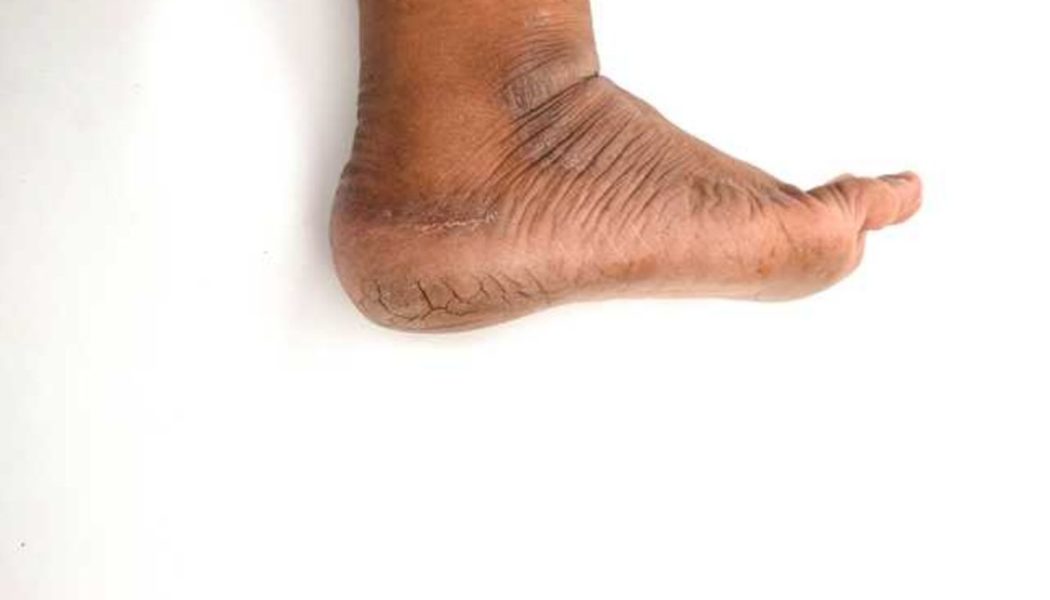
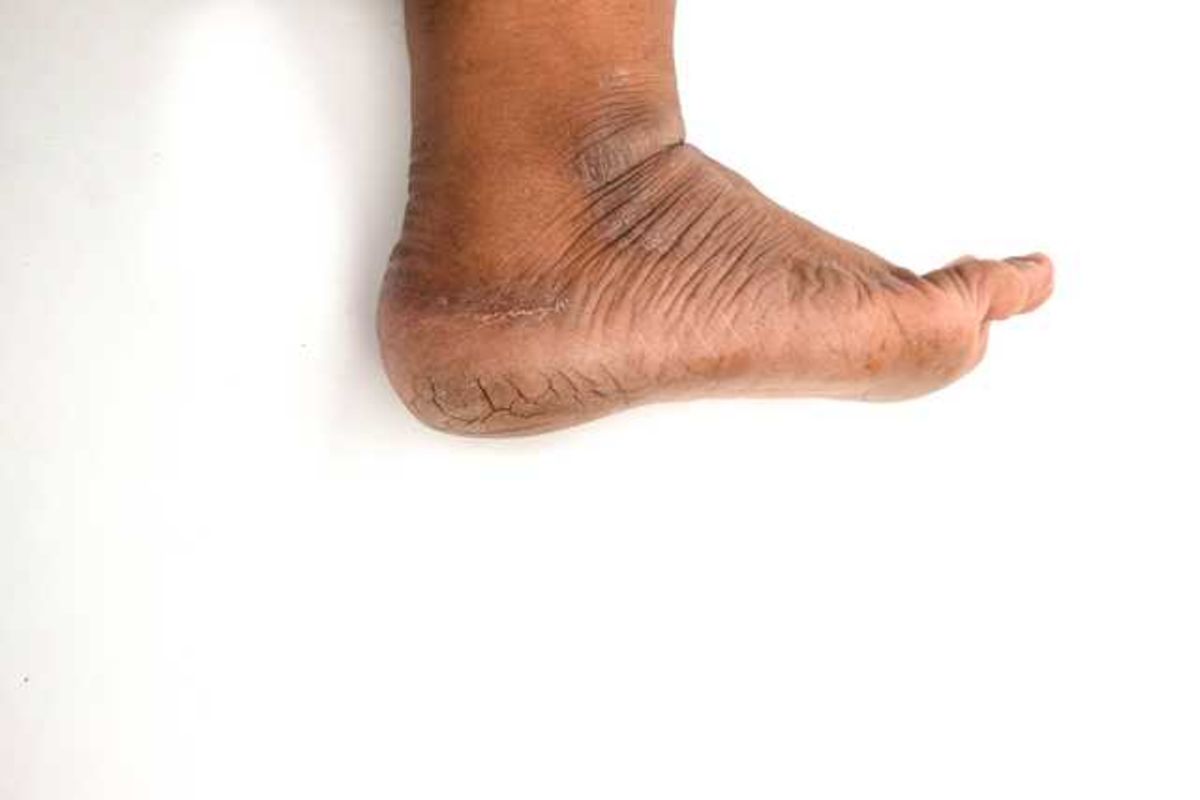
“Your feet can tear the bedsheets,” one woman shared in a Facebook post, a remark she says left her feeling hurt and embarrassed. Determined to do something about it, she set out on a mission to find a remedy.
While the comment may have been harsh, the problem itself is far from uncommon. A quick search on social media platforms reveals numerous stories of embarrassment, frustration, and self-consciousness.
Some users recount being told that they could hide five-shilling coins in the cracks on their heels, while others remember being used as a demonstration of what a reptile’s skin looks like. Some even admit to avoiding open shoes altogether for fear of drawing attention to their feet.
The common causes
According to Dr Sally Kariuki, a podiatrist at Advanced Podiatry in Nairobi, cracked heels are more than just a cosmetic concern. In some cases, the skin can split deeply enough to cause pain, bleeding, and even infection. So, what causes feet to crack in the first place, and what can be done to treat or prevent them?
“Dry skin is one of the most common causes of cracked feet,” says the foot doctor. And while for some people it is simply a natural skin type, for others, it can be aggravated by factors such as going barefoot, prolonged exposure to the elements, and failing to moisturise regularly.
Certain medical conditions can also dry out the skin, making the feet more prone to cracking.
“These include skin conditions such as eczema and psoriasis,” Dr Sally says. “We also see conditions such as diabetes and thyroid disorders, as well as fungal infections such as Athlete’s foot.”
Beyond dry skin, the amount of pressure placed on the foot also plays a role in the development of cracked heels. According to Dr Sally, heavy heel strikes – whether due to body weight, walking pattern, or lack of cushioning in footwear– place extra pressure on the skin around the heel, causing it to stretch. This increases the risk of cracks developing over time, more so if the skin is already dry.
Why heels crack
But more than any other part of the foot, why is the heel especially prone to cracking?
“It is a high-pressure area,” Dr Sally explains. “The heel carries a lot of our weight so that every time we walk, stand, or run, we feel the pressure there, which is why it is more likely to develop cracks.”
Emphasising that heel fissures can be more than just an aesthetic concern, Dr Sally cautions against ignoring them, especially when they become painful.
“If you are feeling pain as you walk, you should seek medical advice,” she advises. “The stakes are even higher in cases where the cracks deepen and begin to bleed, as this creates an entry point for bacteria. And because the heel is an area with a lot of fat, once an infection develops, it can spread into the deeper tissues of the foot.”
She continues, “If you have underlying conditions such as poor circulation, rheumatoid disorders, or diabetes, these wounds tend to heal more slowly, and if left untreated for long, they can get so bad that an individual ends up hospitalised or, in extreme cases, with an amputation.”
The good news
The good news is that cracked heels are often treatable.
“If the cause is dry skin, the solution is to restore moisture to the skin,” Dr Sally says.
“There are many products that can help with this, but the most well-researched and effective ones are urea-based foot creams. And these come in different concentrations, with higher percentages typically reserved for severely damaged skin. However, you need to seek professional advice before buying and using products with a high urea concentration, because they can adversely affect you, depending on your skin type.”
She adds that the application also matters. If the fissures are bleeding, raw, or very deep, the priority should be treating the wound first before applying moisturising creams.
To prevent the fissures from happening in the first place, Dr Sally recommends washing and moisturising the feet on a daily basis. This includes using exfoliating tools like pumice stones and heel files. She also advocates for wearing padded shoes, getting treatment for underlying medical conditions, and eating well.
“Sometimes the lack of minerals is what predisposes you to getting cracks in your feet, so just take care of your overall health and wellbeing,” she says.
Foot health
For those who work out in the fields, Dr Sally says wearing gumboots with long socks is better than going barefoot, although that is still not the most suitable option.
“Gumboots are neither cushioned nor breathable,” she explains. “They can encourage fungal infections, which may worsen the cracks. My recommendation is to try to get hiking boots, preferably waterproof ones if the environment is damp.”
Ultimately, she says, foot health deserves more attention than it usually gets. “Even those monthly or weekly pedicures people get help a lot,” she says. “Because with cracked feet, what may start as a small issue can escalate into something that interferes with normal activity like going to work. We’ve seen it happen a lot, and it keeps happening. Why wait to be next?”