
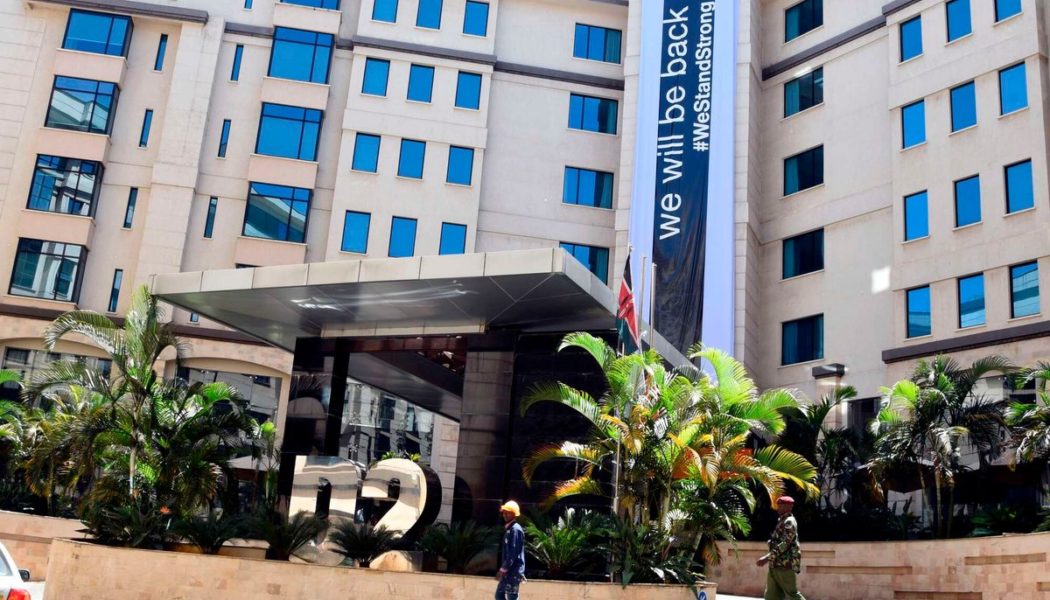
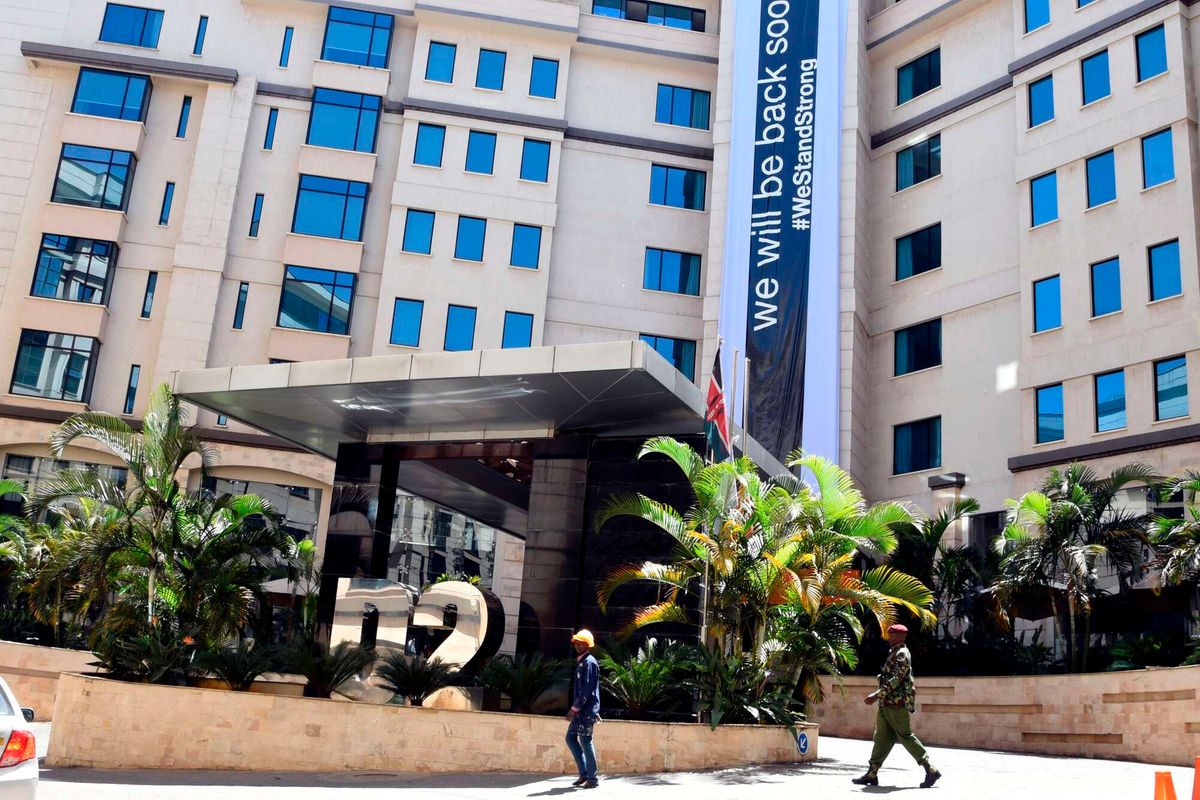
A creditor seeking to auction the 14 Riverside complex in Nairobi’s Westlands has claimed that repeated court injunctions have delayed the sale for years, increasing the debt by about Sh150 million in interest every month.
Synergy Industrial Credit Ltd argued that any further delay in disposing of the prime property would only worsen the situation, insisting that the substantive dispute has long been settled by the courts.
“Every month that passes, interest grows by about Sh150 million. This litigation must come to an end,” Synergy stated.
The dispute stems from Synergy Industrial Credit’s attempt to enforce an arbitral award that has grown from Sh1.66 billion to about Sh10.7 billion after years of accumulated interest.
The latest dispute arises from a High Court order issued on Saturday May 23, stopping the auction just days before the scheduled May 26 sale.
The High Court extended the order stopping the auction pending a ruling on October 8.
Synergy has questioned the legality of the weekend proceedings, arguing that the injunction was issued without allowing it to be heard.
“There is no evidence that the court sought authorisation from the Chief Justice to hear the matter on a weekend,” Senior Counsel Ahmednasir Abdullahi appearing for Synergy, argued .
Mr Abdullahi argued that the interim orders had already served their purpose because the auction did not proceed on May 26 and should therefore be vacated.
He also opposed an application by Senior Counsel Paul Muite, appearing for Cape Holdings Ltd, to strike out portions of Synergy’s pleadings alleging that Cape Holdings’ lawyers coordinated with the court to secure the weekend orders.
“We have no apologies for stating the obvious. The court stopped the auction without affording my client a hearing. Why could the matter not wait until Monday when the auction was scheduled for Tuesday?” Mr Ahmednasir asked.
Cape Holdings, however, defended both the Saturday sitting and the injunction.
Mr Muite argued that judges retain the jurisdiction regardless of the day of the week and may hear urgent applications outside normal working hours where necessary. “A judge is a judge 24 hours a day,” he said.
Mr Muite argued that the auction was properly halted because it violated mandatory provisions of the Civil Procedure Rules and the Auctioneers Rules.
The dispute dates back to a 2011 agreement under which Cape Holdings agreed to sell office space in the 14 Riverside development to Synergy for Sh703.2 million.
After the deal collapsed, an arbitrator awarded Synergy Sh1.66 billion in 2015, comprising the purchase price, interest and other losses.
Although the High Court initially set aside the award, the decision was overturned on appeal, paving the way for years of enforcement proceedings.
According to him, the auctioneers sought to rely on stale execution documents instead of commencing fresh execution proceedings following recent court decisions. He said they used a notification of sale first issued in January 2022 and merely re-dated it to create the appearance of compliance.
He further argued that the auctioneers failed to issue a fresh notification of sale in the prescribed format and omitted mandatory information, including the property’s value.
Supporting that position, senior counsel Kioko Kilukumi submitted that any auction conducted in breach of mandatory procedures would be legally void.
“A sale conducted in violation of mandatory procedures is void. We are dealing with immovable property. Damages cannot adequately compensate the loss,” he said.
Mr Kilukumi told the court that the issues before the High Court differ from those pending before the Court of Appeal. While the appellate court is dealing with earlier decisions authorising execution, he said, the High Court must determine whether the proposed auction complies with the Civil Procedure Rules and the Auctioneers Rules.
“The issues before this court concern whether the auction is being conducted in accordance with the Civil Procedure Rules and the Auctioneers Rules. Those are different questions altogether,” he said.
He added that Cape Holdings was willing to comply with earlier court directions requiring the deposit of Sh577 million—equivalent to 57 months’ rental income—into a joint interest-earning account operated by the parties’ advocates, but accused Synergy of frustrating that process.