

For years, companies have listed in the stock market to raise capital, expand operations, invest in new opportunities or strengthen their balance sheets. While these remain important motivations, they are not the only reasons a company may choose to enter the public market. A key but often overlooked benefit for listing is institutionalisation.
The Nairobi Securities Exchange (NSE) has shown renewed momentum, reporting a 134 per cent increase in profit after tax in 2025, with the total revenue surpassing Sh1 billion for the first time.
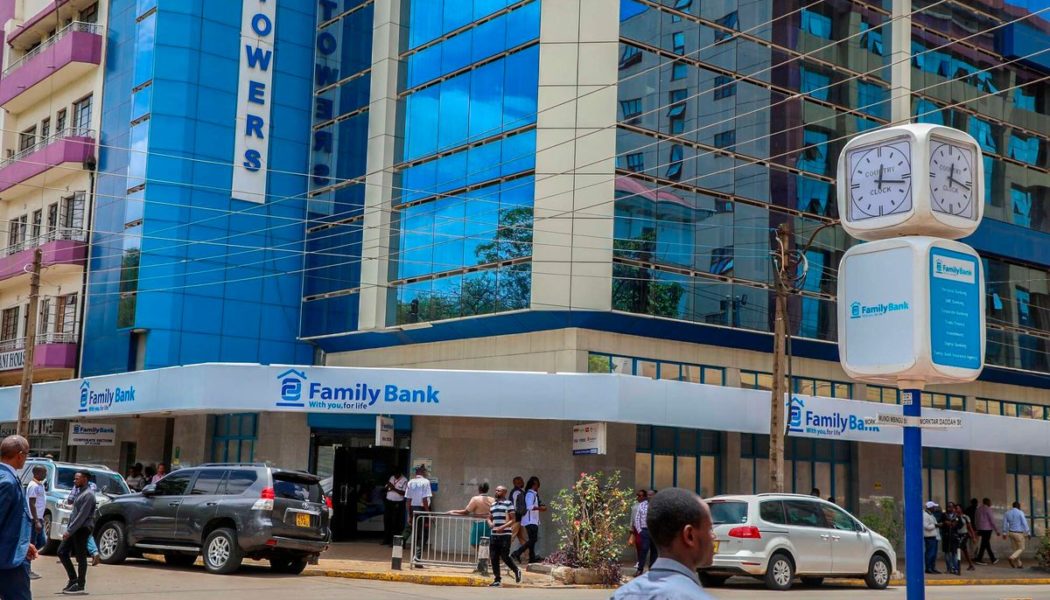
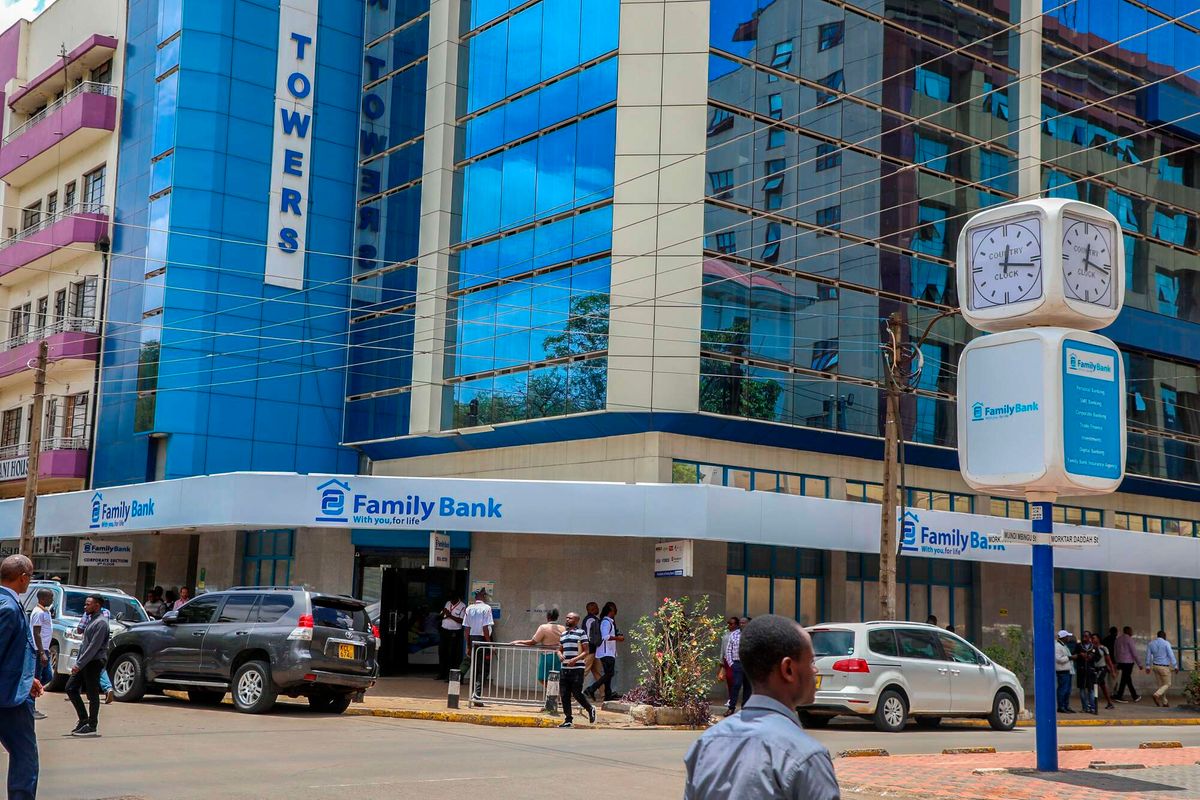
Family Bank rang the bell at the NSE, marking the largest private sector listing at the bourse in more than 17 years. This is a milestone not just for the institution but also for homegrown corporates, raising a question that calls for greater attention: why have few Kenyan companies chosen to follow that path?
Kenya is not short of successful businesses. Over the past two decades, Kenya has seen ordinary ideas grow into extraordinary enterprises. Entrepreneurs and family-owned businesses have built companies that have stood the test of time, creating jobs, driving growth and proving that resilience and innovation can transform dreams into lasting economic impact. Despite this, relatively few have made the transition from private enterprises to publicly listed institutions.
Their hesitation is understandable. Listing is associated with increased scrutiny, heightened bureaucracy and concerns about dilution of ownership or control. In some cases, there is no pressing need to raise additional capital. If a business is profitable, growing and adequately financed, the incentive to pursue a listing may appear limited.
This perception, however, misses the deeper purpose of public markets. Building a successful business is one thing; building an institution that lasts is another. Many businesses begin with the passion and vision of a founder. But for a company to endure, it must grow beyond one person, anchored by strong governance, accountability and systems that carry the vision forward for generations.
Building a company takes vision, courage and persistence. Ensuring it thrives beyond its founders is a greater test. Many businesses reach a point they must navigate leadership transitions, ownership changes and the challenge of scaling without losing their purpose.
Others have found it difficult to attract new investors, professionalise operations or maintain momentum as they scale. The real journey is not just creating a successful business, but building an institution that can stand the test of time.
Listing can become an important step in a company’s journey from founder-led into a lasting institution. It brings greater transparency, stronger governance and accountability, giving investors confidence while helping companies build the systems needed to grow sustainably. Equally important, it provides a platform to raise capital.
For Family Bank, listing by introduction represents this next stage of maturity. Unlike an initial public offering (IPO), it is not about raising new capital or issuing more shares, but opening an institution to the discipline and visibility of a regulated market. It reflects the strength of what has already been built and a commitment to creating a bank that can serve future generations.
The conversation around capital markets often focuses on encouraging people to invest. Equally important is creating a pipeline of strong businesses ready to open their doors to public ownership.
Publicly listed businesses create opportunities for wealth creation by allowing ordinary citizens, pension funds, institutional investors and other stakeholders to participate in corporate growth. They contribute to stronger governance standards and help channel capital towards productivity. They also provide transparency.
Perhaps most importantly, they help transform private success stories into national economic institutions. That is why the significance of Family Bank’s listing goes beyond a single company joining the exchange.
Mr. Murai is the Company Secretary & Chief Legal Officer at Family Bank.