
The State paid oil marketers Sh7.9 billion for the fuel subsidy scheme last month, helping ease cash flow woes that had hit the industry amid high operational costs.
Kello Harsama, the Principal Secretary in the State Department of Petroleum, said the money was paid to importers who will then pay the respective oil marketers based on the volumes lifted.
The payment, which was for the May 15-June 14 cycle, will significantly boost an industry that has in the past few months struggled due to cash flow hitches tied to the subsidy arrears.
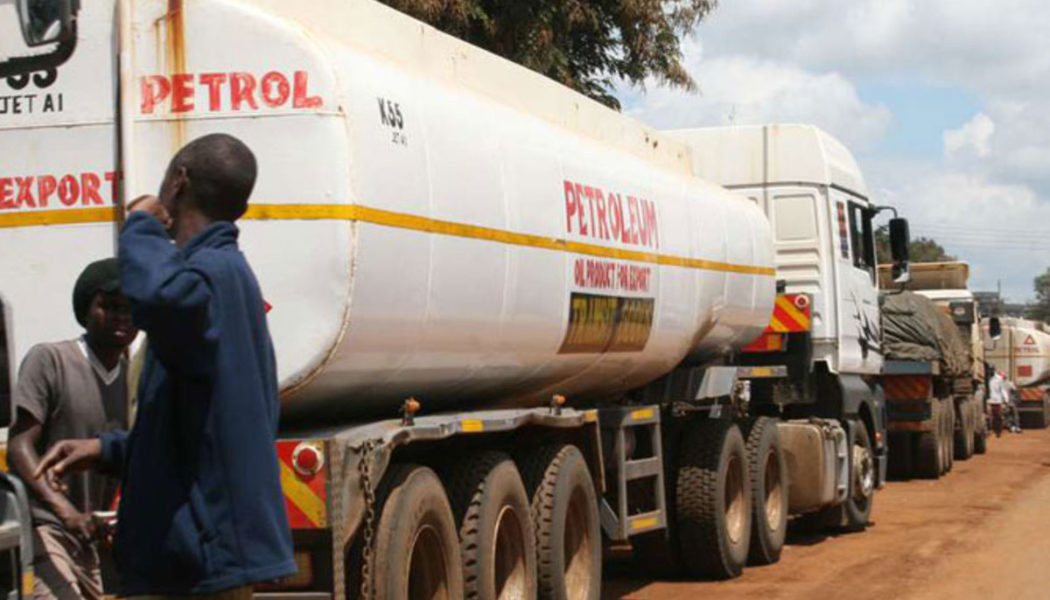
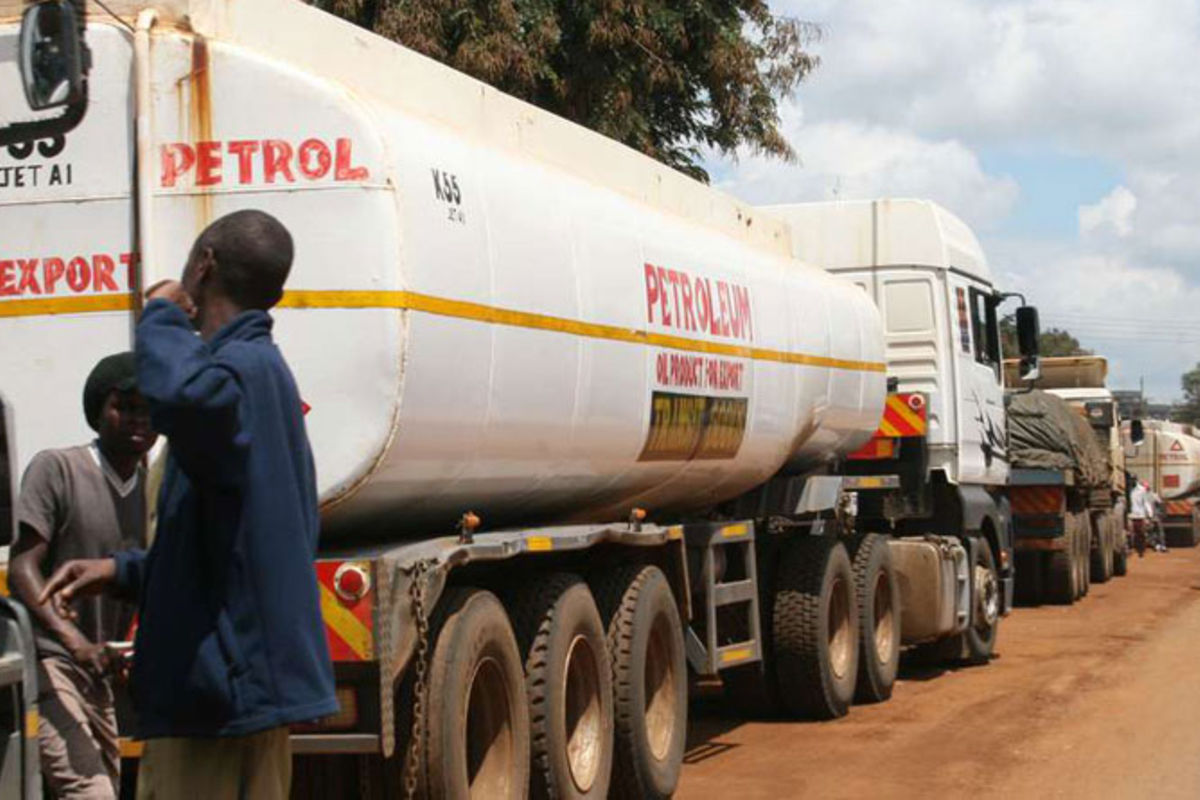
A combination of the arrears and costly fuel in the wake of the US-Israel war on Iran made it difficult to lift sufficient volumes of fuel, leading to shortages, which were more pronounced in May.
“Two weeks ago, we paid Sh7.9 billion for the subsidy arrears of the May-June cycle. We expect the importers to wire the money to the respective oil marketers,” Mr Harsama said.
“We now have an obligation to settle the arrears for the June-July cycle.”
This means that the unpaid subsidy money is the Sh10 billion for the current monthly cycle, which lapses on July 14.
Oil marketers had in May warned that the piling subsidy arrears had squeezed the industry’s ability to purchase fuel that became costly in the market shocks tied to the US-Israel war on Iran.
Dealers who operate stations for Vivo Energy Kenya and Rubis Energy Kenya and dozens of small marketers were hit hard since April, with the erratic supplies triggering panic buying by consumers wary of missing out on fuel.
Prices of diesel, petrol and kerosene skyrocketed in March due to the supply and transport hitches caused by Iran’s attacks on oil refineries in the Gulf region and a blockade of the Strait of Hormuz, where nearly a quarter of the world’s fuel transits.
Besides paying for costly fuel, oil marketers are also required to pay taxes upfront before accessing fuel from the Kenya Pipeline Company (KPC) system for sale in the local market. These two became increasingly difficult due to the cash flow woes.
The subsidy kitty is funded by the Petroleum Development Levy (PDL) of Sh5.40 per litre of diesel and petrol and Sh0.40 per litre of kerosene.
Illegal diversions of money to cater for items outside those contained in the regulations governing the use of the PDL kitty and steep subsidies have nearly depleted the Petroleum Development Levy Fund (PDLF).
The subsidy has been critical in preventing pump prices from rising by higher margins in the wake of the US-Israel war on Iran that led to record-high prices of refined fuel.
For example, diesel and petrol prices could have jumped by Sh64.92 and Sh33.37 per litre in the monthly cycle from April 15 had the State not subsidised prices and cut value added tax (VAT) from 16 percent to 13 percent. They rose by Sh40.30 and Sh28.69 per litre of diesel and petrol, respectively.
In the current prices to July 14, a subsidy of Sh34.07 per litre of diesel helped lower prices by Sh10 to Sh222.86. The State did not subsidise petrol prices.