
For more than a decade, exchanging phone numbers has been the first step in almost every Kenyan digital interaction, but WhatsApp is preparing to change this familiar routine fundamentally.
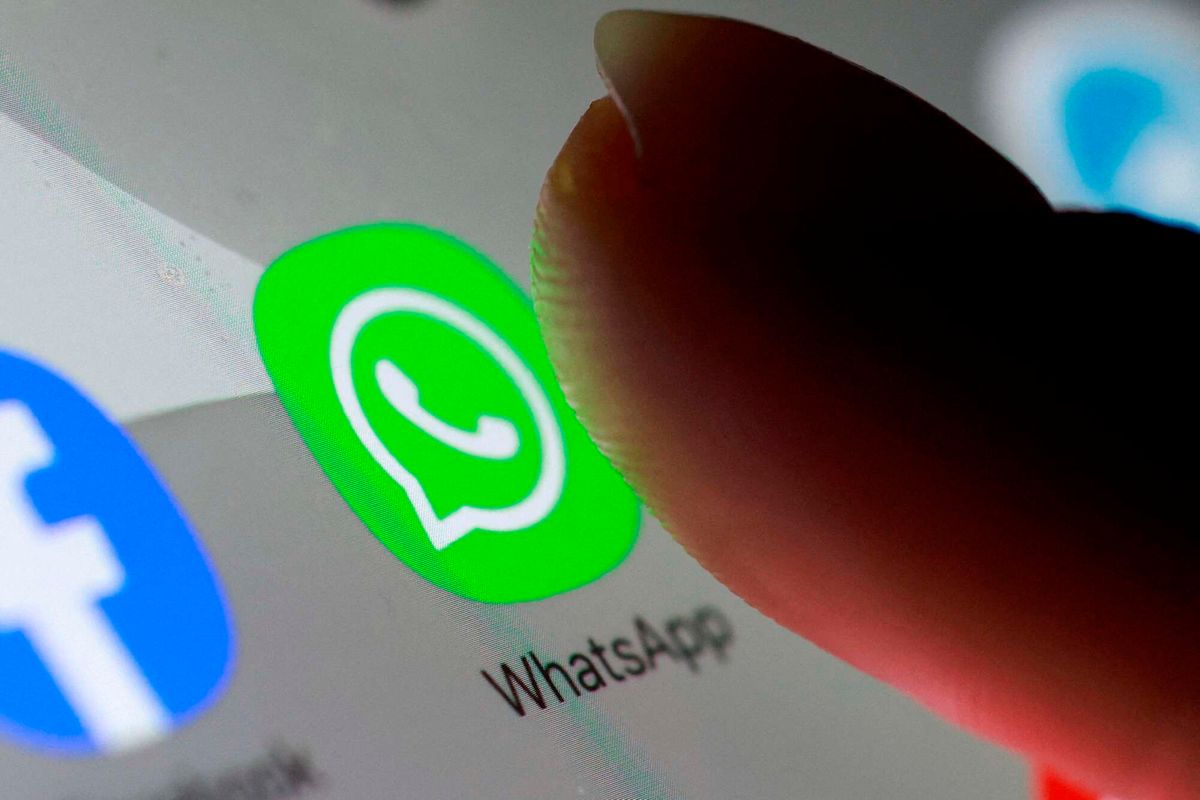
The messaging platform is introducing unique usernames that will eventually allow users to connect without revealing their mobile numbers, marking one of its biggest identity changes since launching in 2009.
The shift promises greater privacy for millions of users but also threatens to reshape how Kenyans network, verify businesses, avoid scams and even build new personal and professional relationships online.
Unlike today, where every WhatsApp account is tied directly to a visible mobile number, users will instead create unique usernames that become their primary public identity on the platform.
The system resembles long-established models used by social media giants X, Instagram and Telegram, where people search, share and connect using usernames instead of personal telephone numbers.
In Kenya, where WhatsApp has become the country’s dominant communication platform, the implications extend far beyond a simple design update or new account setting.
The application now sits at the centre of business transactions, customer support, neighbourhood groups and family communication, as well as political mobilisation and countless informal commercial activities across the country.
Small businesses, particularly, rely on WhatsApp as their primary customer service channel, while freelancers, consultants and entrepreneurs routinely publish their personal phone numbers across social media platforms.
According to Chartered marketer and digital content strategist Nyandia Gachago, the new system will prove particularly attractive for small traders, professionals and freelancers who currently struggle to separate business enquiries from their private communications.
The biggest immediate winner, she says, is likely to be privacy, especially in public WhatsApp groups where thousands of strangers can currently access one another’s telephone numbers.
Job seekers, church members, chama participants and school parents often unknowingly expose their personal contacts simply by joining groups created for legitimate community purposes.
“For ordinary users, hiding 07xx reduces exposure in job groups and chamas where M-Pesa fraud often starts. For SMEs, an @username like @MamaMbogaKE is safer and more professional than printing a personal number on posters. For professionals, it offers a way to network without giving a direct line,” says Gachago.
The timing of the system update comes at a time when Kenya is battling increasingly sophisticated mobile fraud targeting M-Pesa users through unsolicited calls, text messages and impersonation schemes.
Yet the same technology designed to improve privacy may introduce an entirely different set of digital security challenges for unsuspecting users.
Ms Gachago notes that instead of stealing phone numbers, fraudsters may begin creating usernames closely resembling trusted businesses, organisations or public personalities to deceive unsuspecting victims.
“The move could, however, enable new scams through lookalike handles and impersonation, especially if brands don’t claim their @ early. There’s also the Sept 8, 2026 cutoff for Android 5.0/5.1 phones, which could lock out many low-income users,” Gachago says.
Today, consumers already struggle to distinguish authentic accounts from fake social media pages, and similar impersonation risks are set to emerge as usernames become WhatsApp’s primary public identity.
“Verification becomes the weak link. Without the phone-number anchor, we may see more handle-based phishing and cloned business accounts,” says Gachago.
Her sentiments are echoed by digital marketing strategist and Brand Moran co-founder Egline Samoei, who adds that brands and public figures are staring at the danger of not just losing their preferred usernames, but also having them used to run scams and damage reputation.
“Once usernames become available, people will compete for recognizable names. We are already seeing this discussion among Kenyan users on X, where some people are posting about securing names linked to prominent individuals, while others are joking about taking up usernames associated with brands,” says Ms Samoei.
“People may start assuming that a familiar-looking username is official. That is dangerous. A scammer does not need to perfectly copy a brand name. They only need to create something close enough to confuse people, especially in a fast-moving chat environment.”
The changes are also set to quietly transform how Kenyans discover new contacts, particularly outside their immediate personal and professional circles.
Today, obtaining someone’s phone number is usually enough to establish a WhatsApp connection, whether through referrals, networking events, business cards or mutual acquaintances.
That simplicity will disappear since users must now know somebody’s exact username before initiating conversations through the platform.
Random discoveries will, therefore, become less common unless usernames are actively shared through websites, social media profiles, business cards, QR codes or other marketing channels.
Professionals seeking new clients and entrepreneurs targeting new customers may increasingly invest in promoting memorable usernames instead of simply advertising telephone numbers.
The transition will particularly affect Kenya’s vibrant informal economy, where quick exchanges of phone numbers often lead directly to business transactions and lasting customer relationships.
For many users, mobile numbers have also served as a trusted verification tool because every registered SIM card carries regulatory identification requirements.
Usernames remove that visible identity layer, forcing people to rely more heavily on digital literacy and platform verification features before trusting unfamiliar accounts.
“Usernames improve privacy and SME safety, but only if paired with digital literacy. Otherwise, Kenya risks trading ‘number-based fraud’ for ‘handle-based fraud,'” says Gachago.