
Summary
- Acclaimed pattern and decoration artist Joyce Kozloff revealed herself to be a Guerrilla Girl in a recent interview
- She helped establish the anonymous feminist art collective in its early days and left in 1991
- The group, still active today, is known for its radical “guerrilla”-style interventions that expose misogyny and racism in the art world
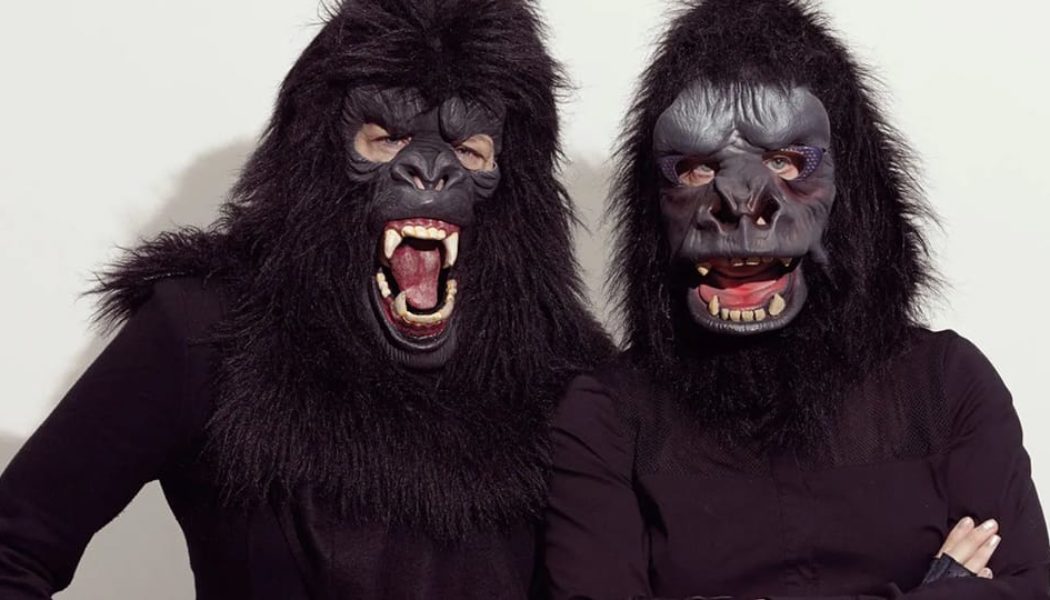
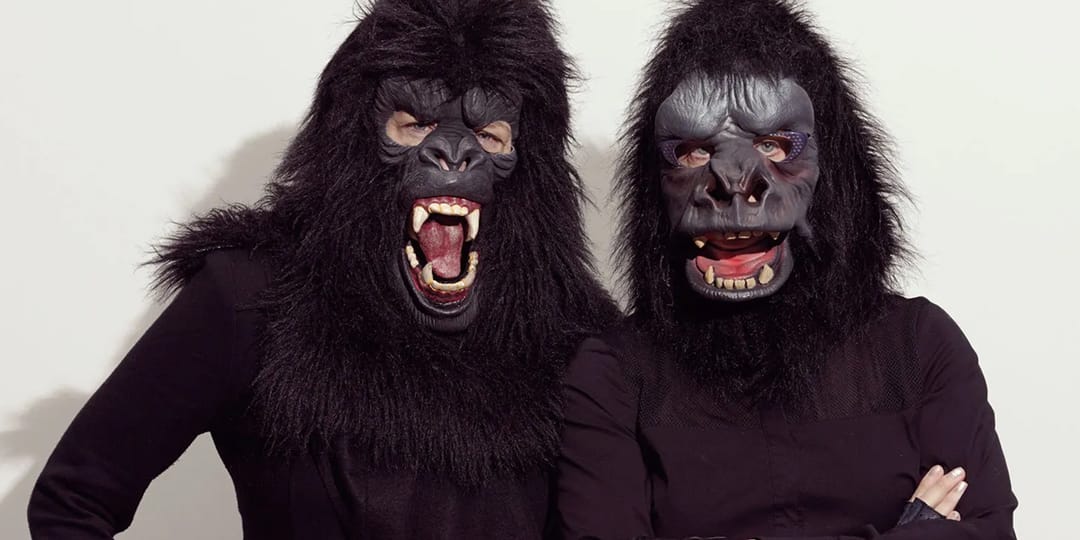
Whether it’s in the streets or the halls of the world’s greatest museums, you can always trust the Guerrilla Girls to make a scene. Since 1985, the feminist art collective has been rallying against racism and misogyny in the art industry through surprise exhibitions, takeovers, and general, well, “guerrilla”-style tactics.
The true identities behind the group have long been one of the industry’s biggest mysteries. But 40 years later, founding member Joyce Kozloff has decided to break her silence. The celebrated pattern and decoration artist revealed she was part of the Guerrilla Girls in an interview recently published on Art Journal.
“We decided to call ourselves the Guerrilla Girls, wear fishnet hose and short skirts, call out the worst misogynists in the art world, appear publicly in masks, like avengers,” Kozloff said.
Anonymity for the group was always key, and the artist affirmed that it was never about being shielded from backlash: “I argued for anonymity because I didn’t want attention to be on us as individuals,” she said. “I wanted it to remain on the issues.”
During her run in the group, she also created the draft for “The Advantages of Being a Woman Artist” (1988), one of the collective’s most famous works, which came to her during her Kohler Art/Industry Residency, where she watched male colleagues rolled into the program with undergraduate students, “their girlfriends, who also did their housework, cooking and were unpaid studio assistants at the factory.”
Members adopt the names of deceased women artists and writers as pseudonyms, with itsfounding figures going by “Frida Kahlo” and “Käthe Kollwitz.” Other identities include Ana Mendieta and Audre Lorde. Despite decades of speculation, very few members have publicly revealed themselves. Kozloff is one of the rare exceptions, alongside artist Robin Tewes, who confirmed last year that she worked under the alias “Alice Neel.”
Kozloff left the Guerrilla Girls in 1991, but even today, the collective is still at the top of their game, keeping steadfast in their mission to expose discrimination in all corners of the wider art world.