

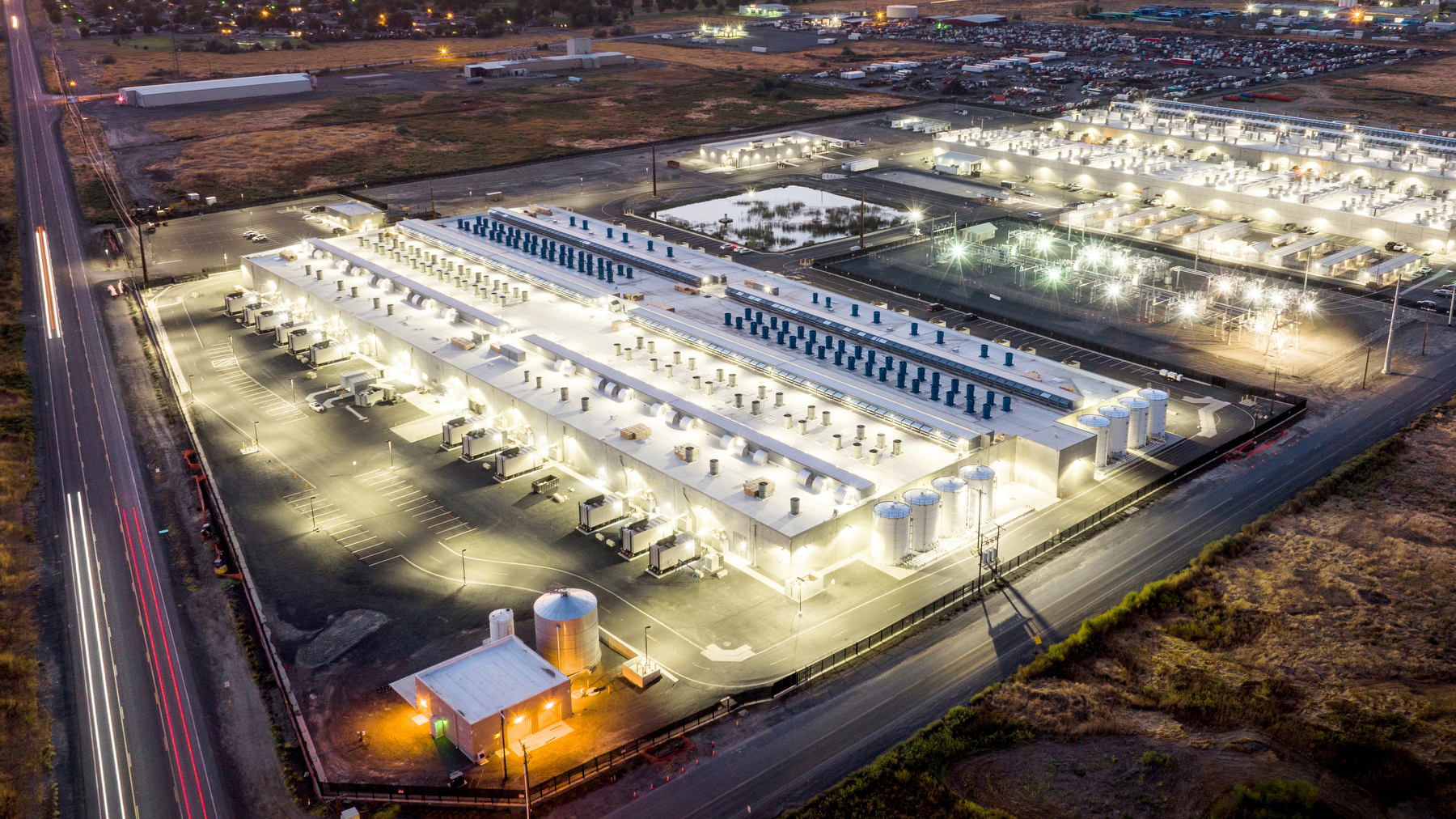
Massive new data centers are the physical foundation for tech companies’ hopes and dreams for AI. But the rush to expand warehouses full of energy-hungry servers has also kicked up fights across the world over their impact on power grids, utility bills, nearby communities, and the environment.
From audacious plans to launch data centers into space to the latest legal battles over pollution, The Verge has the biggest news and reporting surrounding data centers.
-
 43 percent of Americans blame data centers as a major reason for rising power bills.
 -
A 40,000-acre data center project was just approved in Utah, despite outcry from the community.
As reported by The Salt Lake Tribune, the planned hyperscale data center in Box Elder County, when fully completed, is expected to use 9 gigawatts of power — more than double the 4 gigawatts of power used by the state right now. The project is backed in part by Shark Tank investor Kevin O’Leary.
-
 A political battleground is forming around data centers.
 -
Are AI data centers coming to your area?
This free, crowd-sourced tracker website is one of the most comprehensive attempts we’ve seen to keep tabs on where new data centers are being proposed. Maps are currently available across 18 states, with data compiled from public sources. You can read about the Data Center Proposal Tracker creator’s methodology here.
-
 Data centers will soon have to complete “mandatory” energy usage surveys.
The plans, which were revealed in a letter seen by Wired, come in response to a bipartisan push to find out how much energy data centers are sucking up. The Energy Information Administration reportedly plans to launch the nationwide surveys after it wraps up pilot surveys in data center-heavy areas, such as Texas, Washington state, Washington DC, and northern Virginia.
-
 “A data center should not be a potential death sentence for a community’s health.”
The NAACP is suing xAI to block Elon Musk’s Colossus 2 data center project outside of Memphis, TN, claiming that the project is operating 27 gas turbines without an air permit and in violation of the Clean Air Act.
“By looking to evade clear air laws to operate dirty turbines that emit pollution and known carcinogens, these companies are following a shameful, familiar pattern: asking Black and frontline communities to bear the toxic brunt of ‘innovation,” said Abre’ Conner, NAACP Director of Environmental and Climate Justice.
-
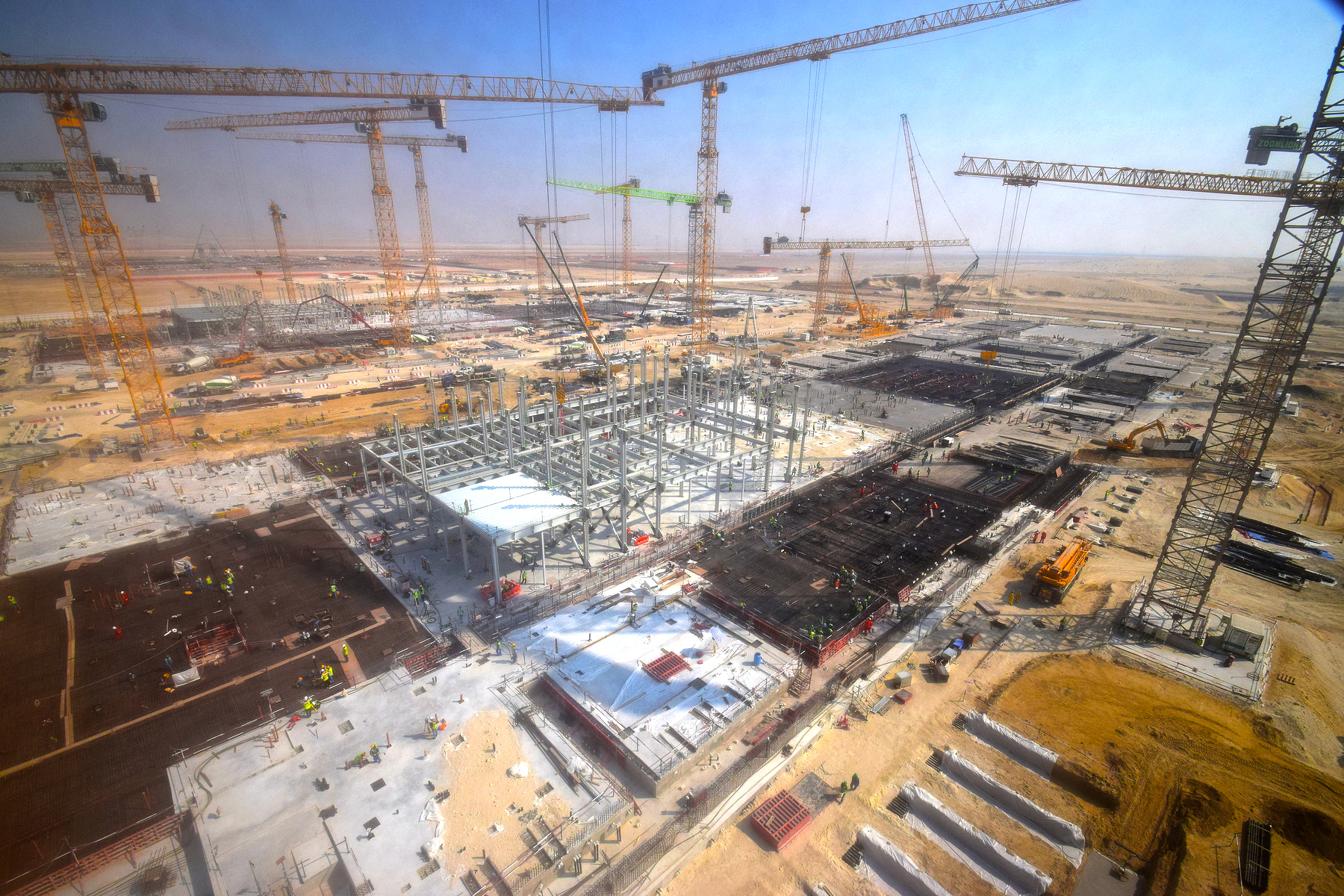
Iran’s Islamic Revolutionary Guard Corps (IRGC) has published a video threatening OpenAI’s planned Abu Dhabi data center if the US follows through on threats to attack the country’s power plants, as reported earlier by Tom’s Hardware. The video, which was published to an Iranian state-backed news outlet’s X account on April 3rd, says the IRGC will carry out the “complete and utter annihilation” of US-linked energy and technology companies in the region, before showing an image of OpenAI’s $30 billion in-progress Stargate facility in the United Arab Emirates.
OpenAI’s overarching $500 billion Stargate project includes investments from Oracle, Nvidia, Cisco, and SoftBank. It’s not clear how much of the Abu Dhabi data center is actually finished, as an October 2025 update showed the beginnings of the facilities that will contain 16 gigawatts of compute power. The update said construction was “well underway” and would meet its target of deploying 200 megawatts in 2026. OpenAI didn’t immediately respond to The Verge’s request for comment.
-

On Thursday, senators Elizabeth Warren (D-MA) and Josh Hawley (R-MO) sent a letter to the Energy Information Administration (EIA) asking it to collect “comprehensive, annual energy-use disclosures” on data centers and make that information publicly available, as first reported by Wired. They’re urging the agency to “establish a mandatory annual reporting requirement for data centers,” saying the data is “essential for accurate grid planning,” and ensuring the seven tech companies that signed the Ratepayer Protection Pledge earlier this month adhere to their commitments.
The EIA announced Wednesday that it’s launching a voluntary pilot program to evaluate data center energy use in Texas, Washington, Northern Virginia, and Washington, DC. What Warren and Hawley are calling for in their letter is broader, mandatory reporting on data center energy consumption.
-


After decades of only licensing its chip designs for others to use, UK-based Arm revealed the first chip it’s producing on its own, and the first customer. Dubbed the Arm AGI CPU, it’s another chip designed for inference, or running the cloud processing for AI tools like AI agents that can continue to spawn more and more tasks to run at once. The first company in line to use it is Meta, which has reportedly struggled to launch its own AI chips.
Meta says it’s both the lead partner and co-developer, and plans to work on “multiple generations” of the data center CPUs, for use along with hardware from other vendors like Nvidia and AMD. Arm customers like Amazon AWS, Microsoft, Google, Marvell, Nvidia, Samsung, and others included congratulatory notes with the announcement. However, Qualcomm, which said it had achieved “complete victory” over Arm with a court ruling last fall in their case over the terms of licensing agreements, was not one of them.
-
 Lake Tahoe has to look for a new power source as data center demand soars.
Facing “unprecedented times,” NV Energy has decided to stop selling power to a small power utility serving 49,000 customers in Lake Tahoe, CalMatters reports. Data center requests are driving a tripling of expected peak power demand, according to NV Energy.
-

-
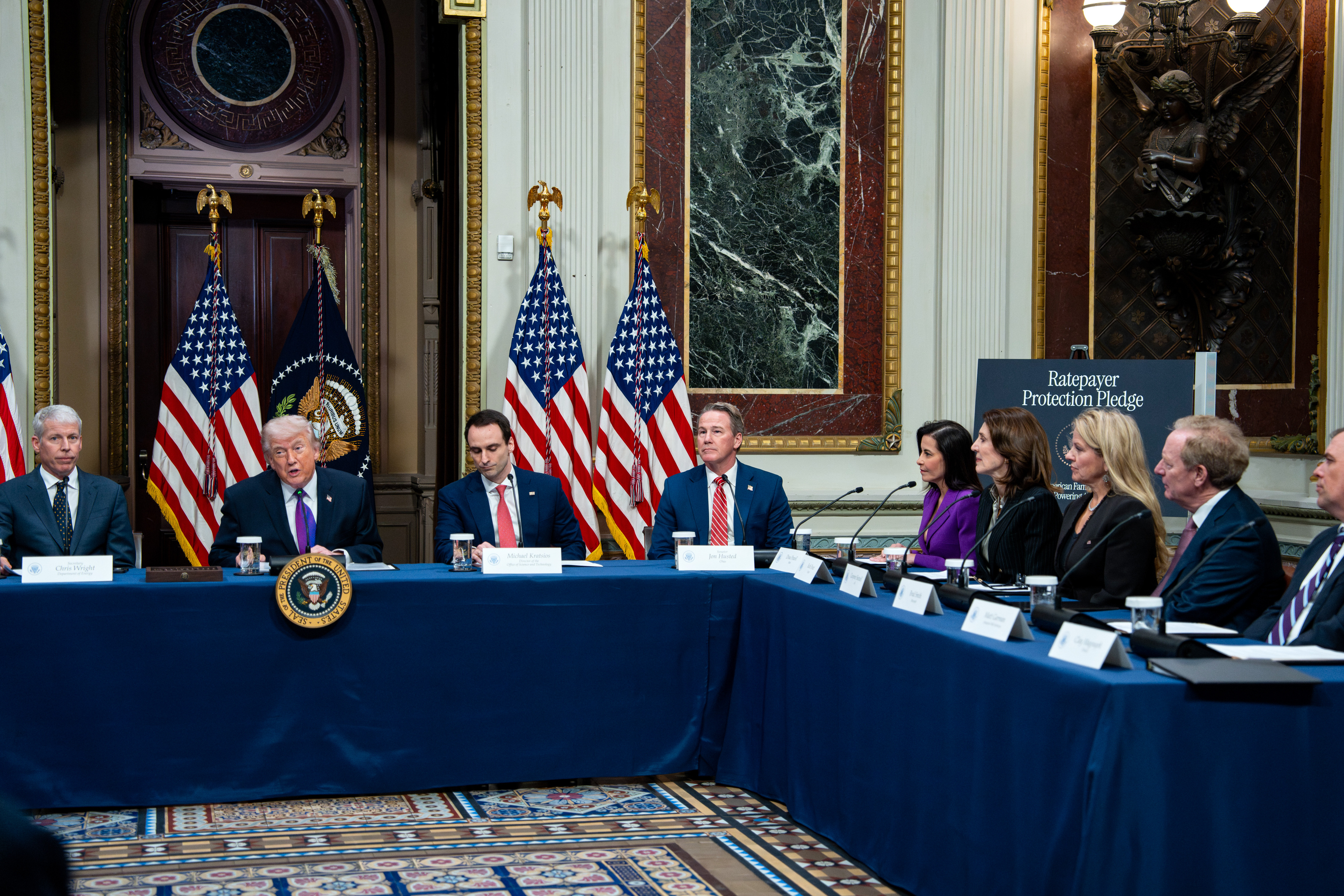
Leaders from Google, Meta, Microsoft, Oracle, OpenAI, Amazon, and xAI met with President Donald Trump today to sign a “rate payer protection pledge.” It’s one way they’re responding to growing bipartisan concerns about electricity rates rising as tech companies and the Trump administration rush to build out a new generation of AI data centers.
“[Tech companies] need some PR help because people think that if a data center goes in, their electricity prices are going to go up,” Trump said during the event. “Some centers were rejected by communities for that and now I think it’s going to be the opposite.”
-

President Donald Trump tried to quell Americans’ concerns about rising electricity costs during his State of the Union speech — and now we’re learning that the deals he promised could land next week. Trump claimed that he’s negotiated a “rate payer protection pledge” with major tech companies, which would see them build out or pay for new electricity generation for their data centers. Leaders from Amazon, Google, Meta, Microsoft, xAI, Oracle and OpenAI are expected to attend a March 4th event to sign the pledge, Fox News reported today.
There are very few details at this point on what the pledge entails, nor how companies would be held accountable for following through on any commitments. “Under this bold initiative, these massive companies will build, bring, or buy their own power supply for new AI data centers,” White House spokesperson Taylor Rogers said in an email to The Verge.
-

Anthropic is the latest AI company promising to limit the impact its data centers have on nearby residents’ electricity bills.
The company said it would pay higher monthly electricity charges in order to cover 100 percent of the upgrades needed to connect its data centers to power grids. “This includes the shares of these costs that would otherwise be passed onto consumers,” the announcement says.
-
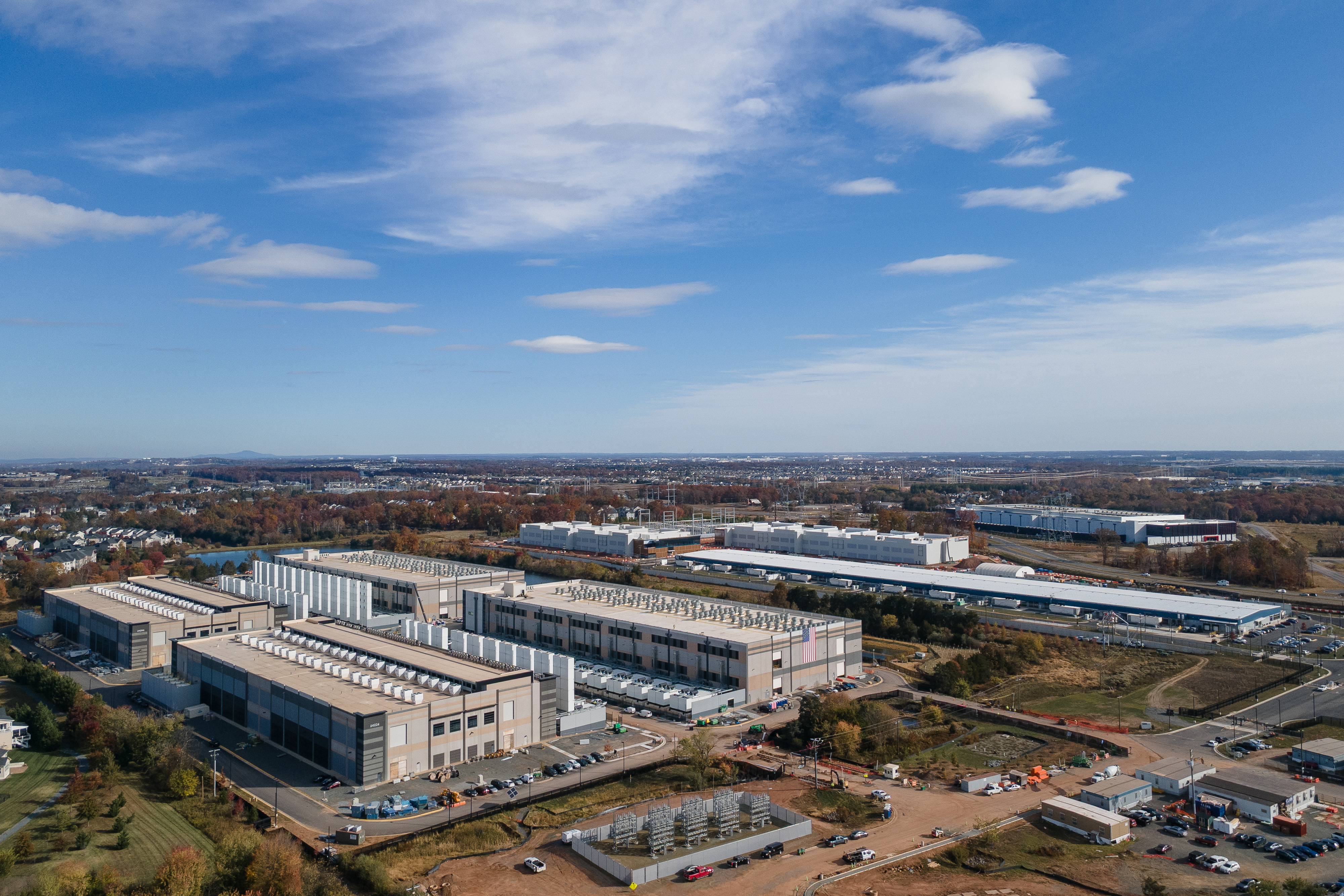
Donna Collins lives about 20 miles from where Meta’s biggest data center is being built, in a house her family has lived in for five generations. Construction has thrown the small agricultural community in North Louisiana into the spotlight as a high-profile example of how the infrastructure behind generative AI could impact nearby residents.
For Collins, this place is “a little piece of heaven.” “It’s all I’ve ever known as a home. It’s quiet. It’s rural. It is beautiful,” she says. “We can’t imagine the changes that are coming.”
-
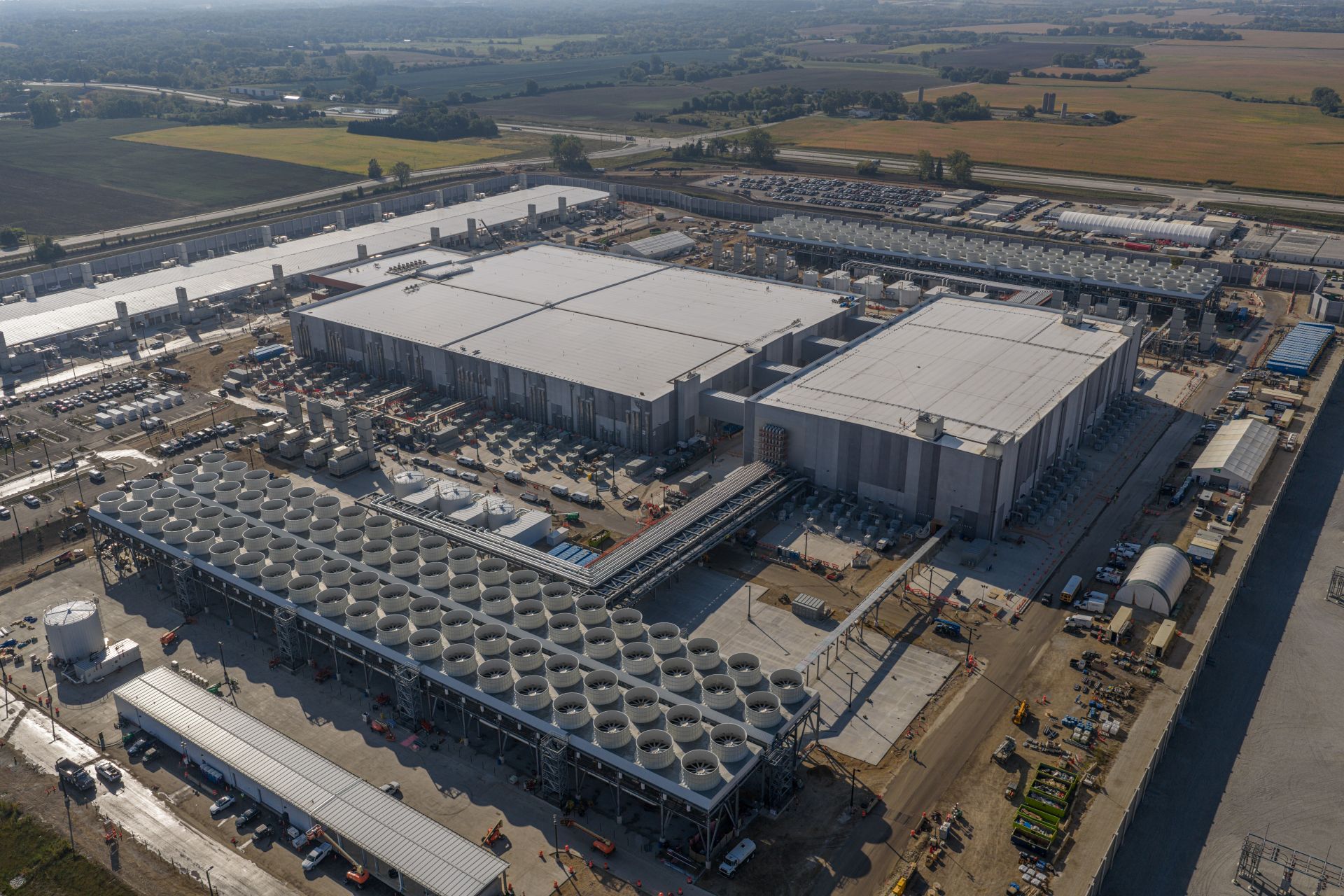
Microsoft wants to design more efficient data centers using materials that allow electricity to flow with zero resistance. If these new materials, called high-temperature superconductors, can make it to market, Microsoft thinks it could be a game changer for how data centers and the energy infrastructure they connect to are built.
Tech companies are facing backlash over how much power generative AI demands, delays connecting to power grids that lack the infrastructure to meet those demands, and the impact construction of new data centers has on local residents. High-temperature superconductors (HTS) could potentially shrink the amount of space needed for a data center and the transmission lines feeding it power.
-

New York’s state legislature is set to consider a pair of bills that would require labels on AI-generated content and would put a three-year pause on new data center construction.
The New York Fundamental Artificial Intelligence Requirements in News Act (NY FAIR News Act, for short) would require that any news “substantially composed, authored, or created through the use of generative artificial intelligence” carry a disclaimer. It would also require that any content created using AI be reviewed and approved by a human with “editorial control” before being published.
-
On Monday, Elon Musk announced that he was merging two of his companies, SpaceX and xAI, in a deal said to be worth $1.25 trillion. The reason, Musk said in an announcement, was that in order for AI to grow, it needed to go to space.
AI relies on “large terrestrial data centers” that run on “immense amounts of power and cooling,” he said, which comes at great expense to the environment and community opposition. The solution: data centers in space. “In the long term, space-based AI is obviously the only way to scale,” Musk said.
-
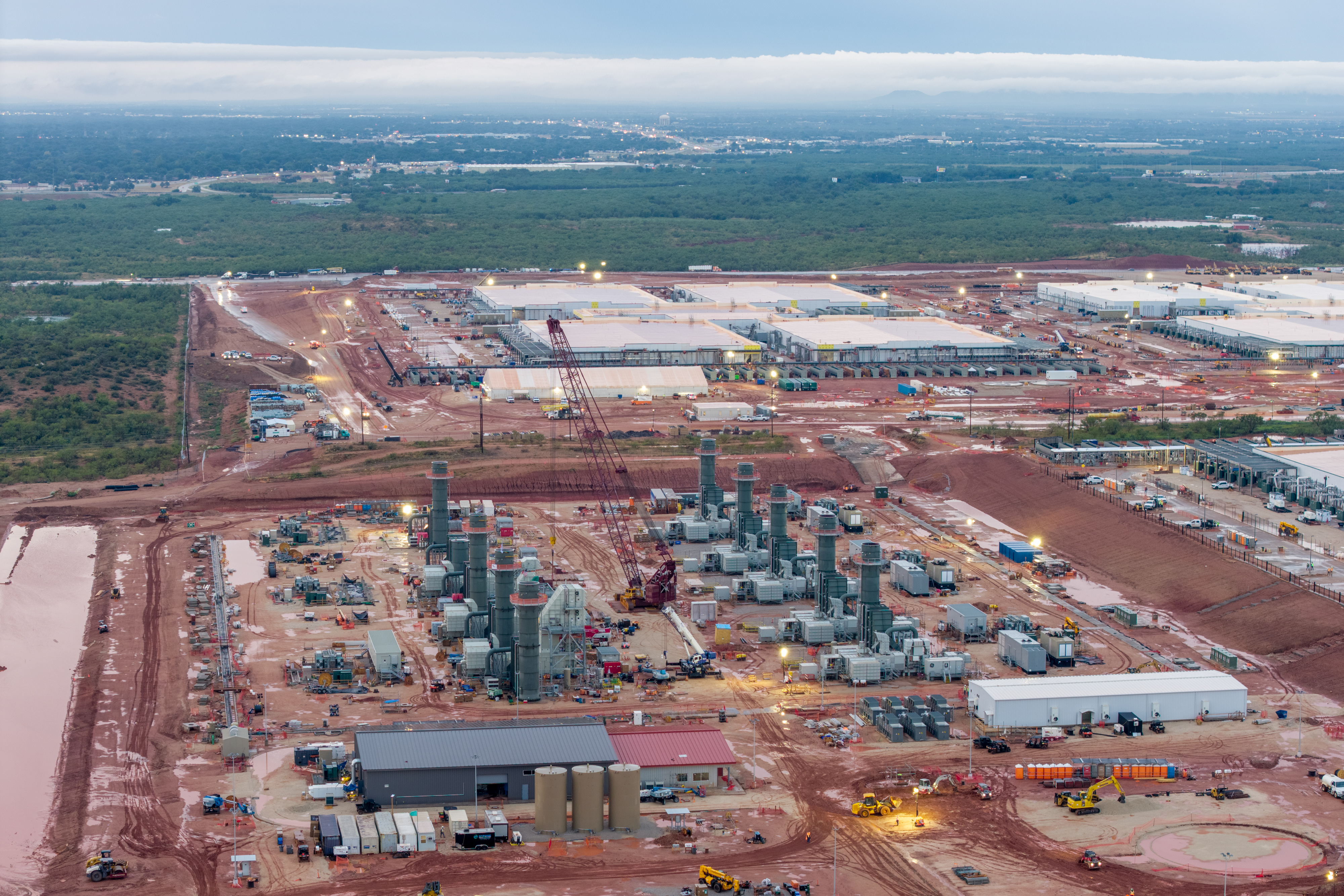
The US is now leading a global surge in new gas power plants being built in large part to satisfy growing energy demand for data centers. And more gas means more planet-heating pollution.
Gas-fired power generation in development globally rose by 31 percent in 2025. Almost a quarter of that added capacity is slated for the US, which has surpassed China with the biggest increase of any country. More than a third of that growth in the US is expected to directly power data centers, according to a recent analysis by the nonprofit Global Energy Monitor (GEM).
-
Microsoft gets approval to build 15 data centers in Mount Pleasant, Wisconsin.
-
Over the last few months of 2025, Meta spent $6.4 million on an ad campaign running in cities across the country, from Sacramento to Washington, with a clear mission: win over viewers on the construction of new data centers. As the New York Times reports, the ad campaign is anchored by short, folksy video spotlights on Meta’s data centers in Altoona, Iowa, and Los Lunas, New Mexico.
The ads make the case that Meta’s data centers create jobs, revitalizing rural communities.
-
-
Microsoft wants to build 15 data centers in Mount Pleasant, Wisconsin.
-


OpenAI says it will minimize water use and pay for energy infrastructure upgrades needed to power its data centers. “We’re being good neighbors,” the company said, directly addressing the growing opposition to AI projects amid rising utility bills.
“We commit to paying our own way on energy, so that our operations don’t increase your electricity prices,” OpenAI said. The company promised to work with local communities to minimize the impact of its Stargate data centers. OpenAI was not specific but said plans could involve securing its own energy supplies or paying for local grid upgrades.
-
ICE hits Meta data center project.
Two individuals who were driving dump trucks to the construction site in Richland Parish, Louisiana, were arrested on Wednesday. Local law enforcement says ICE “did not enter the Meta site at any time,” but told Bloomberg that agents were sweeping for identification of workers en route to the site.