

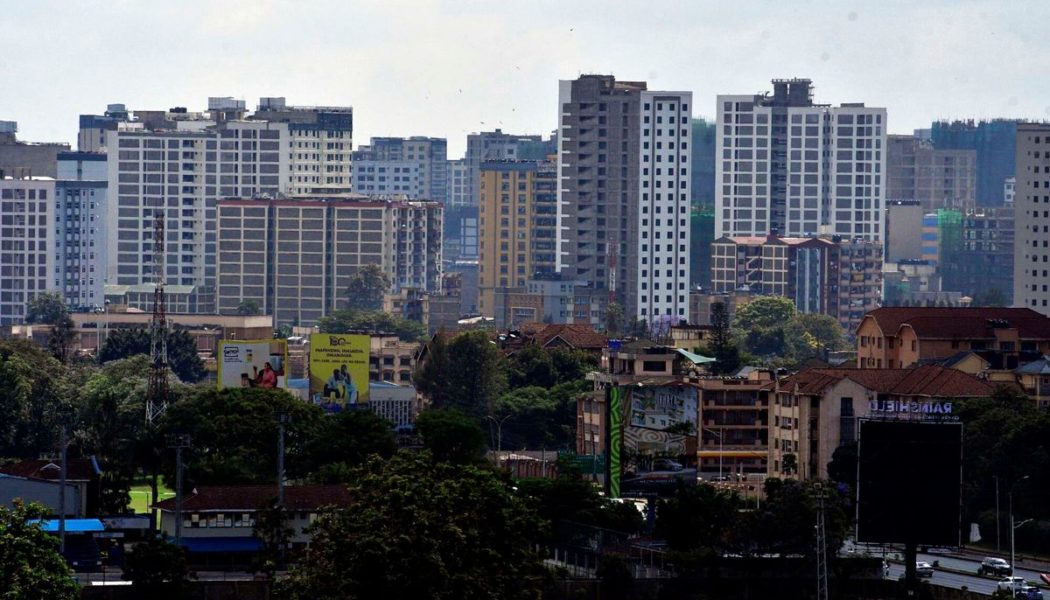
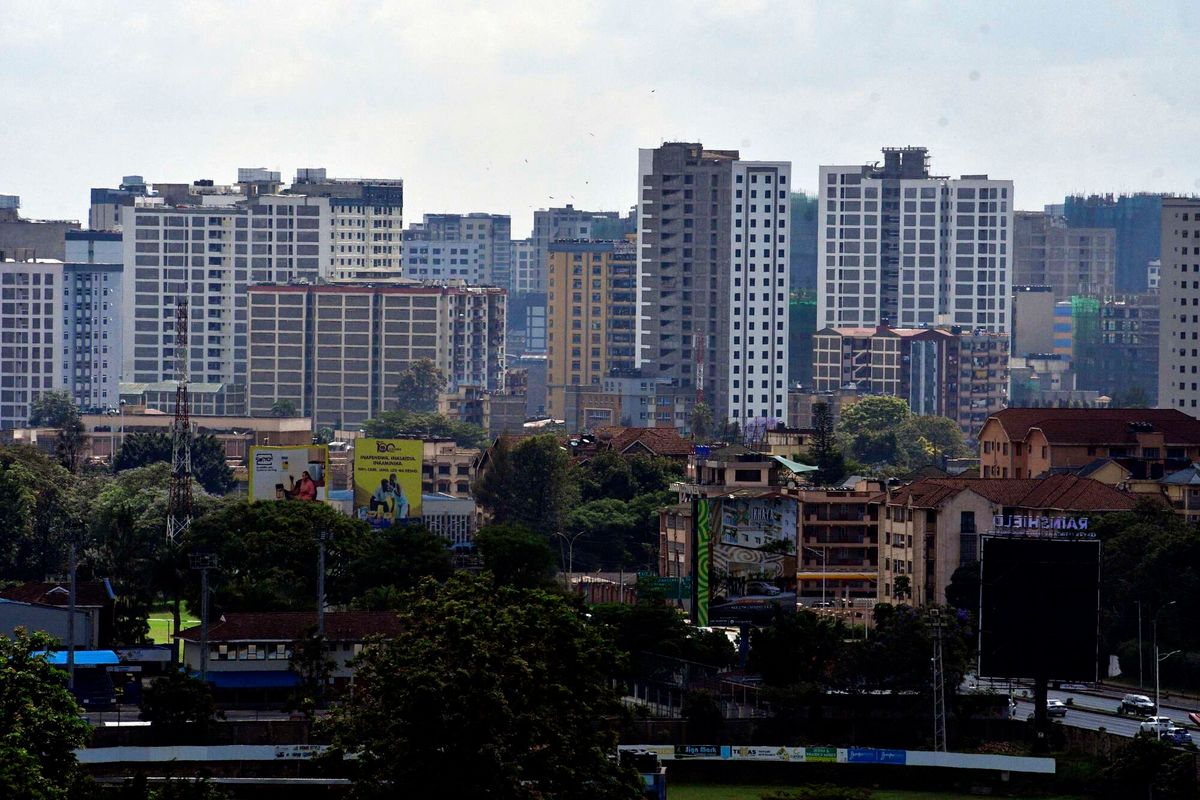
Apartment prices in Kenya have fallen for the fourth quarter in a row amid an oversupply of flats as the cost of maisonettes, bungalows and villas surged 8.5 percent in the year to March
Latest Kenya National Bureau of Statistics (KNBS) data show the cost of apartments fell 3 percent in the year to March.
The costs of flats have fallen in the last 13 quarters, save for the three months to March 2025 and the first and third quarters of 2024.
However, demand for standalone homes has increased in what has seen the cost of maisonettes and bungalows rise in all quarters with the exception of the three months to June 2023.
This has made it cheaper for homebuyers to acquire apartments as the oversupply hurts investors’ returns.
Overall, home prices rose 4.8 percent in the year to March on the back of the stand-alone units.
“The average price of residential properties increased by 4.8 percent between Q1 2025 and Q1 2026, driven by an 8.5 percent rise in standalone house prices,” KNBS said in its quarter one report on home prices.
“The increase reflects demand in the standalone housing category.”
Apartment prices in Nairobi’s high-end estates fell 4.8 percent in the year to March, with the fall extending into the city’s middle-income neighbourhoods, where the cost of flats dropped 3.3 percent.
The soft prices follow an increase in the construction of apartments in recent years that has left developers struggling with sales as supply continues to trail demand.
Developers across Nairobi have continued delivering apartment projects initiated several years ago, adding new stock into a market where demand has expanded at a slower pace than supply.
In recent years, suburbs such as Kilimani, Kileleshwa and Parklands have shifted from predominantly hosting single-dweller housing units to hosting multiple apartment blocks, resulting from changes in the city’s zoning laws.
Some of the resident associations have pushed back against these new developments, arguing that the supporting infrastructure, such as roads, sewer and water supply lines have not been upgraded to accommodate the larger numbers of residents in the multi-dweller units.
The surge in supply has put pressure on prices as developers increasingly rely on discounts, flexible payment plans and incentives to clear completed housing units amid slower absorption rates.
The falling prices hit investors in Nairobi, with the cost of apartments increasing outside the capital at 7.5 percent in the review period.
Standalone houses recorded annual gains across the country amid reduced supply as homeowners show a bias for maisonettes, bungalows and villas.
A recent KNBS survey showed that Kenyan tenants aspiring to own homes show a strong preference for standalone housing, with 63.1 percent saying they would opt for a bungalow if they were to build or buy a home.
Maisonettes followed at 23 percent, while apartments, often marketed for their affordability and urban convenience, trailed at 9.5 percent.
“The supply of stand-alone has been very low and that is because it is very capital intensive as they need huge tracts of land – there is demand but low supply, which is driving the prices,” said Sakina Hassanali, the HassConsult co-CEO and creative director.
Urbanisation of satellite towns has made it cheaper for developers to buy tracts of land on the outskirts of Nairobi and set up quality standalone houses that are attracting buyers looking for privacy.
Lower prices of apartments helped cut the average mortgage size for the first time in seven years, with Central Bank of Kenya (CBK) data showing the mean home loan fell to Sh9 million in 2024 from Sh9.4 million a year earlier.
This came as the number of mortgages rose by 756 to 30,016 accounts.
While commercial banks have progressively reduced lending rates following monetary easing by the Central Bank of Kenya (CBK), access to mortgage financing remains constrained for many prospective homeowners.