

On memory, resistance, and what a migrant shelter in Mexico City can teach us about surviving the long war ahead.
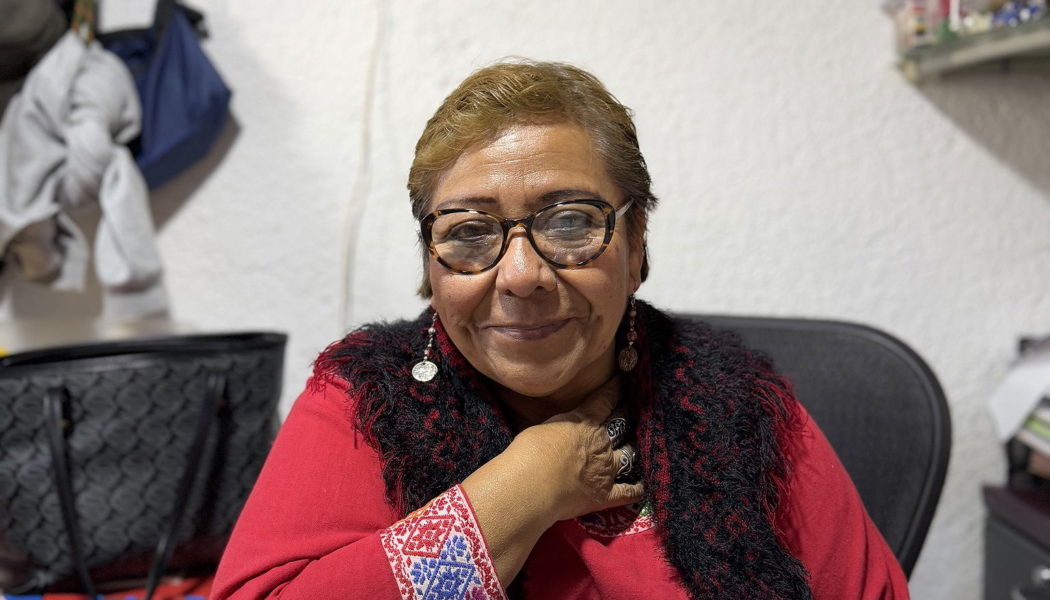
Bless the long memory of Latin America. Sitting across from Gabriela Hernández a year ago, we talked about what was happening at Casa Tochan, her 70-person migrant shelter in the heart of Mexico City, and how it related to the past and future of the Americas. Her residents have survived harrowing routes from Haiti, Venezuela, Congo, China, mostly in frustrated hopes of finding asylum further north. So they exist here in a holding pattern, staying up to three months in this hillside warren of rooms, sleeping on any flat surface if there aren’t enough beds, organizing shifts of cooking, cleaning, and security.
Hernández’s work traces back to the origins of these fights in other times and other places. Back to 1980 in El Salvador, when the gentle humanist Monsignor Óscar Romero was gunned down by the right-wing death squads of major Roberto D’Aubuisson. In death, Romero became a canonized saint and a recognized martyr in odium fidei—“in hatred of the faith.” It was a Mexican committee with Romero’s name (one of dozens around the world) that secured Tochan as a home for migrants fleeing another military dictatorship, in Guatemala. And then, when the Las Zetas cartel massacred 72 migrants near the Texas border in 2010, the Mexican government began handing out humanitarian visas to some victims of human trafficking, and those in turn became the class of residents in Tochan today.

My visit came on a difficult day, the first of many that would characterize the first year of the new Trump administration. When I was there, the US government had just mass-cancelled all asylum appointments at the border. Many residents had already bought tickets to Tijuana for their assigned interviews, money that came at great cost and would not be recovered. As the leader of Tochan, Gabriela Hernández had a resolute message for her wards: “We told them exactly this: Trump is declaring war on us. In a war you lose battles—but it’s not the whole thing,” she said. “You have to stay calm.”
I think of her today, because I believe my compatriots are searching for that resolve. I know I am. I’m here in Mexico City again, but my mind is on my homeland, seeing that the tin-pot thuggery that we used to export to Latin America is now unfolding on American streets. There is much that is unprecedented, but there is much that is familiar, including how we can fight back and win.
And so: dinner. Specifically, the Anti-ICE Supper Club. A series of Roads & Kingdoms gatherings, some intimate and high-end, some large-scale and festive, all designed to raise money for local organizations working to protect immigrant communities across the country. A dinner series seems like a small and wanting response, given the gravity of the moment. But everyone has a part to play, and hospitality is on the front line of this conflict, so here we are.

The response from chefs and restaurateurs has been outstanding. Our first two dinners in Los Angeles, with Daniel Patterson and Bricia López, sold out quickly. We are planning more in the coming months: Chicago, DC, Minneapolis, both Portlands, wherever the need arises and the community invites us. Speaking of which: if you’re interested in an Anti-ICE Supper Club event in your community, send a note to our organizer Tatiana Orlov at tatiana@roadsandkingdoms.com.
It’s not about fundraising alone. It’s about a very broad need to build personal connections. The era of digital-only organizing is over. We need analog connection—face to face, table by table. The more we know each other, the more we trust each other, the more we can rely on each other, the more prepared we will be when it is our turn to show up for our community.
I asked Hernández, for myself more than anyone, how she tamps the sense of dread in these times. She just smiled and turned her palms up slightly. “We’re used to the fight.”
So should we be.