

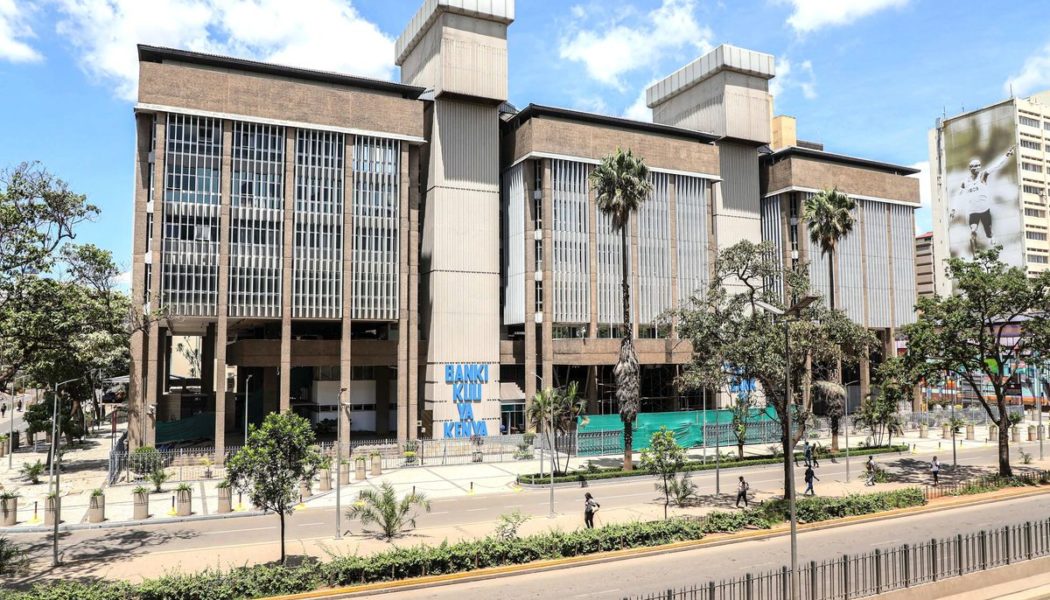
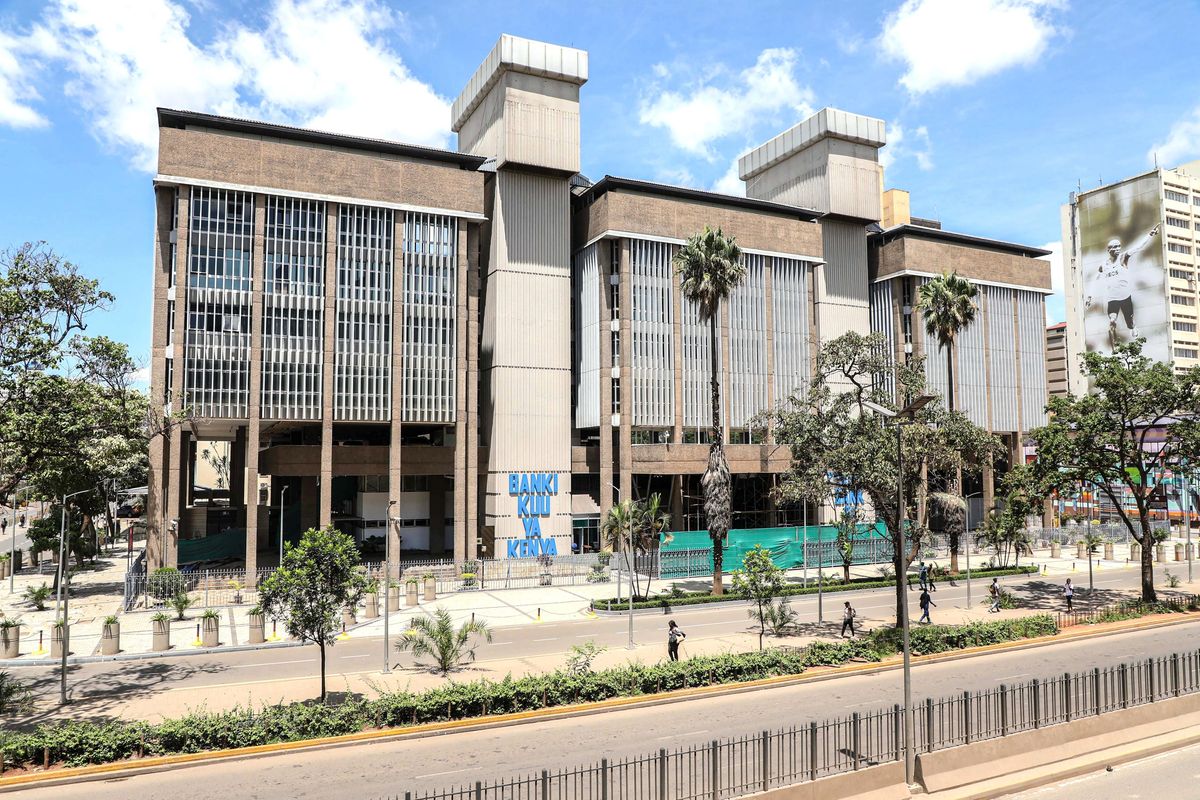
Lending to households and businesses by commercial banks hit a 28-month high in June 2026 as lenders continued to pass on the gains of cheaper credit to their clients, the Central Bank of Kenya (CBK) said.
The private sector lending performance in June and July 2026 marks the first double-digit growth since February 2024.
“Growth in commercial banks’ lending to the private sector remained strong at 10.2 percent in July 2026 and 10.6 percent in June 2026 compared to a contraction of 2.9 percent in January 2025,” the CBK said in a statement.
“Growth in credit to key sectors of the economy, particularly trade, building and construction, agriculture and consumer durables, remained strong, reflecting improved demand for credit in line with the decline in lending interest rates.”
The average lending rate by commercial banks stood at 14.3 percent in July 2026, falling from 14.4 percent in June and 17.2 percent in November 2024.
The drop in commercial bank interest rates has continued even as the CBK on Tuesday kept its key lending rate unchanged for a third straight monetary policy committee (MPC) meeting at 8.75 percent.
The CBK had been cutting its indicative lending rate since August 2024, targeting to spur credit growth. The apex bank cut its reference rate from a high of 13 percent to the current 8.75 percent in February 2026, before the onset of the new Middle East conflict.
Uncertainty about the US-Israel war against Iran has, however, left the CBK at a crossroads as it assesses potential shifts in commodity prices.
The country’s inflation edged up slightly to 6.5 percent in July, up from 6.4 percent in June, due to higher transportation costs.
CBK expects the inflation rate to hold within the target band of 2.5 to 7.5 percent, assuming a near-term de-escalation of the Middle East conflict, which has resulted in a jump in domestic prices for petroleum products.
Surveys on CEOs and markets have continued to show sustained optimism about business activity and economic growth prospects for the next 12 months even as they flag elevated global uncertainties.
The Kenya shilling has remained stable owing to adequate official reserves buffers even as the current account deficit widens because of the higher importation bill accompanying steeper fuel prices and a drop in diaspora remittances.
The banking sector has continued to post improvement in asset quality with the ratio of non-performing loans to gross loans falling to 14.6 percent in July 2026 from 15.4 percent in April and 17.6 percent in August last year.
The CBK has subsequently deemed its current monetary policy stance as appropriate in continuing to anchor both growth and inflation expectations.
“Having considered these developments, the Committee concluded that the current monetary policy stance, with the Central Bank Rate unchanged at 8.75 percent, remains appropriate to ensure that inflation expectations remain anchored within the target range, and the exchange rate remains stable,” CBK added.
The decision by the CBK to retain its benchmark lending rate reflects the widespread expectation that a lull in the Middle East conflict would hold.
Last week, commercial banks said they expected a hold on the key rate as inflation continued to run above the midpoint target of five percent, but below the ceiling of 7.5 percent.