

Business
Wazupnaija – Naija Entertainment blogs & Forums – Business

Finance Redefined: DeFi market fell off the cliff in Q2, but there’s hope
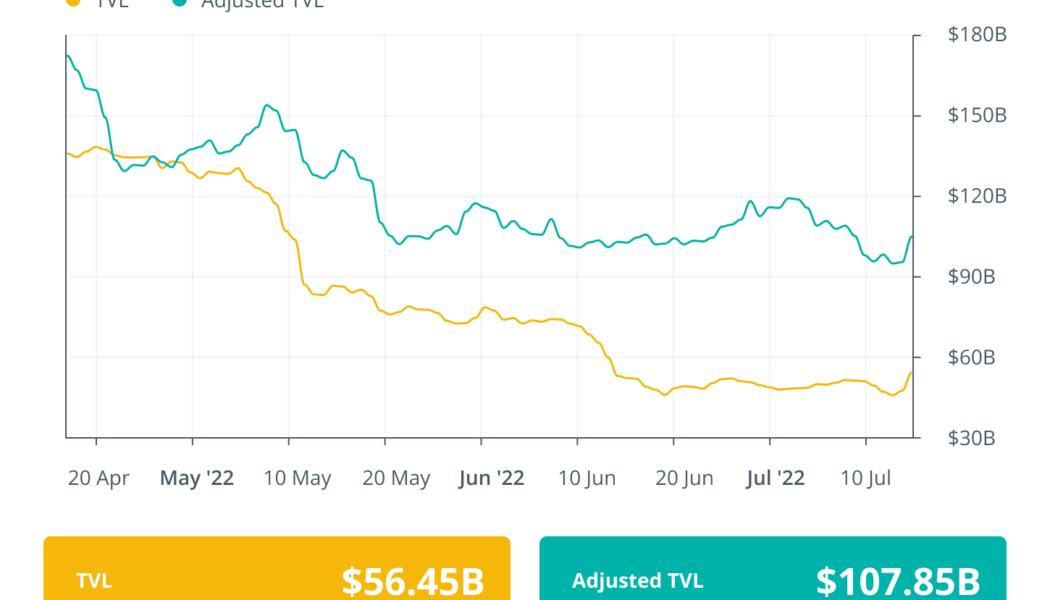
Welcome to Finance Redefined, your weekly dose of key decentralized finance (DeFi) insights, a newsletter crafted to bring you some of the major developments over the last week. This past week, the DeFi ecosystem saw several new developments despite a bearish phase brought on by the lending crisis in the crypto market. Another crypto lender, Celsius, with high stakes in DeFi protocols, filed for bankruptcy. The overall DeFi market fell to new lows in the second quarter. However, a new report indicates users haven’t given up hope. BNB Chain launched a new decentralized application (DApp) platform with an alarm feature. Vermont state regulator opened an investigation into troubled crypto lender Celsius, deeming it deeply insolvent. A DeFi researcher has predicted that Ethereum proof-of-stake...


The creator economy: How we arrived there and why we need its Web3 upgrade
Does the term “creator economy” make you think of some idealistic environment where creativity, authenticity and passion are key values? Where true Michelangelos and da Vincis drive progress through their talents without struggling for food and proving themselves all their lives to get a chance to be recognized posthumously? If so, I’m with you. Though creativity has existed as long as humanity, we started to discuss it as the new economic paradigm not so long ago. What’s more, now we even talk about it in the Web3 dimension. To better understand what it is, first, let’s walk through the backstory of the creator economy. How did we actually arrive here? Often, looking back at the past is a great way to get real insights into what is happening today. It won’t make you yawn, I promise. The b...


The new philanthropic frontier: How Web3 could democratize donations
A merge between crypto and philanthropy is already underway as decentralized autonomous organizations (DAO) and nonfungible token artists alike fundraise and donate crypto to nonprofits. But what does the age-old institution of philanthropy have to learn from emerging technologies in the crypto space? Additionally, what does crypto have to offer philanthropy that could improve the sector generally? Crypto offers the potential for nonprofits to be governed in a decentralized fashion, creating conditions that maximize the influence of communities most impacted by these organizations. Despite its meme-based reputation at times, the crypto industry is actually in the midst of a major push toward true democracy. This effort begins by leveraging blockchain technology that has created the conditi...


Bit2Me to onboard 100k blocked crypto investors from 2gether exchange
Following a recent agreement between the two crypto exchanges, Bit2Me announced plans to onboard 2gether’s 100,000 crypto investors, who were recently blocked from trading due to the exchange’s inability to operate amid unfavorable market conditions. On July 10, Spanish cryptocurrency trading platform 2gether shut down its free trading services, citing its inability to justify its related operational costs due to crypto winter. Instead, the users were being charged 20 euros as maintenance fees. Providing relief to the recently displaced crypto investors, Bit2Me reached an agreement with 2gether to onboard its users without imposing any fees — allowing users to move over their holdings and resume their trading activities. In addition, Bit2Me decided to reimburse the 20 euros back to the use...

Manchin’s climate rebuff adds to Congress’ troubled track record
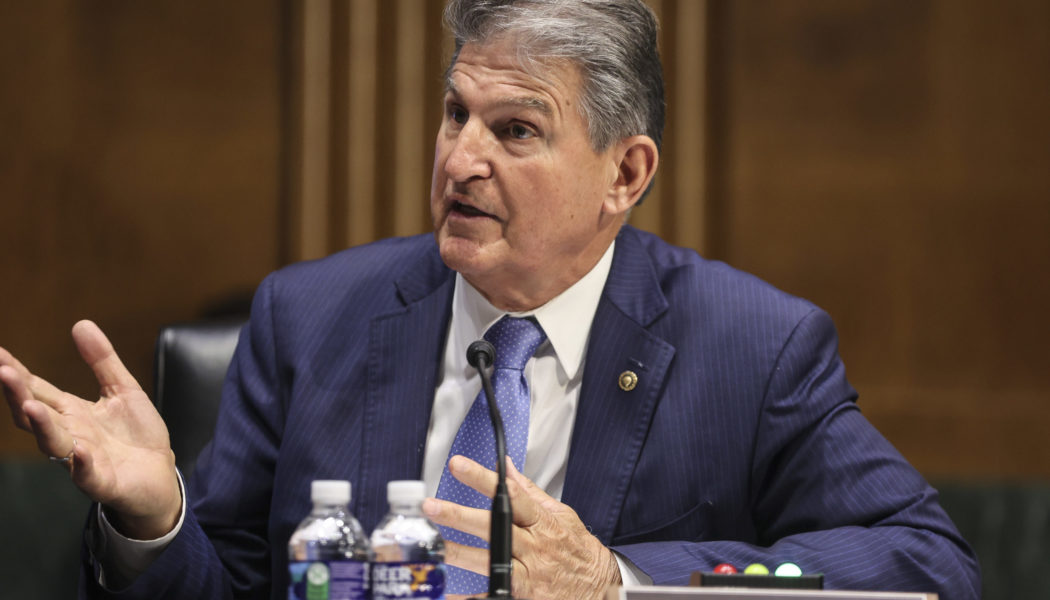
“The problem is not Manchin. The problem is not the Republicans. The problem is the majority of the U.S. Senate doesn’t give a damn about climate change,” Rep. Sean Casten (D-Ill.) said in an interview. While Congress has moved some measures that helped stimulate technologies that would help reduce fossil fuel use, it’s history is marked with notable failures. Here are some of the biggest fits and starts over the years in the Hill’s efforts to deal with climate change: STUMBLE: Senate’s 95-0 rejection of the Kyoto pact on climate change (1997) The Senate unanimously voted 95-0 on a resolution, dubbed the Byrd–Hagel resolution, to declare the United States should not sign on to any protocol or treaty agreement that mandated new emission reduction commitments unless it also mandated commitme...


US lawmakers ask about EPA, DOE monitoring of crypto mining emissions, energy consumption
Democratic legislators from both houses of the United States Congress have sent a letter to the Environmental Protection Agency (EPA) and Energy Department (DOE) to inform them of their findings on the energy consumption of cryptocurrency mining and asking the agencies to require mining to report their emissions and energy use. Meanwhile, the Paraguayan Senate, the upper house of that country’s legislature, has passed a comprehensive bill to regulate cryptocurrency and allow miners to use excess electricity generated in the country. The six U.S. lawmakers, led by crypto cynic Elizabeth Warren, noted in their July 15 letter that crypto mining in the United States has been increasing since it was banned by China last year. The seven crypto mining companies that responded to the legisla...

Time to accumulate? 5 sectors to watch during crypto winter
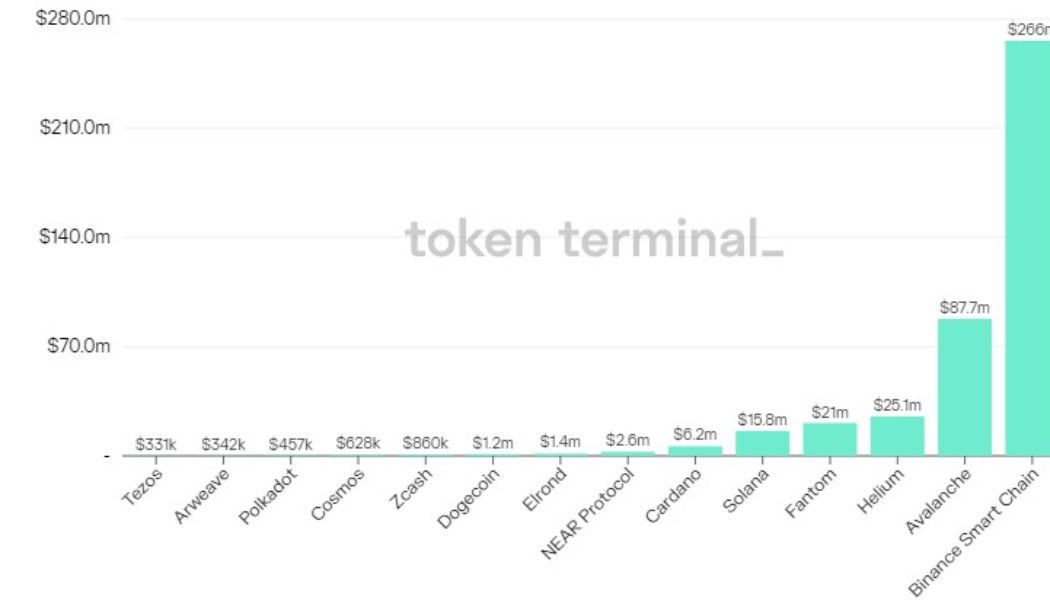
It’s weird to think that anyone could look forward to downturns in the crypto market, but that is precisely the position held by many developers and project creators who enjoy the low-pressure environment that exists during a bear market. As the saying goes, bear markets are for building, and now is one of the best times to survey the landscape to see which sectors of the market are most active in designing the platforms that will soar to new heights in the next bull cycle. Here’s a look at five sectors of the blockchain ecosystem that may present some of the best opportunities for accumulation while prices are low and demand is non-existent. Layer-1 protocols Layer-1 (L1) protocols like Bitcoin (BTC) and Ethereum (ETH) form the foundation that much of the cryptocurrency ecosystem is...


SEC commissioner Allison Lee departs, readying financial regulator for Jaime Lizárraga
Allison Herren Lee, one of five members of the United States Securities and Exchange Commission’s board, has officially left the regulatory body after more than three years as a commissioner. In a Friday announcement, chair Gary Gensler and commissioners Hester Peirce, Mark Uyeda, and Caroline Crenshaw said Lee had left the SEC, where in 2005 she started as a staff attorney at the agency’s enforcement division at a regional office in Denver. She moved on to be appointed a commissioner in 2019 under the former presidential administration, and later served as acting chair to the regulatory body for three months, until Gensler’s confirmation in April 2021. “Commissioner Lee has been a stalwart advocate for strong and stable markets, including by emphasizing the need for market participants to...


Crypto Biz: 3AC’s founders are nowhere to be found
In the world of crypto, there’s no such thing as “too big to fail.” Three Arrows Capital, once the most recognizable hedge fund in the industry, has essentially gone belly-up after its founders believed their own hype and decided to go full-degen mode during the worst macro climate of a generation. Since the proverbial shit hit the fan last month, founders Kyle Davies and Su Zhu have kept a very low profile. So low, in fact, that their whereabouts remain a mystery, according to court documents. This week’s Crypto Biz chronicles the latest developments surrounding Three Arrows Capital and explores Grayscale’s legal proceedings against the United States Securities and Exchange Commission (SEC). Liquidators can subpoena 3AC founders despite ‘tricky issues’ with crypto assets We may not ...

Manchin disputes claims he rejected Dems’ climate and energy spending
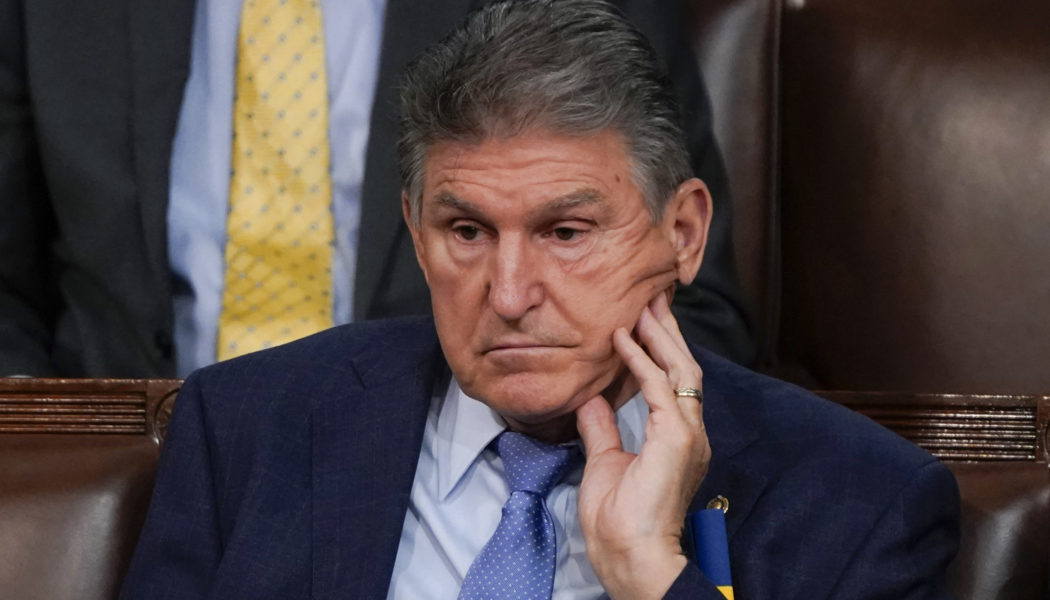
POLITICO reported late Thursday Manchin had rejected the proposed energy and climate investments as part of the budget reconciliation package. Manchin earlier in the week expressed concerns over the package following new inflation figures that climbed to 9.1 percent, telling reporters anything Democrats pass needs to be “scrubbed” to make sure its not inflationary. But Manchin sought to keep the door open on talks Friday, which he said have been productive on the climate measures for months. “As far as I’m concerned, I want climate, I want an energy policy,” he said. “I think we need an energy policy that works for our country,” the Senate Energy Committee chair added. “I think we need an investment into the new technologies that will be totally carbon-free and we can do that also with tho...


Democrats, climate activists grasp for comeback after blow from Manchin
“I struggle to contemplate what single elected official in American history will do more to cause more massive suffering,” Sam Ricketts, co-founder and co-director for the environmental group Evergreen Action, said after news of Manchin’s rejection broke Thursday night. “There’s numerous examples, but if you want to look decades out from now, this decision by this one senator from West Virginia is going to have repercussions that affect millions, if not billions.” Democrats have struggled for months to pass a slimmed-down climate and energy package as part of a budget reconciliation bill that would require the support of all 50 Senate Democrats, including Manchin. He had previously said he could reach agreement on climate if legislation included elements helping both renewables and fossil ...


Biden’s quiet campaign to bring Saudi Arabia around on climate
Jake Schmidt, senior strategic director of international climate with the Natural Resources Defense Council, summed up Kerry’s strategy succinctly: “It’s embarrass Saudi Arabia.” Persuading Saudi Arabia to take greenhouse gas emissions seriously is central to keeping temperature increases in check. Temperatures would soar past 1.5 degrees Celsius of warming since pre-industrial levels, baking in catastrophic effects if Saudi Arabia produces its massive reserves of untapped oil. Yet the kingdom has long played the role of spoiler in international climate efforts. It often throws up delays and seeks to obfuscate at United Nations climate negotiations or in the critical reports from the Intergovernmental Panel on Climate Change, which reviews and compiles authoritative research on the topic. ...
