

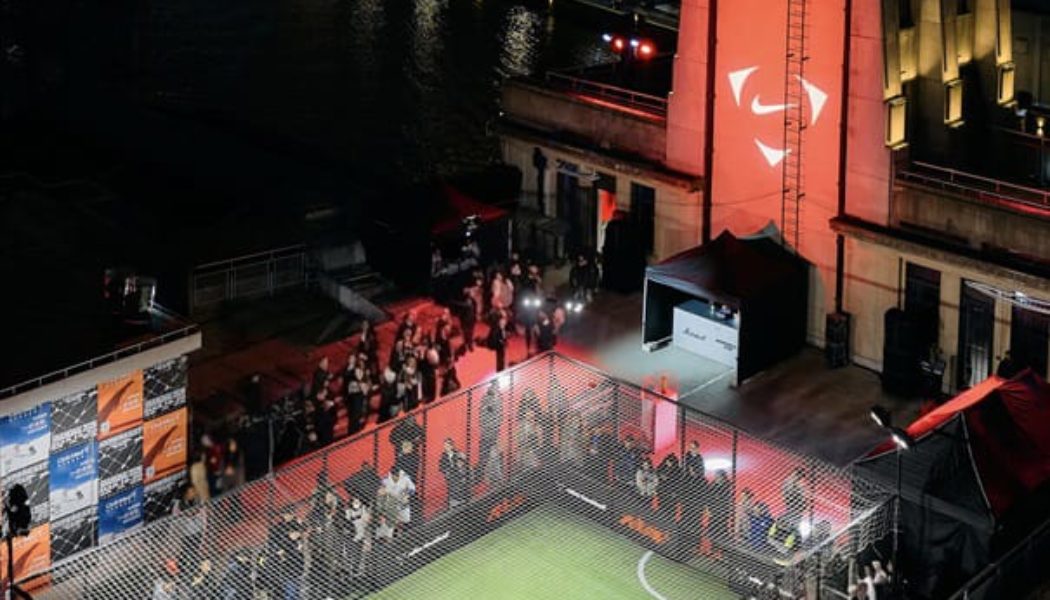
As the 2026 World Cup countdown begins, the way football is being discussed is undergoing subtle changes. While the spotlight still shines on professional leagues, national teams, and top players, the intense focus is gradually extending into different arenas—streets, communities, media, and even daily life expressions. Football is becoming a more multi-dimensional experience, with participants at various levels bringing it to life in their own unique ways.
Nike Toma MIAMI
Nike
In this context, if we look at Nike Football’s actions globally over the past six months, it becomes clear that they aren’t simply about a “return” or an emphasis on a single style of football. Instead, Nike is driving multiple things forward simultaneously: On one hand, it continues to serve professional stadiums and enhance athlete performance; on the other, it’s enabling more people to engage with football in different ways. From Portland to Miami to Shanghai, these seemingly scattered events are slowly piecing together a more complete picture of contemporary football.
Before the whistle blows, jerseys already learn to breathe.
Nike
Nike
At the end of 2025, Nike hosted the Nike Innovation Football Camp at their Portland headquarters—not a simple historical exhibition, but a bold move forward. Decades of Nike’s football innovations were reimagined in ways that could be understood and experienced today: from early milestones in football innovation, to iconic shoes and jerseys that left their mark on different eras, to the legendary athletes who wowed generations. Every historical element was reactivated, turning “history” into a present-day expression. Undoubtedly the most captivating moment was the unveiling of the revolutionary Aero-FIT fabric technology and the surprise appearance of Francesco Totti, bringing the connection between past and present to its peak.
One of the major highlights was the groundbreaking Aero-FIT fabric technology, Nike’s most breathable material to date, which was featured prominently at the event. In Portland’s Mad Research Lab, Hypebeast delved into the athlete’s world to see how Aero-FIT responds to the ever-increasing challenges of heat. During a two-hour co-creation workshop, the Aero-FIT jersey became the creative canvas, blending performance innovation, creative expression, and football culture. During the first day of the Hypebeast Cup, Nike’s Senior Director of Global Football Apparel Design, Stuart McArthur, also shared the magic of this technology.
Before the whistle blows, jerseys already learn to breathe.
Nike

Nike
Nike

Nike
Nike
Nike
Nike
Nike
Nike
Nike
Nike
Nike
Nike

Nike
Nike
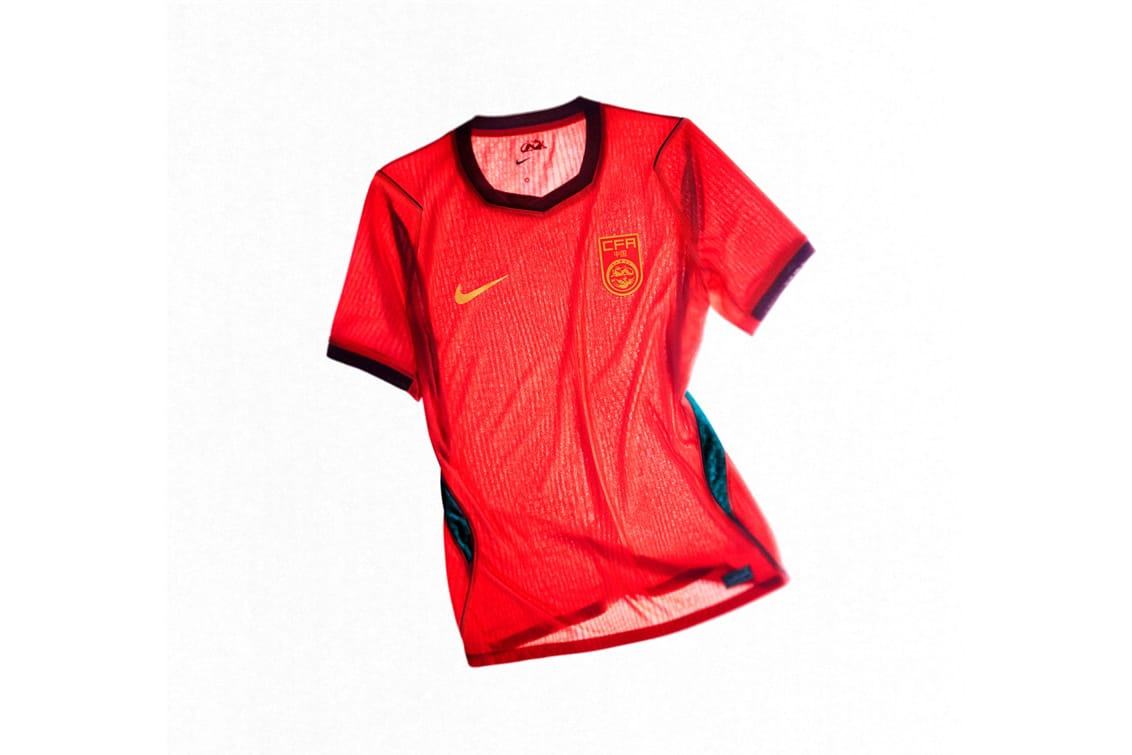
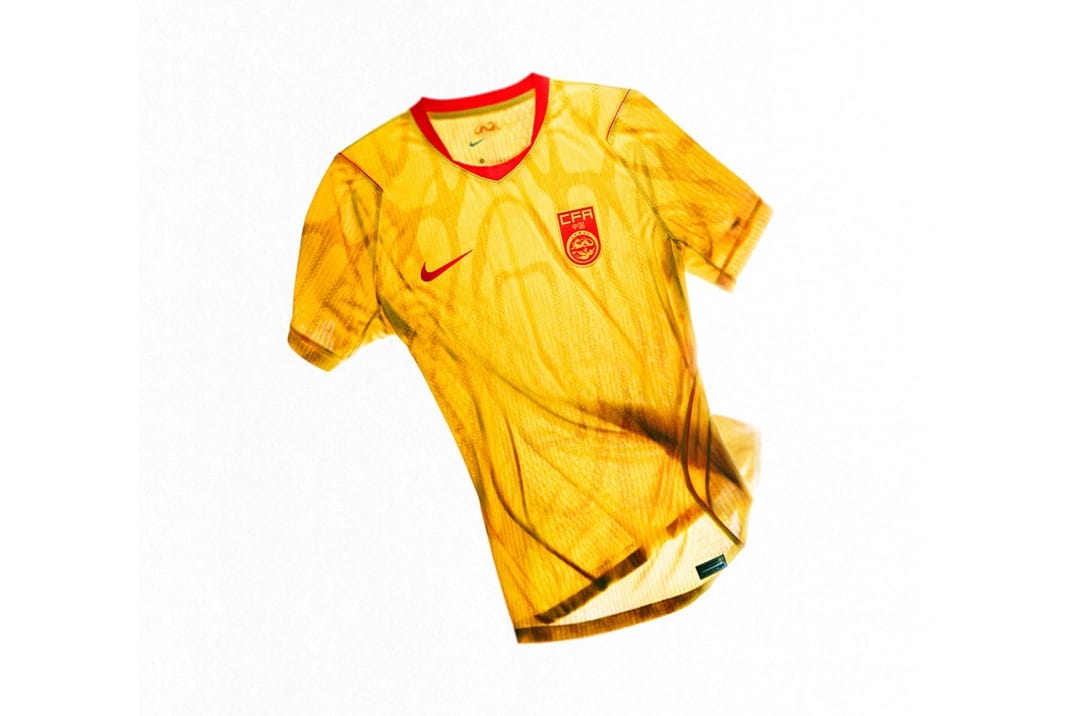
It’s in this context that Aero-FIT was integrated into the 2026 national team jerseys, becoming the core foundation for the designs of this World Cup cycle. As high temperatures increasingly impact the playing field, jerseys are no longer just visual or identity symbols; they must also address immediate physical challenges. Through adjustments in structure and fabric weaving, Aero-FIT boosts air circulation while maintaining a lightweight feel, incorporating patterns and prints directly into the fabric itself, eliminating the need to sacrifice performance for aesthetics. On March 27, China’s national football team, wearing the new Aero-FIT jerseys, triumphed over Curacao in the 2026 international qualifiers, marking a strong start. Nike’s new kit for China combines traditional colors and cultural symbols with fresh, dynamic visual elements, offering players and fans a rejuvenated matchday experience.
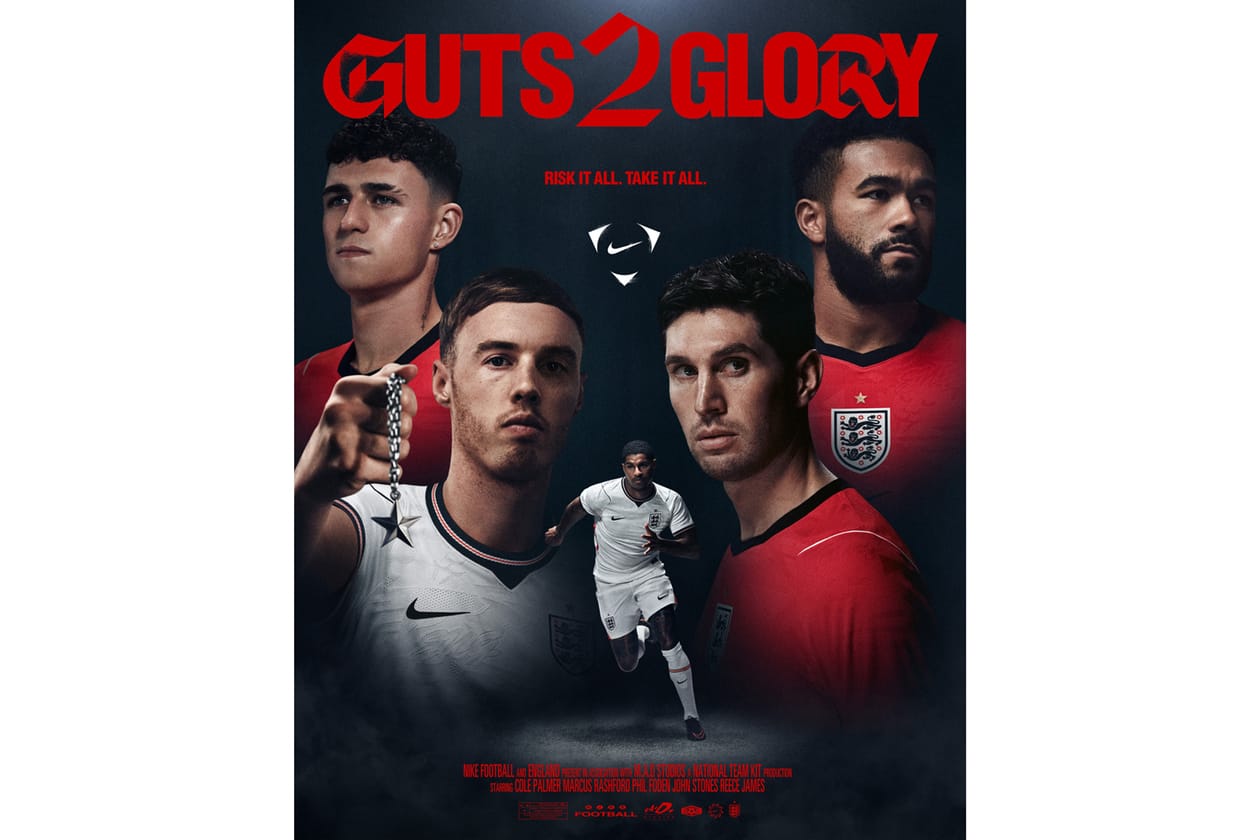
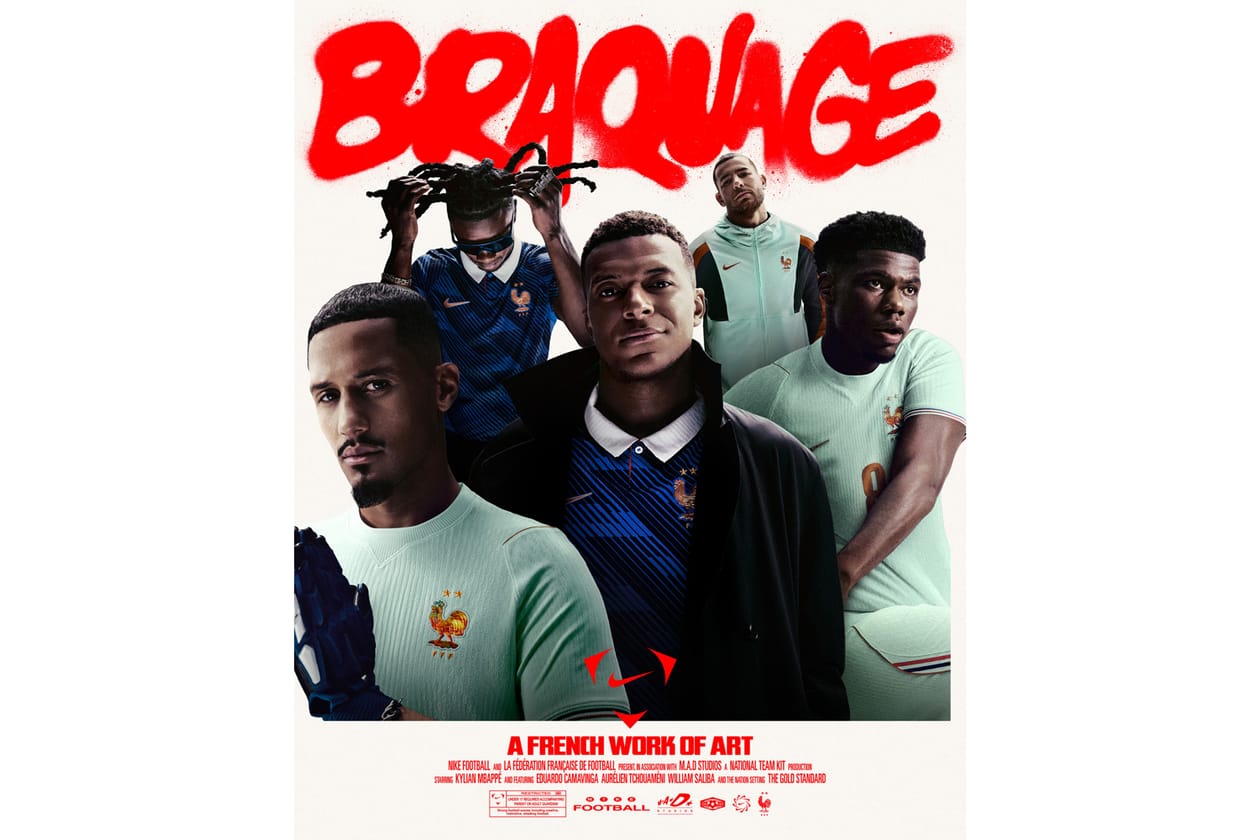
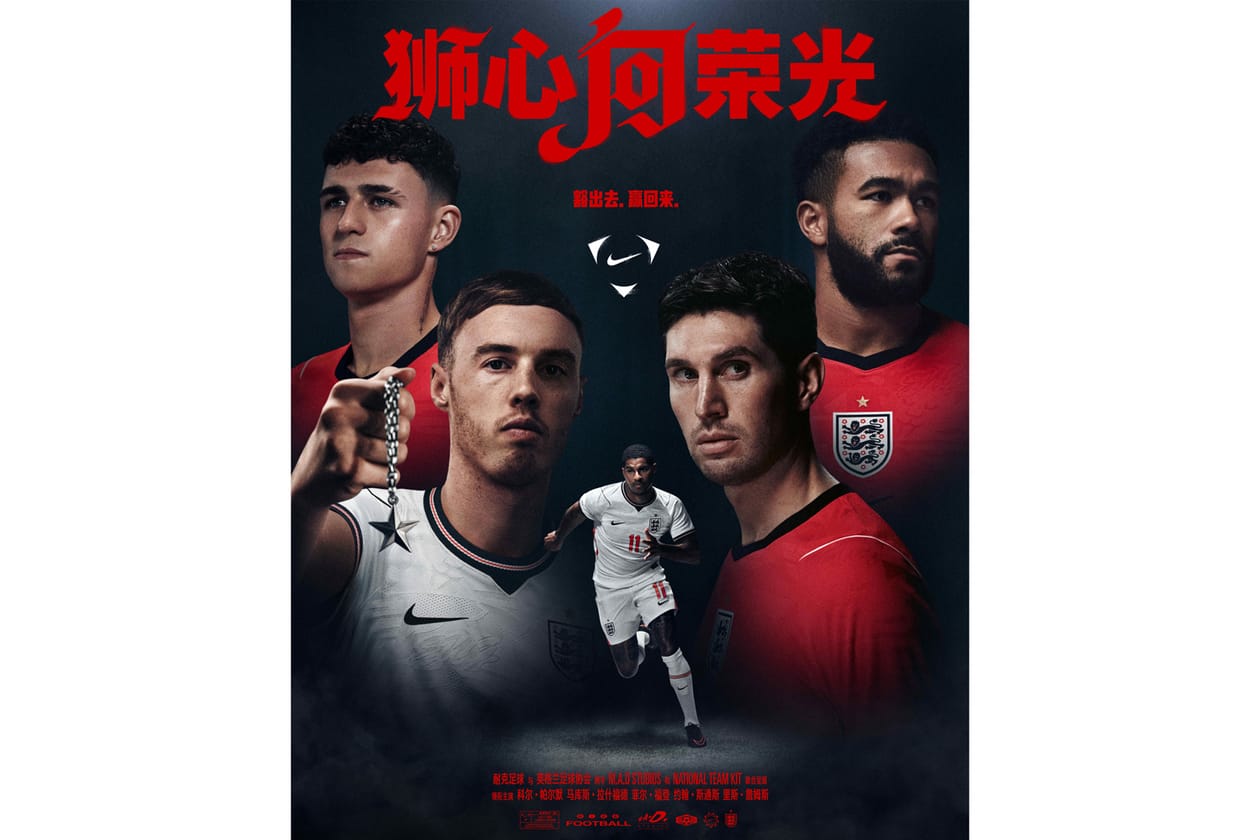
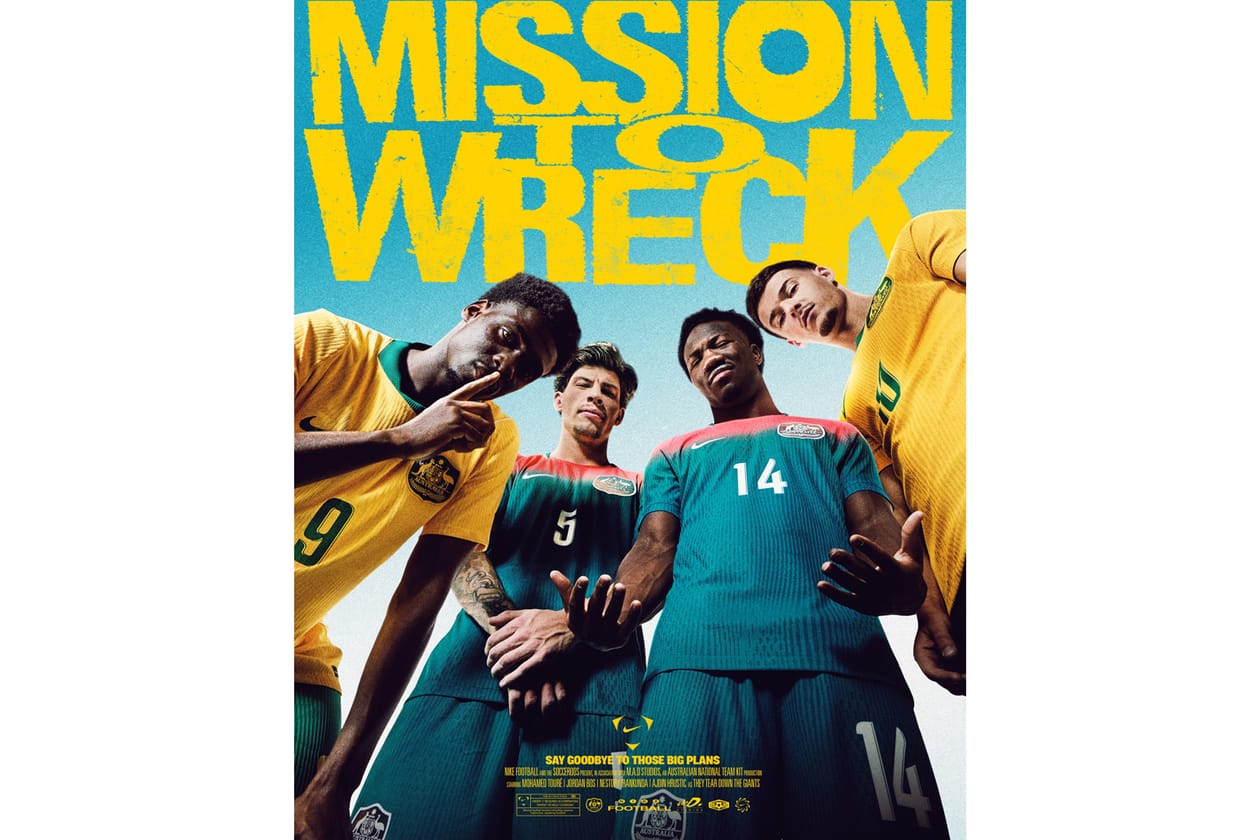
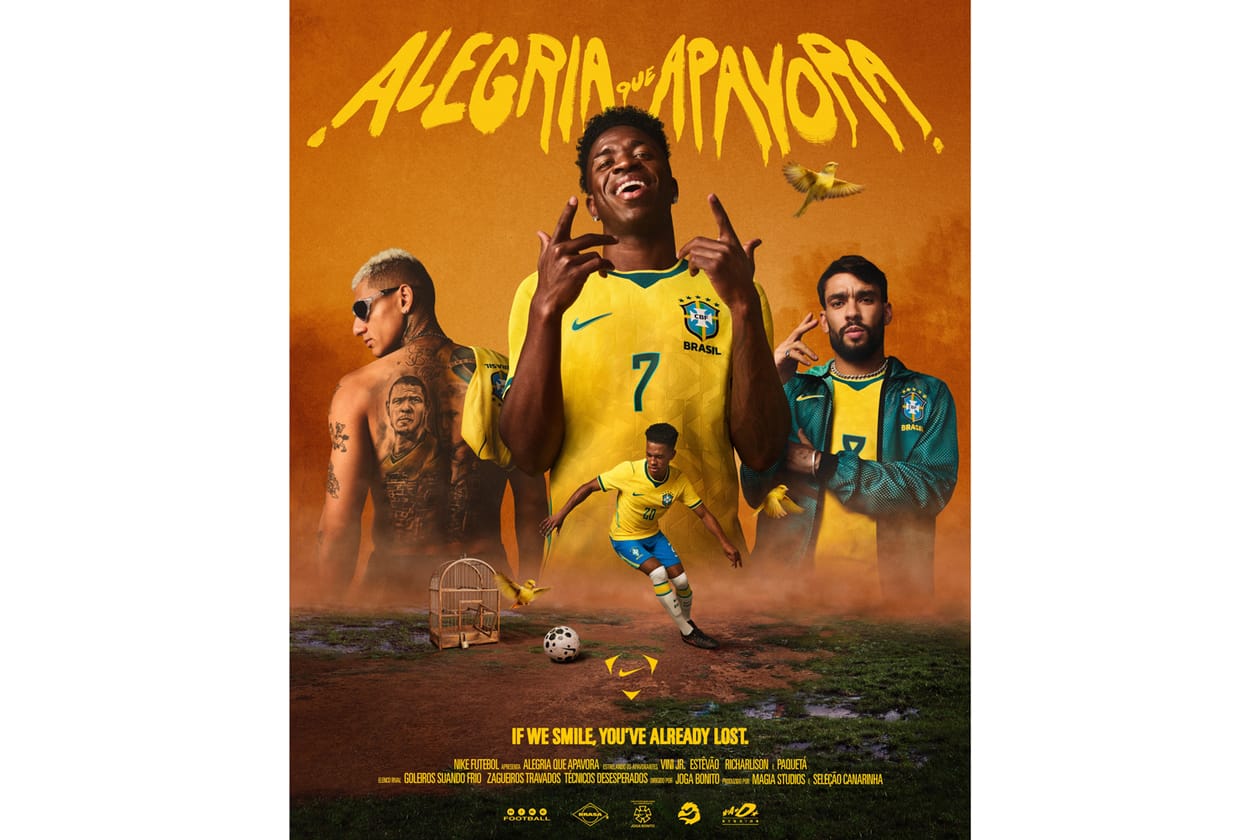
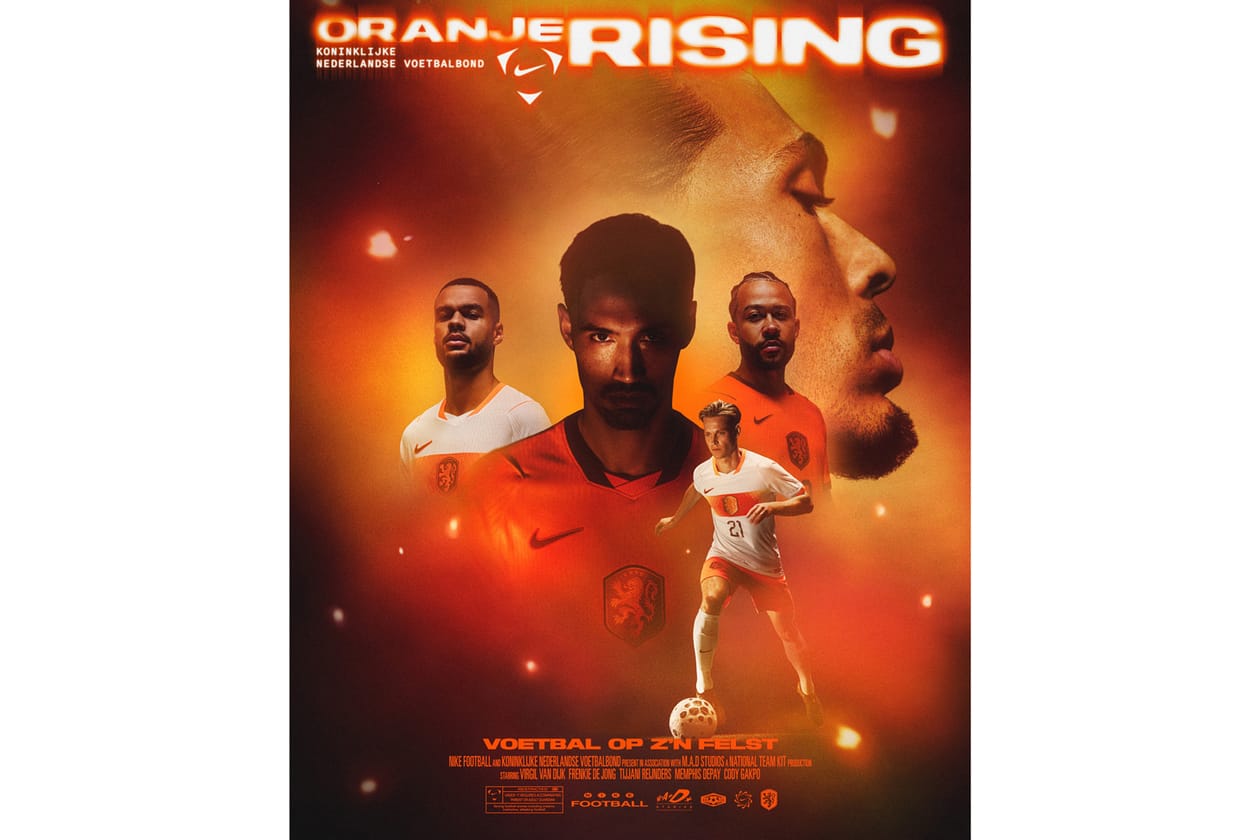
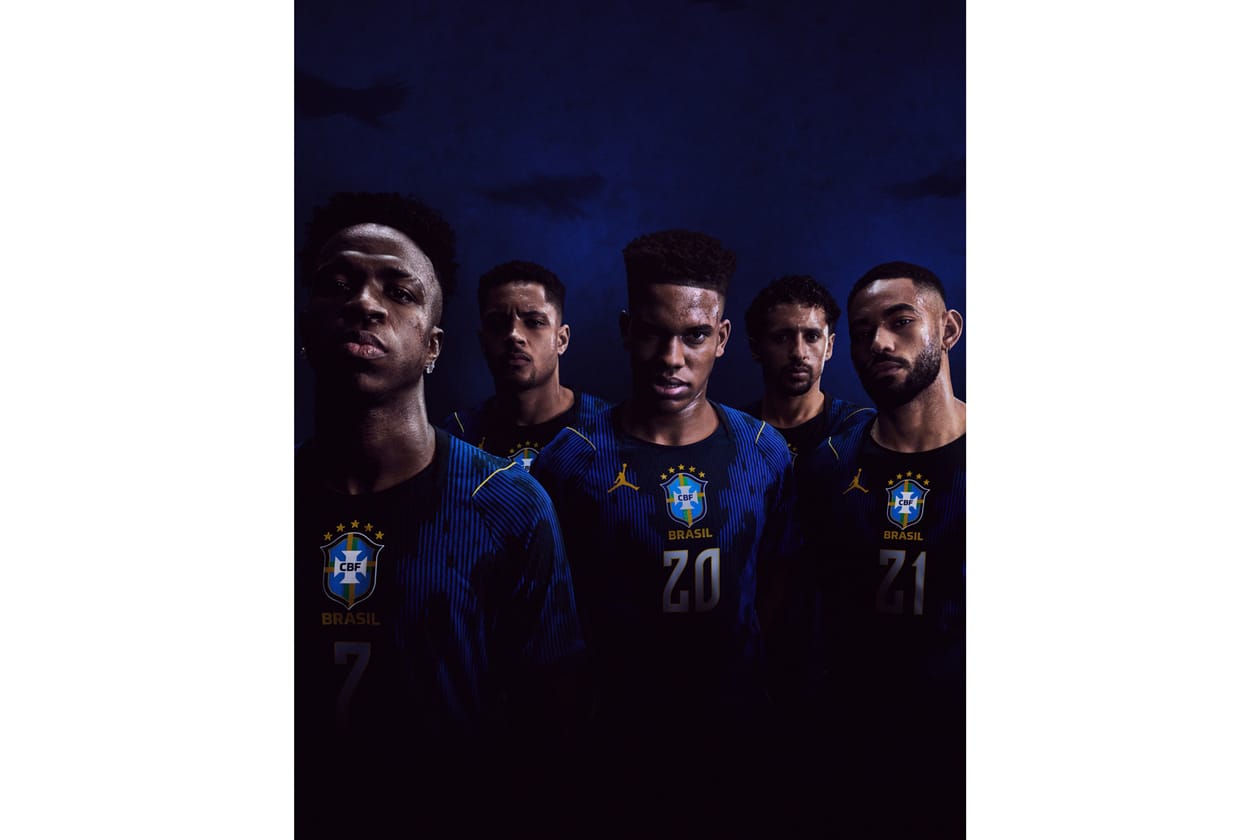
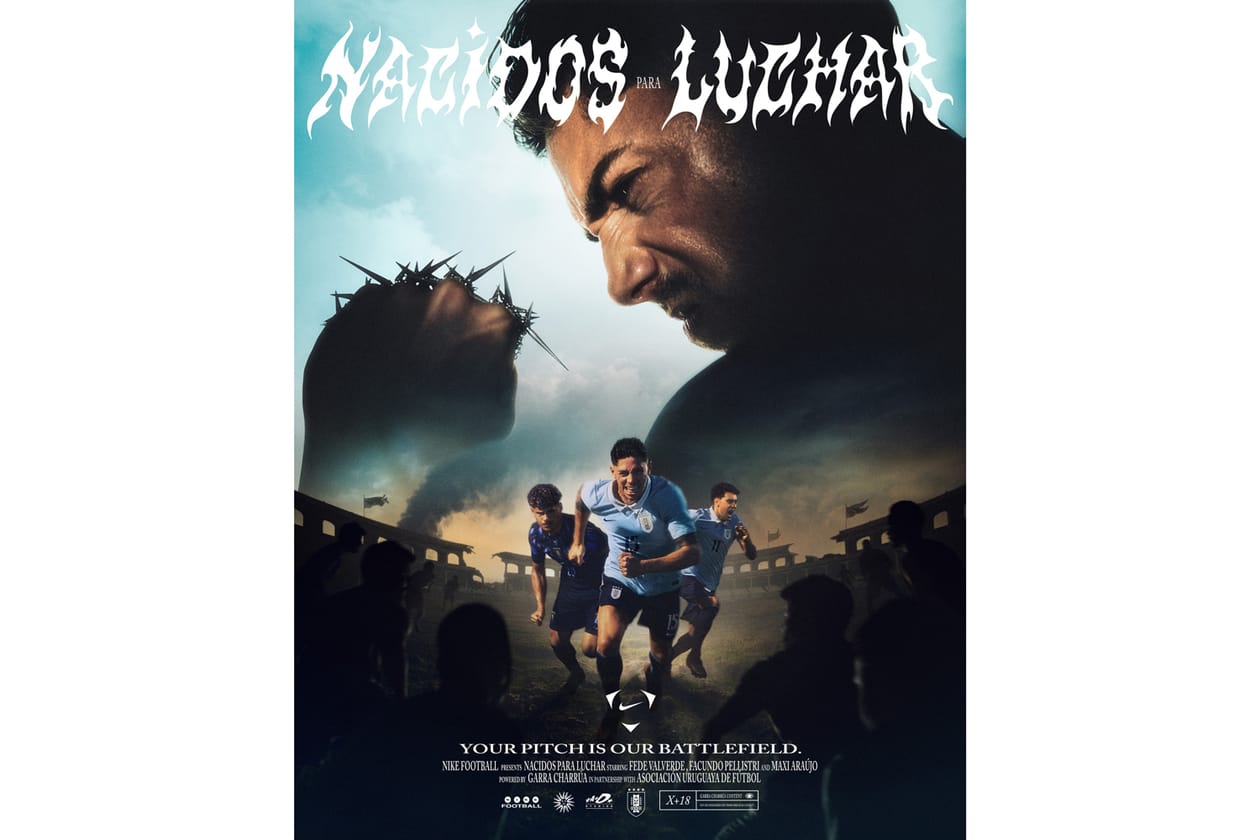
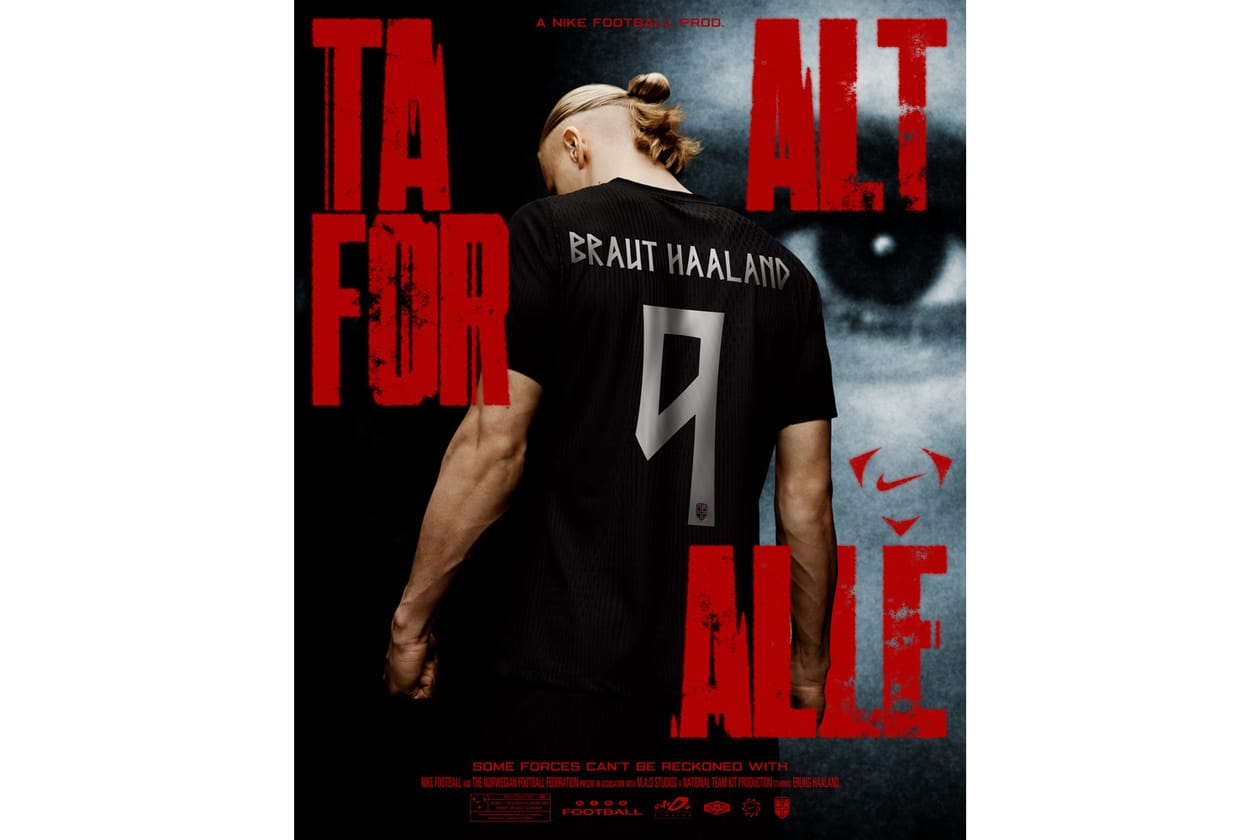
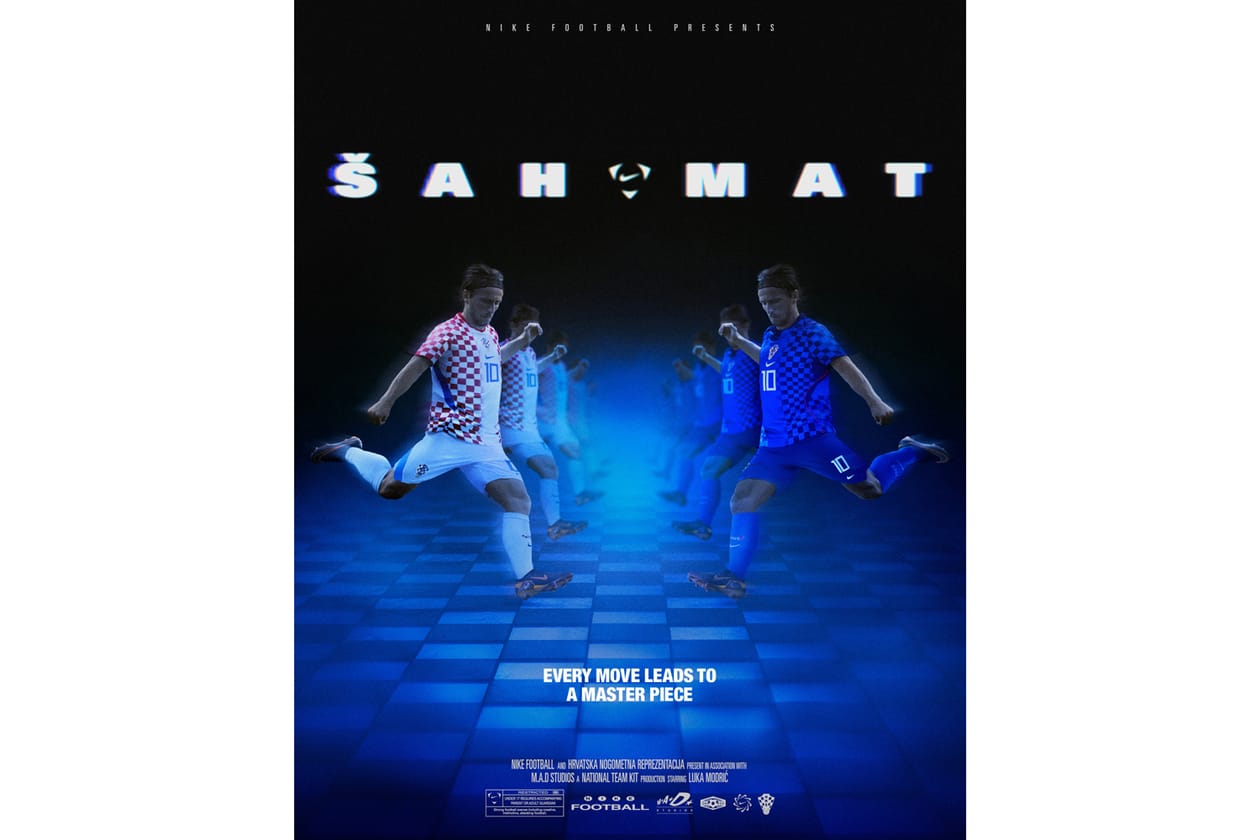
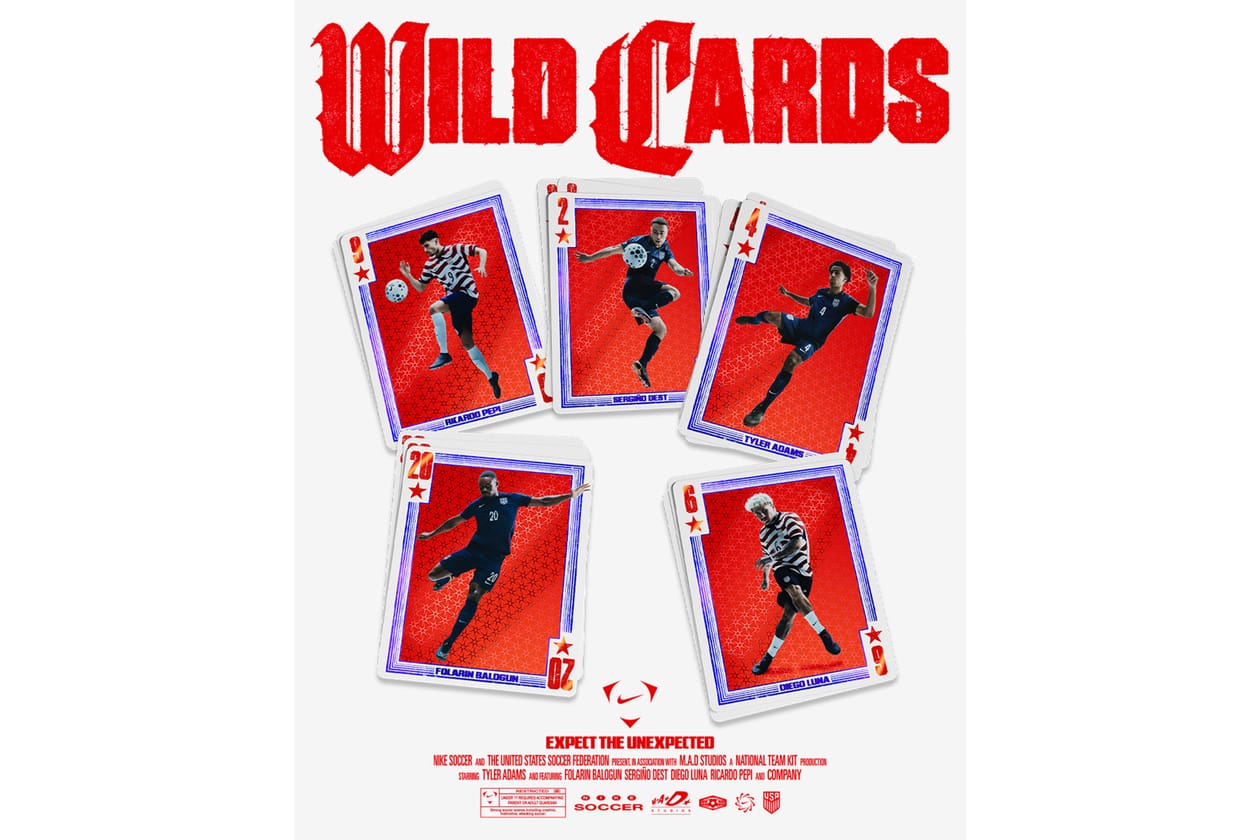
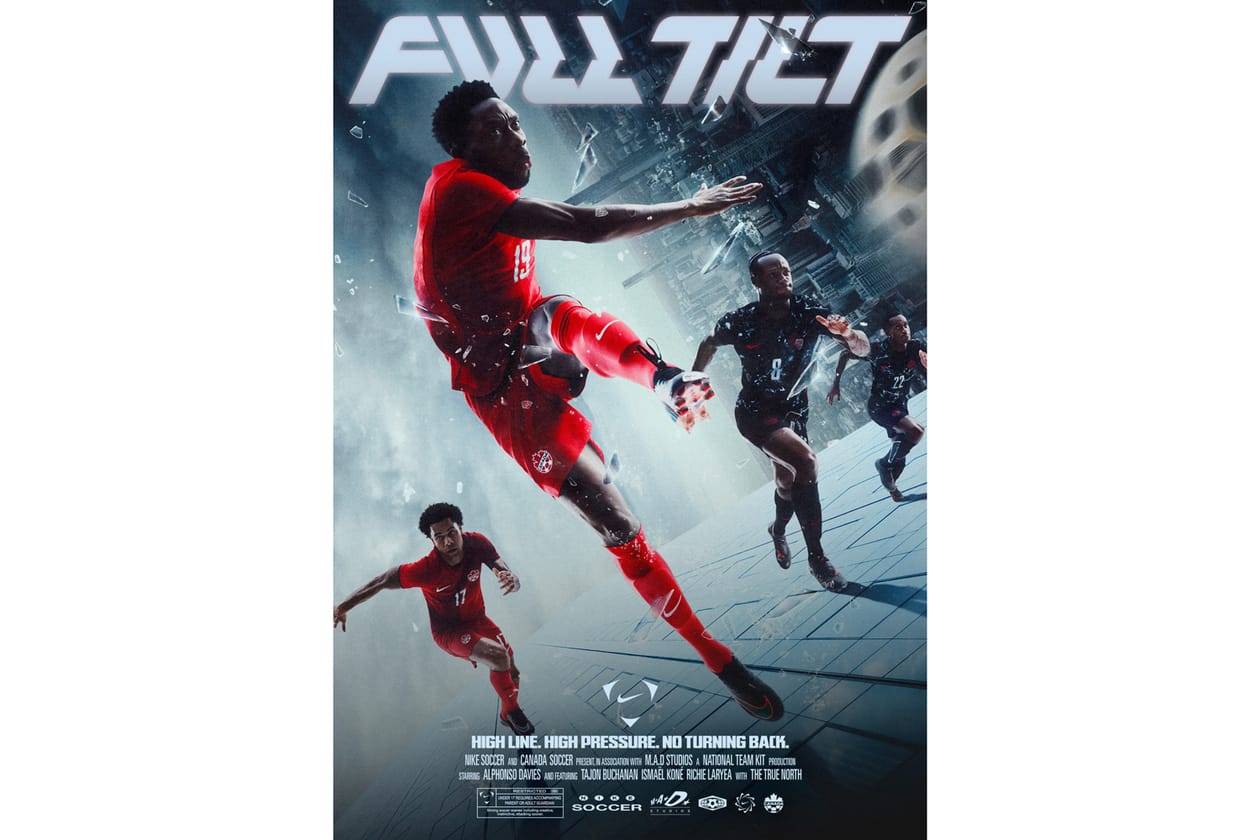
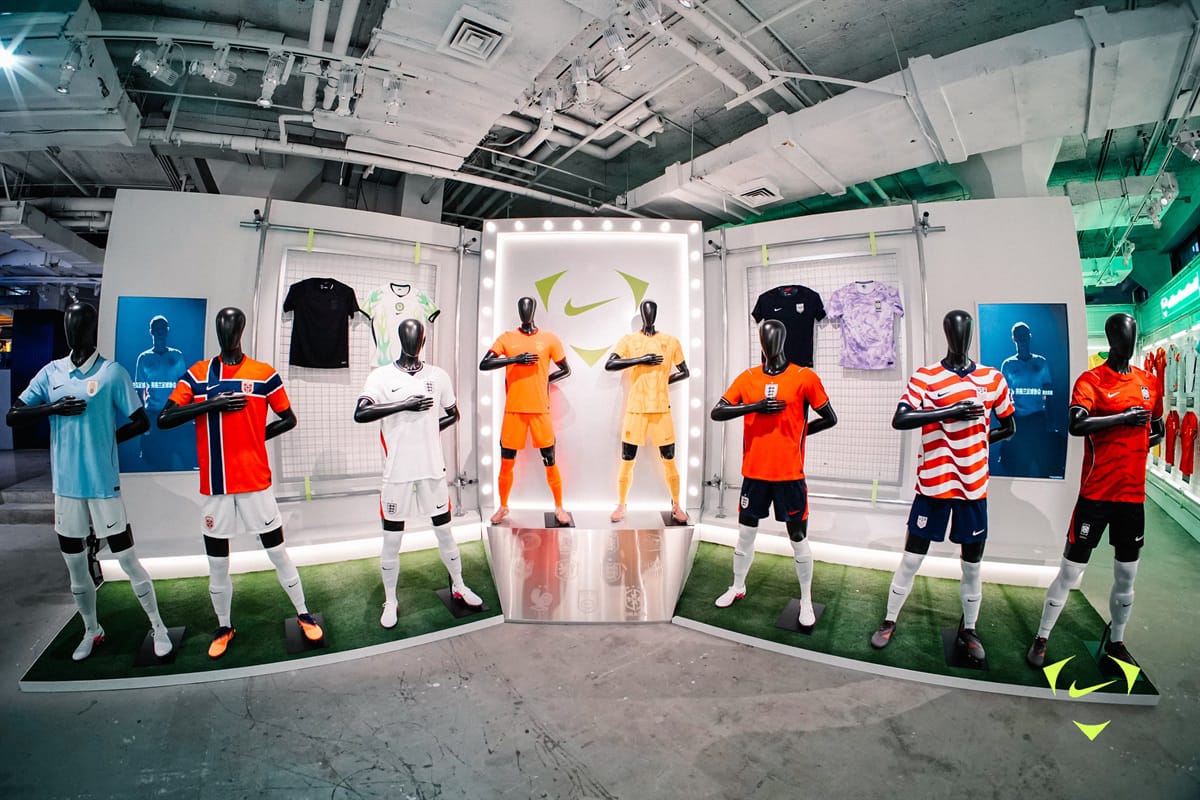
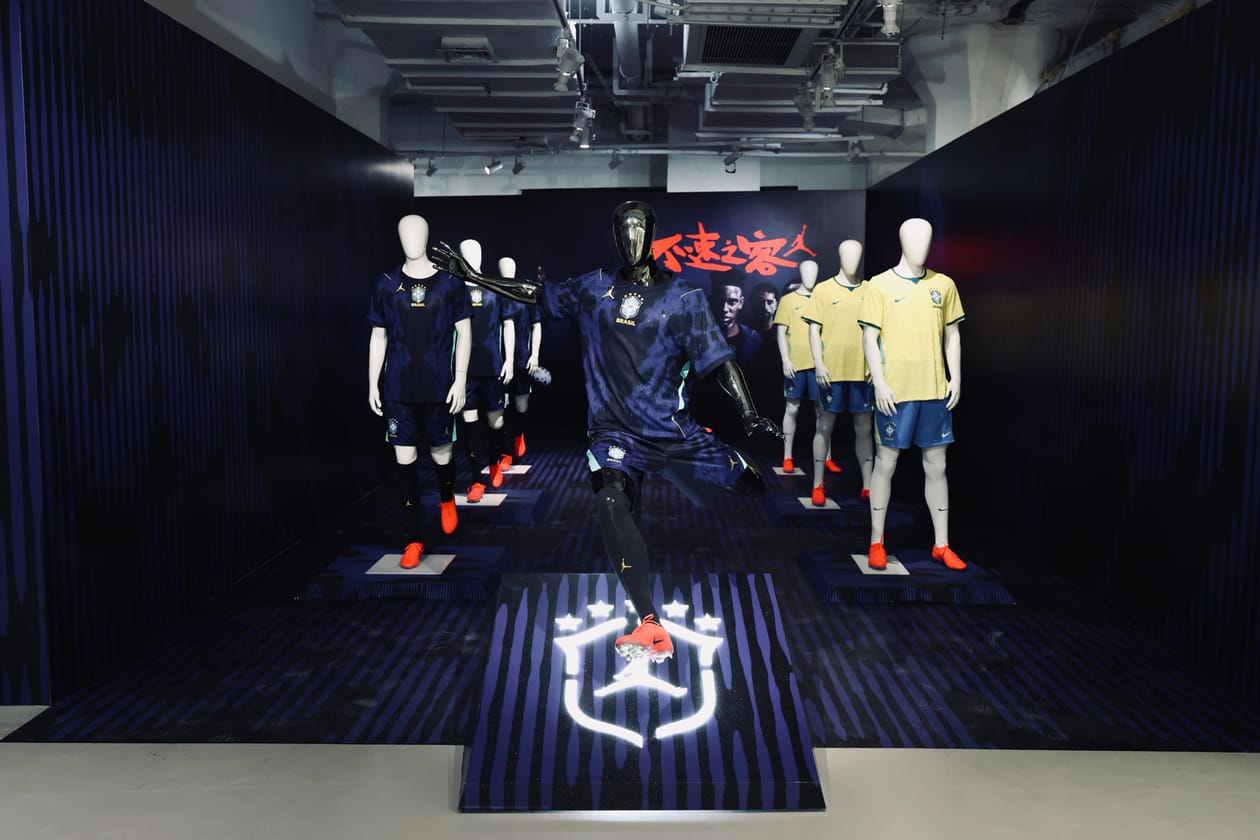
Nike’s new national team jerseys also offer a more narrative-driven design. Under a unified design language, each jersey revolves around the unique identity of its team, continuing tradition while introducing bold visual expressions. From Brazil’s “frightening smile” to France’s “great heist,” from the Netherlands’ “orange dominance” to England’s “lion-hearted glory,” the cultural essence of each country is translated into dramatic graphic language. From the field to the streets, these jerseys remain the most direct expression of football culture, continuously reinterpreted in the daily lives of fans.
Hypebeast Cup Shanghai: Football Beyond the Field
Nike
Nike
Nike
Nike
Nike
Nike
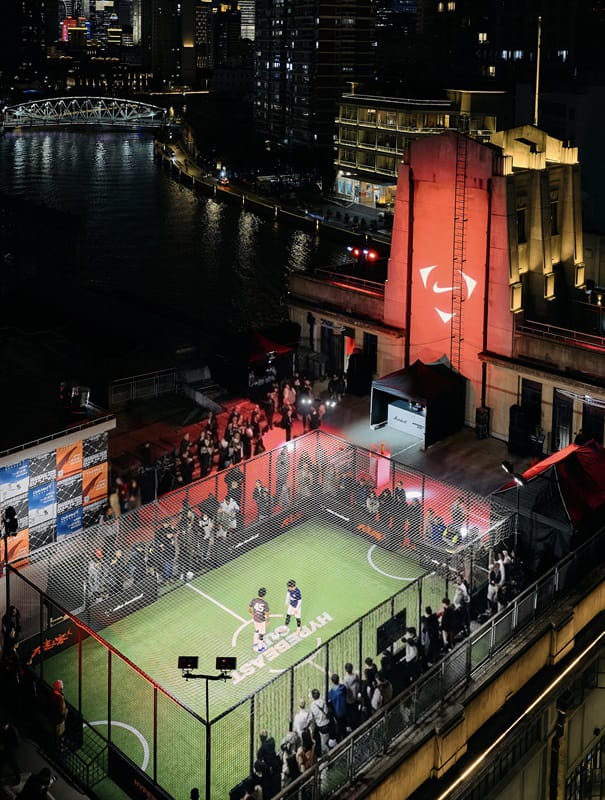
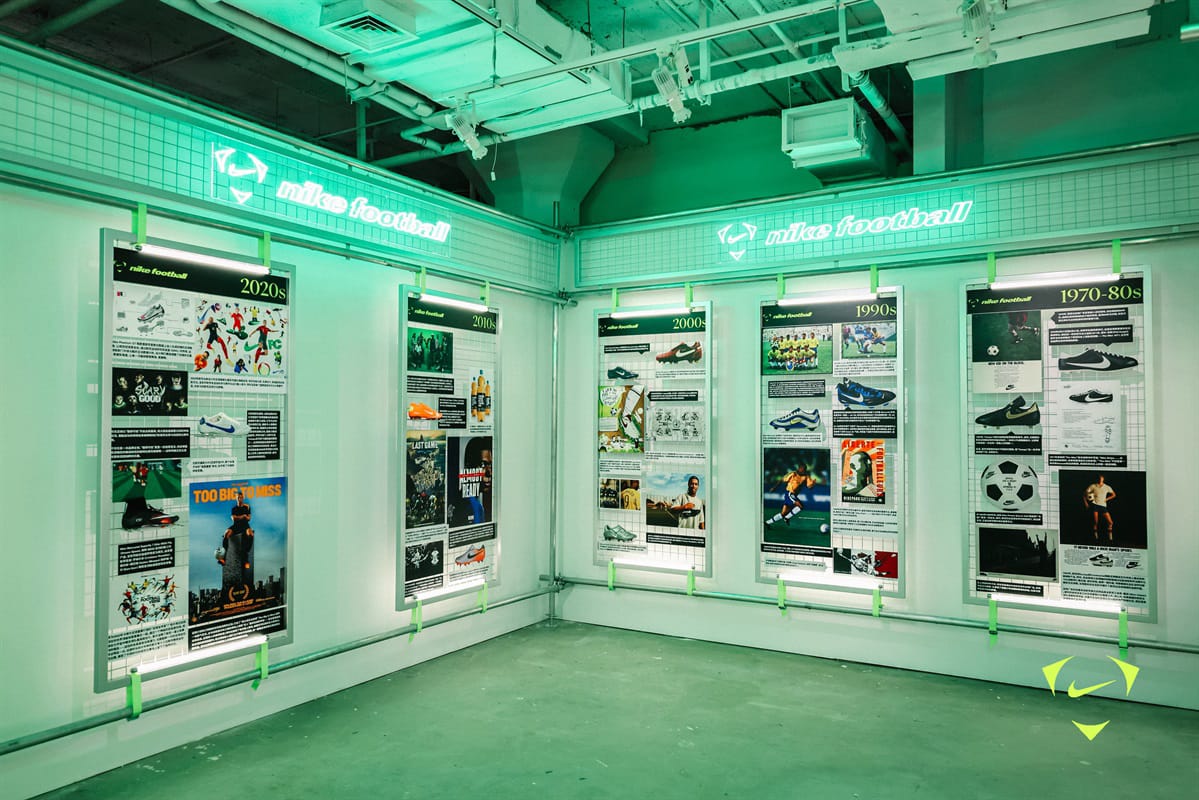
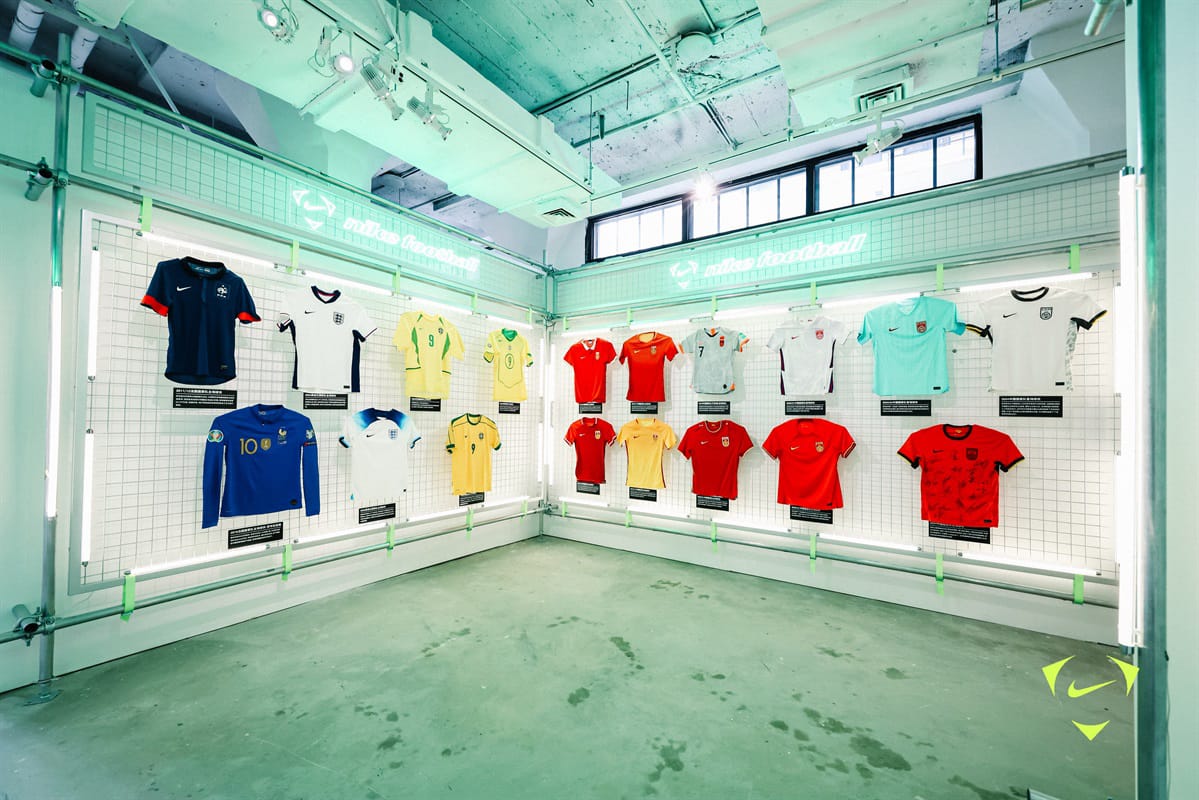
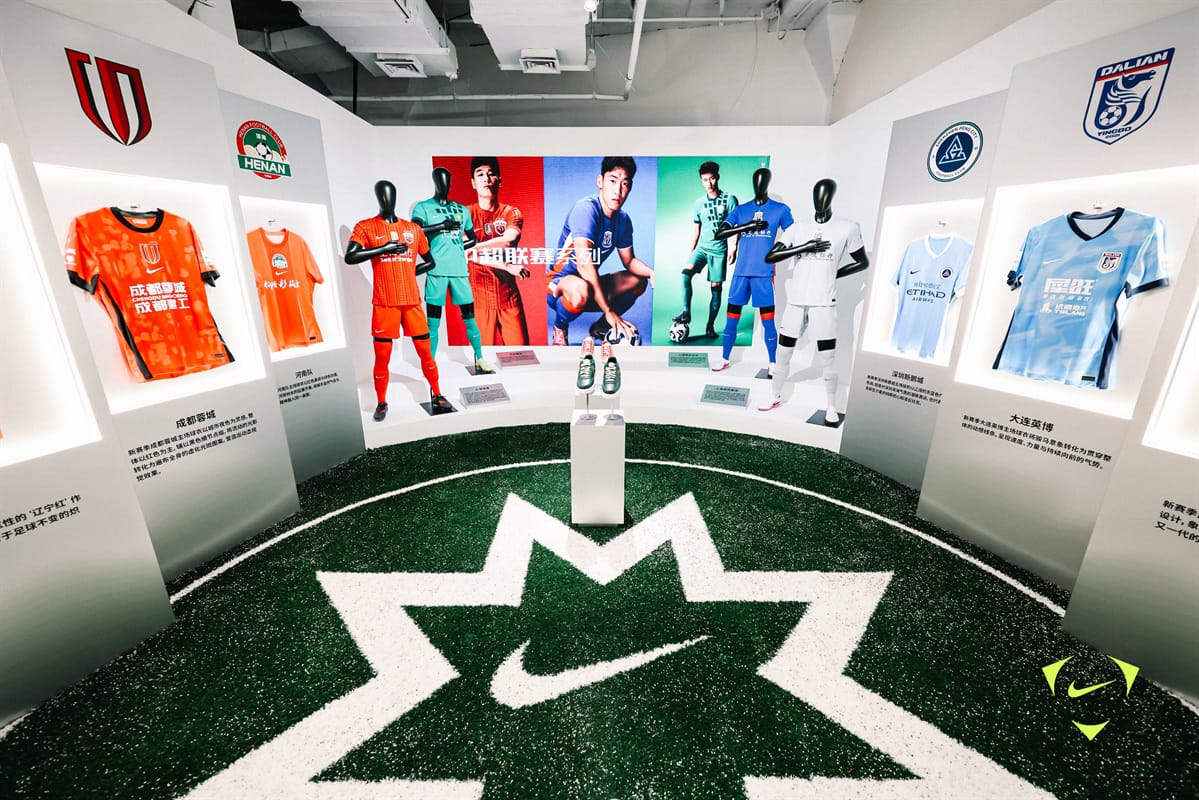
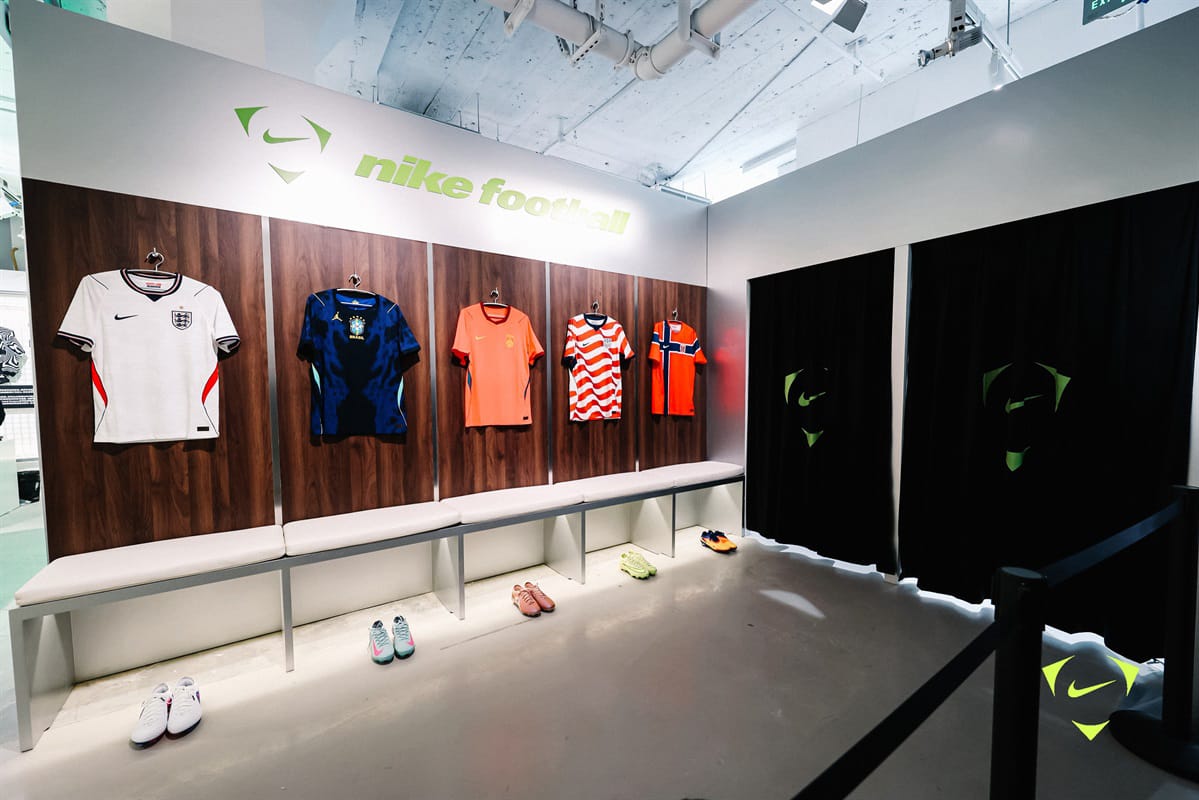
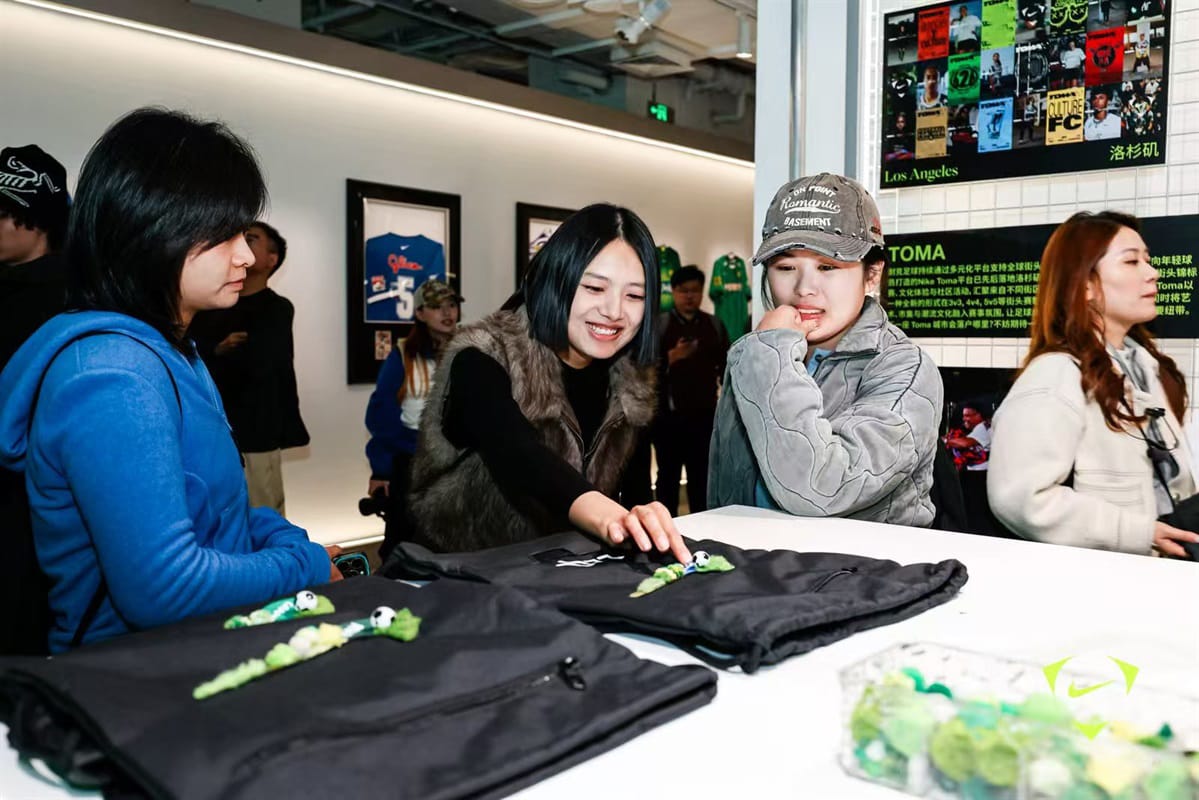
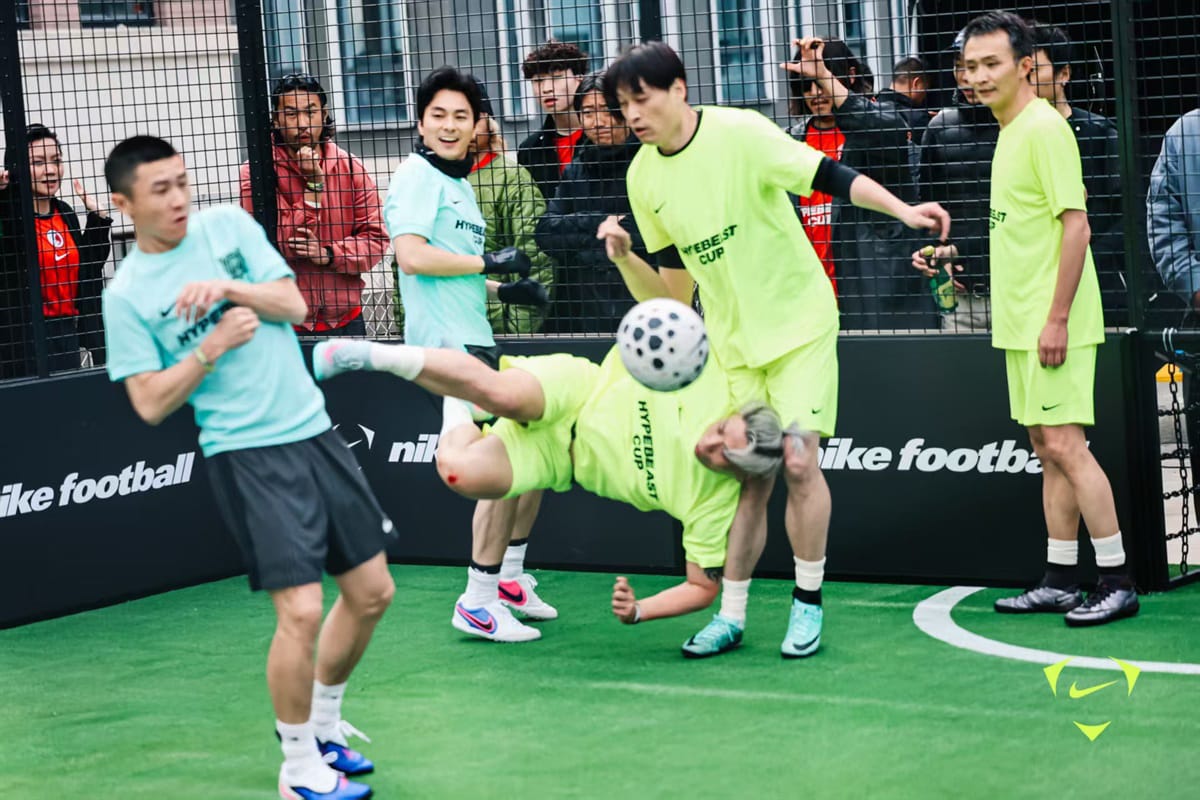
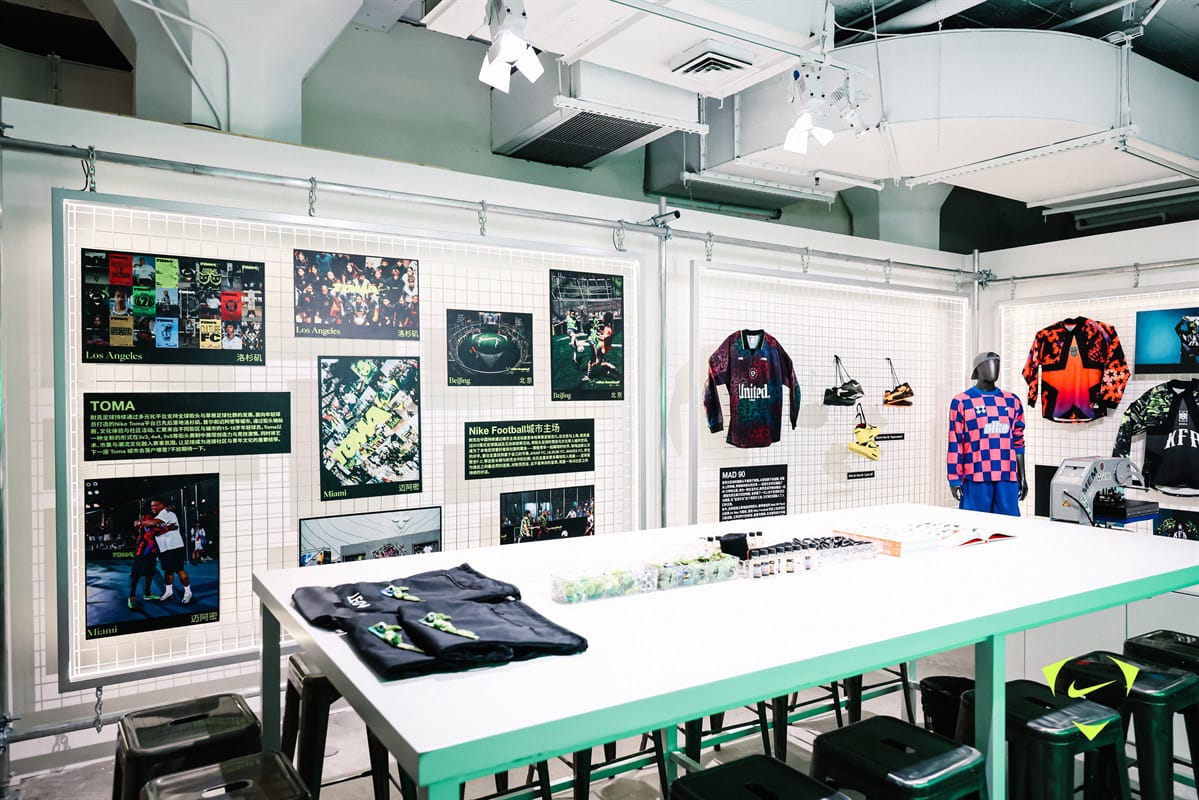
If Nike Football’s global actions have built a unique expression of the brand, the Hypebeast Cup in Shanghai brought this framework directly into the real world. Around the 2026 World Cup cycle, products and content were presented to football and streetwear fans alike, offering a hands-on experience—everything from the Heritage archive jersey exhibition, the new national team kits designed for modern competition, to the Aero-FIT experience area that showcased cutting-edge fabric technology. Nike condensed the past, present, and future into a single space.
Nike
Nike
Nike
Nike
Nike
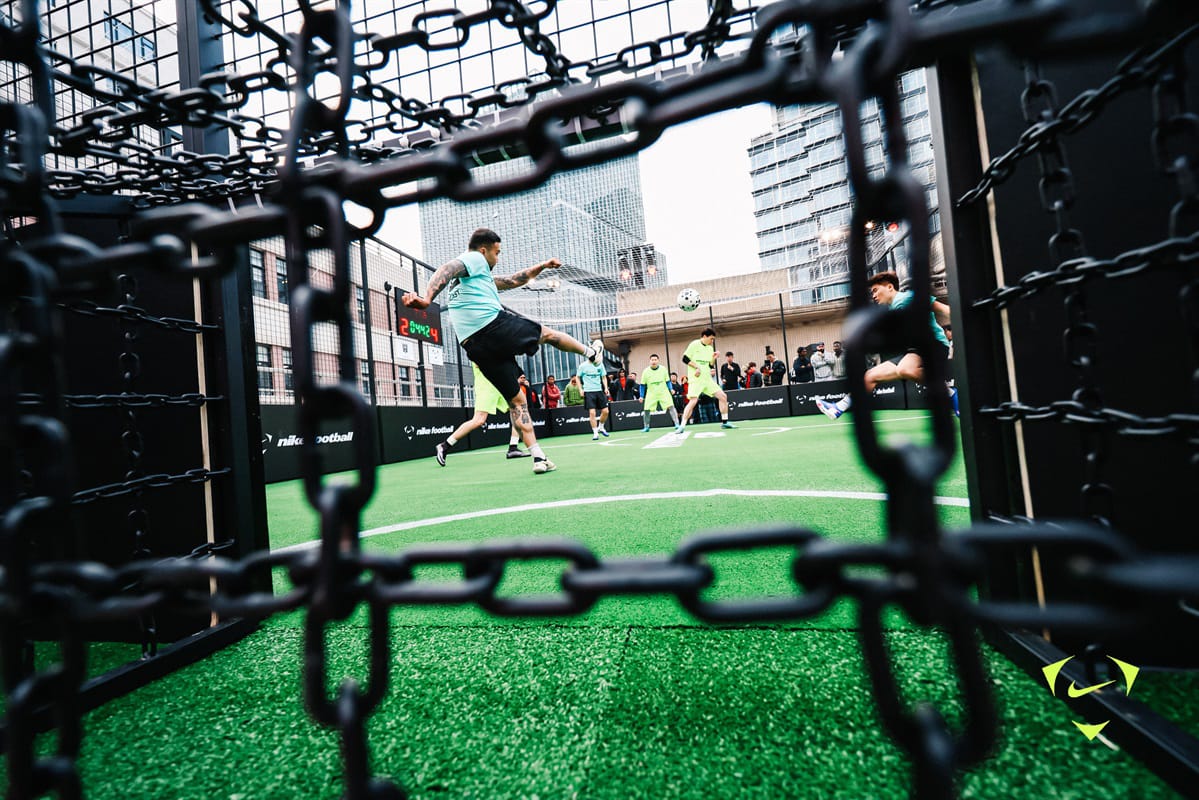
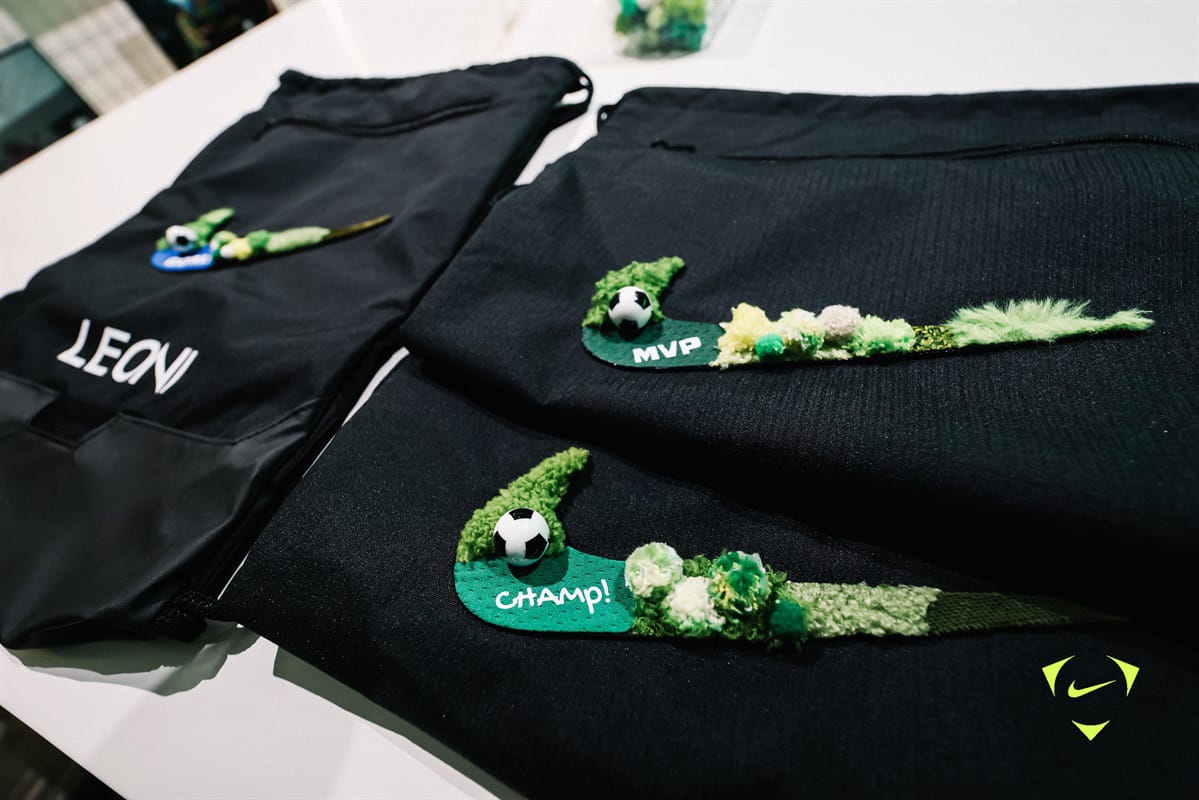
The Hypebeast Cup was more than just a tournament or exhibition; it became a living, breathing space for football culture. Technology served performance, products carried history, and communities provided a medium for expression—football was no longer just something to watch, but a language everyone could participate in and redefine. Over the two days of the event, this participatory culture was amplified—looser rhythms and more street-inspired challenges turned the game itself into a form of expression.
In this context, Nike Toma presented an entirely new form of street football: restless, chaotic, free, yet deeply immersive. In this space, everyone is the protagonist, and offense is the only language. Nike nurtures the next generation of football culture in a pure way, cultivating a culture that belongs to the youth. During the Nike Toma Miami finals in December 2025, Hypebeast also followed the perspective of Mika to experience the charm of Toma first-hand. Perhaps in the near future, Chinese football fans will also experience their own Toma locally.
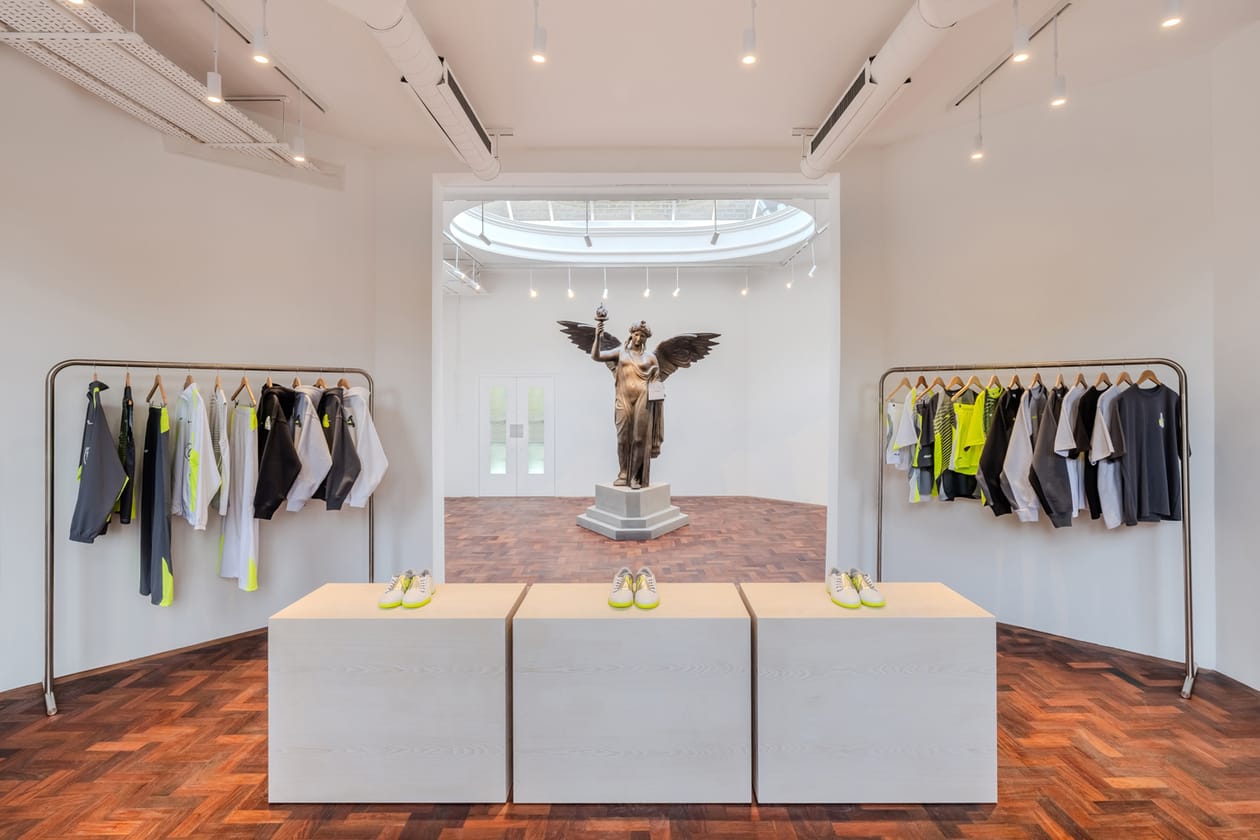
End of 2025, Nike and PALACE open Manor Place in London
Nike
From the field to the street and daily life, football’s rhythm naturally flows into urban culture. Nike Football’s iconic memories are being reimagined here—from the earlier Hollywood Keepers series, which reinterpreted classic goalkeeper kits through a street lens, to the upcoming MAD 90 collection, which incorporates iconic boot design language into daily wear. Each item allows the rhythms and emotions of specific eras to continue unfolding in the streets and communities, reinterpreted by real-life crowds. The boundaries between on-field and off-field are fading; football is no longer just about matches but a cultural practice that’s always ready to be engaged with and expressed.
Marcus Rashford in PALACE SKATEBOARDS x Nike England National Team Kit
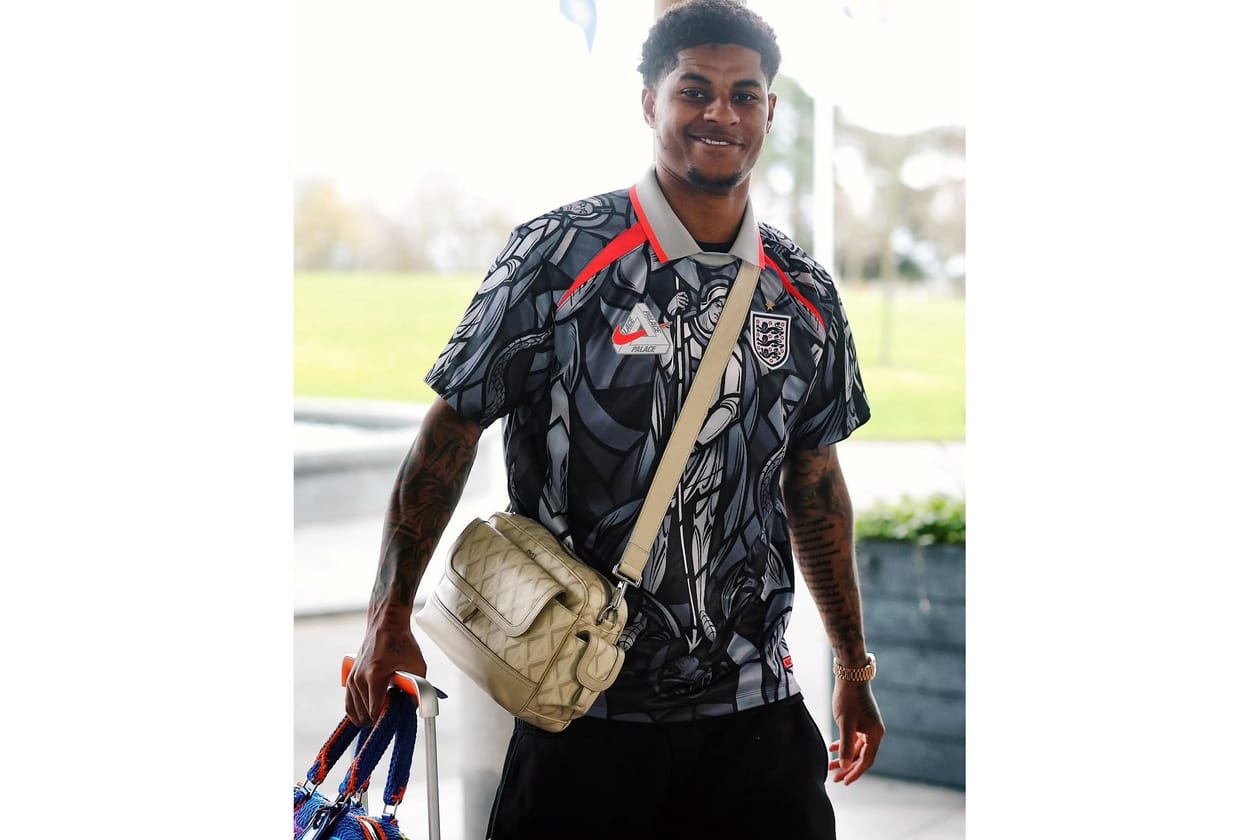
@marcusrashford
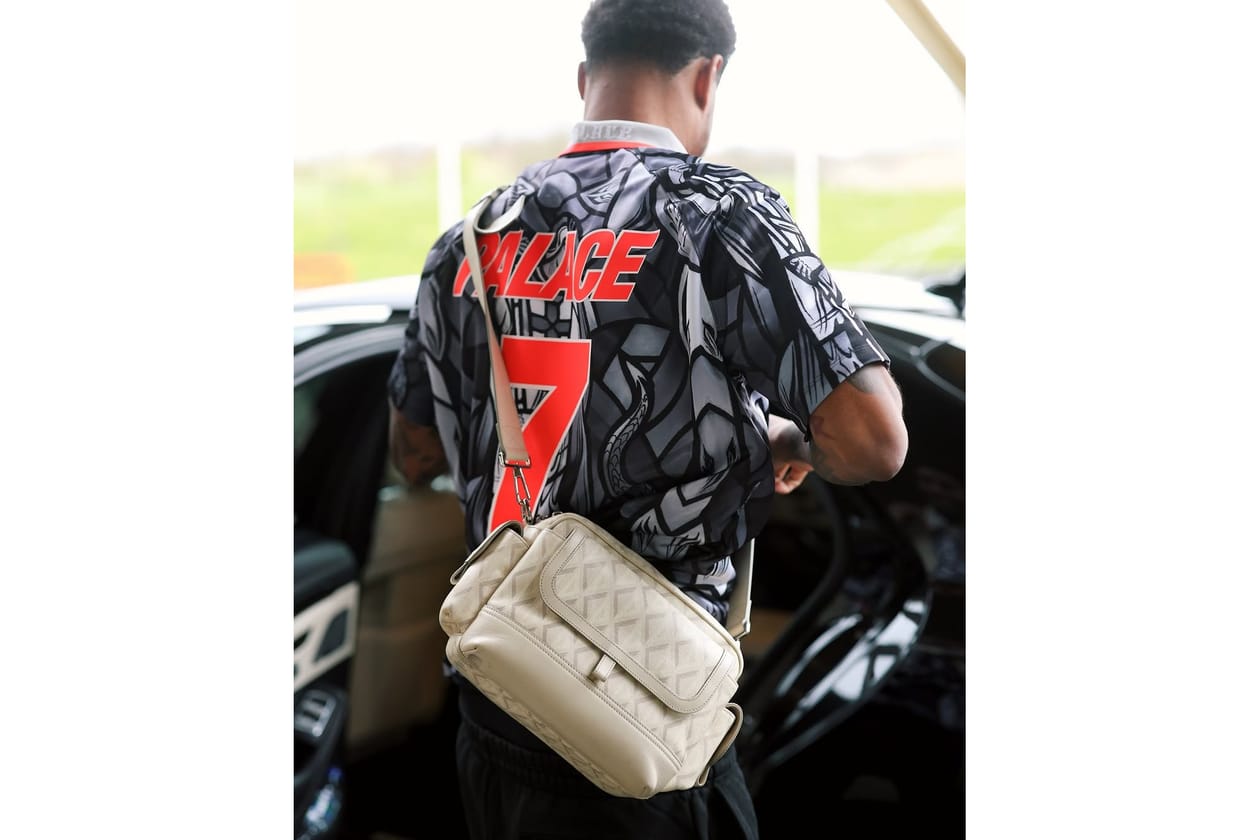
@marcusrashford
Earlier this month, England forward Marcus Rashford arrived at St. George’s Park wearing the PALACE SKATEBOARDS x Nike England national team jersey, officially kicking off Nike Football’s major World Cup campaign. The national team jersey is no longer just for the pitch; it’s continually reinterpreted on the streets and in community events, becoming a cross-regional symbol of streetwear culture.
When these actions across different cities are connected, Nike Football’s World Cup cycle is no longer just a countdown in time—it’s an assault spreading out from the pitch: centered around athlete innovation, community-driven participation, and localized connections built in various cities. Football is being reorganized—it no longer belongs solely to the 90 minutes of competition but to everyone who wants to step onto the “field.” From Portland to Miami to Shanghai, these seemingly isolated events all point to the same thing: the soul of football doesn’t start only after the whistle blows. It is instinct, it is attack, it is present in every unbounded moment—and Nike is making it happen ahead of schedule.