

Kenya prides itself on being a pioneer and pacesetter with regard to advanced financial markets in Africa and is a leader in eastern and central Africa. This strong performance is characterised by the existence of structures that support a market-driven financial market.
The country is well endowed with strong financial institutions, from banks to insurance companies to investment funds that allow the flow of money within the formal economy. These are not static pillars.
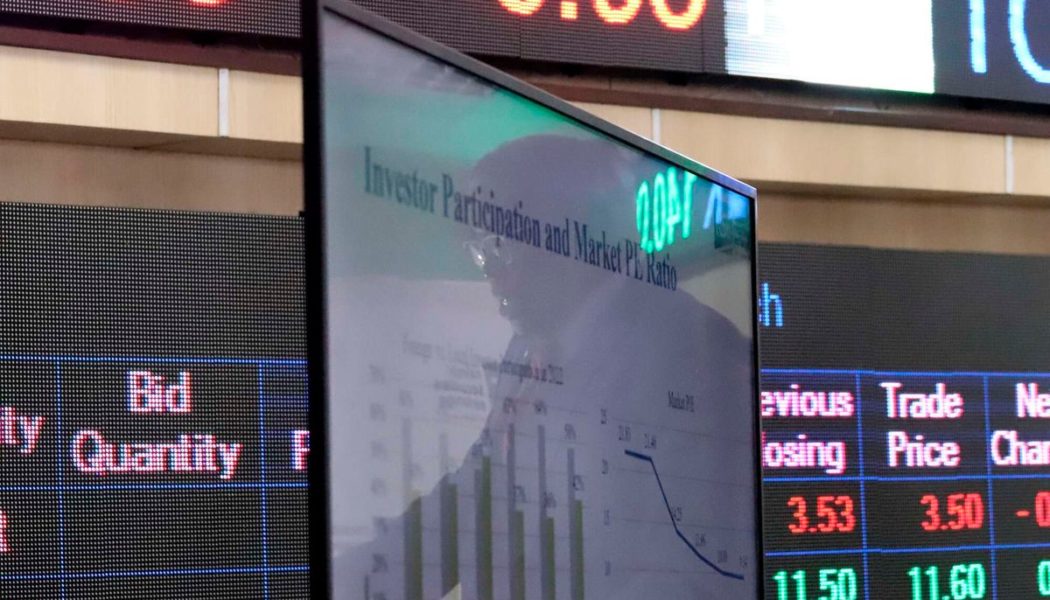
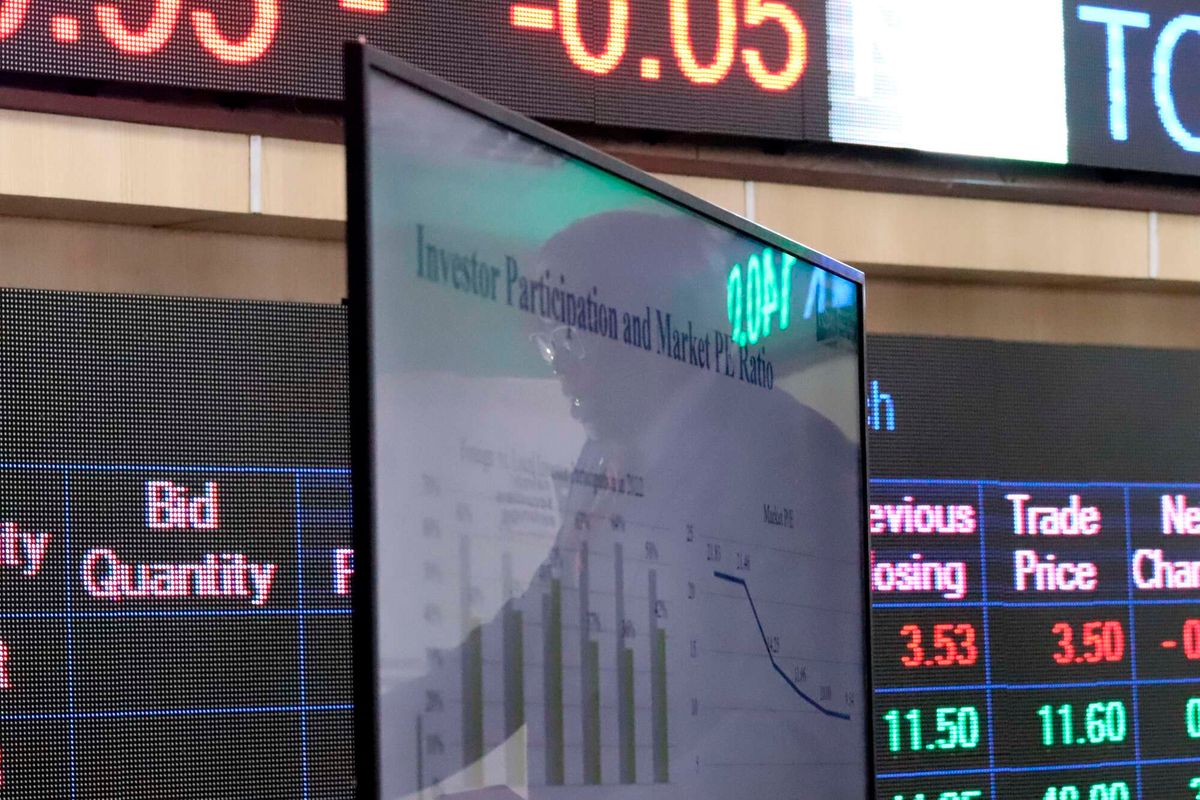
Kenyan players have been pushing beyond borders, exporting not only services but a model of financial inclusivity that has redefined access across the region. Platforms such as the Nairobi Securities Exchange (NSE) have evolved into more than venues for trade. They are engines of growth, enabling businesses to scale and inviting citizens into the fold of ownership.
A more interesting story is currently unfolding in the markets. New systems targeting agriculture, such as commodities exchanges and warehouse receipting frameworks, are attempting to formalise and de-risk sectors long left to uncertainty.
Add to this the surge in money market funds and the steady sophistication of financial instruments, and a picture emerges of a country not only participating in finance but actively reimagining it.
However, there is a tendency to narrow the performance of Kenya’s capital markets through annual returns and index performance. The NSE is not only a scoreboard for investors, but it is a barometer of our nation’s economic pulse, capturing its resilience and its aspirations all at once.
Over time, the NSE has demonstrated remarkable strength, agility and resilience, evolving into an engine that fuels growth across sectors, with manufacturing standing out as a cornerstone.
This has been driven through innovative programs which have supported the manufacturing sector, from small and medium enterprises (SMEs) to large companies, through the provision of innovative platforms for long-term and competitive financing, raising capital, enhancing good corporate governance, as well as promoting sustainability. The real story is not in the annual numbers, but in NSE’s role as one of Kenya’s most critical market pillars.
Today, we have approximately 14 manufacturing companies under the NSE, although our desire to have more listed, and their influence goes far beyond this number.
These companies are strong pillars of the exchange, through steady revenue, predictable performance and their deep ties to Kenya’s economy.
This strong presence, attributed to stability, attracts investors. Without them, we witness economic instability and unpredictability, rather than a strong foundation for businesses to thrive. Manufacturers post consistent earnings, which in turn boosts market capitalisation, strengthening liquidity and shaping markets. Investor confidence is built on these companies with a strong reputation for producing tangible value.
Investor behaviour at the NSE tells the same story. Pension funds, insurers, and asset managers, who are custodians of long-term capital, naturally lean towards firms with stable cash flow. Undoubtedly, manufacturing companies fit that profile.
When manufacturing companies are listed, the NSE evolves from a venue of financial transactions to a platform for national development and a bridge between capital and productive enterprise.
An often-overlooked strength at the stock exchange is sector diversity, which reduces systemic risk from over-reliance on a few sectors. A good example can be seen in the gross domestic product (GDP) patterns of Kenya, Nigeria and South Africa.
Kenya has historically benefited from a diversified economy, with agriculture, manufacturing, services, and technology all contributing to growth. In contrast, Nigeria relies heavily on oil exports, making its GDP and financial markets highly sensitive to fluctuations in global oil prices. Similarly, South Africa, while somewhat diversified, is still significantly dependent on mining and commodities, which exposes it to global demand swings.
Kenya has long benefited from a relatively balanced economy, where agriculture, manufacturing, services, and technology each play an active role.
A strong and visible manufacturing sector on the exchange reinforces this diversity and cushions the economy from external shocks, case in point, during the Covid-19 pandemic and even now as we grapple with the effects of the closure of the Strait of Hormuz as a consequence of the Iran war.
This is why it is critical for Kenya to encourage manufacturers’ participation in the NSE. Manufacturers often underpin the credibility of the entire market. Their consistent performance supports indices, sustains investor trust, and keeps both local and international capital engaged.
The ripple effects of little or no participation would translate to fewer anchor stocks, weaker liquidity, and a diminished appeal for long-term investors.
Global markets offer a useful parallel. The Dow Jones Industrial Average derives much of its stature from industrial and consumer giants across the world. Kenya can emulate this and work towards expanding the pool of manufacturers at the NSE.
Encouraging more industrial firms to list would signal a maturing capital market, deepen economic diversification, and broaden wealth creation. It would also align the exchange more closely with Kenya’s long-term development ambitions.
A country’s structural transformation depends on manufacturing due to industrial growth, job creation, and exports, making the NSE into a platform for investing in national development. We should, therefore, be deliberately pushing for more manufacturing firms to list on the exchange and link their business processes with other financial market tools such as the commodity exchange and derivatives.
Imagine what that would translate to with thousands of farmers, hundreds of aggregators and tens of brokers all being part of a formal, well-regulated market.
That shift would signal not just a deeper, more mature capital market, but also a stronger industrial backbone, inclusive economic growth and a real growth in per capita or household earnings. Ultimately, it would point to a more diversified economy. One that creates jobs at scale and distributes wealth more broadly.
The writer is the Chief Executive of Kenya Association of Manufacturers and can be reached at [email protected].