

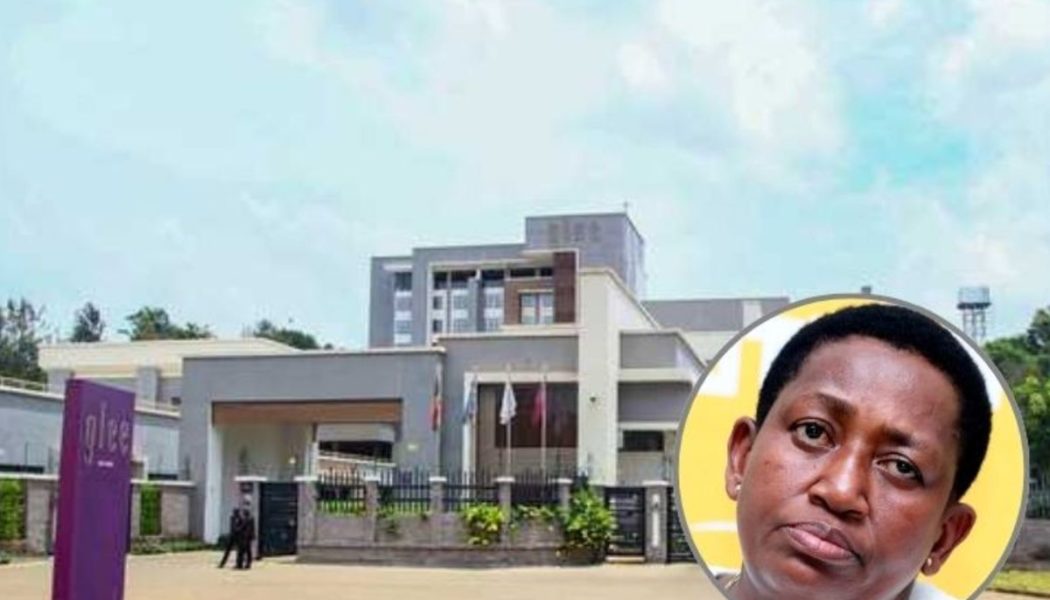
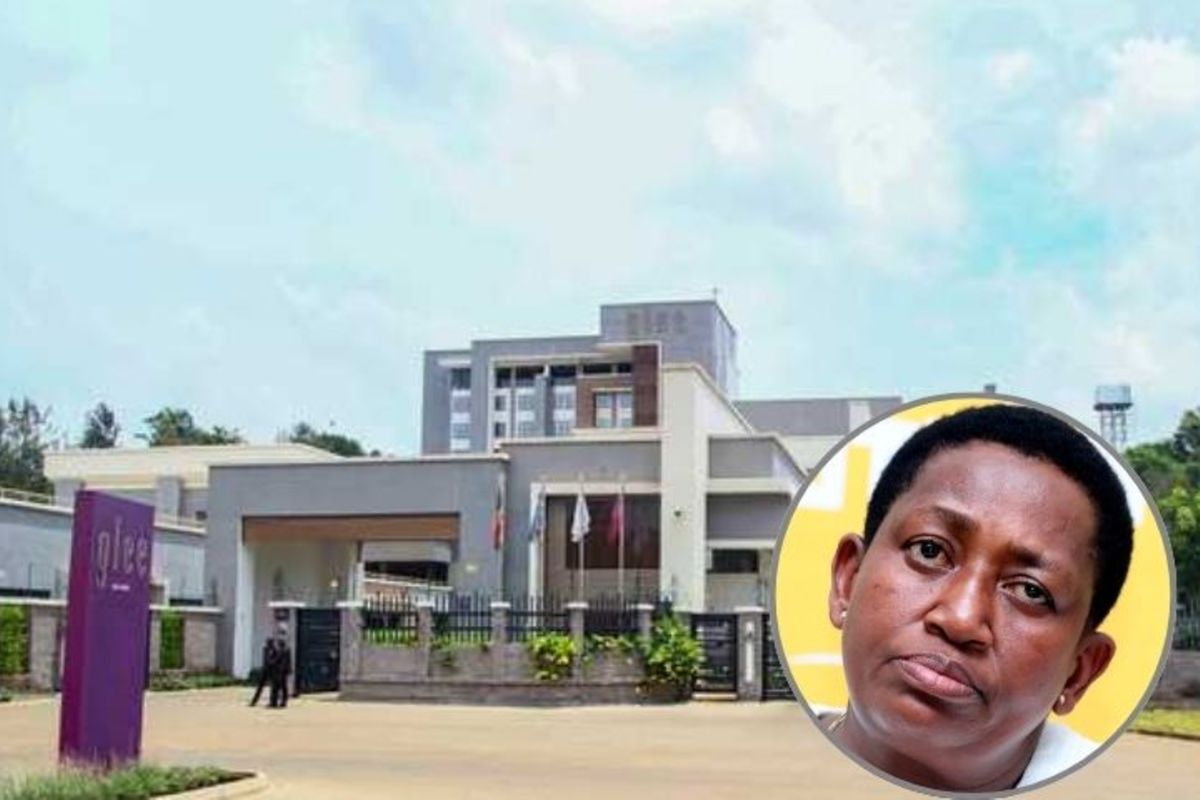
Businesswoman Mary Wambui Mungai was ordered to pay Sh100 million to Equity Bank within seven days of June 5 to save her luxury Glee Hotel in Nairobi’s Runda estate from auction.
The High Court ruled that the payment was a condition for temporarily stopping the lender from exercising its statutory power of sale over the hotel and other charged properties. Failure to comply would automatically lift the suspension, allowing the bank to proceed with recovery measures.
It was not immediately clear whether the businesswoman had paid the amount.
“The suspension is on condition that the applicant pays to the respondent a sum of Sh100 million within seven days of the date of this ruling, in default of which the order of suspension shall automatically lapse,” the judge said.
The ruling arose from an application by Ms Wambui, who is also the chairperson of the Athi Water Works Development Agency, seeking an additional 60 days to comply with a consent agreement entered into with Equity Bank earlier this year.
Under the consent recorded on February 24, Equity Bank agreed to accept Sh7.75 billion in full and final settlement of outstanding debt owed by Ms Wambui and related entities. The amount represented about 85 percent of the total indebtedness and was to be financed through a refinancing arrangement by KCB Bank Kenya.
The agreement required payment within 45 days, with the parties expressly stating that time was of the essence. It further provided that failure to pay within the stipulated period would entitle Equity Bank to rescind the settlement and pursue recovery of the full debt, together with interest and costs, through enforcement of securities.
The debt was secured by several properties, including parcels of land on which the upscale Glee Hotel stands.
Ms Wambui moved to court after the 45-day period expired without payment. She argued that the refinancing transaction with KCB had substantially progressed but had been delayed by the complexity of the deal and extensive due diligence requirements imposed by the proposed financier.
She urged the court to grant a 60-day extension to enable completion of the transaction and avert the sale of the hotel.
Court rebuff
Equity Bank opposed the application, arguing that the dispute had already been settled through a binding consent judgment voluntarily entered into by the parties. The bank maintained that the court had become functus officio and could not vary the terms of the agreement.
In response, the bank’s representative, Anastacia Wanjiru, argued that the application was effectively an attempt to rewrite the consent judgment without the lender’s consent.
The court agreed that it lacked jurisdiction to alter the terms of the negotiated settlement.
The court noted that the agreed settlement amount and the 45-day payment period formed the foundation of the bargain reached between the parties.
“The defendant’s willingness to accept the discounted settlement figure was plainly predicated on payment being made within the stipulated time frame. To extend that period would be to alter a fundamental term of the bargain struck by the parties,” the judge said.
The judge emphasised that Ms Wambui had not alleged fraud, mistake, misrepresentation, collusion or any other grounds that would justify setting aside the consent judgment. Instead, she acknowledged both the debt and the validity of the agreement.
Consequently, the court dismissed the request for a 60-day extension.
Final reprieve
However, the judge took a different view on the alternative request to suspend the bank’s statutory remedies under the Land Act.
While noting that the applicants had presented evidence showing that discussions with KCB had progressed beyond a mere expression of interest, the court observed that no conclusive proof had been provided to demonstrate that the refinancing had been finalised.
“There is no evidence of an executed facility agreement, no binding commitment by the proposed refinancier, no undertaking to discharge the defendant’s debt, and there is no evidence that any part of the settlement amount has been paid,” the judge said.
Even so, the court considered the significance of the assets at risk and the possibility that the debt could still be recovered through refinancing.
“The court is mindful that the securities sought to be realised include a substantial hospitality establishment. I am also mindful that the defendant’s ultimate objective is recovery of the debt, and that realisation of the securities is merely one avenue towards that end,” the judge said.
Balancing the interests of both parties, the court concluded that the applicants deserved one final, limited opportunity to redeem the charged properties.
The temporary reprieve would remain in force for only 30 days and does not alter the obligations contained in the February consent agreement.
Once the period lapses, or if the Sh100 million payment is not made within seven days, Equity Bank would be free to exercise its statutory power of sale and pursue all other remedies available under the consent judgment and the law.