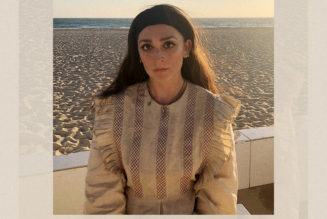

Pritika Swarup is a Who What Wear editor in residence, an international fashion model, a philanthropist, and the founder and CEO of the award-winning beauty and wellness brand Prakti Beauty.
NYC is and always will be a fulcrum of the fashion industry—there’s no doubt about it. As an international model, philanthropist, and beauty brand founder, I’m lucky enough to attend the city’s major fashion milestone every year: New York Fashion Week (NYFW). It’s a bustling, pulsing beacon of trendsetting and culture-defining newness. Cameras flash, attendees rush between events, and hair and makeup artists work their magic amid backstage chaos. It’s a microcosm of style, expression, and relevancy in real time. Even though it’s been two months since NYFW, its influence on the state of style is as obvious as ever.
While the other major fashion weeks (London, Milan, and Paris) have their own energy, I think NYFW is especially distinct. It’s the only non-European leg of fashion month, and as such, it sets the stage for cultural and aesthetic collision. It’s a study in diversity, showcasing global perspectives and mashing uptown luxury with downtown experimentalism. Everything from food to nightlife, wellness, and politics bleeds into what comes down the runways. In this way, it’s the ultimate high-low fashion hub.
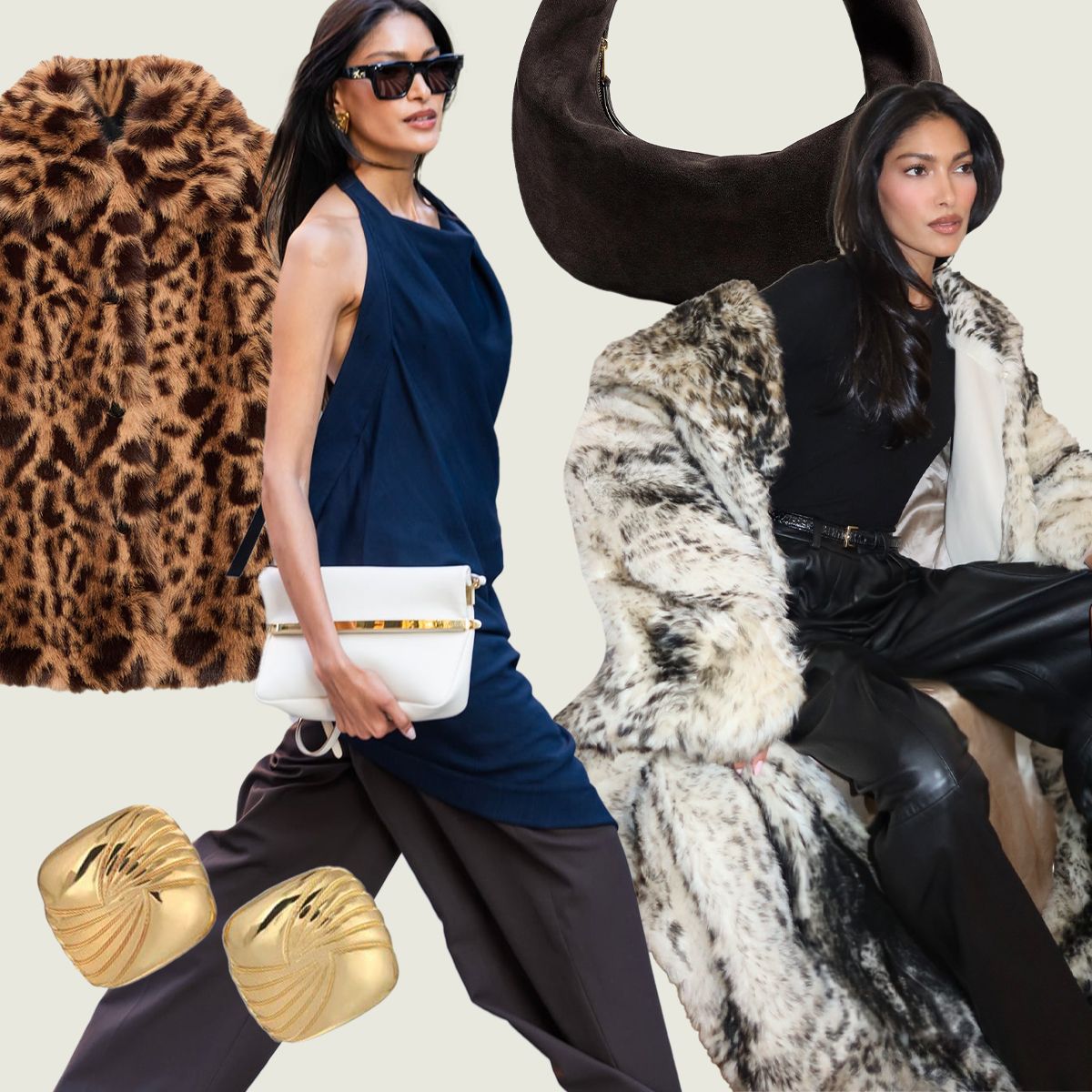
In my opinion, the state of New York style can be summed up with one word: contrast. In NYC, fashion thrives on it, and the greatest tension is arguably between the millennial-approved quiet luxury aesthetic and Gen Z–driven maximalism. These seemingly opposite trends can coexist in New York, fueling all of the of-the-moment trends that will carry us through 2025 and into 2026. Ahead, I’m taking a deep dive into both aesthetics and sharing my favorite designers who are embracing both. I’m also offering an inside look at how I plan to combine them to create the coolest NYC It-girl outfits. Let’s go.
Quiet Luxury

(Image credit: Pritika Swarup; Launchmetrics)
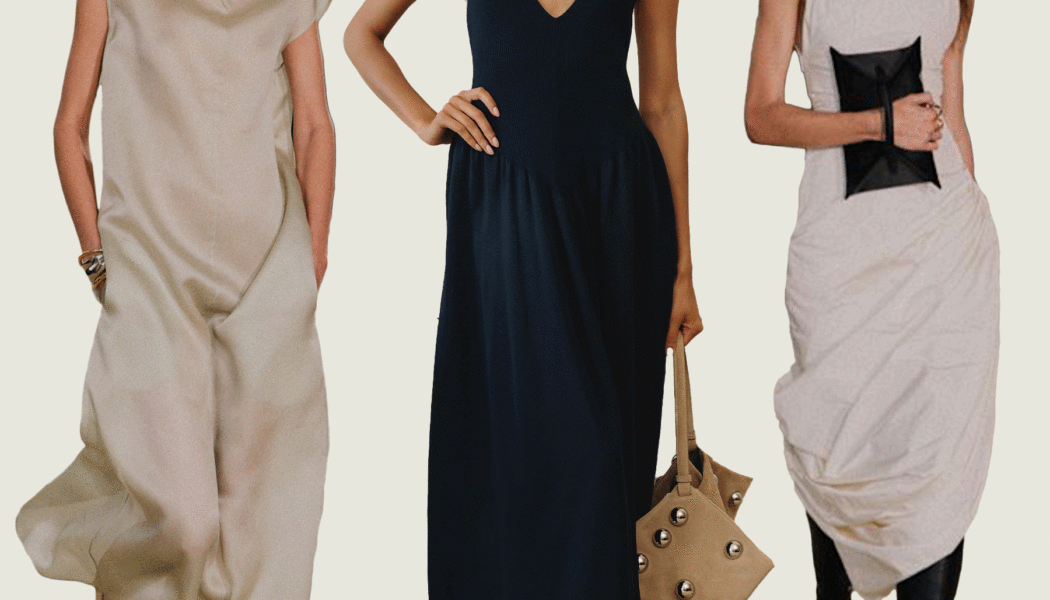
The so-called quiet luxury aesthetic has dominated the NYC fashion scene in recent years. It’s all about neutral colors, impeccable tailoring, and stealth wealth dressing—anything that communicates success and timeless sophistication. While NYC has always been known for power dressing, this aesthetic hit peak relevancy after the COVID-19 pandemic. It makes sense to think that, in an unstable environment, people would turn to investment pieces and items that would hold long-term value. Considering broader lifestyle cues like an emphasis on wellness, slow living, and intentionality, the quiet luxury aesthetic isn’t just explainable—it’s expected.
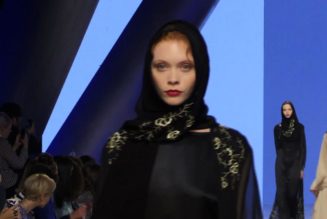
To me, Altuzarra is a defining voice in the quiet luxury space. Its designs are imbued with all the right elements. Think sharp tailoring, a neutral color palette, and a sense of timelessness. It resonates with me and many other people because we’re in an era of overexposure, and restraint feels powerful, stable, long-lasting…
Shop the Trend

Saint Laurent
Trench Coat in Crinkled Nylon

Khaite
Medium Olivia Hobo

Heaven Mayhem
Tabi Earrings
Maximalism

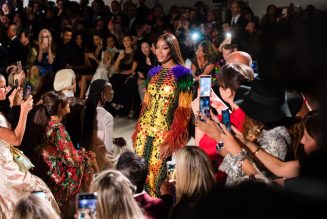
(Image credit: Pritika Swarup; Launchmetrics)
Gen Z–fueled maximalism is the contrast to quiet luxury. It’s all about bold color, loud logos, eye-catching detailing, and eclectic layering. It’s rooted in NYC’s downtown scene, especially the nightlife, and arguably, it’s a direct response to and rebellion against fashion’s minimalist streak. To me, it’s not about excess; it’s about unbridled expression of one’s identity and individuality. There’s something that’s undeniably New York about that.
I think Prabal Gurung is a master of maximalism. He works with bold color stories (from pastels to rich jewel tones) and maximalist silhouettes (hand-pleating and fluid draping). During his spring/summer 2026 show, I spotted voluminous gowns, sculptural detailing, and cultural storytelling woven into the collection. He balances structure with softness, and his designs are energetic and emotional. He proves that maximalism doesn’t always mean chaos—it can be orchestrated and intentional.
Shop the Trend

MANGO
Leopard Faux-Fur-Coat

J.Crew
Sequin Ruffle-Trim Mini Skirt

COS
Oversized Oval Earrings
The Clash, the Contrast, and the Coexistence
While both trends sit on opposite ends of the style spectrum, they can and do coexist in NYC fashion. Designers blend elements of both, placing maximalist details on minimalist foundations (for example, boldly colored fabric cut in simple silhouettes). By doing this, they’re bridging the generational divide, allowing quiet luxury millennials to play with color, texture, and cut while encouraging maximalist-minded Gen Zers to invest in simpler, more timeless silhouettes.
One of my favorite ways to combine the two aesthetics is by wearing balloon pants, which I spotted at Michael Kors, Brandon Maxwell, and more. I think this micro-trend is the perfect example of the bridging of both worlds. They offer sculptural, maximalist volume, but they’re wearable in classic fabrics like leather, silk, and chiffon.
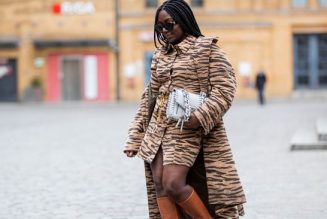
I’m constantly in awe of how New Yorkers connect comfort and practicality with experimentation and proportion. I’m not only talking about designers. I’m talking about street style too. It’s the best real-life barometer of fashion. It’s the New York state of style.
Shop the Micro-Trend That Combines Both

Everlane
The Everywhere Pant

Frame
The Bubble

Bardot
Alira Soft Balloon Pant
Explore More: