
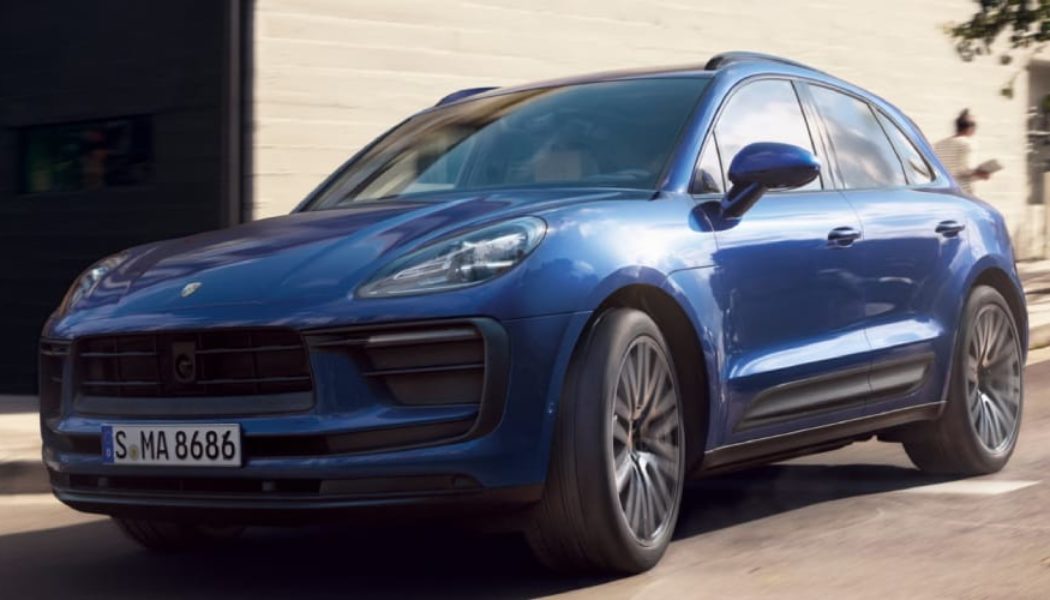
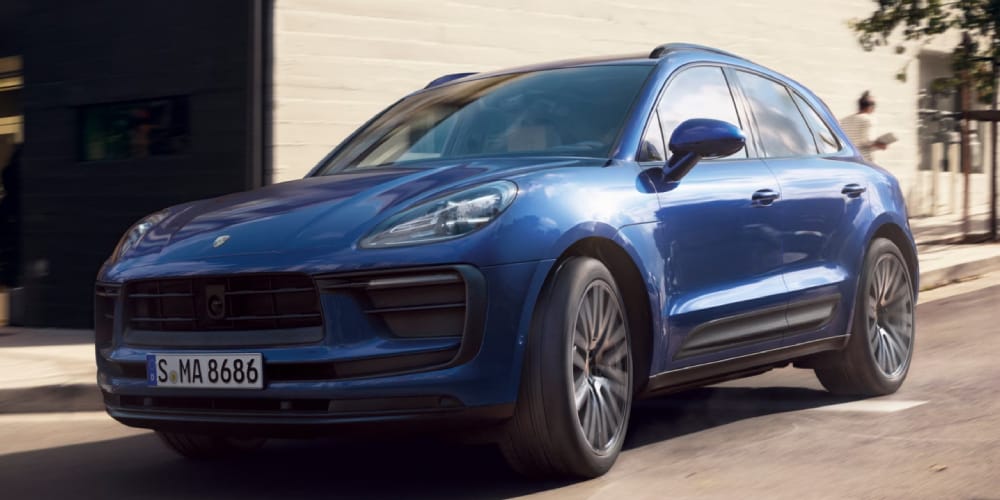
Global production of the internal combustion engine Porsche Macan will conclude at the end of July 2026
The retirement precedes the expected launch of a petrol-powered successor developed on the Audi Q5 platform
Volkswagen Group leadership acknowledged the company miscalculated the pace of consumer transition to electric vehicles
Porsche is officially pulling the plug on petrol Macan models. Global production for the popular petrol-powered SUV will conclude at the end of July 2026. The move brings an abrupt curtain down on an 11-year run for a vehicle that fundamentally reshaped the sales trajectory of the German automaker. Losing the combustion variant creates a substantial gap in the brand lineup during an era when demand for premium petrol vehicles remains exceptionally high. The retirement leaves dealerships relying heavily on the newer battery-powered Macan Electric while a direct combustion successor remains roughly two years away from showrooms.
Volkswagen Group CEO Oliver Blume recently acknowledged that the company miscalculated the pace of customer transition toward full electrification. Original product planning assumed buyers would seamlessly migrate to the electric variant. Released global sales data from the first half of 2026 starkly illustrates the reality of current market conditions. During that six-month window, the brand delivered 35,315 Macans worldwide. The aging combustion model accounted for 19,695 of those deliveries and firmly outpaced the 15,620 units moved by its battery-powered sibling. Slowing growth in the EV sector across key international markets forced a massive reassessment of this transition strategy.
The phase-out actually began earlier in the European Union. Porsche ceased regional sales of the ICE model to avoid severe financial penalties associated with updated General Safety Regulations. Complying with stringent new cybersecurity requirements would have necessitated a complete redesign of the electronic architecture utilized by the SUV. Corporate leadership concluded that such a massive structural investment could not be justified for a platform nearing the end of its lifecycle. The impending July production shutdown simply extends that regional decision to all remaining international markets.