

Smallholder suppliers have won a priority as the National Treasury has outlined a roadmap to settle Sh155.3 billion in pending bills over the next two years, after the conclusion of a verification exercise that assessed claims valued at Sh637.6 billion.
Treasury Cabinet Secretary John Mbadi said in the Budget Statement on Thursday that the pending bills certification committee that was created in 2023 has now completed its work, setting the stage for settlement of valid claims by the ministry.
The committee analysed a total of 91,911 claims, approving and recommending 29,885 claims worth Sh235.6 billion for settlement.
“Of this amount, Sh80.3 billion has already been settled through securitisation in the roads sector, leaving a verified outstanding balance of Sh155.3 billion for other sectors,” said Mr Mbadi.
“To settle the verified outstanding balance of Sh155.3 billion, the National Treasury has proposed a balanced and sustainable settlement strategy which includes a combination of direct budgetary allocations and securitisation…over two years starting with the 2026-27 fiscal year.”
The payment plan for the balance will see the government settle Sh68 billion in the 2026-27 financial year, for amounts of up to Sh100 million per claim. Those owed more than Sh100 million will receive partial settlements.
“The deliberate policy of settling pending bills of up to Sh100 million, while individually smaller in value, accounts for the majority of suppliers and have the highest multiplier effect on economic activity,” added Mr Mbadi.
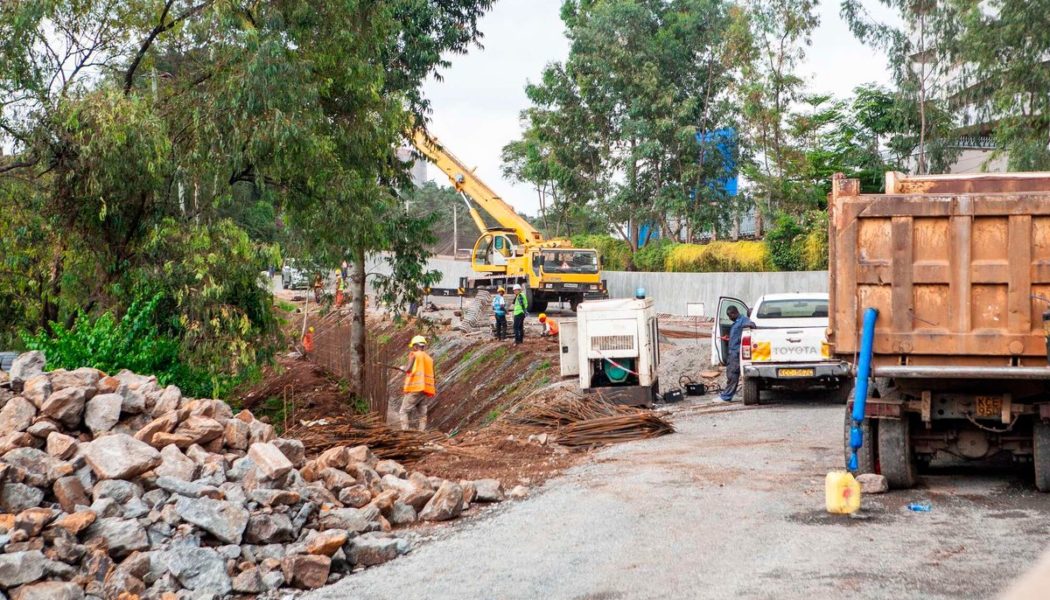
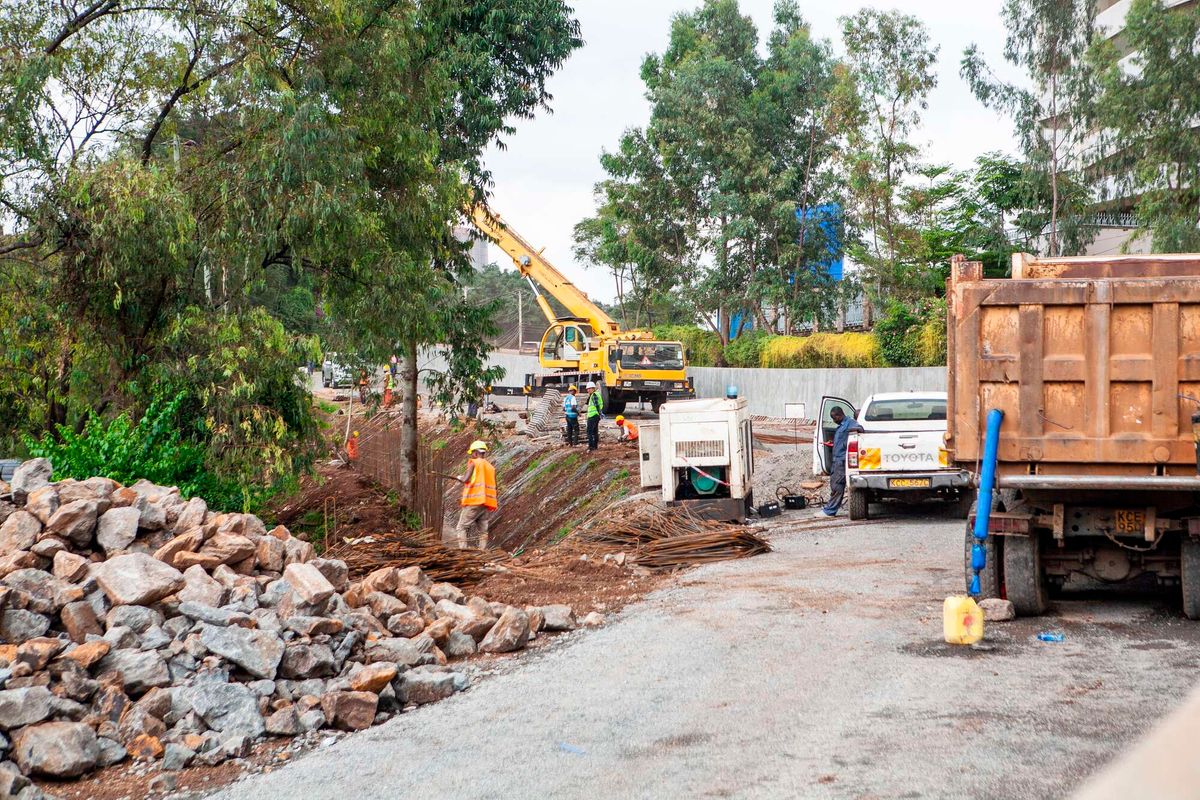
For the roads sector, the State is planning to further securitise the Road Maintenance Levy Fund by issuing a Sh120 billion roads bond, which will be backed by future collections from the levy.
This bond will settle more pending bills from the sector, as well as fund the construction of new roads.
The accumulation of pending bills indicates a failure by State agencies to adhere to Treasury directives that they settle old debts before committing to new projects.
The Public Finance Management (National Government) Regulations 2015 require State agencies to settle pending bills as a first charge in their budgets.
These pending bills have been a perennial problem for businesses that rely on the regular payments for working capital and funding for expansion.
Some contractors and suppliers have linked the non-payment of bills by government to the collapse of their businesses and auction by banks over loan defaults, which in May remained at near historical highs at 15.3 percent of the banking sector’s total loan book.
Businesses facing high pending bills are also forced to seek alternative sources of credit to keep afloat as they wait for government payments, adding to the cost of doing business and leaving them at a loss given that the government does not pay interest on the pending dues.
Cash-strapped businesses also resort to laying off staff or freezing hiring, negatively affecting economic growth and the ability of the government to collect enough taxes to meet the set budgetary expenditure.