

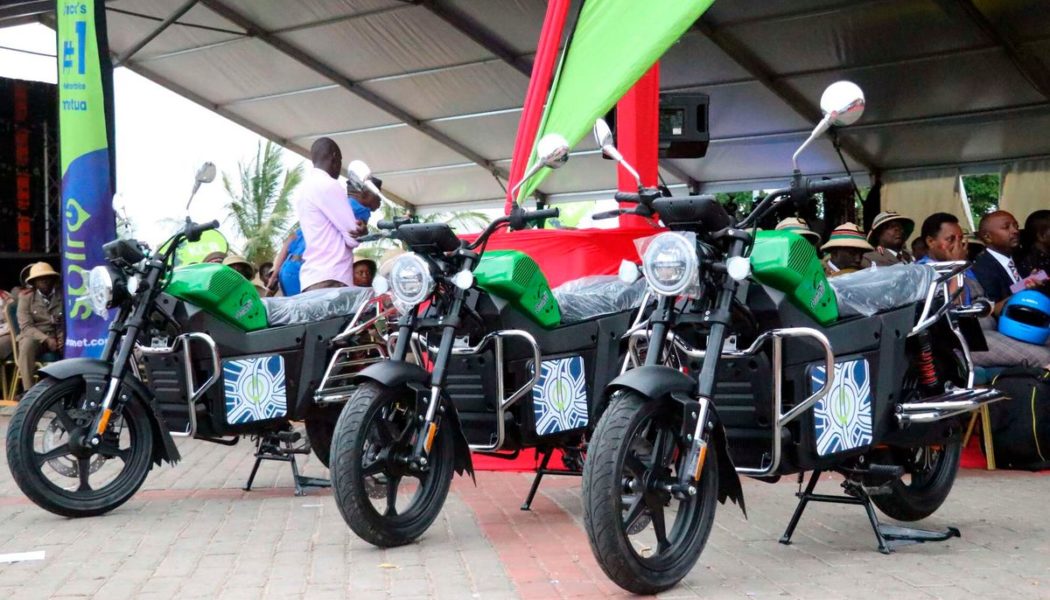
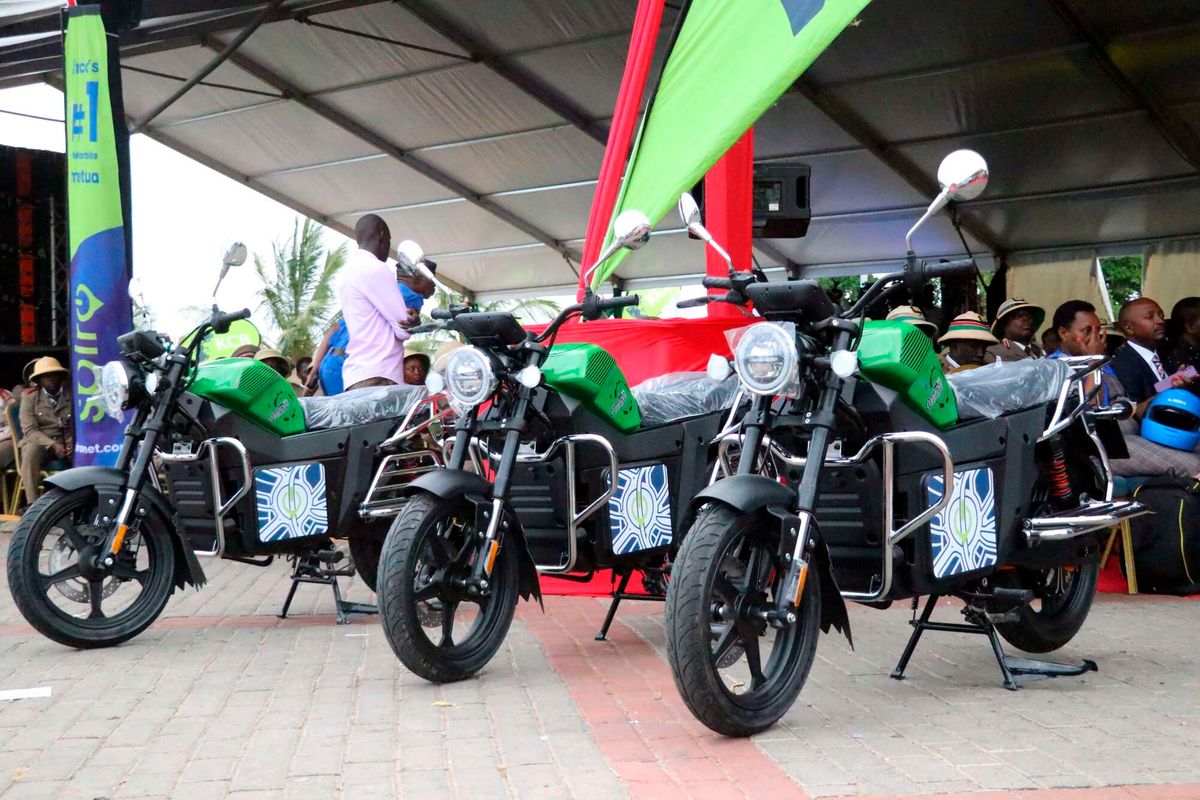
Electric motorcycle company Spiro has raised $215 million (Sh27.8 billion) in fresh funding to expand its battery-swapping network, local manufacturing and enter new African markets.
The equity funding round, where a firm raises capital by selling ownership shares, was led by Impact Fund Denmark, Denmark’s development finance institution, alongside Spiro’s Dubai-based parent company, Equitane.
Spiro said it would expand its battery-swapping infrastructure, strengthen its industrial and assembly footprint, accelerate technology development and support expansion into the Democratic Republic of Congo (DRC) and Ethiopia.
The raise is also one of the largest recent capital injections into the region’s e-mobility sector as venture capitalists scramble to invest in companies working to reduce fuel import dependence and cut transport emissions.
“Supported by our global pool of investors, we are entering our next growth chapter to deliver clean, cost-effective energy and transport alternatives to millions of riders across the continent,” Gagan Gupta, Spiro’s founder and chairman of Equitane, said in a statement shared with the Business Daily.
Founded in 2022, Spiro is a subsidiary of Equitane, an investment vehicle, and has its operational headquarters in Nairobi. The company operates in Kenya, Uganda, Rwanda, Nigeria, Togo, Benin and Cameroon, where the majority of its electric motorcycles are used by commercial motorcycle taxi operators, popularly known as boda bodas.
Spiro assembles its motorcycles in Kenya, Rwanda and Uganda from knockdown kits imported from China, with some components sourced from India.
Its Nairobi assembly plant has an annual production capacity of up to 50,000 motorcycles. The firm also has a battery recycling facility in Nigeria.
With the new funding, Spiro plans to expand local production capabilities across vehicle manufacturing, battery-swapping infrastructure, maintenance services and technology development.
Last week, Spiro announced the acquisition of Coexlion as part of plans to establish its first African research and development (R&D) centre in Nairobi.
R&D centres are innovation hubs where engineers, scientists and researchers develop new technologies, build prototypes and improve software and hardware products for commercial use.
Spiro said the acquisition boosts its ability to design, develop and manufacture electric motorcycles tailored to African road conditions and customer requirements, while helping it build its technology, engineering and manufacturing capabilities in-house.
The company says it has deployed more than 100,000 electric motorcycles across Africa and operates over 2,500 battery-swapping stations, making it the continent’s largest e-motorbike firm.
“We see potential for significant commercial growth in Spiro and electric mobility across Africa, as well as measurable climate impact,” said Lars Bo Bertram, Chief Executive of Impact Fund Denmark.
The latest fundraising adds to Spiro’s string of major capital raises over the past year.
In February, the firm secured $50 million (Sh6.5 billion) in debt financing from the African Export-Import Bank (Afreximbank), climate-focused financier Nithio and the Africa Go Green Fund.
Last October, the company also announced a $100 million (Sh12.9 billion) venture funding round led by the Fund for Export Development in Africa, the impact investment arm of Afreximbank.
The latest investment round brings to $502 million (Sh65 billion) the total funding the company has received to date, according to data from the global business portal Crunchbase.
There has been increased investor appetite for electric mobility ventures like Spiro, Arc Ride, Roam and BasiGo in recent months.
These firms seek to reduce fuel import dependence, cut transport emissions and develop local manufacturing industries around emerging clean energy technologies.
Investors are drawn to Kenya’s high motorcycle density, a power grid largely supplied by renewables and a policy environment that has signalled support for electric mobility.