

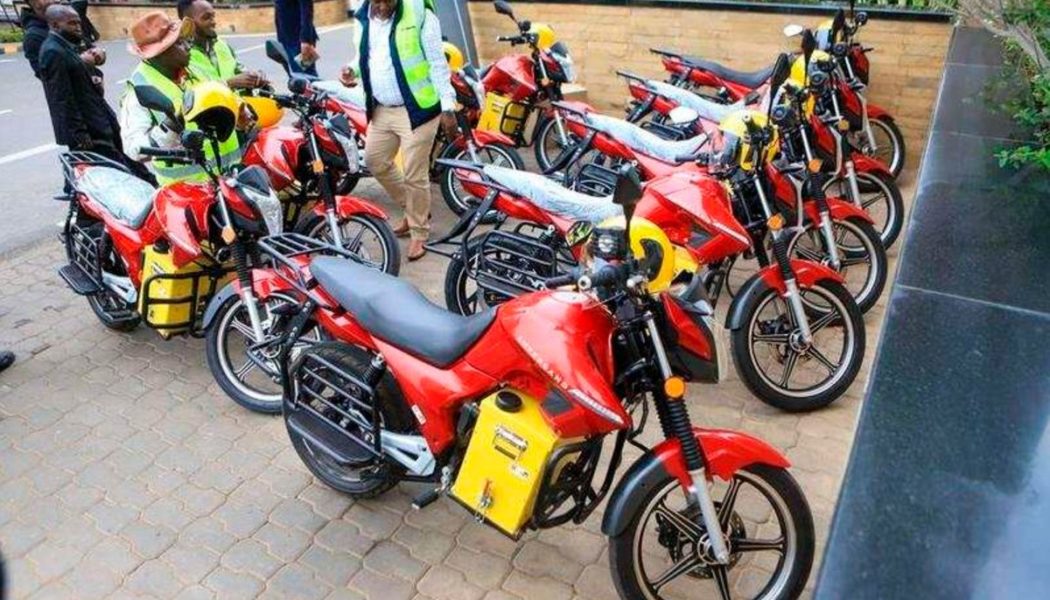
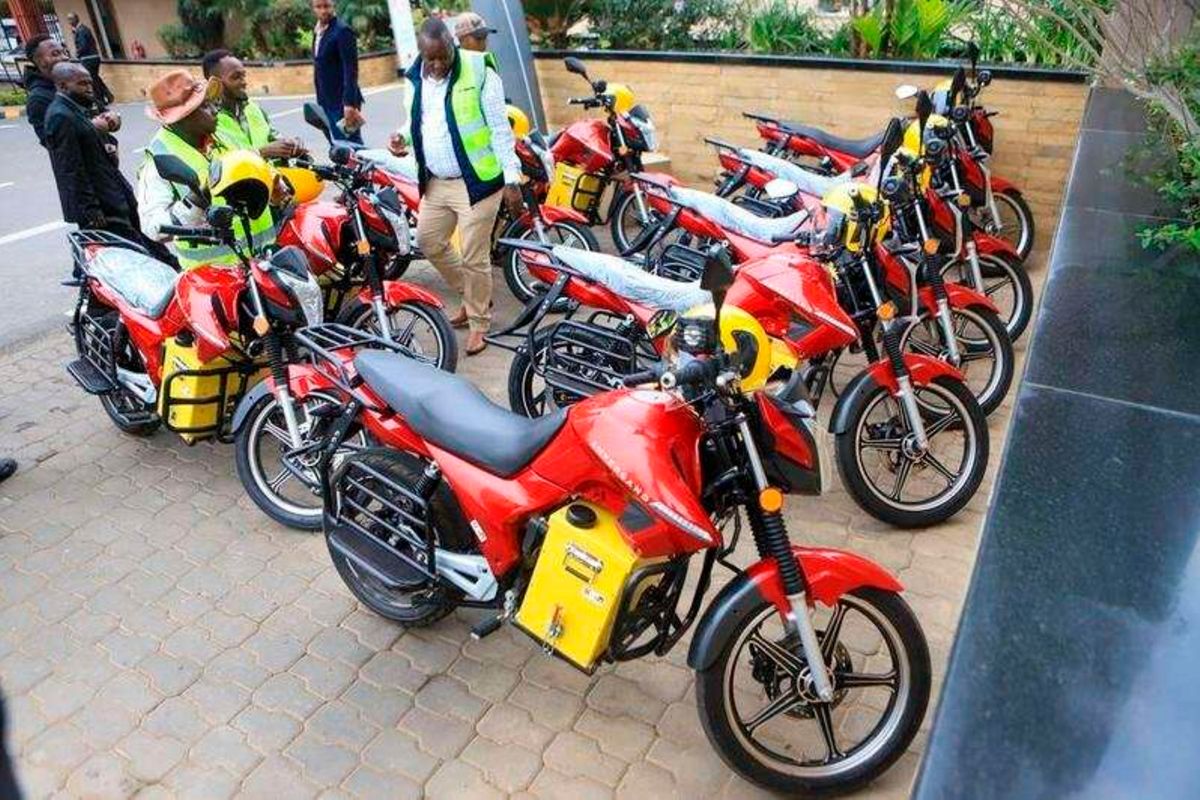
An 18-kilometre off-peak ride from Nairobi’s city centre costs about Sh230 on an electric motorcycle on the Bolt app. The same trip on a petrol-powered motorbike costs Sh290.
This Sh60 difference has triggered a storm, with the electric motorbike owners citing discrimination and protesting the squeeze in their earnings.
Until last year, the trip on the ride-hailing firm would cost more on an e-bike than a petrol-powered motorcycle ride.
“For a ride that would earn me Sh250 with my electric motorbike, after commissions, I remain with around Sh160,” Job, an electric motorcycle rider in Nairobi, told the Business Daily.
The Estonian company wanted to incentivise the electric motorcycles, which promise higher driver profits due to their lower fuel and maintenance costs.
But the disgruntlement from the price revision culminated in protests in Nairobi this week. E-bike riders say the new structure has sharply cut take-home earnings.
“For a 32-kilometre trip to Kitengela, I can get Sh600. After deductions, I remain with about Sh450. Swapping the battery costs Sh265, and at the end of the day, I still have to repay my motorbike loan of Sh500 daily. It is not sustainable,” Job said.
Bolt introduced the bikes in Kenya in 2024. Like other ride-hailing platforms, most of Bolt’s electric motorcycles are acquired through financing arrangements, meaning riders must make daily repayments regardless of earnings.
Job says before the price revisions, he would take home about Sh2,000 daily after expenses. Now, he says, he is left with roughly Sh1,000 on a good day.
In the wake of the demos, Bolt’s senior general-manager for East Africa, Dimmy Kanyankole, said the price revision was to fix “a longstanding pricing anomaly where EV trips had historically been priced higher than petrol (ICE) equivalents, which did not reflect the lower running costs of electric vehicles.”
Bolt said commissions charged to riders have not changed – the firm still charges an 18 percent commission on every trip price.
“We corrected this by aligning EV pricing slightly below ICE (internal combustion engine) bikes, as a fairness adjustment, and not a reduction in earnings,” said Mr Kanyankole.
Another Nairobi-based rider, Otieno, said earnings have almost halved. “I previously made at least Sh2,500 after all deductions and expenses. Now making Sh1,200 is a challenge,” he said.
Electric motorcycles are considered cheaper to operate because riders avoid petrol costs and instead pay for battery swapping, while also benefiting from lower maintenance expenses.
Electricity is substantially cheaper than petrol; most batteries give a kilometre of range for each shilling equivalent worth of charge, compared to an average of 40 kilometres per litre for a typical 150cc petrol bike.
As such, this would translate to Sh96 for the 18-kilometre distance from Nairobi on an ICE boda boda, compared to Sh18 for an electric one.
Electric motors also do not have engine parts like pistons, valves, spark plugs, carburettors, and gearboxes, which eliminates tasks like oil changes, filter replacements, or coolant flushes.
Digital taxi companies, including Bolt and its US rival Uber, have heavily promoted e-bikes in Kenya as both a climate-friendly and commercially viable alternative.
Bolt now has Kenya’s largest fleet of electric motorcycles on a ride-hailing platform. By December 2025, more than 1,700 riders on the platform were using electric motorcycles, representing about 40 percent of its total bike fleet.
Riders, however, argue that while electric bikes are cheaper to run, the savings are not large enough to justify substantially lower fares.
“Electric is cheaper to run than petrol, that is true. But it is not that significantly lower,” said Job. “We understand a business must satisfy customers, but why at my expense?”
The tensions have also deepened divisions between electric and petrol-bike riders on the platform.
Petrol-bike operators argue that their costs remain high due to fuel prices that have hit Sh214 line per litre in recent months following global oil market volatility and geopolitical tensions in the Middle East.
Bolt in May raised fares for car rides by six percent following pressure from drivers over the fuel prices, but ICE motorcycle riders were excluded from the adjustments.
“We are working for the same platform and using the same fuel our colleagues with cars use. Why make it better for them and leave us out?” said Peter, a petrol motorcycle rider.
Some petrol riders also accuse electric-bike riders of benefiting from pricing structures that divert customers toward cheaper e-bike rides.
“The petrol riders can see our demand increasing because of the lower costs, which makes it look like we are happily part of a pricing system they are trying to fight,” Otieno said.
“It also does not help that the government has been actively campaigning for e-mobility.”
Bolt maintains that lowering electric-bike fares is necessary to preserve the economic logic behind electrification. “What would be the point of going electric if the prices are similar to petrol bikes despite EVs’ lower running cost?” said a Bolt staffer familiar with internal discussions on the matter.
The company has not ruled out reviewing motorcycle pricing internally after the protests, although executives are reportedly reluctant to bow to rider demands for fare increases of as much as 80 percent.
“This is not tenable,” the staffer who sought anonymity said. “It would raise the cost of rides so much and affect demand, which is again bad for their business.”
The dispute is now colliding with government efforts to regulate pricing in the digital ride-hailing sector.
Last week, President William Ruto directed the National Transport and Safety Authority (NTSA) to work with ride-hailing companies on implementing minimum taxi fare regulations. The State has been considering a national pricing framework covering both traditional taxis and digital ride-hailing operators, including reviews of fuel costs, maintenance expenses, insurance and commissions.
Currently, NTSA caps ride-hailing platform commissions at 18 percent per trip, including digital service tax.
But ride-hailing firms fear that direct government intervention in fare-setting could distort the economics of their platforms that rely on dynamic pricing algorithms based on supply, demand, time and distance.
“The government might not fully understand the dynamics behind ride pricing and why prices vary,” the Bolt official said. “A blanket charging system might upset the entire ride-hailing ecosystem.”
Even among riders, opinions are divided on whether government intervention would help.
“We’d rather negotiate terms with the platforms themselves,” said Job. “Once the government comes in, we might end up being alienated in the discussion.”
Some, however, support State intervention. “It is good for NTSA to intervene because it puts pressure on the ride-hailing platforms. Our grievances will be listened to,” said Otieno.
For now, many riders say survival increasingly depends on negotiating fares outside the app – which Bolt has outlawed – or relying on high-demand periods such as rush hours and rainy days when prices surge sharply.
“We are disagreeing with the company on one hand while also trying to negotiate prices with customers off the app at the risk of upsetting them,” said Otieno, who operates on two other ride-hailing apps.
“You switch between platforms or leave altogether so I can keep all my earnings,” he said, referencing his colleagues not on taxi apps despite their promise of a higher income potential due to dynamic surge pricing and access to a wider customer base.