

AML

NFTs and compliance: Why we need to be having this conversation
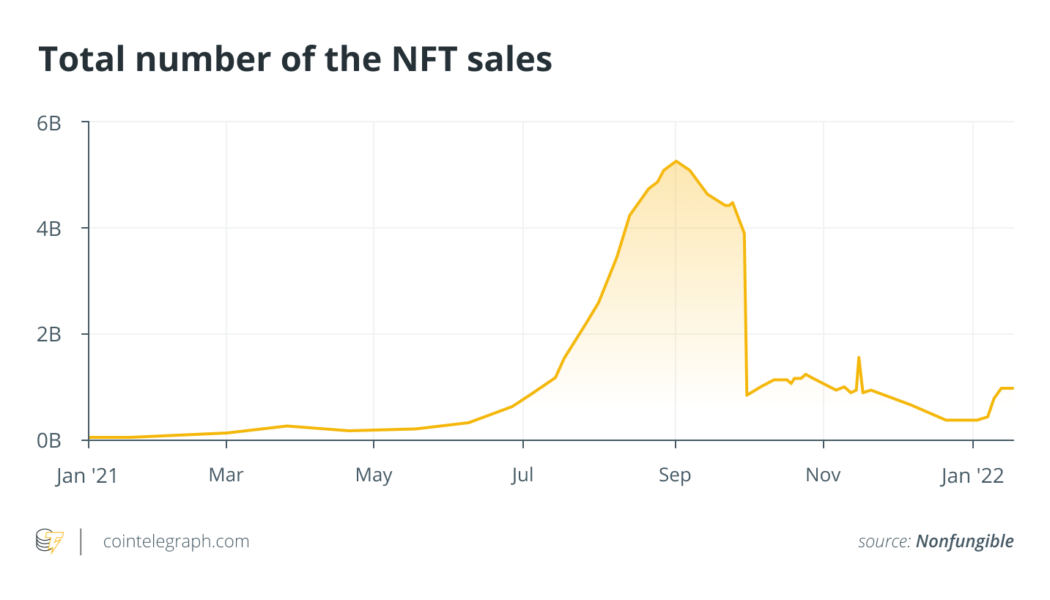
“Good people do not need laws to tell them to act responsibly, while bad people will find a way around the laws.” — Plato The above quote has withstood the test of time. Across industries, markets, communities and ideas, people ultimately will find a way to either do good or at worse, wrong. Nonfungible tokens (NFTs) and crypto are certainly no exception to the rule. The industry is exploding — overflowing even — with endless drops, jaw-dropping floor prices and adoption across ever-expanding corners of culture. NFTs are moving forward at breakneck speed, and the money is there. According to data from market tracker DappRadar, NFT sales skyrocketed to $10.7 billion in the third quarter of 2021, up more than 8x from the previous quarter. That’s a lot of Apes and Penguins. Creators, br...


Coinone will stop withdrawals to unverified external wallets
South Korean crypto exchange Coinone has announced it plans to no longer allow withdrawals of tokens to unverified external wallets starting in January. In a Wednesday announcement, Coinone said users would have from Dec. 30 to Jan. 23 to register their external wallets at the exchange, after which time it would restrict withdrawals. The exchange specified that crypto users could only register their own wallets, and the verification process “may take some time” and could change in the future. According to Coinone, it planned to verify users’ names and resident registration numbers — issued to all residents of South Korea — to ensure crypto transactions were “not used for illegal activities such as money laundering.” Customers at the exchange likely won’t be able to withdraw funds to wallet...


Binance Turkey fined 8M lira for non-compliance against money laundering
The Financial Crimes Investigation Board (MASAK) has fined Binance Turkey 8 million lira (nearly $750,000) after the crypto exchange failed the financial watchdog’s audit for monitoring Anti-Money Laundering (AML) compliance. The Financial Crimes Investigation Board (MASAK), which serves as Turkey’s financial intelligence unit under the Ministry of Finance and Treasury, found crypto exchange Binance’s Turkey operations guilty of violating laws that intend to prevent the laundering of money acquired through criminal means. According to local news media Anadolu Agency, MASAK carried out an audit of Law No. 5549 on Prevention of Laundering Proceeds of Crime, also known as the AML Law. The AML Law in Turkey requires companies to identify and verify the personal identification information...

FATF guidance on virtual assets: NFTs win, DeFi loses, rest remains unchanged
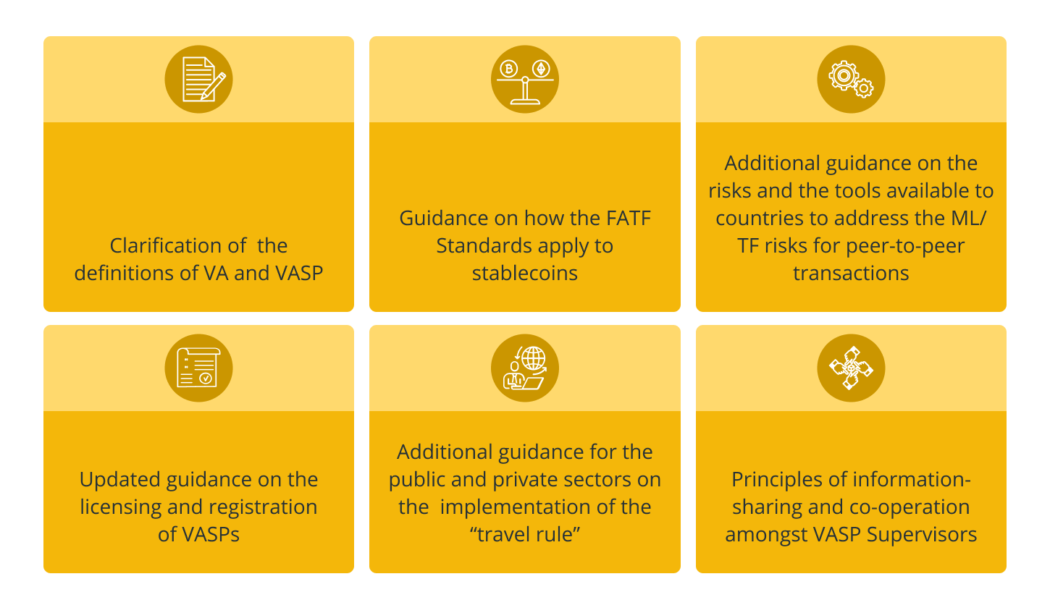
The Financial Action Task Force (FATF) released its long-awaited guidance on virtual assets, laying out standards that have the potential to reshape the crypto industry in the United States and around the world. The guidance addresses one of the most important challenges for the crypto industry: To convince regulators, legislators and the public that it does not facilitate money laundering. The guidance is particularly concerned with the parts of the crypto industry that have recently brought about significant regulatory uncertainty including decentralized finance (DeFi), stablecoins and nonfungible tokens (NFTs). The guidance largely follows the emerging approach of U.S. regulators toward DeFi and stablecoins. In a positive note for the industry, the FATF is seemingly less aggressive towa...
