

government


Law Decoded: Russia flounders, America competes, IMF keeps fuming, Jan. 24–31
One of the most fascinating implications of the collision between traditional political institutions and the crypto space is how it can reveal the glaring lack of cohesion within power systems that otherwise look monolithic. Digital assets reside in a parallel policy dimension where neither a centralized consensus nor a clear rulebook exists, leading to a surprising variety of voices and opinions emerging in the absence of a politically coordinated course. Last week, a rare lively policy debate broke out in Russia in the aftermath of its central bank’s attempt to promote a hardline stance on crypto. One does not often see such a public interagency disagreement on substantive issues. Below is the concise version of the latest “Law Decoded” newsletter. For the full breakdown of policy develo...

UNICEF calls for child safeguards amid mainstream crypto adoption
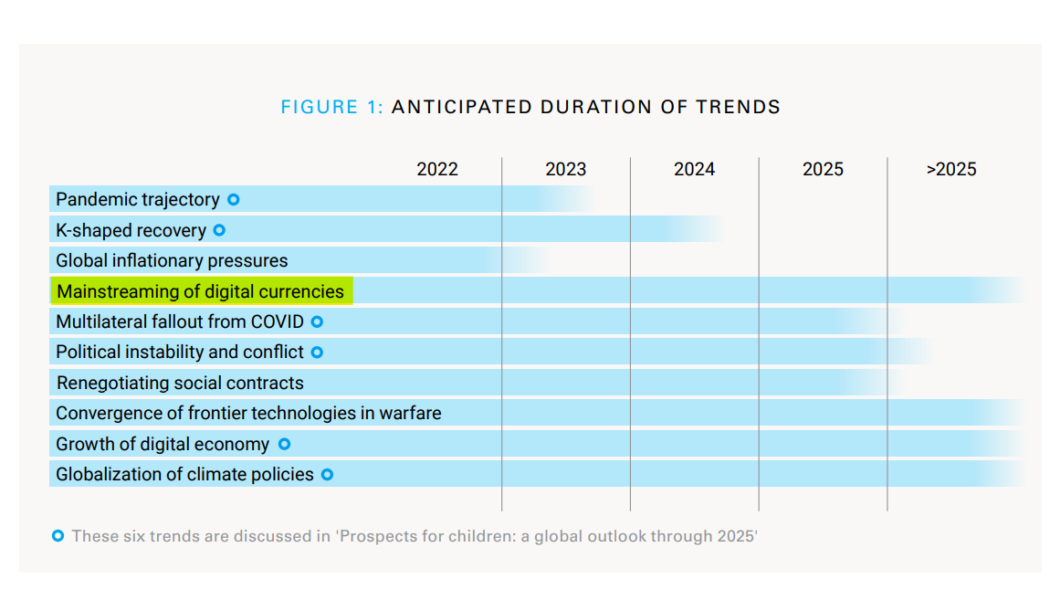
The United Nations Children’s Fund has called for incorporating child safeguards into online child protection initiatives, citing financial and exploitative threats posed by unregulated crypto markets. UNICEF’s “Prospects for children in 2022” report, which examines the impact of global trends on children, anticipates further mainstream adoption of cryptocurrencies — “demonstrating both the promise of greater financial inclusion and the need for new child safeguards.” Source: UNICEF The report shows that digital currencies have gained widespread interest in 87 countries by the end of 2021, with the majority of jurisdictions experimenting on their own versions of a central bank digital currency. UNICEF expects a similar growth trajectory in 2022, as the report states: “A potentia...


Clampdown on crypto ads: A one-off or a new phase of global regulation?
Over the last week, regulators in three major jurisdictions across two continents introduced new rules governing cryptocurrency-related promotions and advertisements. Citing consumer risks associated with digital asset investments, authorities in the United Kingdom, Singapore and Spain tightened the requirements around crypto firms’ marketing messaging and customer recruitment practices. While some experts view this emerging trend as a sign of a new global phase of cryptocurrency regulation, questions about the efficiency and universal applicability of this approach persist. New measures In the United Kingdom, Her Majesty’s Treasury issued a report summarizing the results of a public consultation on crypto-asset promotions, published in July 2020, as well as the government’s further steps ...


Central bank overkill: Russia’s proposed crypto ban and why everyone’s against it
On Jan. 20, the Central Bank of Russia (CBR) issued a report summarizing its position on digital assets and proposing a ban on any crypto trading and mining operations in the country. Although the CBR’s strict position on the matter was never a secret, such a bold statement triggered waves of fear, uncertainty, and doubt — otherwise known as FUD — across the board, given Russians’ high rates of involvement in the global digital assets market. Yet, there are reasons to doubt the ultimate effectiveness of the CBR’s hardline bidding, both in terms of its enforceability and its acceptance by other power centers, including legislators and siloviki (securocrats). The picture gets even more complicated for the central bank, as a high-ranking official within another major center of economic ...

Crypto policy advocacy group warns of ‘disastrous’ provision in a new US bill
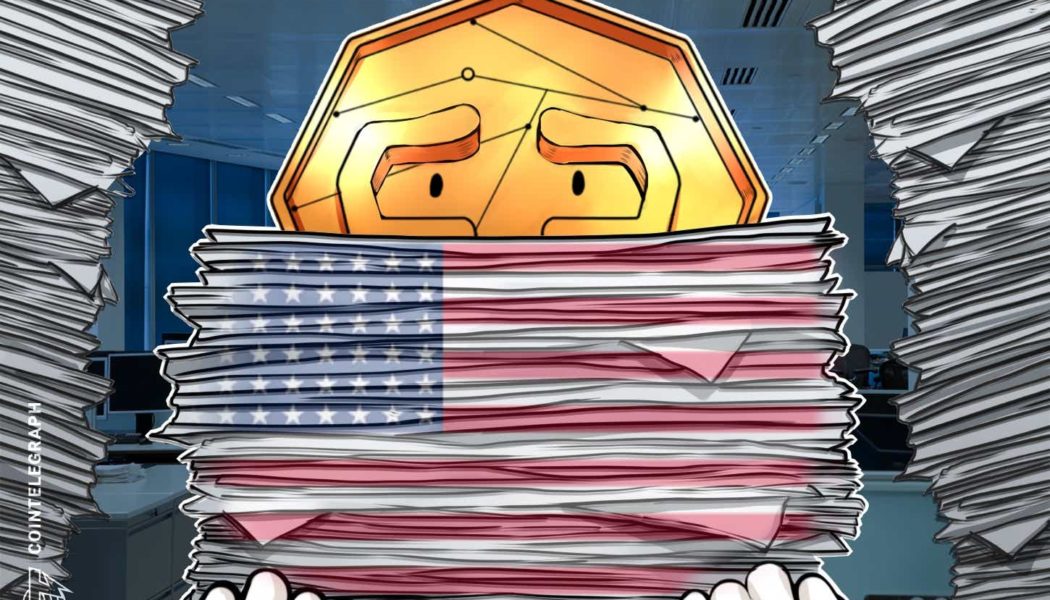
Jerry Brito, the executive director of non-profit crypto policy advocate group Coin Center, suggested U.S. residents call their elected officials over possible privacy and due process concerns in a new bill proposed by House leaders. According to a Wednesday Twitter thread from Brito, the America COMPETES Act recently released by House members contains a provision that he said would be “disastrous” for crypto users from both a privacy and due process standpoint. According to the Coin Center director, a section of the bill on the “prohibitions or conditions on certain transmittals of funds” proposed by Representative Jim Himes would give the U.S. Secretary of the Treasury “unchecked and unilateral power to ban exchanges and other financial institutions from engaging in cryptocurrency transa...


U.S. Congressman calls for ‘Broad, bipartisan consensus’ on important issues of digital asset policy
In a letter to the leadership of the United States House Financial Services Committee, ranking member Patrick McHenry took a jab at “inconsistent treatment and jurisdictional uncertainty” inherent in U.S. crypto regulation and called for the Committee to take on its critical issues. McHenry, a Republican representing North Carolina, opened by mentioning that the Committee’s Democrat Chairwoman Maxine Waters is looking to schedule additional hearings addressing matters pertinent to the digital asset industry. He further stressed the need for identifying and prioritizing the key issues and achieving a “broad, bipartisan consensus” on the matters affecting the industry that holds immense promise for the financial system and broader economy. Citing the confusion that the industry faces due to ...

El Salvador buys its cheapest 410 Bitcoin as prices reach $36K
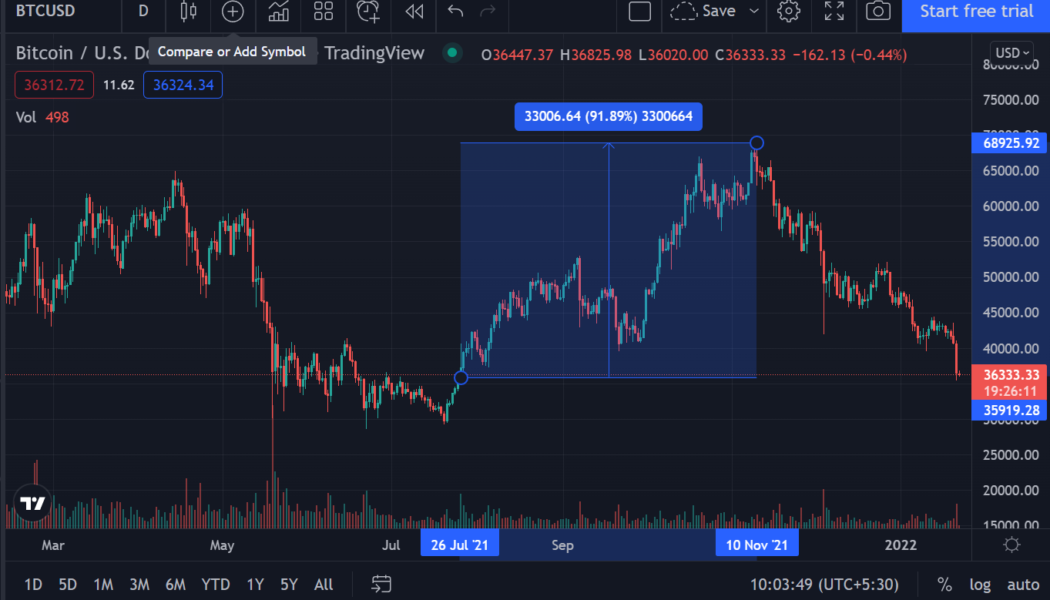
The Central American country of El Salvador has added 410 Bitcoin (BTC) to its central reserve as BTC prices trade below $37,000, a price last seen on July 26, 2021. The fresh addition to El Salvador’s BTC reserve was announced by President Nayib Bukele who confirmed that the purchase of 410 BTC was made against $15 million, placing the price at approximately $36,585 per BTC. Nope, I was wrong, didn’t miss it. El Salvador just bought 410 #bitcoin for only 15 million dollars Some guys are selling really cheap ♂️ https://t.co/vEUEzp5UdU — Nayib Bukele (@nayibbukele) January 21, 2022 El Salvador adopted BTC as a legal tender on September 7, 2021, as a means to overcome catastrophic inflation amid the weakening spending power of the nation. Fast forward to today, th...

How should DeFi be regulated? A European approach to decentralization
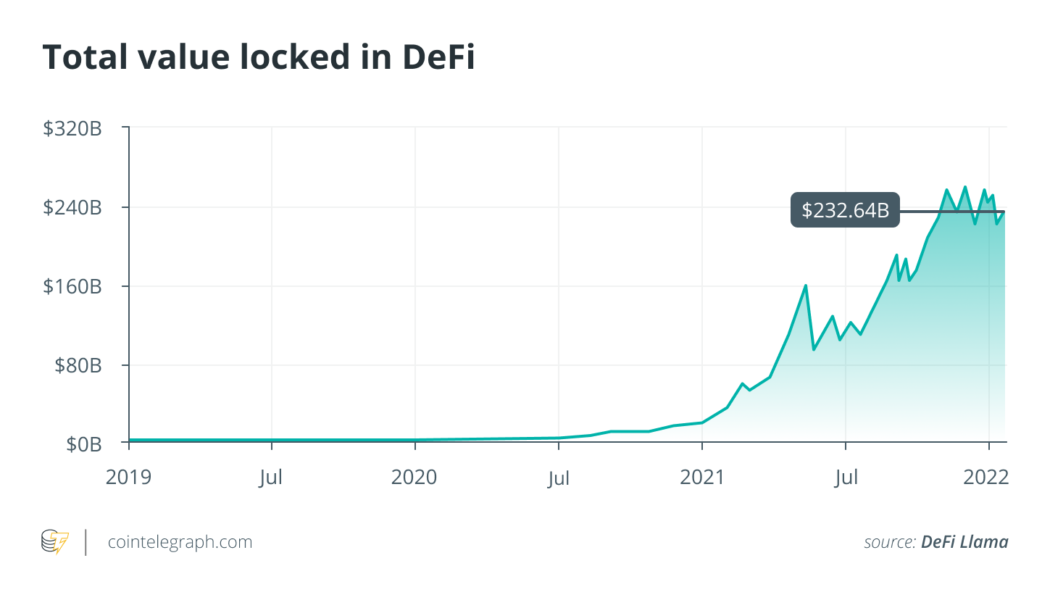
Decentralized finance, known as DeFi, is a new use of blockchain technology that is growing rapidly, with over $237 billion in value locked up in DeFi projects as of January 2022. Regulators are aware of this phenomenon and are beginning to act to regulate it. In this article, we briefly review the fundamentals and risks of DeFi before presenting the regulatory context. The fundamentals of DeFi DeFi is a set of alternative financial systems based on the blockchain that allows for more advanced financial operations than the simple transfer of value, such as currency exchange, lending or borrowing, in a decentralized manner, i.e., directly between peers, without going through a financial intermediary (a centralized exchange, for example). Schematically, a protocol called a DApp (for decentra...


Reuters: Binance was withholding information from regulators, repeatedly shunned own compliance department
In a report published on Friday, Reuters laid out the findings of its investigation into the regulatory compliance practices of Binance, the world’s largest cryptocurrency exchange by trading volume. The authors suggest the existence of a recurring pattern whereby the company’s CEO Changpeng Zhao, while proclaiming its openness to government oversight, ran an organization that systematically denied regulators’ requests for financial and corporate structure information and shirked proper client background checks. The reported findings are based on the accounts of Binance’s former senior employees and advisers, as well as the review of documents such as internal correspondence and confidential messages between several national regulators and the company. According to the document, several hi...

Bitcoin miners’ resilience to geopolitics — A healthy sign for the network
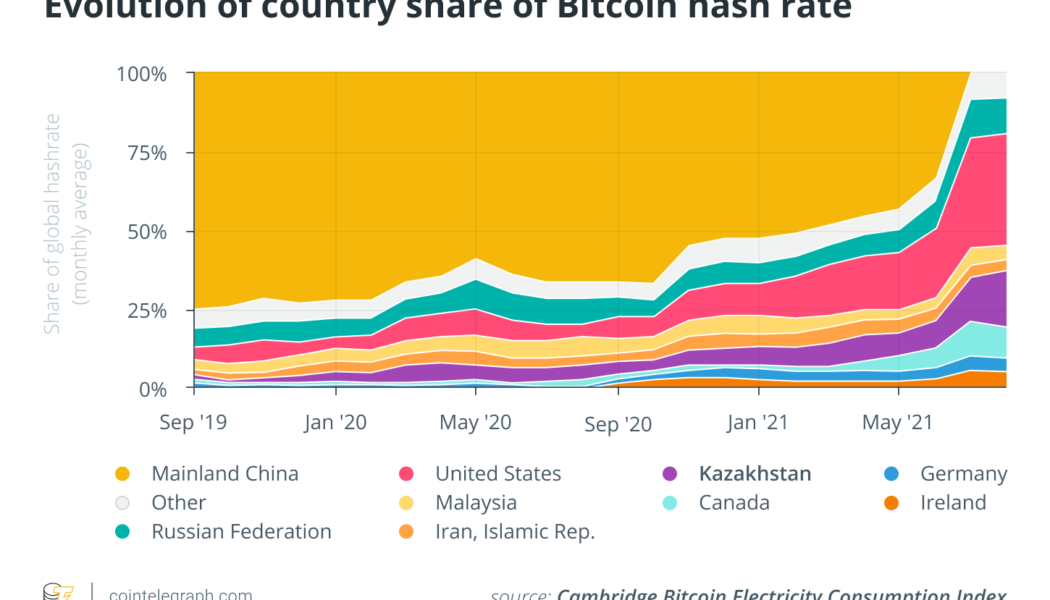
Considering that Bitcoin (BTC) is a blockchain network that uses a proof-of-work (PoW) consensus mechanism, miners are a highly significant part of the market dynamics of the network and the community itself. On Jan. 5, it was revealed that Kazakhstan shut down its internet services due to unprecedented political unrest sparked by rising fuel prices in the country. The protests in Kazakhstan began on Jan. 2 in the town of Zhanaozen to fight against the government doubling the price of liquefied petroleum gas (LPG), which is widely used as car fuel in the country. This change in pricing came as a result of the gradual transition to the use of electronic trading of LPG in order to abolish the existing state subsidies for fuel and allow the market to discover the price of the asset. However, ...


Law Decoded: First-mover advantage in a CBDC conversation, Jan. 10–17
Last week saw an unlikely first move in the opening narrative battle around a prospective U.S. central bank digital currency: Congressperson Tom Emmer came forward with an initiative to legally restrict the Federal Reserve’s capacity to issue a retail CBDC and take on the role of a retail bank. This could be massively consequential as we are yet to see a similarly sharp-cut expression of an opposing stance. As a matter of fact, it is not even clear whether other U.S. lawmakers have strong opinions on the matter other than, perhaps, condemning privately issued stablecoins as a digital alternative to the dollar. By framing a potential Fed CBDC as a privacy threat first, Emmer could tilt the conversation in the direction that is friendly to less centralized designs of digital money. Below is ...


Pakistan’s president calls for more training in blockchain technology
Arif Alvi, currently serving as the president of Pakistan, called for additional training in emerging technologies including blockchain, artificial intelligence and cybersecurity while meeting with a delegation of blockchain technology experts. In a Monday announcement, Alvi said Pakistan’s talent pool should be ready to meet the needs of the Fourth Industrial Revolution, which includes utilizing blockchain technology in the public and private sectors. According to the Pakistan president, the technology could be used as a government tool to track transactions, reduce corruption and increase transparency. Among the panel of experts was Bitcoin SV advocate Jimmy Nguyen, founding president of the Bitcoin Association. President Dr. Arif Alvi had a meeting with an international delegation ...
