

nature
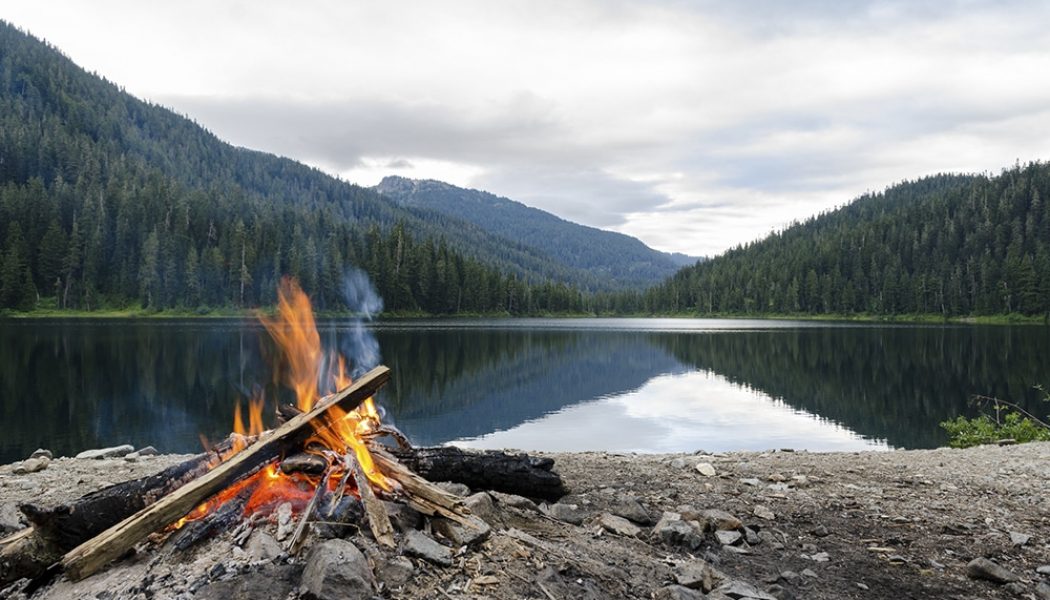

10 things park rangers wish you knew
From grizzly bears to bugbears, five park rangers share the vagaries of their unique job There’s no doubt that nature is flourishing under lockdown. There are heartening stories of the Himalayas emerging from Indian smog, moles in the UK being seen above ground and deer wandering the streets of Japan. Sadly, these phenomena will likely end not too long after lockdown, as humans return to business as usual. In an effort to remind readers – and ourselves – to re-engage with nature as responsibly as possible when we’re allowed to return, we asked five park rangers to share some things they wish we knew. The rangers are based in the US (and remain unnamed for the sake of discretion), but nearly all their points are applicable worldwide. We hate it when you disrespect the park...
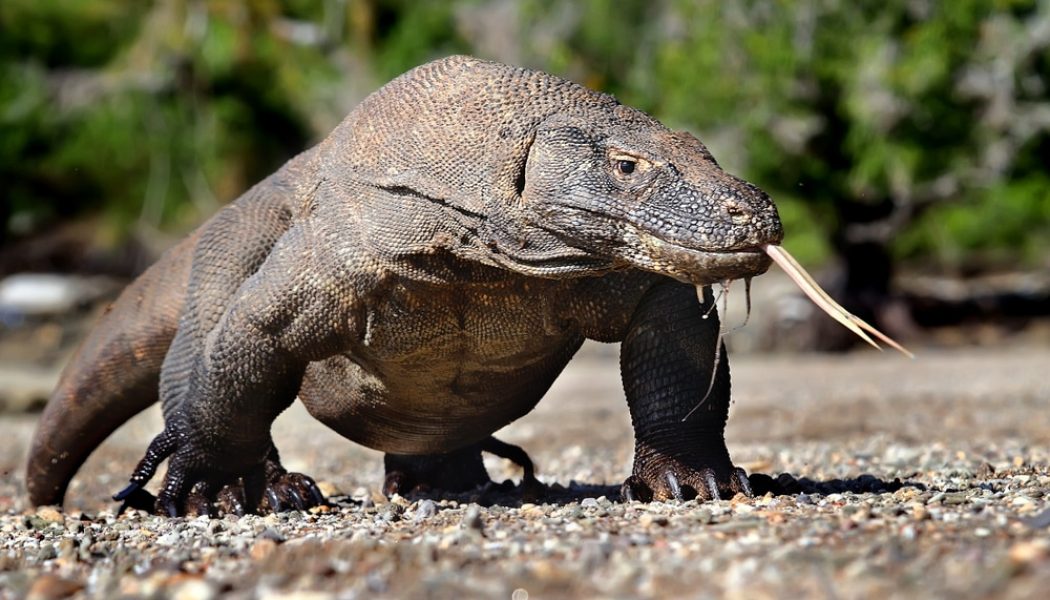

17 megadiverse countries of the world
We profile the world’s megadiverse countries, from obvious contenders like Ecuador and Brazil to one or two surprise entries It should be comforting to know that a mere 17 countries hold more than 70% of the world’s species. It should be easy to rally this small group of ‘megadiverse countries’ to protect the planet’s extraordinary biodiversity. Alas, some of these countries are also the world’s biggest consumers and polluters. In July 2000, the UN’s World Conservation Monitoring Centre recognised 17 megadiverse countries which hold the majority of Earth’s species and high numbers of endemic species (i.e. those unique to an area or country). To be termed megadiverse, a country must have at least 5,000 of the world’s plants as endemics and have marine ecosystems within its borde...
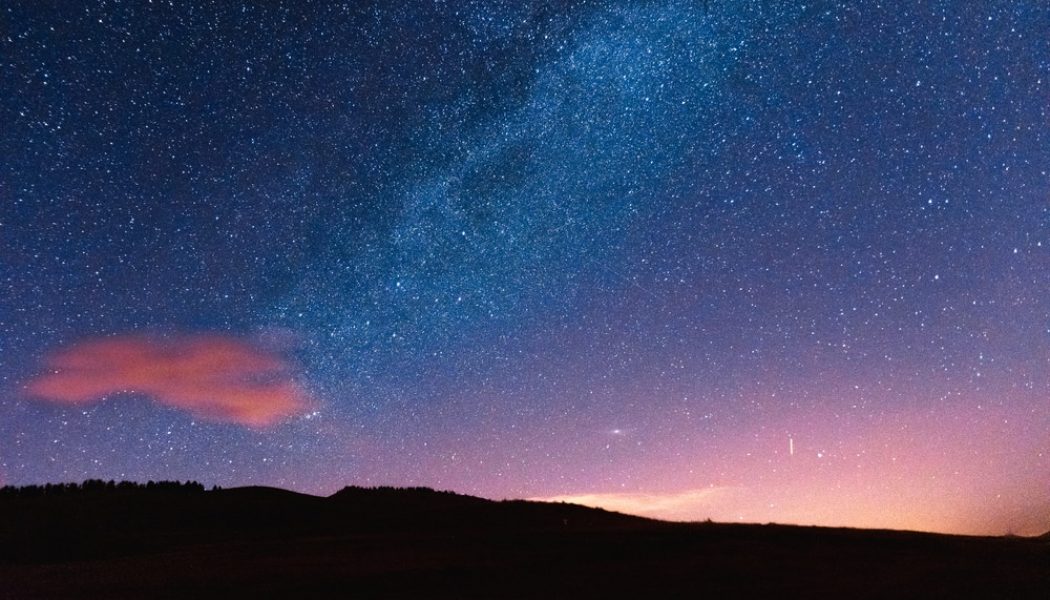

Star struck: exploring the world’s Dark Sky Reserves
International Dark Sky Reserves are protected areas that offer exceptionally starry nights. We review the 16 places that hold this hallowed status They sound like something out of Star Trek, these ‘Dark Sky Reserves’ – like they may have been conjured one evening in a lively LA writers room. Unlike the ‘Delta Quadrant’ or ‘Delphic Expanse’, however, International Dark Sky Reserves actually exist. We at Atlas & Boots hadn’t heard of them until our recent trip to New Zealand‘s Aoraki Mackenzie, one of the world’s 16 Dark Sky Reserves. Governed by the International Dark Sky Association (IDA), Dark Sky Reserves are defined as follows. A public or private land possessing an exceptional quality of starry nights and nocturnal environment that is specifically protected for its scientific, natu...
