

Security


Most Businesses in Africa Don’t Protect Their Full IoT Suite – Report
Image sourced from Feed Navigator. A recent report from internet security experts Kaspersky report that two-in-five businesses (44%) in Africa and other parts of the META (Middle East, Turkey and Africa) region have parts of their IoT infrastructure that are yet to have any protection. Meanwhile, the main barrier for the implementation of many businesses’ IoT projects is the risk of cybersecurity breaches and data compromises. According to IoT Analytics, the global number of connected IoT devices is expected to grow by 9%, reaching 27 billion IoT connections by 2025. With that dramatic rise in connected devices also comes an increased need for security. Gartner highlights that in the past three years nearly 20% of organisations have already observed cyberattacks on IoT devices in their net...

Banking Malware Attacks Are “Becoming Increasingly Corporate” says Kaspersky
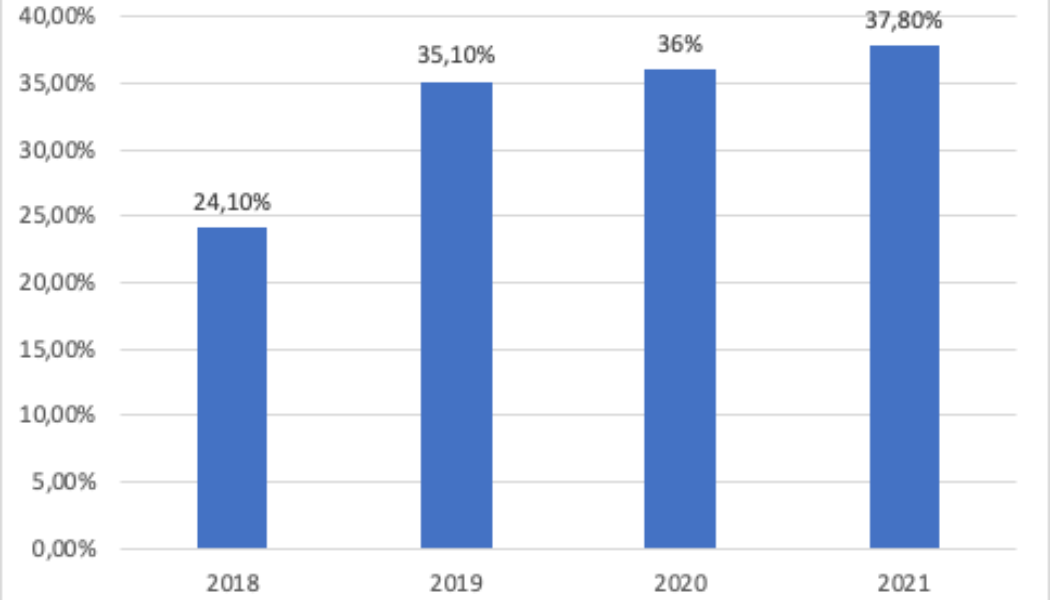
Image sourced from Finance Times. In 2021, the financial threats landscape witnessed positive changes where the overall number of users affected by malware reduced significantly, including a 35% drop in PC malware. Still, financial organisations, as cybercriminals’ most lucrative targets, continue to face massive threats. According to Kaspersky’s new Financial cyberthreats in 2021 report, attacks are becoming increasingly corporate rather than consumer-focused. In 2021, every third (37.8%) PC banking malware attack targeted corporate users, representing a growth of almost 14% since 2018. While 2021 saw an expansion in threats to financial organisations on a global scale, there was a continuation of the downward trend of PC and mobile malware previously seen in 2020. In fact, the numbe...


Crypto firms may still face SEC penalties for self-reporting securities laws violations: Report
The U.S. Securities and Exchange Commission’s enforcement director has reportedly said cryptocurrency companies will not receive amnesty for reporting themselves for possible violations of securities laws. According to a Monday report from Reuters, the SEC director of the agency’s division of enforcement, Gurbir Grewal, said the agency may view crypto companies’ conduct “more favorably” if they reach out first for self-reporting securities law violations. However, he added that though firms may face smaller penalties, they will not be completely off the hook. “Our message to [crypto companies] is not, ‘Register your product and we’ll just ignore the billions you have under management in this crypto lending product and your violations of the securities laws,’” said G...


Are crypto and blockchain safe for kids, or should greater measures be put in place?
Crypto is going mainstream, and the world’s younger generation, in particular, is taking note. Cryptocurrency exchange Crypto.com recently predicted that crypto users worldwide could reach 1 billion by the end of 2022. Further findings show that Millennials — those between the ages of 26 and 41 — are turning to digital asset investment to build wealth. For example, a study conducted in 2021 by personal loan company Stilt found that, according to its user data, more than 94% of people who own crypto were between 18 and 40. Keeping children safe While the increased interest in cryptocurrency is notable, some are raising concerns regarding the ways those under the age of 18 are interacting with digital assets. These challenges were highlighted in UNICEF’s recent “Prospects for children in 202...

Mobile Malware Attacks Across Africa are on the Decline – Why It Isn’t a Good Thing
Image sourced from Sectigo. While analysing the threat landscape of African countries, Kaspersky experts saw a steady decline in attacks on mobile devices in the region, as cybercriminals consolidated their efforts to focus on more complicated, dangerous and profitable threats instead. These and other findings are featured in Kaspersky’s Mobile Threats in 2021 report. Overall, in 2021, South African users faced 38% less mobile malware attacks than in 2020, while other countries in the region have seen even more dramatic changes of their mobile threat landscape: Mozambique saw a 48% decrease, followed by Botswana (58%), Nigeria (59%), Ethiopia (69%) and Ghana (76%). The only countries where the share of attacks increased was Angola, where mobile malware actually grew by 12%. “Indeed, there ...

Effective Data Backup Becomes Essential as Kenya is Rocked by Ransomware
In the wake of the COVID-19 pandemic, cybercrime, in particular, ransomware, has seen a massive increase across the globe. As a burgeoning economy in Africa, Kenya has become a growing target, with a new report from internet security group Kaspersky recording 32.8 million attacks in the first half of 2021. According to INTERPOL, increasing digital demand in the country, coupled with “a lack of cybersecurity policies and standards, exposes online services to major risks”. As digital transformation continues to gain traction in Kenya, data becomes increasingly important for business, and it needs to be effectively protected. Effective data backup and recovery are key to overcoming the potential threat of a ransomware attack. Connected, but vulnerable In Kenya, as in much of the world, the pa...

7 Great Security Practices to Make Sure Your Social Media is Safe & Private
Social media provides a world of opportunities for an organization or individual to promote and expand a brand. A powerful form of communication that uses the internet, social media can provide any organization with a strong global presence. Most organizations believe they must have a social media presence because these platforms and apps have billions of users and an audience that could have millions of potential prospects, customers, partners, employees, and advocates. Social media platforms enable an organization’s representatives and its followers to have interactions that involve sharing information, exchanging feedback, and creating content. Balancing “Social” and Security Social media can increase brand awareness and engagement with the public. It allows for a generally less-expensi...
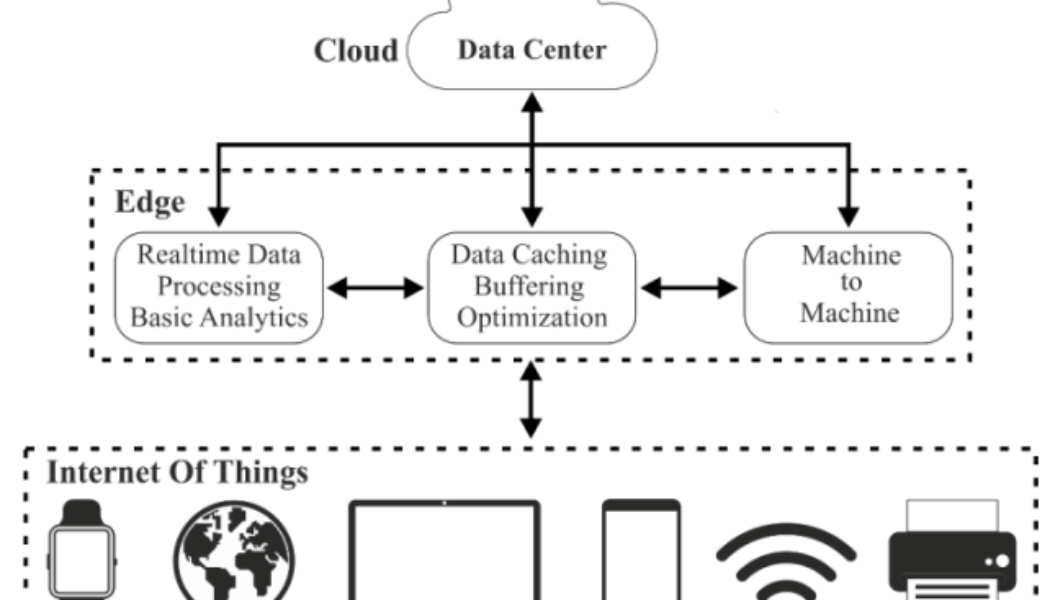

How Application Layer Attacks Impact Edge Architecture
As we approach the two-year mark since the start of the COVID-19 pandemic, IT and security teams continue to grapple with massive changes it has wrought on enterprise networks. One of the biggest changes has been the need to support remote work, which initially was believed to be a temporary strategy necessary to keep businesses operational during the pandemic. However, companies increasingly are realizing that remote work is here to stay. In fact, 87 percent of workers say they want to continue working remotely after the pandemic. And 42 percent of workers say they’ll look for jobs elsewhere if their current company doesn’t continue to offer long-term remote work options. The need to support remote work and deal with other pandemic-related stresses has led many companies to...

Hornetsecurity global ransomware survey reveals the ‘stinging truth’
Ruan du Preez, Vendor Alliance Director – SA and SADC from Networks Unlimited, an Exclusive Networks company Shows backup solutions are critical to fight malware A recent global survey by Hornetsecurity, a leading European email cloud security provider, has shown that a staggering one in five companies is likely to fall victim to a ransomware attack, in which malicious software (malware) is used with the threat to either publish data, or block access to data or a computer system until the victim pays a ransom fee to the attacker. “This is particularly pertinent in South Africa, which was named as being in the top three worst-affected countries in Africa – together with Egypt and Tunisia – as regards targeted ransomware attacks for the first quarter of 2021,” says Ruan du Preez, Vendo...


Wi-Fi Network Security: What You Should do to Secure Your Wi-Fi-Connected Electronic Devices
The internet of things is a superb invention that’s revolutionizing how people work. The internet of things is a superb invention that’s revolutionizing how people work. Thanks to the Wi-Fi network connection, we can now set our Toppricer electronics and appliances to work while we are not at home. Unfortunately, there is a flip side to it. Unscrupulous humans have found ways to target Wi-Fi networks, thereby jeopardizing the safety of homes and businesses. Thankfully, you can protect yourself and anyone connected to your network from malware attacks. Yes, we know that you have an anti-virus set as the overall security. However, a few other tweaks here and there will beef up the network’s security, therefore, keeping your identity safe. Take a look at some of the overlooked security measur...
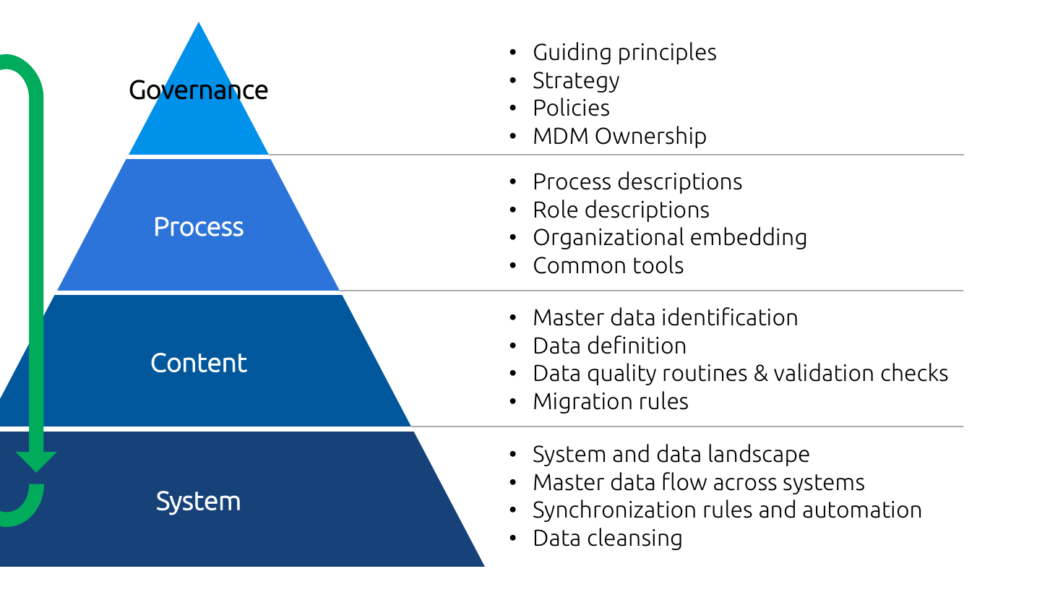

Why MDM Is a Key to Drive Your Digital Initiatives
Modern-day Mobile Device Management (MDM) solutions offer much more than basic device management features. Digitalization was a game-changer that made businesses rethink their approach and time spent on various operations. It presented greater speed, automation and higher accuracy for tasks that were earlier done manually. The inclusion of digital devices changed how industries operated in the past and since then, businesses are adopting newer ways to use these devices to their benefit. But digitalization comes with certain risks related to security and management, which if left unaddressed can have unpleasant consequences. Critical Challenges Faced By Businesses In Adopting DigitalizationAs beneficial as it is, digitalization is a complex and fast-paced process that many businesses strugg...


Cybersecurity Awareness on the Continent
Image by Darwin Laganzon, Pixabay. Key findings: The pandemic is still playing a major role in influencing working behaviours and patterns. Only 38% of respondents have returned to their offices or are accessing the internet from their office network, while 55% continue to work from home; 32% of respondents were affected by cybercrime while working from home, and one-third (33%) of the attacks were social engineering; The number of people concerned about cybercrime has risen to 72%. The 2021 KnowBe4 African Cyberthreat Report focused on key metrics around cybersecurity awareness and behaviours to gain a holistic view of the continent’s cyber stance and how users perceived the threats. Collating insights from 763 respondents across South Africa, Botswana, Egypt, Ghana, Kenya, Morocco, Mauri...
