

tech news
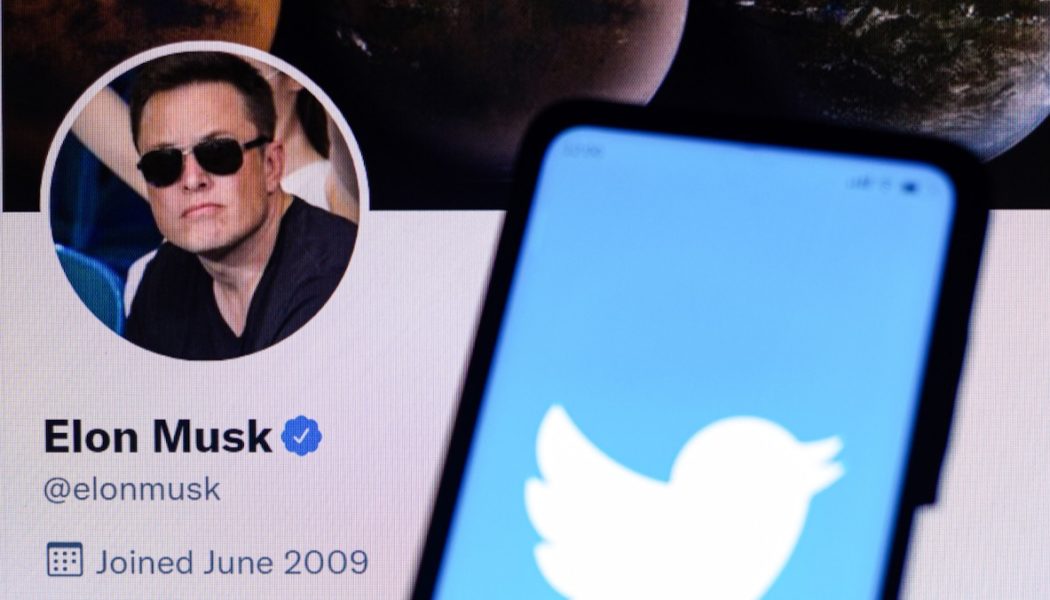

Elon Musk’s First Grand Plan for Twitter? Charging $20 Per Month for a Blue Checkmark
It’s day three of Elon Musk’s reign over Twitter, and beyond seeing an influx of racists tweeting, one big development is Musk’s plan for verification. According to The Verge, Twitter will soon start charging users as much as $19.99 per month for that little blue check mark. Under the proposed plan, Twitter will make verification one of the core features of its premium subscription service, Twitter Blue. Current Twitter Blue subscribers pay $4.99 per month for features like an edit button, a custom reader mode, bookmarks, and more. Musk will reportedly triple the price with the added carrot of giving unverified users the opportunity of adding a blue checkmark next to their handles. Advertisement Related Video Existing verified users would have 90 days to subscribe to Twitter Blue or lose t...

Use of N-Word Jumps 500% After Elon Musk Buys Twitter
Self-proclaimed “free speech absolutist” Elon Musk officially bought Twitter on October 27th, and in the hours following the deal, a slew of bigoted troll accounts appeared to test the limits of his moderation policies. According to The Washington Post, in the 12 hours after Musk acquired Twitter, use of the N-word surged 500%. “Elon now controls twitter. Unleash the racial slurs. K—S AND N—–S,” one account said, using slurs for Jewish and Black people. “I can freely express how much I hate n—–s … now, thank you elon,” another said. One account, created this month, used a swastika as its profile picture and tweeted antisemitic memes alongside retweeting posts from Musk. Much of this hate speech was organized on platforms like 4chan, said the Network Contagion Research Institute, which anal...

Elon Musk Officially Closes Twitter Deal, Fires Top Executives
After much deliberation and legal back-and-forth, Elon Musk has officially finalized his purchase of Twitter. He closed the $44 billion deal late on Thursday, October 27th. Per The Washington Post, one of Musk’s first moves was firing top Twitter executives including CEO Parag Agrawal, chief financial officer Ned Segal, and Vijaya Gadde, head of legal policy, trust, and safety. The company’s general counsel, Sean Edgett, was also let go. “The reason I acquired Twitter is because it is important to the future of civilization to have a common digital town square, where a wide range of beliefs can be debated in a healthy manner, without resorting to violence,” Musk wrote on Twitter prior to formalizing the deal. “I didn’t do it to make money. I did it to help humanity, whom I love.” Advertise...


Apple’s New Car Crash Detection Feature Is Mistaking Rollercoaster Rides for Emergencies
Apple’s technology continues to get more advanced with every new iPhone, but one new feature may not have worked out all its kinks. The brand new iPhone 14 and Apple Watch come with a car crash detection feature that alerts first responders and one’s emergency contacts if they get in an accident, but as The Wall Street Journal reports, some phones have sounded the alarm after detecting the speeds and drops of a harmless rollercoaster. Apple uses sensor data to determine if a crash occurred, but the experiences of folks who have (inadvertently) used the new feature suggest that any sudden drop could trigger the emergency call. One woman with a brand new iPhone 14 Pro attended Kings Island amusement park near Cincinnati this September, and after riding the Mystic Timbers rollercoaster —...

Elon Musk Agrees to Buy Twitter (Again) at Original Price of $44 Billion: Report
Elon Musk has agreed to buy Twitter at his original proposed price of $54.20 per share, or about $44 billion total, Bloomberg reports and the New York Times confirms. Few details are known at this time. Musk is said to have expressed his renewed interest in a letter to the social media giant on the evening of October 3rd and met in court with Twitter representatives the morning of October 4th. Musk began trying to back out of the purchase agreement almost as soon as Twitter accepted it his original offer in April. He accused the platform of misleading or lying to investors about its number of daily active users, saying in May that the deal “cannot move forward” until Twitter proved that less than 5% of users are bots or spam accounts. Advertisement Related Video The Tes...


Underpinning SA’s BPO Explosion
We use cookies on our website to give you the most relevant experience by remembering your preferences and repeat visits. By clicking “Accept All”, you consent to the use of ALL the cookies. However, you may visit “Cookie Settings” to provide a controlled consent.

Why Gen Xers & Boomers are Embracing Cryptocurrency
We use cookies on our website to give you the most relevant experience by remembering your preferences and repeat visits. By clicking “Accept All”, you consent to the use of ALL the cookies. However, you may visit “Cookie Settings” to provide a controlled consent.

MTN SA Rolls Out Green Energy Programme
We use cookies on our website to give you the most relevant experience by remembering your preferences and repeat visits. By clicking “Accept All”, you consent to the use of ALL the cookies. However, you may visit “Cookie Settings” to provide a controlled consent.

Absa Bank Kenya Partners with Huawei to Accelerate Digital Transformation
We use cookies on our website to give you the most relevant experience by remembering your preferences and repeat visits. By clicking “Accept All”, you consent to the use of ALL the cookies. However, you may visit “Cookie Settings” to provide a controlled consent.

How a Data Breach Could Sink an SME
Sourced from CSO. When it comes to reporting on cybercrime, we tend to only come across stories impacting major companies or industries. Apart from the obvious reputational damage, we don’t really grasp the consequences of something like a data breach on a company and its customers. There are no headline articles about the troubles that emerge in the wake of a data breach, some of which literally grind small and medium enterprises (SMEs) into the ground. The media focuses on corporate giants as the only victims of cybercrime and lulls us into a false reality where data breaches seem to happen mostly to corporate behemoths but not the small or medium size business owners. Cybercriminals, who are often well-organised and well-resourced, launch constant attacks on data targets, probing for th...

Financial Phishing Cyberattacks Significantly Increase in Kenya and Nigeria in Q2 of 2022
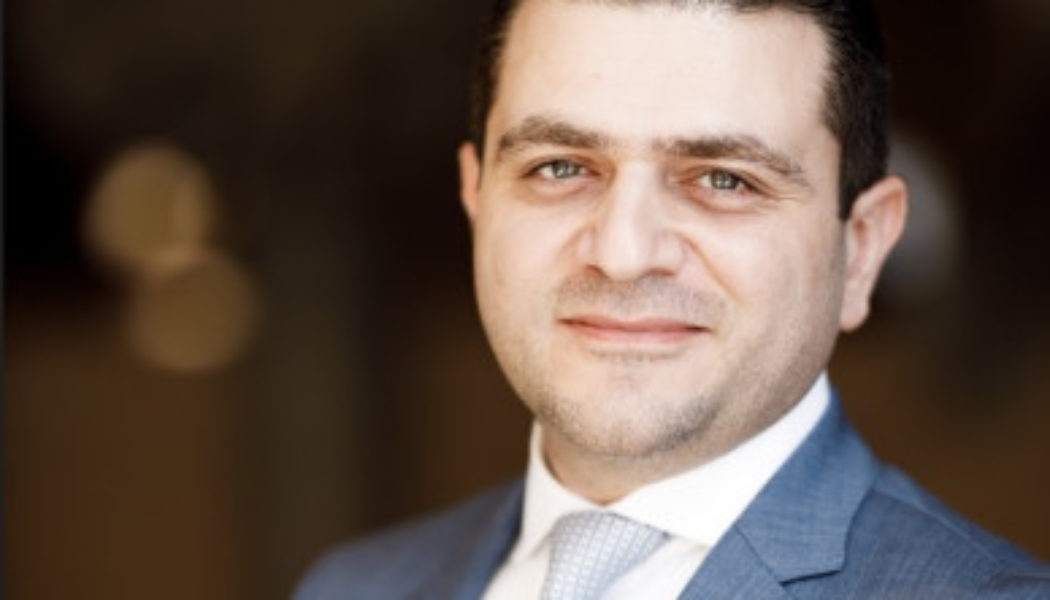
Emad Haffar, Head of Technical Experts at Kaspersky. According to Kaspersky’s Financial Cyberthreats report, attacks in the financial sector are becoming increasingly corporate-oriented and shifting away from consumers. Kaspersky (www.Kaspersky.co.za) Security Network data shows that the number of financial phishing attempts in the African regions increased significantly from Q1 to Q2 of 2022. Banks, payment systems, and e-commerce websites were attacked. Financial phishing is a deceptive way of stealing information and is gaining momentum in the region. Phishing is a type of online fraud where the scammer sends fake alerts from banks, e-pay systems and other organisations to trick consumers into sharing their financial details. The alerts sent by the scammer can be related to loss of data...
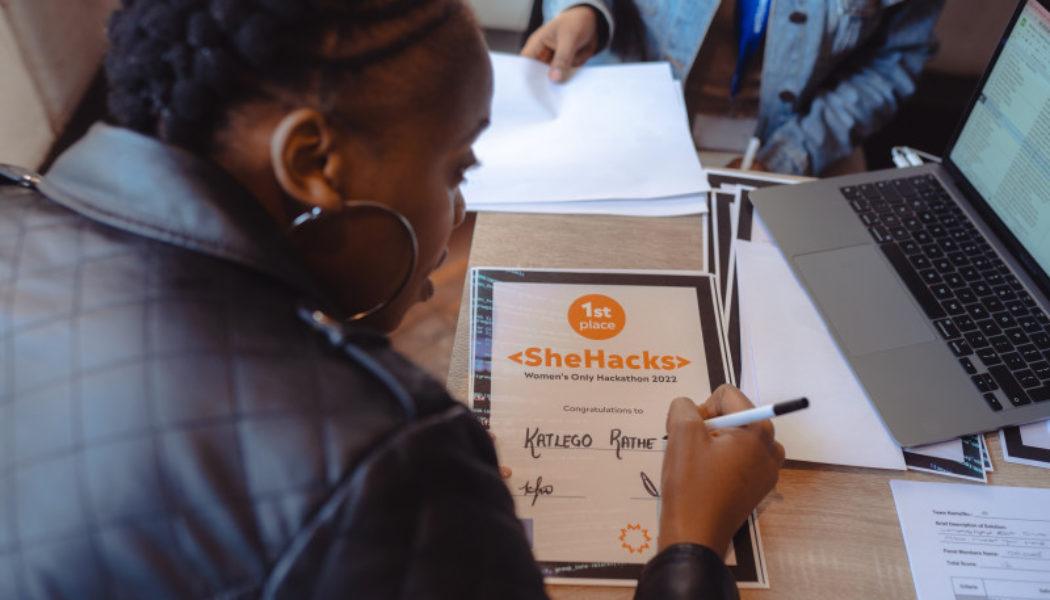

Mukuru & WeThinkCode Partner to Host Women-Only Hackathon: SheHacks
We use cookies on our website to give you the most relevant experience by remembering your preferences and repeat visits. By clicking “Accept All”, you consent to the use of ALL the cookies. However, you may visit “Cookie Settings” to provide a controlled consent.
