

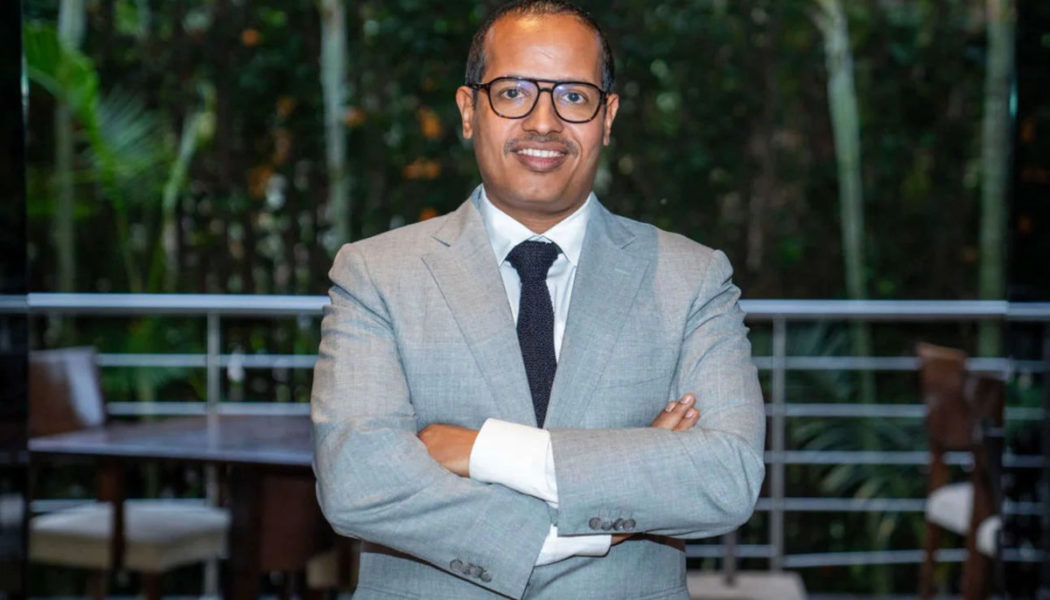
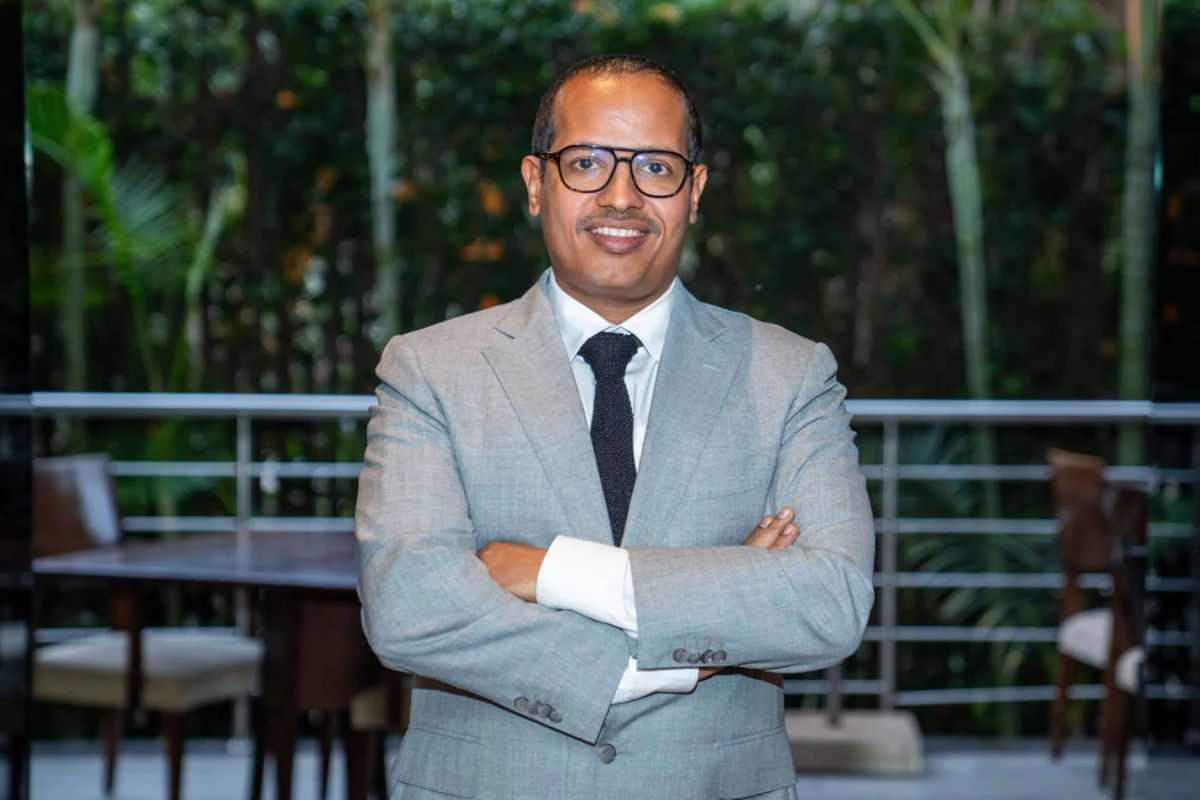
Tanzanian businessman Edhah Abdallah Munif has made quick gains in his multi-billion-shilling investments in Bamburi Cement and East African Portland Cement (EAPC) after improved operational efficiencies yielded higher profits and asset valuation of the firms.
The latest financial reports published by the two Nairobi Securities Exchange (NSE)-listed cement firms show a sharp jump in profits, attributed to new investment and marketing initiatives.
EAPC’s financial results for the year ended June 2025 show that net profit grew nearly five-fold to Sh5.53 billion from Sh1.16 billion a year earlier.
The company also announced a higher dividend of Sh1.25 per share for the period, up from Sh1 per share for the prior year. Mr Munif’s investment vehicle Kalahari Cement Limited is set to bank Sh77.3 million out of EAPC’s total payout of Sh112.5 million.
Bamburi also marked a turnaround in the financial year ended December 2025, in which it was entirely under the ownership of Amsons.
It reported a net profit of Sh3.08 billion in the review period, compared to a net loss of Sh905 million a year earlier. Unlike EAPC, however, Bamburi did not pay a dividend despite its higher profits.
The mix of improved earnings, larger dividends and bargain purchase price at which the businessman acquired majority stakes in the companies has positioned the deals to yield high returns in a short period.
Mr Munif fully acquired Bamburi in December 2024 through his firm Amsons Industries in a Sh23.6 billion deal. He also spent Sh2.32 billion to take a majority stake of 68.7 percent in EAPC through his investment vehicle Kalahari Cement Limited.
He built up the EAPC stake by buying a 29.2 percent stake from Swiss multinational Holcim for Sh718.7 million or Sh27.30 a share in November 2025.
He then acquired a 27 percent holding from National Social Security Fund (NSSF) for Sh1.604 billion, adding to the 12.5 percent he already controlled through Bamburi’s stake in EAPC.
The twin deals gave the businessman strategic access to two of Kenya’s top cement firms, which have a combined market share of about 31 percent of the country’s production capacity of 14.5 million tonnes per annum.
EAPC’s turnover more than doubled to Sh7.08 billion in the year to June 2025 from Sh3.28 billion the year before, attributed by the company to improved and consistent cement production, effective pricing strategies and strong demand recovery in key market segments.
“This year marked a significant production milestone in our recent history, recording a 121 percent year-on-year growth in clinker production and a 96 percent growth in cement production, buoyed by operational discipline, enhanced capacity utilisation of our key installations,” said EAPC in its results presentation.
Although Kalahari’s share purchases from NSSF and Holcim came after the close of the financial period, EAPC says it is now producing cement at near full capacity, ahead of expansion plans.
“The immediate strategy is to expand capacity and diversify revenue, which will be funded by proceeds from liquidation of non-core assets,” the company said.
The cement manufacturer revalued its land, which was previously held at cost, resulting in a 43 percent growth in total assets to Sh50.3 billion from Sh35.19 billion a year earlier.
Bamburi also benefited from higher sales and savings of Sh979 million from shedding off unproductive assets. Turnover rose by 13.6 percent to Sh24.9 billion.
“Turnover was higher compared with the prior year driven by strong market strategy execution, expansion of the retail and key accounts segments, marketing initiatives and strong pricing discipline,” said Bamburi in its financial report.
Mr Munif’s bet on the Kenyan cement sector looks to be paying off handsomely, riding on the well-known brands and healthy demand for the product from both the private and public construction sectors.
He also acquired the companies at valuations that analysts saw as undervalued relative to their book values or net assets.
Bamburi’s market valuation ahead of its suspension from trading at the NSE stood at Sh19.6 billion, which is lower than the company’s book or net asset value of Sh28.7 billion as at December 2025.
Amson’s acquisition cost of Sh23.6 billion also falls well below the company’s book value.
For EAPC, net assets were valued at Sh33.64 billion in June 2025, having grown from Sh20.5 billion in June 2024 due to the revaluation of the company’s land assets.
On the NSE, the company gained 5.6 percent to close at Sh84 on Monday, giving it a market capitalisation of Sh7.56 billion.
Kalahari’s stake in the company is thus valued at Sh5.19 billion, eclipsing the cost of Sh2.32 billion the investment vehicle incurred when acquiring the Holcim and NSSF stakes.
Mr Munif benefited from favourable acquisition terms for the EAPC stakes when the sellers did not demand a premium on price when selling their shares.
Holcim’s exit valuation represented a 46.2 percent discount to EAPC’s prevailing share price of Sh50.75 at the time the deal was first disclosed on August 1, 2025. On the other hand, the NSSF transaction was valued at the share’s market price of Sh66 at the time of announcement on November 26, 2025.
In addition to his recent Kenyan acquisitions, Mr Munif also holds diverse interests in regional cement, fuel and transport sectors. He owns these regional operations jointly with other family members through firms such as Amsons Group, Camel Oil (Tanzania) Ltd, East Africa Warehousing (Tanzania) Ltd, Kalahari Trans Zambia Limited and Camel Oil Mozambique.