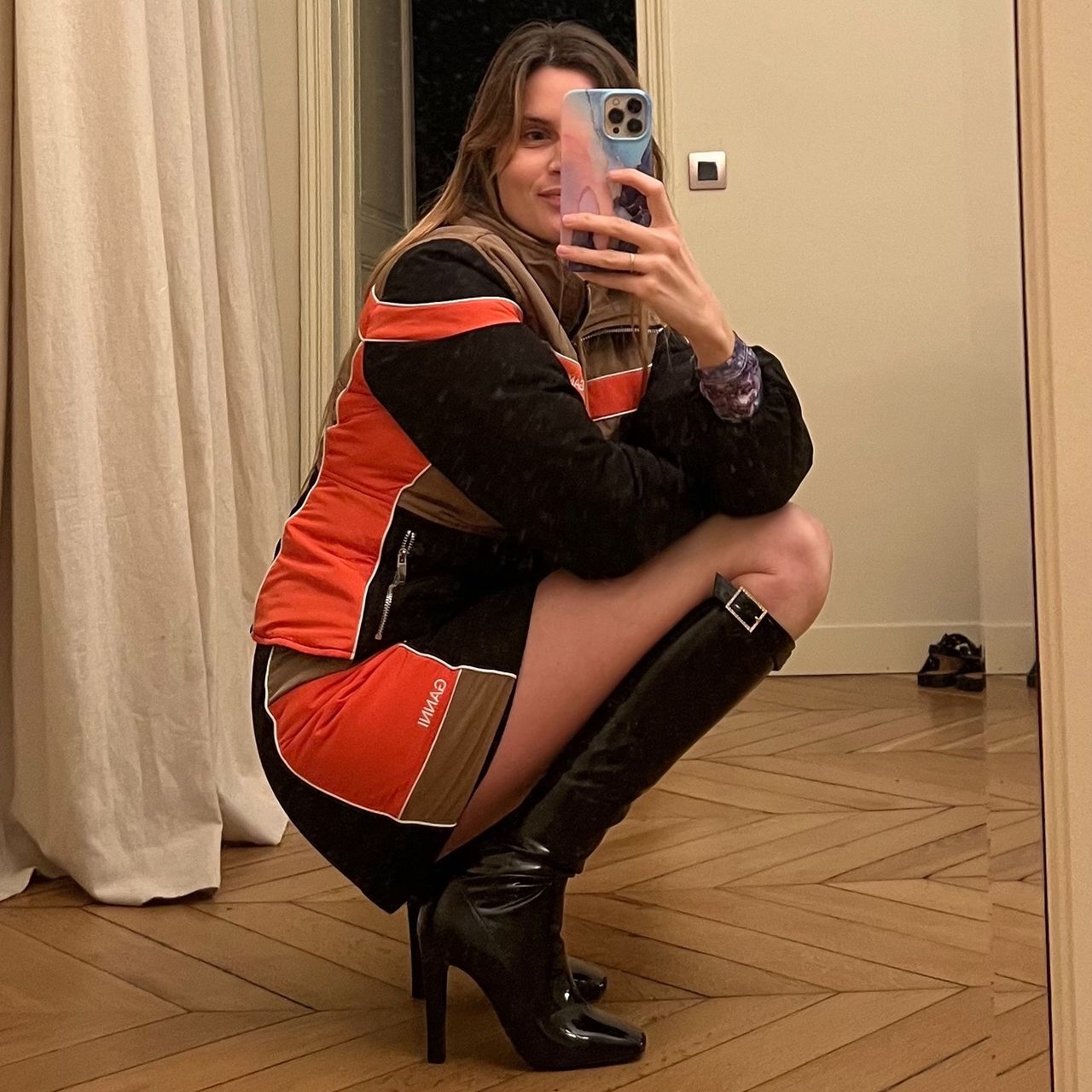

This is a practical, experience-based guide to choosing the right boots depending on different silhouettes—calves, height, proportions—and understanding why certain styles work better than others. It’s less about rigid body-type rules and more about balance, comfort, and real-life dressing, drawing from years of fittings, styling, and trial and error.
We often talk about boots as a purely aesthetic subject—trends, shaft heights, what’s supposed to lengthen, slim, or “fix” the silhouette. We talk far less about what actually happens when you put a pair of boots on: how you stand, how you walk, how you accept (or don’t accept) certain parts of your body.
After years of trying boots on myself and on others in fitting rooms and appointments across endlessly different silhouettes, I’ve come to a simple conclusion: There is no universal boot style. There are only boots that work, depending on proportions, habits, and the parts of the body you enjoy showing and those you prefer to keep to yourself.
These are my reference points and observations, not rules.
For Slim, Streamlined Legs
When you have slim legs, the issue isn’t a lack of options. It’s too much volume. Boots that are too wide can create a floating effect, as if the leg disappears entirely.
Fitted yet structured boots in leather that holds its shape work particularly well. Sleek, high boots with a small heel or a solid block heel support the leg without visually weakening it. Chunky, army-style boots—often perceived as too heavy—can also look great on streamlined legs as long as the contrast is intentional. The trick is to add substance with thick, visible knee-high socks peeking out of the boots or tights or by wearing them directly on the skin. This avoids the “lost in my boots” effect and turns the boots into a deliberate styling gesture.
I also love chunky, architectural boots with thick heels, like those from Maison Margiela and Chloé. They immediately add weight and presence to a silhouette, creating a very fashion-forward sense of visual density. They ground the body, making a look feel stronger, more grown-up.
That said, I avoid wearing them with dresses and skirts. The contrast is often too harsh and tends to shorten the silhouette, especially when the hem hits at or just above the knee. The boots become too heavy compared to the lightness of the outfit.
Where they truly shine is with trousers: straight-leg pants, slightly long jeans, or trousers that softly break over the shoes.
In that case, the chunky heel does exactly what it’s meant to do. It structures the look, adds weight, and grounds the silhouette without throwing off the balance.

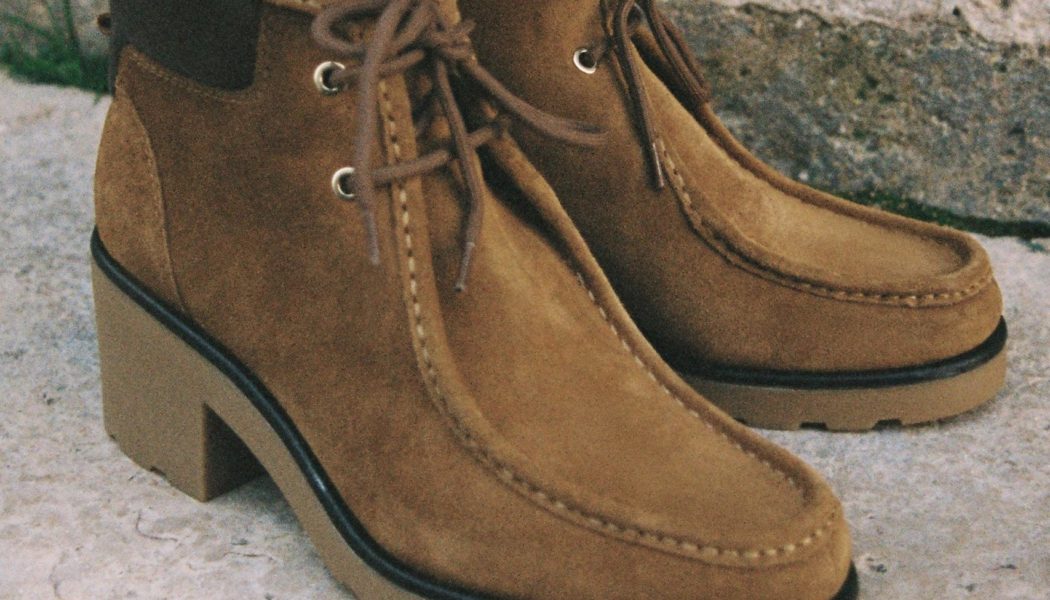
ZARA
Laced Heeled Ankle Boots

Saint Laurent
Francoise Smooth Leather Knee-High Boots

Gia Borghini
Ros8 Leather in Oatmilk

CHLOÉ
Dakota Embellished Leather Ankle Boots

Miu Miu
Nappa Leather Boots With Buckle

Maison Margiela
Tabi Bianchetto Boots

Balenciaga
Avenue Boot
For Legs With More Strength and Presence
I prefer talking about legs with strength and presence rather than framing them as a problem. Some boots simply need to be inhabited.
The most common mistake here is choosing boots that are too narrow, squeezing the calf and creating both visual and physical tension. Instead, I recommend straight or slightly flared shafts, rigid leather that draws a clean line, and heights that hit at the knee or above.
Biker boots are ideal. Their wider construction embraces volume rather than fighting it. They’re comfortable, powerful, and never apologetic.
For me, over-the-knee boots naturally belong here too. Thigh-high boots need substance and density. They work best when they’re not trying to correct anything. I prefer non-stretch versions worn simply with a straight dress or a long coat without any overt attempt at sexiness.

Toteme
Croco-Embossed Wide Shaft Boots Dark Brown

ZARA
Low-Heeled Boots With Topstitching

CELINE
Margaret High Boot in Waxed Suede Calfskin

H&M
Knee-High Boots

Alaïa
Square Knee Boots in Calfskin
For Petite Women
Here, everything comes down to visual continuity. It’s not the height of the boots that matters. It’s how they integrate into the outfit.
Mid-height, stable heels work very well, especially when the boots are close in color to the trousers or tights. Creating tonal harmony—matching boots and bottoms—effortlessly elongates the silhouette.
Pointed-toe ankle boots are also great allies. On the other hand, strong color breaks and very high, flat boots worn with skirts hitting right at the knee tend to shorten the figure.

MANGO
Leather Pointed Ankle Boots

Sézane
Garrett Boots

CELINE
Cheri Zipped Boot in Stretch Lambskin

AEYDE
Koko Regal Heel Boots

Coperni
Belt Leather Ankle Boots

H&M
Knee-High Boots

TOTEME
Downtown Shearling-Trimmed Leather Knee Boots
For Those Who Don’t Like Showing Their Knees
This is extremely common and rarely addressed. Some women simply don’t like their knees, and that’s perfectly legitimate. In this case, tall boots are an elegant solution. Worn with skirts and dresses, they allow you to show leg without exposing that specific area.
Suede and shearling-lined boots, especially in beige and natural tones, are particularly effective. They draw the eye to texture, color, and material rather than the knee itself.
The idea isn’t to hide—it’s to redirect attention.

Saint Laurent
Odeon Leather Over-the-Knee Boots

ZARA
Combination Heel Boots

Sézane
Anaelle Thigh High Boots in Taupe

Coperni
Belt High Cavalier Boots

Dolce & Gabbana
Over-the-Knee Leather Biker Boots
For Those Who Can’t Stand Heels and Walk All Day
This is a very real, very common situation and too often framed as a compromise. When you can’t wear heels or spend your entire day on your feet, flat boots are not a downgrade. It’s quite the opposite.
My absolute favorites in this category are riding boots. They have a quiet elegance: a clean line, leather that ages beautifully, effortless presence. They structure a silhouette without ever being aggressive. They’re boots you can wear for eight hours straight and forget you’re wearing, yet they still carry the entire look.
I also love repurposed rain boots. Worn with a short skirt or dress almost against their original purpose, they become unexpectedly chic. They’re just as good on rainy days, of course, paired with slightly cropped trousers that hit at the ankle. Again, it’s all about proportion and nonchalance.
And then there are cowboy boots, which I wear a lot, either worn over the trousers for a very clean effect or tucked into the trousers. Yes, it’s a bold move, but when it works, it really works. It creates a slightly sharp, confident, very personal look. It’s the kind of detail that doesn’t try to please everyone, and that’s exactly why it works.

ZARA
Equestrian Flat Boots

Paris Texas
Bettina Boot 25 Knee-High Boots

Sézane
Jill Boots

By Far
Lysander Limewash Washed Leather Ankle Boot

AEYDE
Paul Shearling Ankle Boots

CELINE
Riley High Boot in Nylon and Calfskin