
Warner Bros. won a bidding war for the rights to ‘Siren Head,’ the viral internet horror creation from artist Trevor Henderson
Brian Duffield will direct from a screenplay he is co-writing with ‘Weapons’ filmmaker Zach Cregger
The deal marks the latest studio push to bring internet-native horror IP to theaters following the successes of ‘Backrooms’ and ‘Obsession’
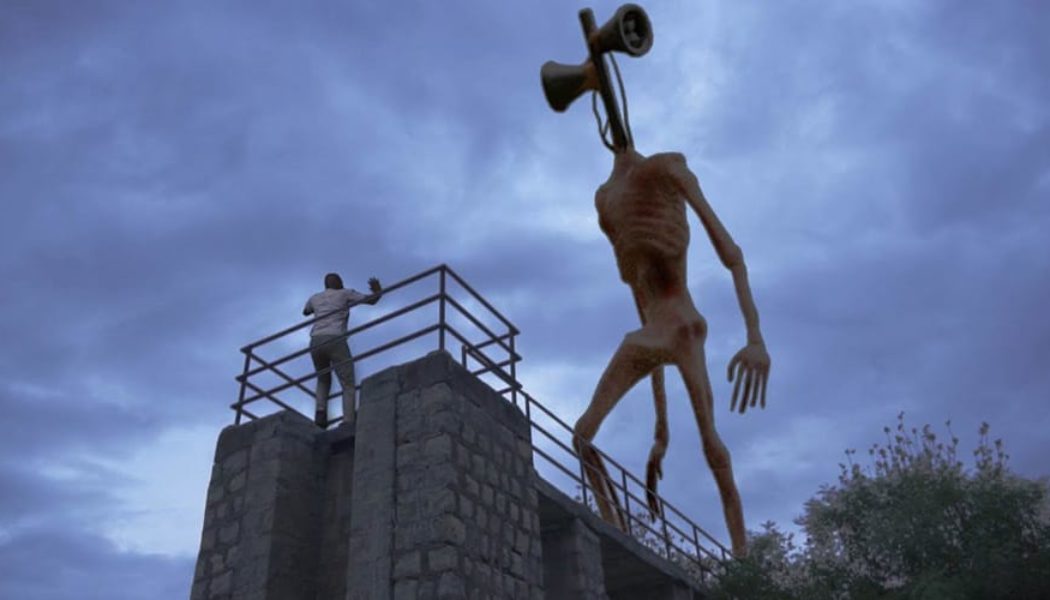
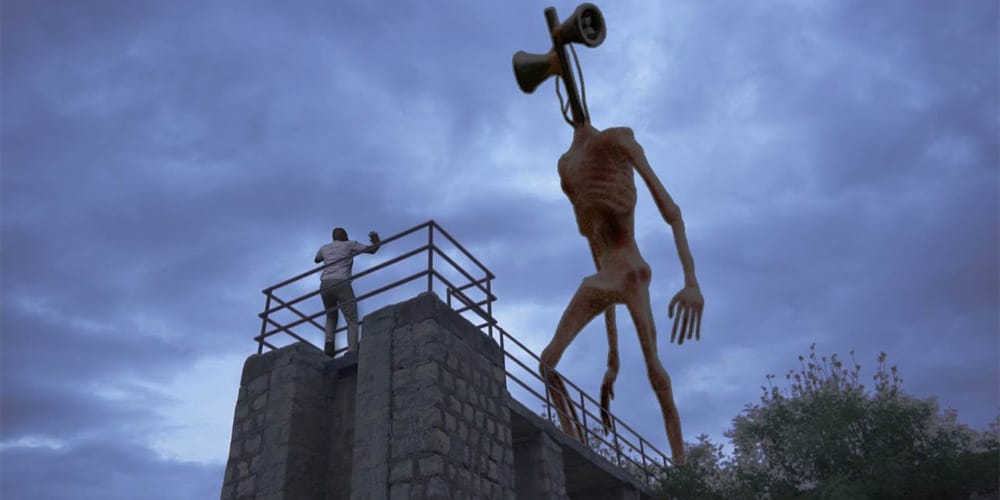
Weapons director Zach Cregger is teaming with filmmaker Brian Duffield on Siren Head, a Warner Bros. horror feature based on the viral internet urban legend created by artist Trevor Henderson. Duffield will direct from a screenplay he is writing with Cregger, with Warner Bros. taking the project after winning a bidding war for the rights to one of the internet’s most recognizable modern horror figures.
The deal reads less like a one-off IP grab and more like the next entry in an emerging pattern. Hollywood’s chase for internet-native horror properties accelerated after A24‘s Backrooms broke through as a hit for 20-year-old director Kane Parsons, who had originally built the concept on YouTube. That success was quickly followed by Obsession, another recent horror hit created by 26-year-old Curry Barker, whose own filmmaking career started on the same platform. Both films confirmed something studios had been trying to pin down for years: that internet-born horror mythology can translate to the theatrical box office when the right filmmakers get involved.
Siren Head fits that lineage while pointing to a slight recalibration of the model. Henderson created the character as an internet-fueled urban legend, imagining a mysterious predator with two sirens for a head and a long, thin frame, and the design has since become one of the most-shared horror concepts in online culture. Where Backrooms handed the reins to its original creator, Warner Bros. is instead pairing Henderson’s world with two established feature filmmakers, positioning the project as a bridge between internet-native horror IP and traditional studio filmmaking rather than a direct extension of the meme’s DIY origins.
The Gen Z equation sitting underneath the deal is doing quiet, heavy lifting. Recent studies have shown that Gen Z has become Hollywood’s most consistent audience, visiting cinemas more frequently than millennials and far outpacing Gen X and boomers in attendance. Studios are increasingly building slates around that demographic reality, and internet-native horror properties have emerged as one of the most reliable ways to reach it, offering built-in audience awareness that predates any marketing spend.