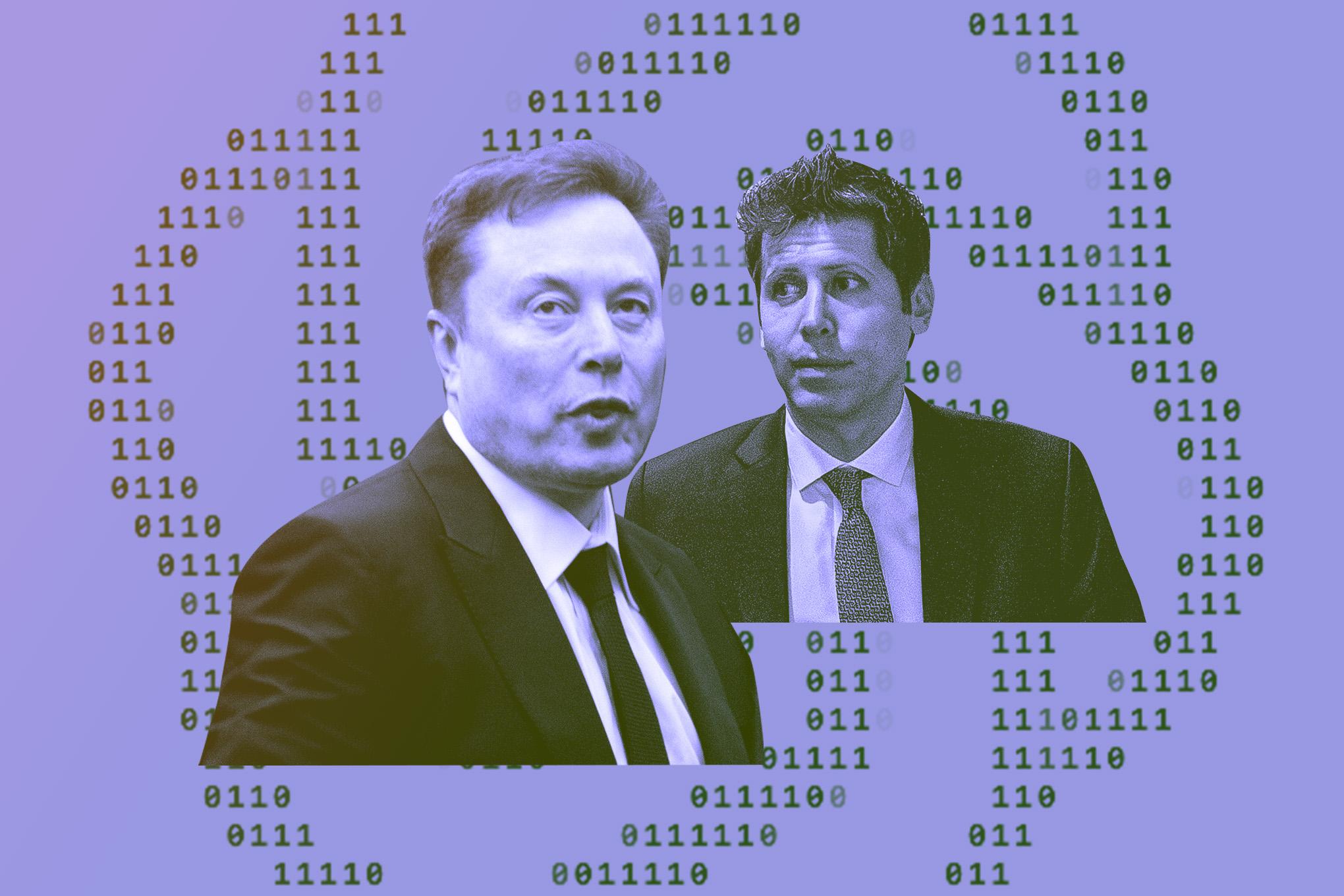

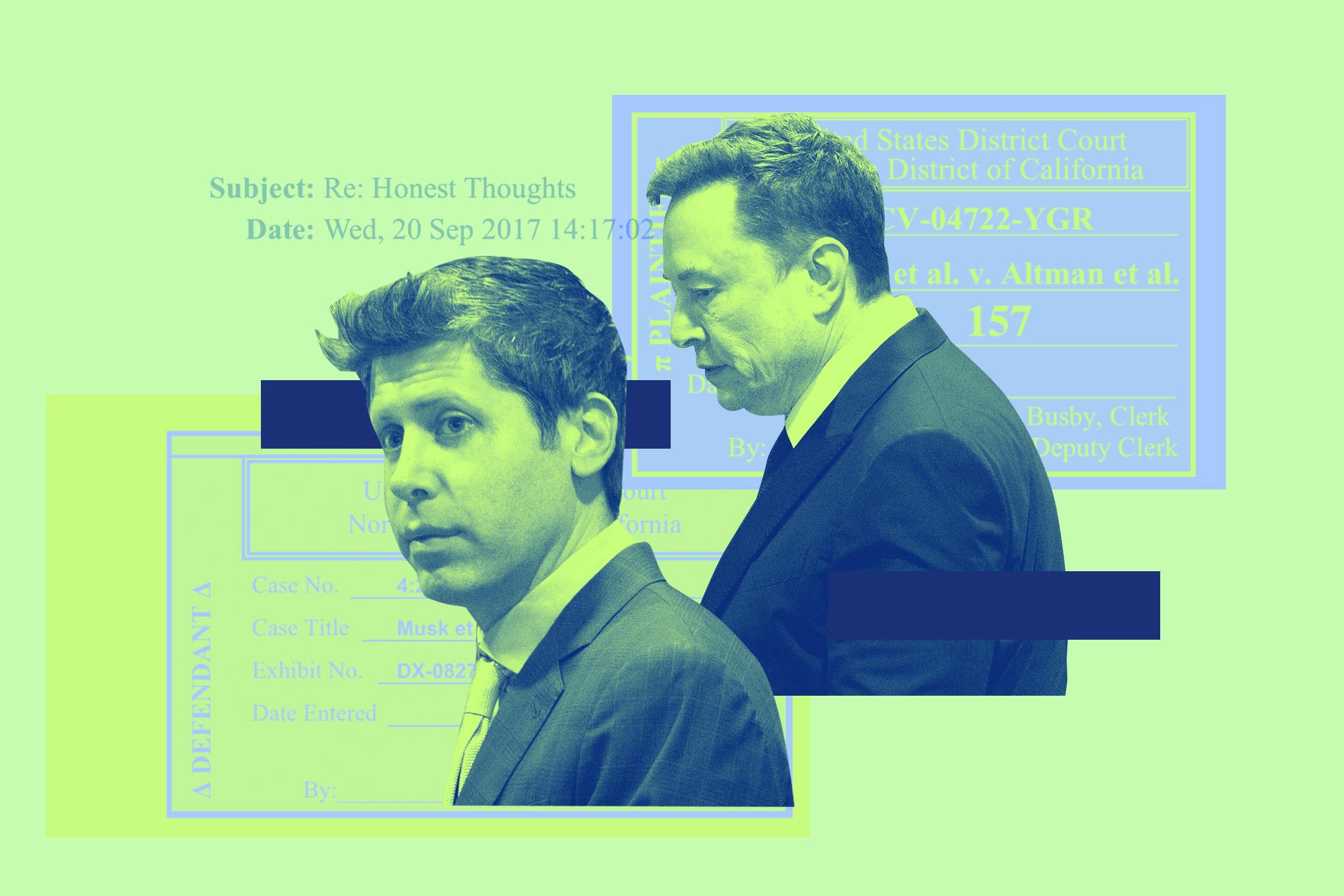
Sam Altman and Elon Musk are facing off in a high-stakes trial that could alter the future of OpenAI and its most well-known product, ChatGPT. In 2024, Musk filed a lawsuit accusing OpenAI of abandoning its founding mission of developing AI to benefit humanity and shifting focus to boosting profits instead.
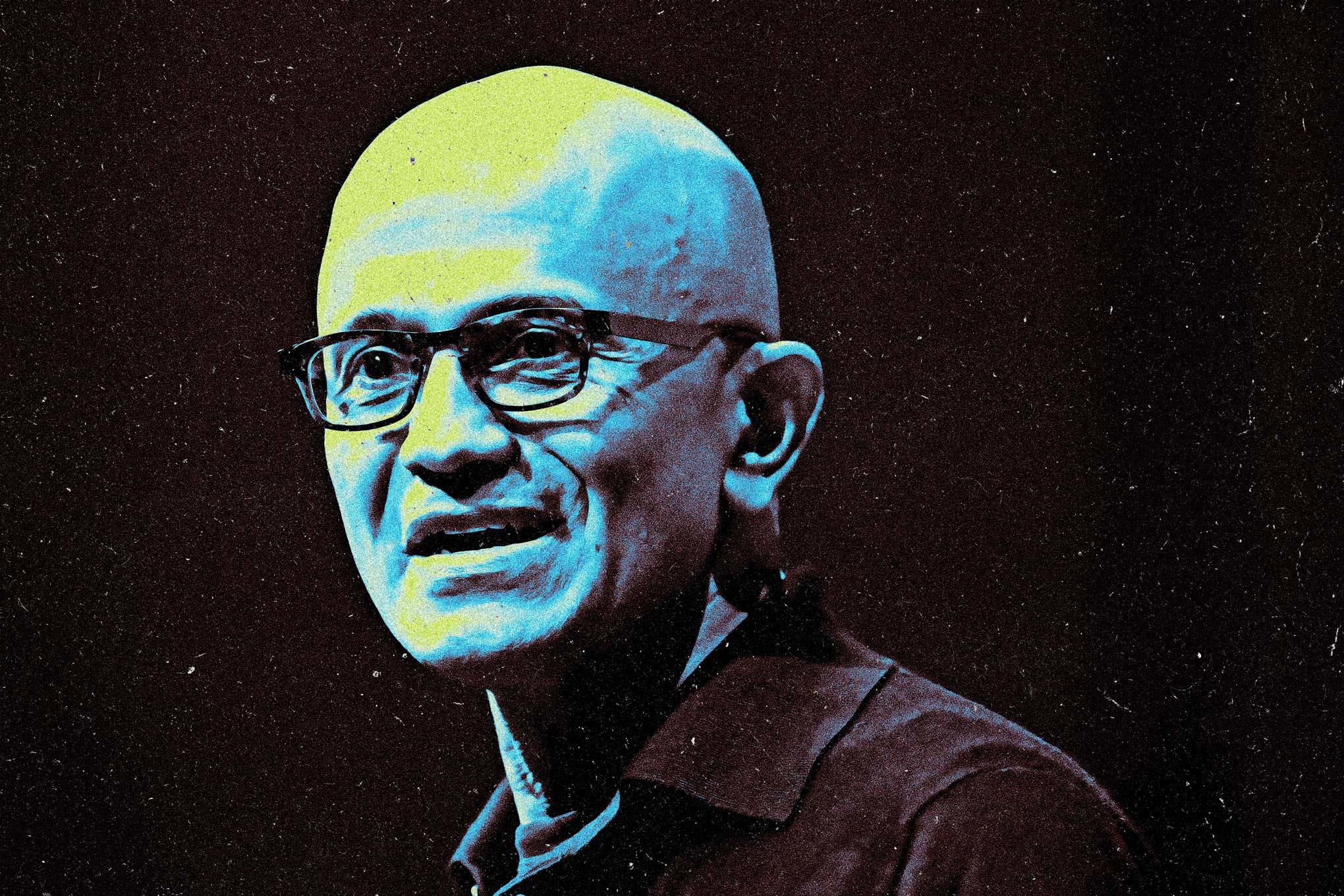
After nearly a month, with the trial featuring testimony from Musk, Altman, Microsoft CEO Satya Nadella, OpenAI cofounder Greg Brockman, former OpenAI board member and mother of several of Musk’s children Shivon Zilis, and a few others, the jury deliberated for a couple of hours before returning to the “room full of untrustworthy, unreliable people all fighting with each other” with a verdict, deciding to dismiss all charges due to the statute of limitations.
Musk was a cofounder of OpenAI and claims that Altman and Brockman tricked him into giving the company money, only to turn their backs on their original goal. However, OpenAI claimed that “This lawsuit has always been a baseless and jealous bid to derail a competitor” in a bid to boost Musk’s own SpaceX / xAI / X companies that have launched Grok as a competitor to ChatGPT.
In his lawsuit, Musk asked for the removal of Altman and Brockman, and for OpenAI to stop operating as a public benefit corporation.
People to Know
Elon Musk — plaintiff, OpenAI cofounder and now CEO of rival xAI
Steven Molo — lead counsel for the plaintiff
Jared Birchall — manager of Musk’s family office
Shivon Zilis — former OpenAI board member who shares multiple children with Musk
Sam Altman — defendant, CEO of OpenAI
William Savitt — lead counsel for the defendant
Greg Brockman — president of OpenAI as well as a cofounder
Ilya Sutskever — former chief scientist at OpenAI and a cofounder
Yvonne Gonzalez Rogers — aka YGR, trial judge
Here’s all the latest on the trial between Musk and Altman:
-
Today I’m talking with Liz Lopatto, who spent the last month covering the Musk v. Altman trial in all its chaos. You’ll hear her describe the courthouse as a “zoo” and explain that there were protests of one kind or another happening outside every day.
Both Elon Musk and Sam Altman are big personalities, and people have a lot of feelings about both of them and the AI industry. And in the end… nothing happened! The jury found that Elon had filed his lawsuit after the statute of limitations had run out. You’ll hear Liz explain exactly what’s going on there.
-
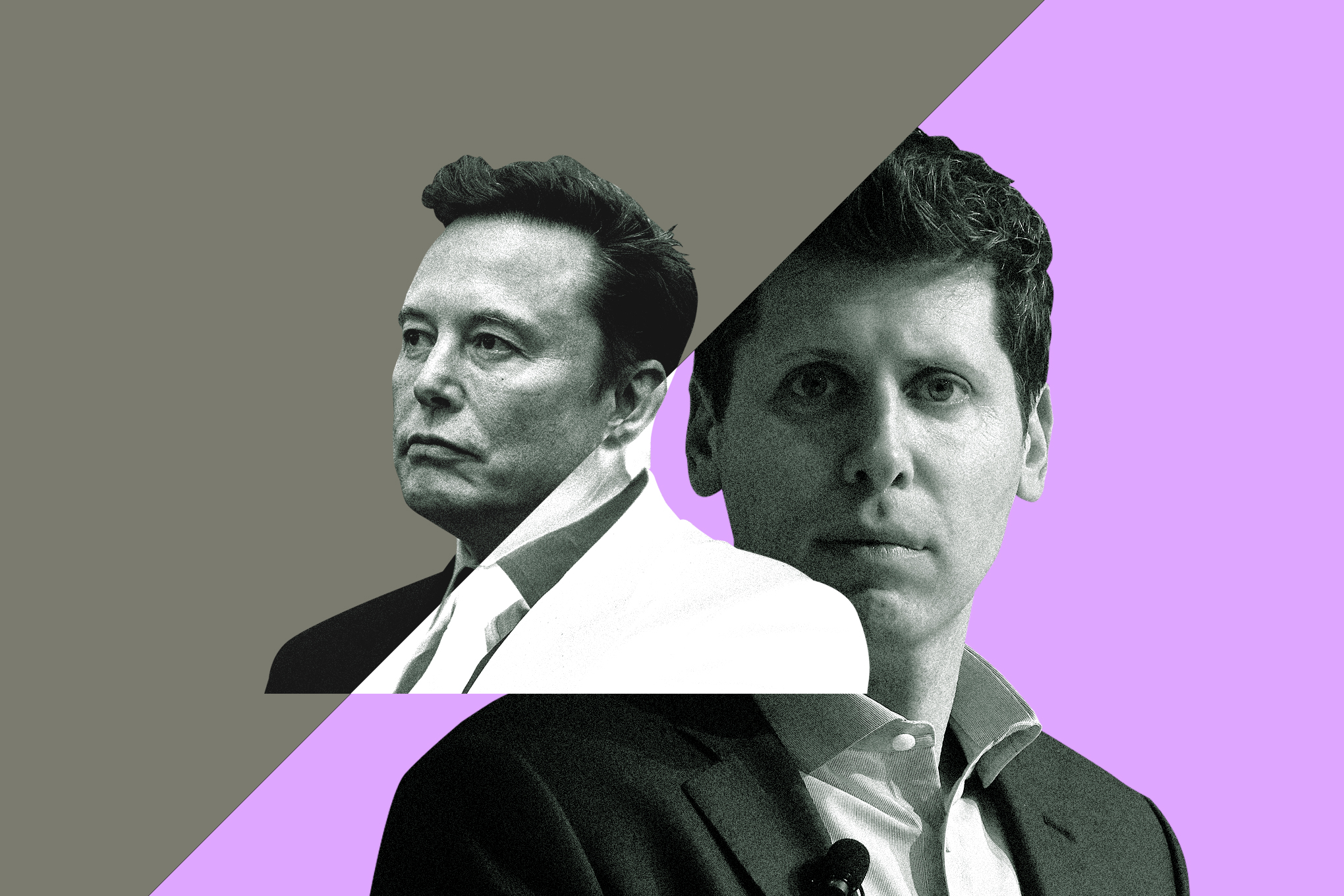
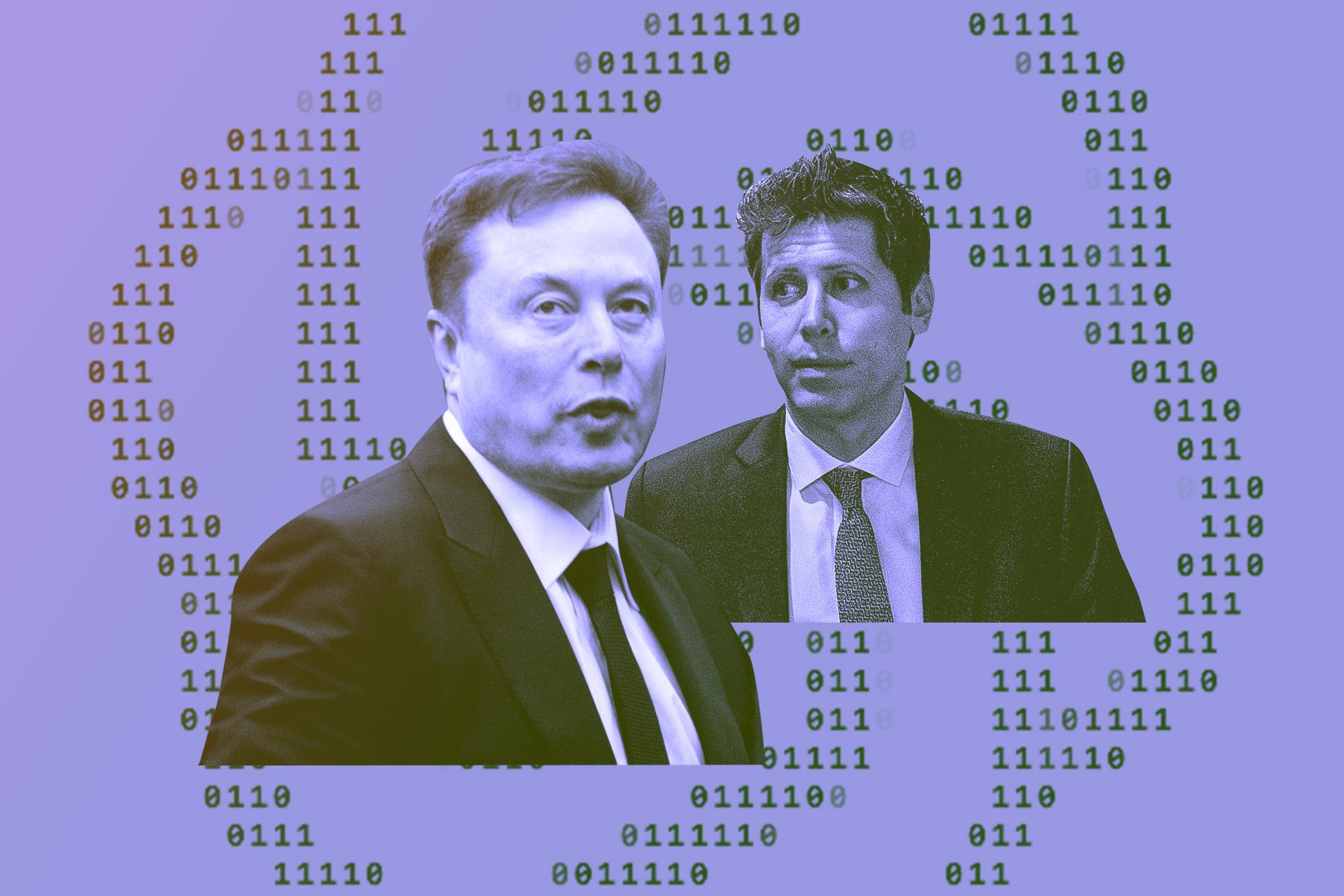
The tech trial of the year, Musk v. Altman, was ultimately a fight for control. Elon Musk argued that Sam Altman, with whom he helped found the now-massive company OpenAI, shouldn’t direct the future of AI. Altman’s lawyers, in turn, poked at Musk’s own credibility. A jury came to a verdict on Monday after just two hours of deliberation, dismissing Musk’s claims due to the statute of limitations.
In a strictly legal sense, three weeks of testimony added up to nothing. But the trial offered a more damning broader takeaway: Almost nobody in this saga seems worth trusting. Some of the most powerful people in tech seem temperamentally incapable of dealing with each other honestly. And if that’s true, it raises a bigger question: Why are they in control of a trillion-dollar industry that’s set to upend people’s lives?
-
After around two hours of deliberation, the jury has reached a unanimous verdict in Musk v. Altman, the tech trial of the year. The group found that two claims were barred by the statute of limitations, and a third failed thanks to the dismissal of one of these.
The jury here is an advisory jury, meaning the group is installed solely to offer another opinion to the judge, and its verdict is technically not legally binding. Ultimately, US District Judge Yvonne Gonzalez Rogers is the ultimate legal authority — and she accepted the decision.
-
 The jury has delivered a unanimous verdict.
That was quick (about two hours).
Hayden Field -
 An observer has just been ejected from the court by the US marshals.
I assume because he was recording, since the marshal said, “Give me your phone.” There have been several incidents of people attempting to record or take pictures throughout the trial — but I honestly am not sure why you’d record today of all days.
-
C. Paul Wazzan is the expert called by Musk to determine damages.
Unfortunately he does not have a lot of details YGR is asking for. He doesn’t know how many investments Musk has made (11 to date, according to Pitchbook), or how many were successful. He’s getting some pretty tough questioning from YGR in the direct exam. Among the things she’d asked, he didn’t know how many startups fail in Silicon Valley, or the success rate for assorted VC firms.
-
Today was closing arguments in the Musk v. Altman trial, and I almost feel bad writing about the unbelievable demolition derby I just witnessed. Steven Molo, Musk’s lawyer, stumbled over his words. He at one point called Greg Brockman — a co-defendant — Greg Altman. He erroneously claimed that Musk wasn’t asking for money and had to be corrected by the judge. He made it clear we’ve heard from many liars over the past few weeks, but offered little evidence for Musk’s actual legal claims.
OpenAI’s lawyer Sarah Eddy countered this by simply arranging the mountain of evidence that the company introduced in chronological order. She didn’t spend time trying to pretend anyone in this trial is especially reliable. She did, however, get the zinger of the day, about Musk: “Even the mother of his children can’t back his story.” William Savitt, who took the defendant baton after her presentation, demonstrated the number of times Musk “didn’t recall” some critical detail — and wondered how a sophisticated businessman couldn’t understand or read a four-page term sheet OpenAI had sent to him.
-
“I told you in my opening statement you wouldn’t hear very much from Microsoft, and you haven’t.”
God bless. We are in the Microsoft closing statements. “Microsoft never found a single page of a single document” that referenced Musk’s alleged restrictions on his donations during the due diligence process.
Elizabeth Lopatto -
“I feel like I’m going to miss you all,” Savitt tells the jury.
He may be laying it on thick, but he did get a big laugh.
-
Savitt calls out the fact that Musk is abroad with President Trump today.
He reminded the jury that Musk isn’t in the courtroom while Altman and Brockman are. (Musk posted yesterday that he was en route to Beijing on Air Force One.) “They are here because they care a lot about this,” Savitt said. “Mr. Musk isn’t here. Mr. Musk came to this court for exactly one witness — Elon Musk — and he hasn’t been seen since. Now he’s in parts unknown.”
-
Savitt says Musk has “selective amnesia.”
“He claims to have heard things high atop a windy hill where no one else can hear,” Savitt told the jury. (Strange phrasing, but after the bridge metaphor from Molo, I wouldn’t expect anything less.) He also says Musk has “unclean hands” due to his “unconscionable conduct” related to the claims he’s bringing. “Only after OpenAI succeeded, against Musk’s prediction, only then did he start threatening litigation,” Savitt said.
-
Yesterday, in Musk v. Altman, before the jurors came in, Sam Altman’s team passed up what looked — from a distance — like a Little League trophy. It was not. Judge Yvonne Gonzalez Rogers had the lawyers read the inscription aloud for the press: “Never stop being a jackass.” It’s a commemoration OpenAI employees bought for research scientist Josh Achiam, who testified yesterday.
How exactly did this come up in a trial about nonprofit contract law? Allegedly, when Elon Musk was leaving OpenAI, he talked about wanting to race ahead of Google. Achiam, who worked on AI safety, asked if that was really such a good idea. Musk called him a jackass. Years later, Musk is portraying his lawsuit as an attempt to avoid AI causing serious harm — something that, Altman’s team suggests, wasn’t high on his list of concerns back then.
-
Savitt is talking about the statute of limitations.
He said that by his calculations, people said things like “I don’t remember” and “I don’t recall” between 150 and 200 times during this trial so far — using this to bolster his argument that Musk had waited too long to bring his claims.
-
Here’s the jackass trophy that the jury didn’t get to see.
You may remember that yesterday I was completely tickled by the possibility that the jury might get to see this. Even YGR seemed tickled by it. Unfortunately, she ruled that discussing it was fine but unless the Musk team gave them reason to introduce it, the jurors wouldn’t see so much as a photo. But this is the trophy Josh Achiam got for getting yelled at by Elon Musk.
-
We are back from our break. William Savitt is taking it home for the OpenAI defense.
There’s one more thing that Savitt is harping on. “Has the OpenAI nonprofit respected its general founding principles?” The question doesn’t matter, legally, since Musk didn’t create a charitable trust, but Savitt is going to spend some time on this because Molo emphasized it.
-
Tesla AI is evidence of Musk’s failure, Eddy says.
Musk doesn’t want to admit that trying to build an AGI lab in Tesla was a failure — whether that was by acquiring OpenAI or trying to poach all its talent, maybe even putting Altman on the board. Eddy suggests this case is revenge on OpenAI for succeeding.
-
“The documents tell the truth here,” Eddy says.
That’s kind of where I’ve landed! The idea of the “adjunct” for-profit (Eddy says this is a moving target, and though Musk used it twice in testimony, when Savitt used it, Molo objected and accused him of making up a term) doesn’t show up in any of the brainstorming structure documents. We do see parallel for-profits, and the idea of a conversion to a for-profit and shutting down the nonprofit. Jared Birchall also testified that he filed to register a company for this.
-
Eddy suggests that Musk’s donated Teslas were, effectively, bribes.
They went to Ilya Sutskever and Greg Brockman, among others, right before he proposed that he get 62.5 percent of a for-profit company. We are now looking at tax forms and letters — neither of which show any specific purpose. Jared Birchall also testified that there was no specific purpose for the donations. Shivon Zilis doesn’t remember it. Sam Teller doesn’t remember it. This is like watching the Warriors play a team of 6-year-olds.
-
Eddy is, wisely, leaning hard on chronology in explaining their defense.
Chronology and documents. Musk’s performance on the stand does give credence to the suggestion from Eddy that Musk “took his marbles and went home” when he couldn’t get his way.
-
Sarah Eddy is giving the closing argument for OpenAI.
She opens with a banger. Musk has said he made donations with strings attached. “Even the mother of his children can’t back his story.”
-
Molo is done presenting Musk’s closing argument.
I do wonder how this would have played in the hands of a better lawyer. Molo’s book report did not overwhelm me with confidence in his case, particularly because a lot of his point-blank assertions were profoundly arguable.
-
For all of the very irritating testimony about “the blip,” Molo hasn’t convincingly connected it to his case.
In all that chaos, Microsoft did suggest board members. But OpenAI didn’t take those suggestions — except one, well after the crisis. I don’t know man, I don’t really understand how this goes to the Microsoft case. It might be a suggestion the nonprofit board doesn’t really control the for-profit — but Helen Toner’s and Tasha McCauley kind of came off as amateurs in their approach, not least because there was no investigation before the firing.
-
Molo is now attempting to make a case against Microsoft.
So far he’s got “they’re a for-profit corporation,” “they know Musk was a co-founder,” and “they read the announcement OpenAI existed.” This is easily the thinnest part of a very thin case — on the OpenAI part, there’s at least Brockman’s diaries.
-
During our break, the jurors were out of the room, and the lawyers were beefing again.
During his speech, Molo told the jury he wasn’t asking for money. That is in fact not true — otherwise I wouldn’t be sitting through phase 2 of the trial next week. “You slipped it in nicely,” YGR says. But Molo needs to retract that statement.
-
We are back on the millions and billions of OpenAI equity that employees have interest in.
I am just going to break from telling you what Molo is saying to say what my personal impression was from sitting here all these weeks: Everyone was improvising. There was no plan. This is especially true of “the blip.” I do wonder if there’s a way to incorporate that into Musk’s case. Anyway, Molo just referenced an exhibit he didn’t have handy, asked for an exhibit number, and then said he’d get it for the jury late.r I have to say, I know Musk’s team is smaller than OpenAI’s, but this might have been a moment to call in another lawyer to handle the close. Someone who could have prepped better, perhaps. Marc Toberoff, who’s theoretically a key figure on this team, hasn’t stood up to do a single thing. Maybe this could have been his moment, I don’t know!