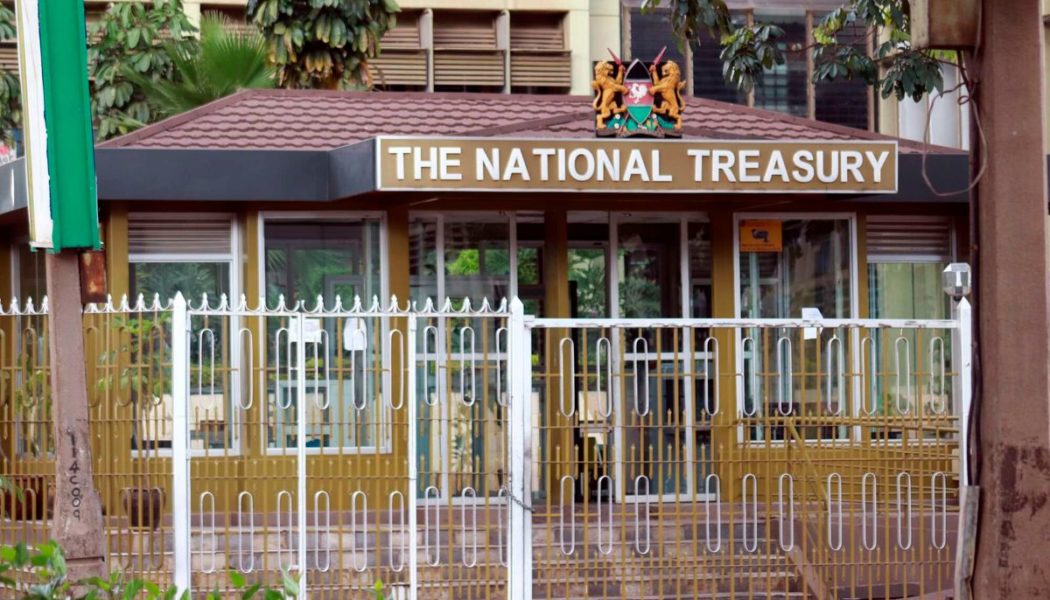
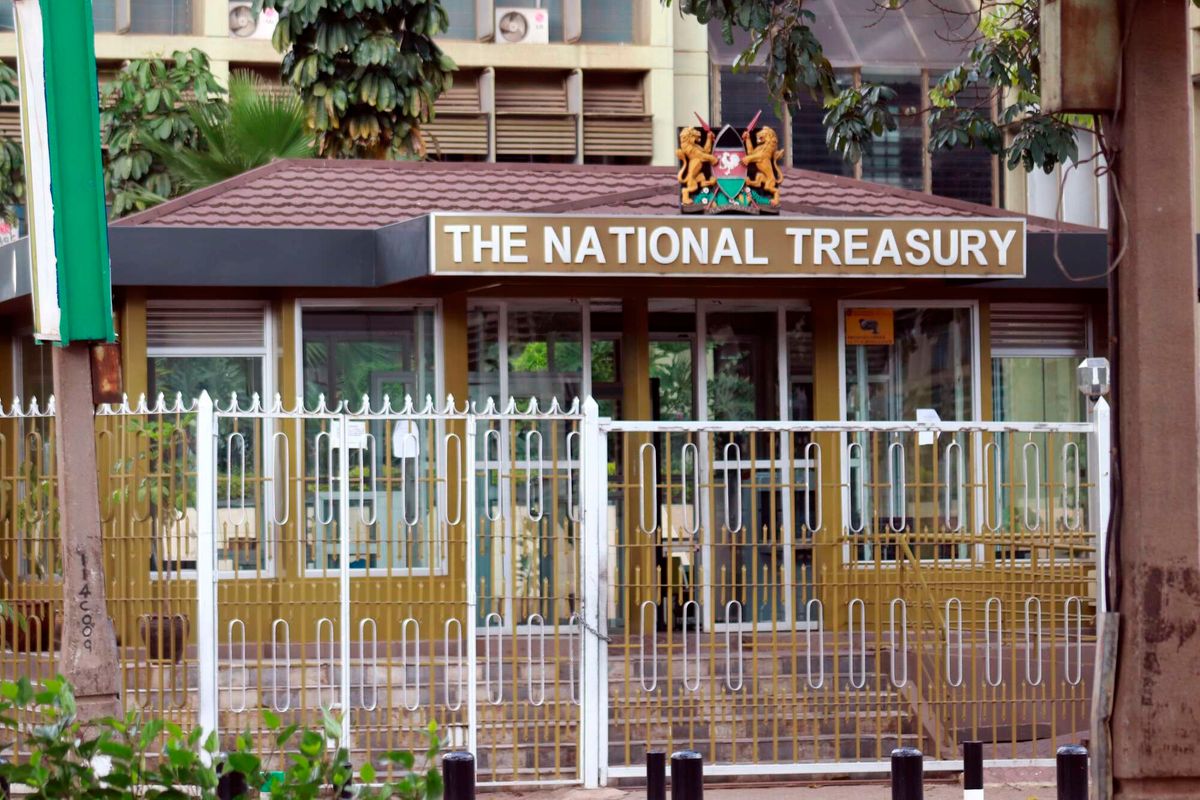
The government will extend the Treasury Single Account (TSA) framework to county governments from July, committing to a plan aimed at tightening control of public cash flows and management of pending bills.
The TSA is a unified structure of government bank accounts that enables the consolidation and optimum utilisation of government cash resources.
Treasury Cabinet Secretary John Mbadi said the rollout will begin with the automation of county exchequer requisition processes before counties progressively migrate into a centralised TSA architecture.
The reforms form part of a broader push by the National Treasury to consolidate oversight of public funds and reduce idle balances across government accounts, tightening expenditure controls.
“As I had informed this House in last year’s Budget Statement, the government has been implementing the TSA framework to strengthen cash management and improve efficiency of public financial operations,” he told Parliament on Thursday.
“Building on this momentum, in the financial year 2026/27, the government will extend the TSA framework to county governments by completing the automation of county exchequer requisition processes, after which counties will progressively migrate to a TSA architecture mirroring that of the national government.”
Payment batches
Under the framework, ministries, departments and agencies transact through linked accounts under a consolidated treasury structure rather than maintaining fragmented, standalone bank accounts.
The model directly links invoices to specific payment batches submitted by ministries and departments before funds are released, introducing an additional verification layer to prevent irregular payments.
The Treasury says the system has already delivered major savings at the national government level following rollout across ministries and departments.
According to Mr Mbadi, the government reduced overdraft financing costs at the Central Bank of Kenya (CBK) by 61 percent during the current financial year after implementing the TSA framework.
The savings stem largely from improved visibility of government cash balances, reducing the need for emergency borrowing while idle funds remain scattered across public institutions.
Historically, government entities often held significant unused balances in commercial bank accounts even as the Treasury borrowed expensively to meet immediate financing obligations.
The fragmentation has, for years, complicated cash planning and weakened oversight over public finances across both national and devolved government structures.
The extension is also expected to strengthen management of pending bills, which remain one of the biggest fiscal and operational challenges facing national and county governments.
Counties have repeatedly faced accusations of accumulating unpaid supplier bills despite holding cash balances in separate accounts across commercial banks.
The reforms come at a time when the government is under pressure to improve fiscal discipline amid widening deficits, rising debt obligations and constrained borrowing space.