

The Kenyan middle class is trapped in a paradox of privilege. We are highly educated, globally connected, and financially secure enough to afford private solutions to public failures.
When the national power grid falters, we switch on solar backups. When public water systems dry up, we call private bowsers. When public schools struggle, we pay premium tuition for international curricula. We have successfully privatised our lives, but in doing so, we have abandoned the public square.
The grand national ambitions require more than just technical blueprints. They require collective psychological buy-in. Yet, for too long, the primary contribution of our middle class to nation-building has been reduced to digital outrage.
We are champions of the WhatsApp group debate, professors of X spaces, and captains of corporate boardroom complaints. We criticise policies, lament systemic delays, and express perpetual disappointment in national leadership.
Yet, when the time comes to step up, show civic responsibility, and partner with the State to build the nation, we retreat into comfortable cynicism.
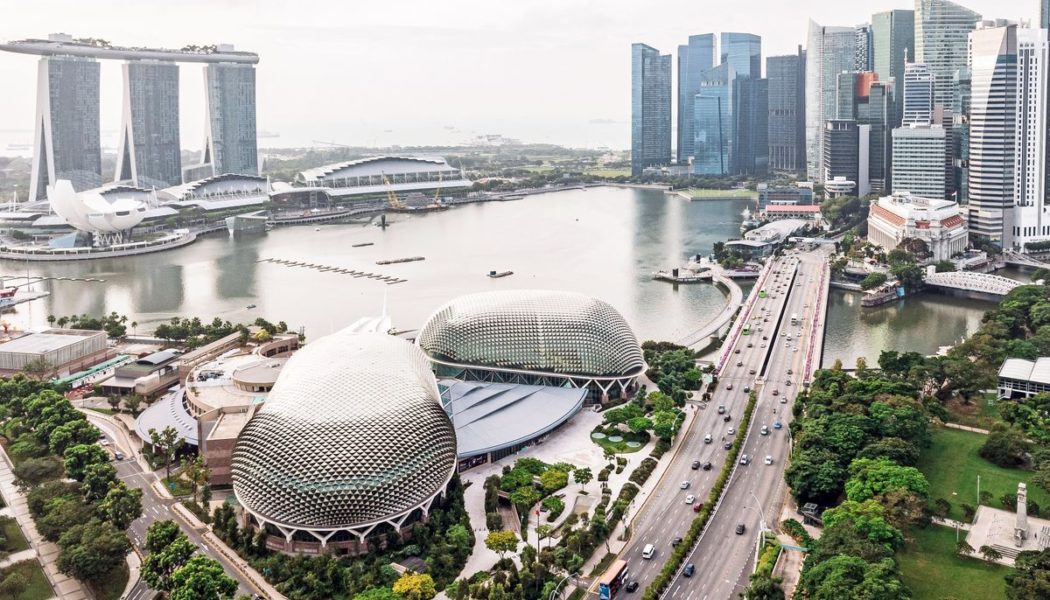
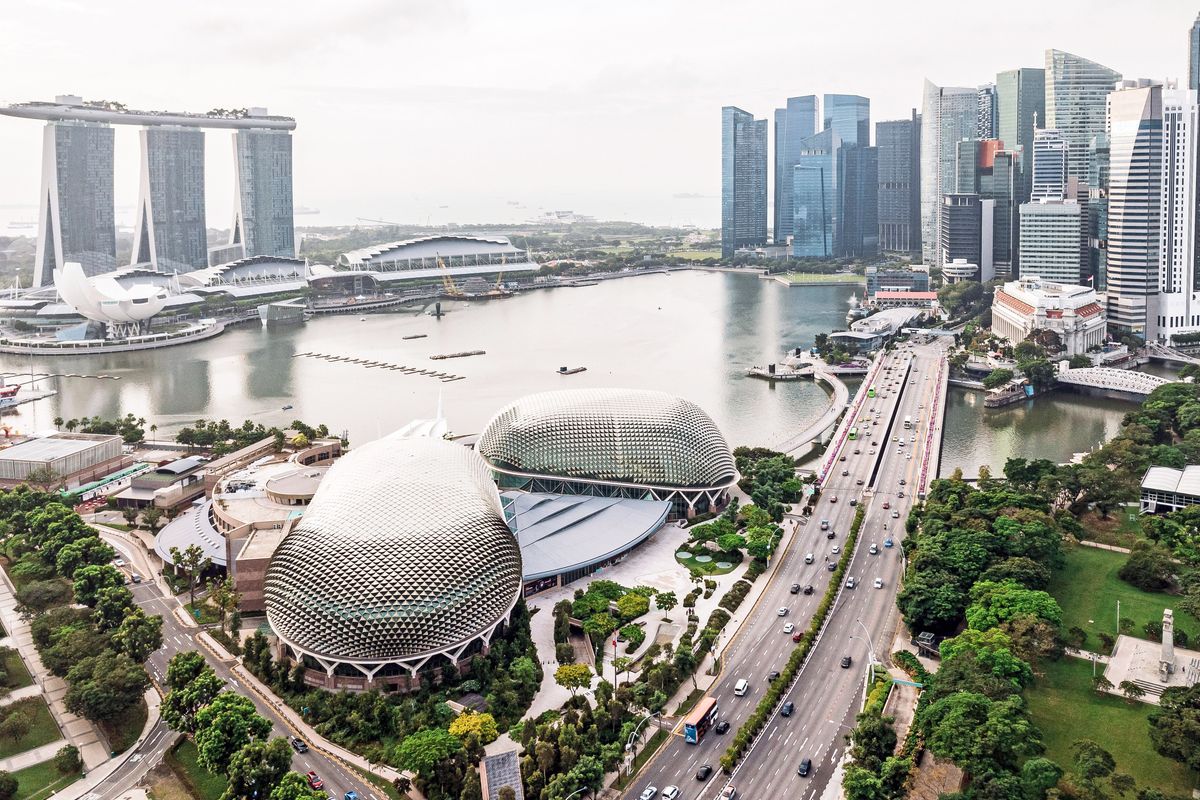
This comfortable indifference must end. If Kenya is to achieve its long-cherished dream of becoming the “Singapore of Africa,” the middle class must shift from chronic complainers to active civic participants.
The comparison between Kenya’s current path and Singapore’s historic transition is not mere rhetoric. It is a blueprint built on mega-infrastructure. Singapore’s rise from a vulnerable island to a global economic powerhouse was anchored on a relentless commitment to world-class public infrastructure—its ports, airports, public housing, and industrial zones.
Today, Kenya is charting its own definitive roadmap to that first-world status through the government’s Sh5 trillion development plan. This involves massive commitments to expand highways, extend the standard gauge railway, and build smart ecosystems like Konza Technopolis.
However, hardware alone cannot transform a nation. Singapore’s mega-infrastructure succeeded because it was met with “software” compatibility through a disciplined, patriotic middle class that did not sabotage national plans with cynicism, but instead protected, utilised, and optimised public assets.
In Kenya, the middle class often looks at monumental projects not as shared national victories, but through a lens of perpetual suspicion.
Every project is said to be a scheme by those in power to loot from public coffers and a way to win an election. We cannot build a first-world economy with a third-world civic mindset that dismisses foundational development as mere political theatre.
Nowhere is this civic gap more apparent than in the conversation surrounding Kenya’s energy transition.
To power modern industrial parks, sustain high-speed rail, and lower the cost of living for all citizens, Kenya requires a massive leap in baseline power.
The writer is the CEO of the Nuclear Power and Energy Agency.