

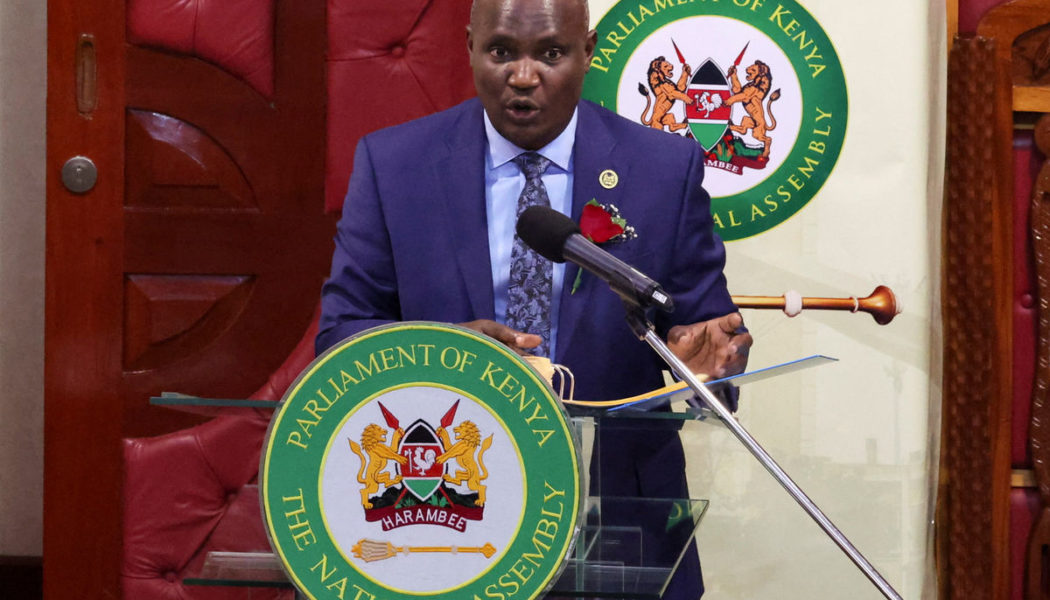
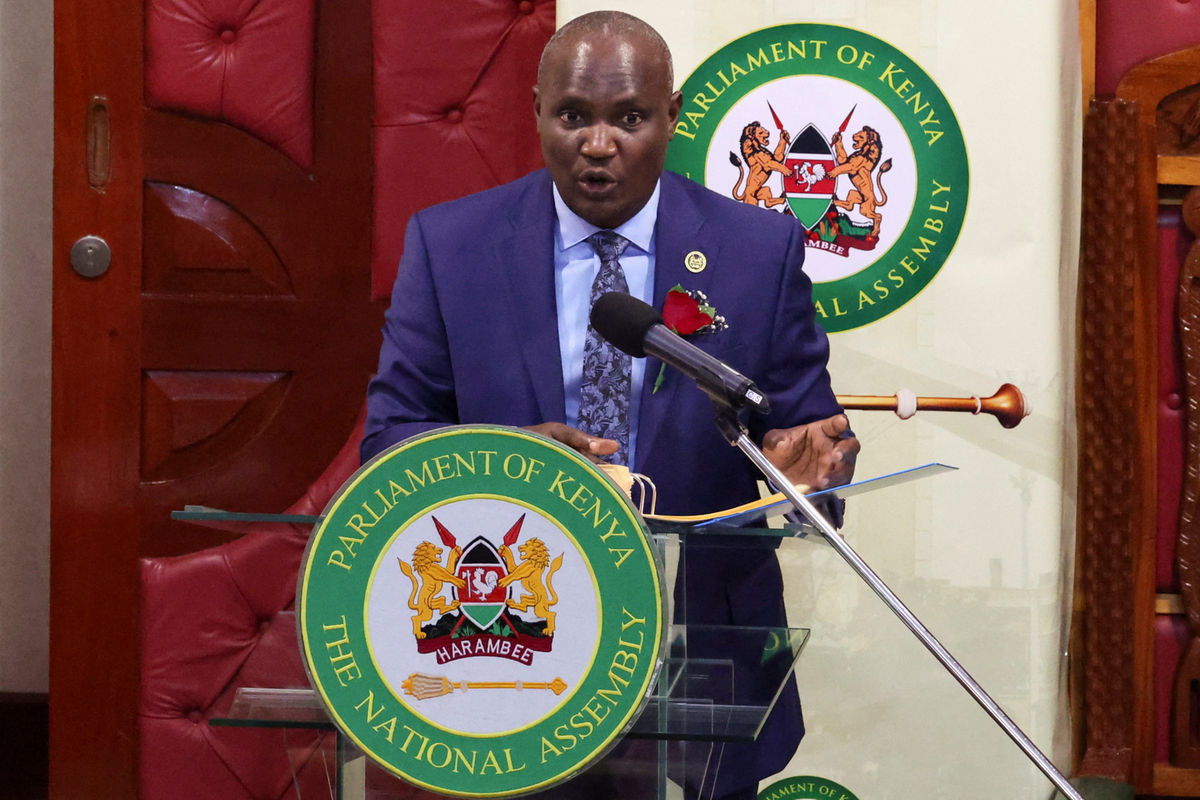
In terms of theatrical delivery, and in articulating the sweeping spending and revenue decisions central to economic policy, Treasury Cabinet Secretary John Mbadi’s performance during this year’s budget presentation was impressive. He hit the right notes.
But the speech itself was unnecessarily long.
Historically, budget speeches had to be crafted to deliver absolute surprise. The contents of that iconic black briefcase, hoisted before cameras on Parliament’s steps, were genuinely confidential until the minister broke the seal.
Today, however, that mystique is dead. Anyone who has read the Budget Policy Statement (BPS) and the mountain of budget documents published weeks in advance of Budget Day already knows the script.
In an era of pre-published fiscal data, the grand, multi-hour budget speech has become an obsolete ritual. The length of the speech should reflect that.
Beyond the length, comparing this year’s presentation with the budget speeches of Tanzania, Uganda, and Rwanda—all delivered on the same day—reveals a troubling regional trend. What stands out is how effectively the EAC partner states have diluted the Common External Tariff (CET) of 35 percent.
If you count the sheer number of “stays of execution” allowed across the region, it becomes glaringly evident that organised lobbies and powerful domestic oligarchs now dictate what enters individual Finance Bills, particularly regarding customs duties.
The uncomfortable truth we must confront is that we no longer have a functional customs union to speak of. National protectionism and corporate capture have quietly hollowed it out from within.
Domestically, Mr Madi’s speech was a masterclass in the art of the large number, featuring allocations for every imaginable project, including a highly surreal budgetary line item for village elder allowances. We have, it seems, magically found money for everything.
But the question nobody is asking loudly enough is: where is the cash actually coming from?
Strip away the optics of Budget Day, and the real story of any Kenyan budget emerges not in June, but in March—six months into the financial year. That is when the data begins to paint a very different picture from the one presented to lawmakers.
March is when the structural cracks inevitably appear. We see exchequer releases that never arrived on time, supplementary budgets that quietly reshuffled priorities nobody voted for, and mushrooming expenditure arrears that reveal a government spending money it simply hasn’t collected. These mid-year reallocations expose what the state actually values, versus what it claimed to value during the televised pomp of June.
This is not cynicism; it is pattern recognition. Across administrations of Jomo Kenyatta; Daniel Moi; Mwai Kibaki; Uhuru Kenyatta and William Ruto, Kenya has structurally failed to close the gap between printed estimates and actual expenditure. The annual budget document has too often functioned as a political wish list dressed up in official fiscal language.
Mr Mbadi is now the custodian of an ambitious spending programme at a moment when national fiscal space is virtually non-existent, revenue targets are routinely missed, and the public’s patience with state promises is wearing dangerously thin.
A glance at the monthly exchequer outturn data published regularly by the National Treasury shows that the primary source of macro-pressure remains debt service. There are months where the government spends up to 70 percent of ordinary revenues on debt repayments alone. Once you factor in public wages and constitutionally mandated disbursements to county governments, the state operates with zero fiscal headroom.
The coming months will demand constant, exhausting crisis management. To give credit where it is due, however, the team at the National Treasury has proven highly adept at this tightrope walk over the last three years, consistently improvising to avert worst-case scenarios.
When faced with Eurobond maturity pressure, they executed a buyback and extended tenors. When a domestic forex squeeze threatened fuel supply, they centralised imports and negotiated government-to-government credit.
Each intervention has drawn fierce criticism, and each carry significant long-term risk. Liability management does not reduce the overall debt burden; it merely pushes it down the road.
My parting shot: when the government persists in collecting taxes for services it does not provide; the inevitably consequence is the following; the tax base shrinks; forcing it to either borrow more or to print money.
The writer is a former managing editor of The EastAfrican.