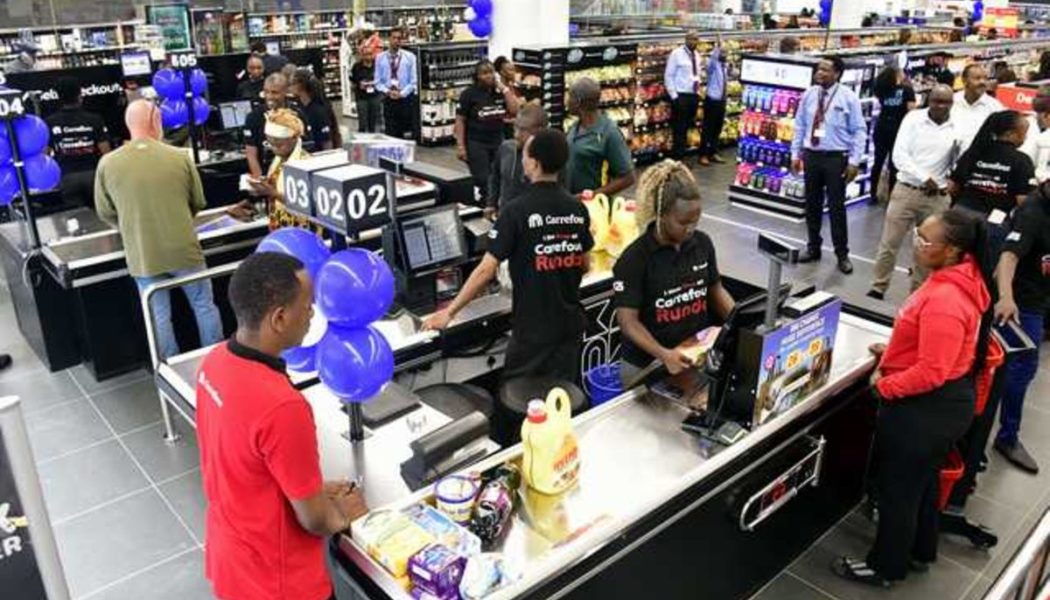
Lorries deliver thousands of factory-sealed and plastic-packaged products to supermarkets across the country daily. Boxes of cooking oil, milk, detergent, bottled water and packaged foods move quickly from loading bays to shelves.
Retail workers count deliveries, inspect damaged cartons and record invoices before customers see the goods.
Until this year, retailers were not expected to determine whether the manufacturers of those products had complied with environmental laws.
That changed when the National Environment Management Authority (Nema) began enforcing the Extended Producer Responsibility (EPR) regime, a framework rolled out in November 2024 requiring manufacturers, importers and brand owners to finance and manage the collection, recycling and disposal of packaging materials after consumers discard them under the “polluter pays” principle.
According to the ERP regulations, producers are obligated to design products and packaging materials that minimise waste, facilitate reuse, recycling, recovery and use of secondary raw materials where possible, and are environmentally friendly at their end of life.
It also makes producers take financial, organisational and physical responsibility for the management, treatment and disposal of their post- consumer products and end-of-life treatment for the waste generated by the products.
“Provide consumers with information and raise awareness on management of post-consumer products they introduce in the market; carry out product life cycle assessment in relation to their products for enhancing environmental sustainability; and put in place circular economy initiatives and any other measures to reduce impact of their product on health and environment,” the EPR policy states.
The policy has not been challenged in court. Its implementation is, however, under court scrutiny over Nema’s move to shift statutory compliance and verification duties from package producers to retailers.
The dispute is not over whether producers should pay for the waste they generate. It is about supermarkets being required to enforce those obligations on behalf of the government before stocking factory-sealed goods.
The row has grown into a constitutional case testing if Nema can demand a private business to enforce another’s statutory obligations before products reach consumers.
Last week, the Environment and Land Court in Kisumu halted that enforcement model after the Retail Trade Association of Kenya (RETRAK) challenged Nema directives requiring retailers to verify manufacturers’ compliance before accepting deliveries.
The court barred Nema from conducting raids, closing stores, seizing inventory, arresting retailers or prosecuting them over plastic packaging violations attributed to manufacturers and suppliers until the petition is heard.
The court also stopped the regulator from compelling supermarkets to verify producer registration, Producer Responsibility Organisation (PRO) membership, EPR payment compliance and plastic packaging permits before receiving, storing or selling sealed third-party products.
The orders shifted attention from a routine injunction application to a broader governance question: where does environmental enforcement end and private commercial responsibility begin?
RETRAK, which represents supermarkets, convenience stores and other organised retailers employing more than 250,000 people, says retailers neither make products nor choose the packaging used by suppliers. Their role, it says, begins only after goods leave factories.
In court papers, the association described retailing as a strict pass-through business. It said retailers receive products already sealed by manufacturers and are legally prohibited from altering packaging before sale.
“The practical effect of this directive was to convert private retail delivery bays into first-line compliance checkpoints for public regulatory obligations,” RETRAK said.
The origin of the dispute is a January 2026 Nema order requiring retailers to verify four compliance documents before stocking products.
They are producer registration certificates, plastic packaging licences, Producer Responsibility Organisation registration certificates and evidence of current compliance clearance.
RETRAK responded by asking the authority to publish what it described as a promised master register of compliant producers.
According to court filings, the regulator acknowledged that such a database was being prepared.
The association says the register never arrived. Instead, Nema issued additional enforcement notices, informing retailers that they risked prosecution if they stocked products from non-compliant manufacturers.
The association argues that supermarket receiving clerks have neither the legal authority nor technical capacity to perform the checks.
“Retail employees do not have the authority of environmental inspectors, lack laboratory testing capabilities and cannot access Nema databases needed to establish if manufacturers have complied with environmental obligations,” it said.
Without an official register, RETRAK argues, retailers were expected to verify information they could neither independently obtain nor authenticate.
The association said manufacturers’ compliance remained below five percent, prompting suppliers to suspend deliveries rather than risk enforcement action.
That, RETRAK insisted, disrupted transport schedules, spoiled perishable goods and denied supermarkets about Sh500 million in sales every day.
The court examined the evidence before issuing the temporary orders.
“The applicant has demonstrated that its members possess a constitutional right to engage in lawful trade, the right to the protection of their property under Article 40 of the Constitution and an inherent right to fair, lawful and reasonable administrative action under Article 47,” the judge said.
The court further observed that requiring retailers to police packaging compliance for products they neither manufacture, import nor control appeared to amount to delegation of Nema’s statutory mandate.
At the same time, the judge said the regulator remained free to investigate manufacturers, importers and producers directly while the constitutional challenge proceeds.
The petition asks whether environmental regulation can lawfully shift statutory verification duties from the state to private businesses that stand at the end, rather than the beginning, of the supply chain.