
The Odyssey is a story in which sound is central, so it was only right that Christopher Nolan enlist some of the 21st century’s sharpest sonic storytellers to contribute to his adaptation of Homer’s epic.
After collaborating with Nolan on Tenet in 2020 and again Oppenheimer in 2023, award-winning musician, composer, and record producer Ludwig Göransson takes the reins once again for The Odyssey’s original score: the only soundtrack you can find both Travis Scott (spitting an offshoot of the Bard’s opening delivery) and a straight-outta-the-Bronze Age selection of flutes and lyres on consecutive tracks.
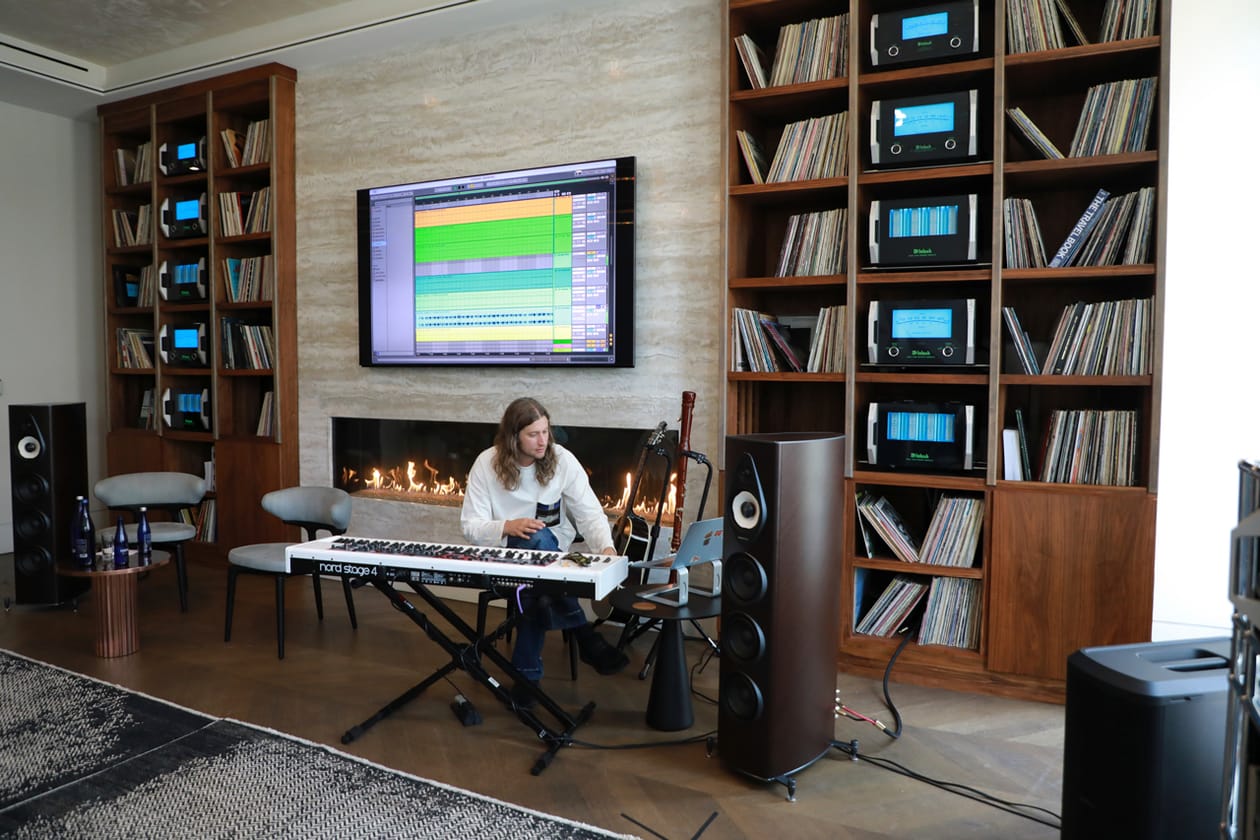
Surrounding himself with a selection of sourced bronze instruments was the first thing Göransson did when beginning work on the grandiose aural venture, he told Hypebeast in an intimate conversation at Sonus faber’s New York City House of Sound townhome. However, it was ultimately a careful balance of this Bronze Age tradition with modern-era experimentation that guided his creative process.
Sonus Faber
“I got a bunch of huge gongs,” he laughs, “and then I had to figure out how to record them using modern techniques and play these instruments in ways we haven’t heard before.”
Göransson also got to work on the aulos – what he refers to as the electric guitar-adjacent “rockstar instrument” of ancient Greece – and began toying with different microphone placements and angles. This sort of experimentation is his favorite. The end result? A “Siren Song” rooted in the original texts, yet reimagined through an innovative, modern lens. A gut-wrenching final bow contest entirely void of a traditional orchestral background. And one of hip-hop’s biggest stars playing the role of the blind Bard.
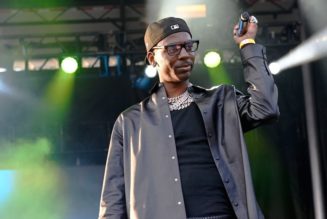
“A face… a fleet… a war… a man… a thought… a trick… a trick to break the walls of Troy… and burn it screaming to the ground,” are Scott’s opening lines to the film, also sprinkled into the closing track, a three-part collaboration between Göransson, Scott, and James Blake. Aptly entitled “When I’m Home,” the cut marks the second collaboration between Göransson and Scott (who first worked together on Tenet single “THE PLAN”), but more importantly, points to the Swedish composer’s masterful ability to meld the history of the Bronze Age with production tactics and technology of the 21st century.
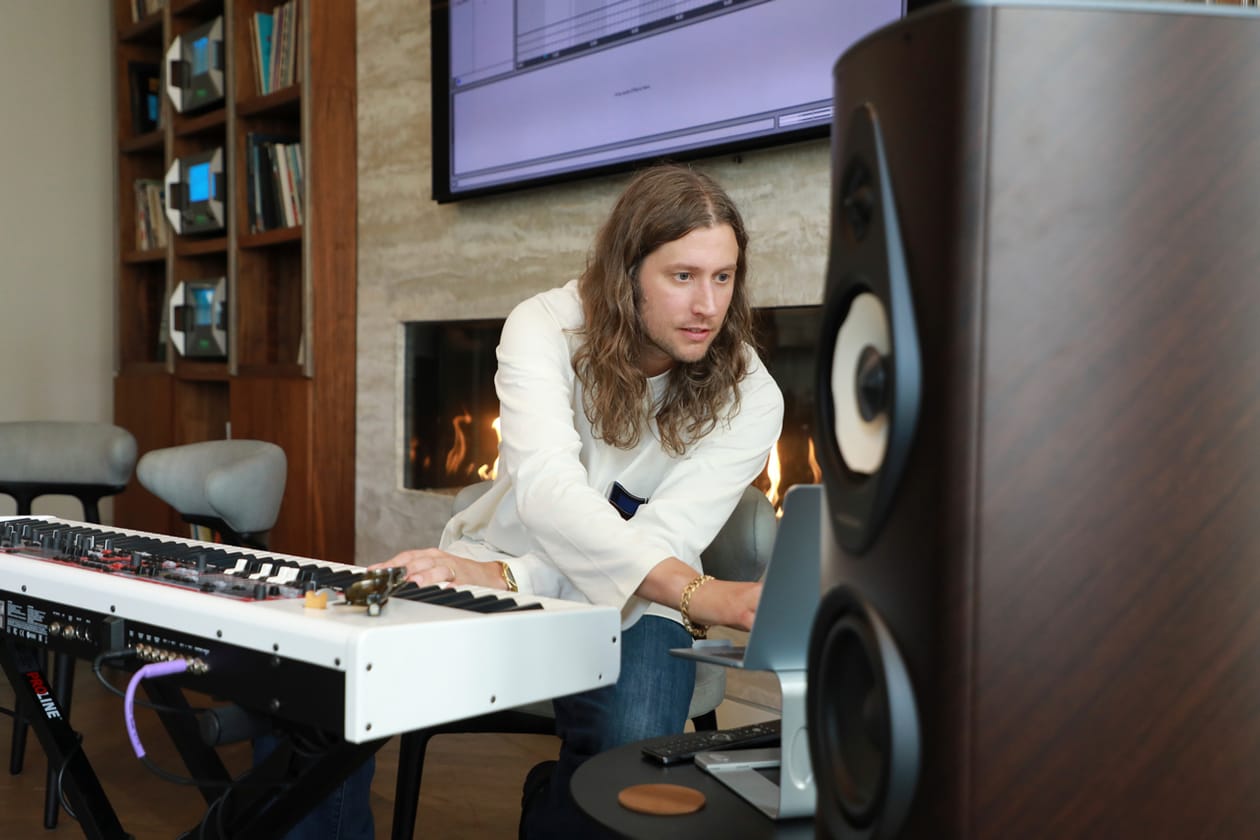
Between Scott’s role as the Bard – arguably one of the most important characters in the tale – and Göransson on the score, Nolan’s closest creative collaborators ensure that the director’s version of The Odyssey stays true to the epic’s emphasis on sound and music. Fresh off the film’s global premiere, Göransson gathered a collection of press at the House of Sound to share more about his creative process, as well as to play some of the score on what might be the only speaker outside of an IMAX theater to do it justice: Sonus faber’s Olympica G3.
Sonus Faber
With a story that holds such weight as The Odyssey, where do you even start?
Ludwig Göransson: Reading the script is the first thing I do, and then I immediately start having conversations with Chris to learn more about what his vision is for the film and where he wants the music to go.
Are you in talks with Nolan from the beginning of the process?
Yes. We’re constantly in conversations, and I’m talking about my creative ideas, and I’m listening to his, and it’s together that we find and take the first steps. That’s important in any kind of collaborative relationship. Every week when we’re in pre-production, I’m invited into the office to see what he and the rest of the team are working on with costume design, to see the production set design, etc, so immediately I’m getting immersed in this world that’s starting to be created.
But it is really important for me to write music before I have any visuals, because once you sit down and try to write music to a scene, you’re not really writing. You’re tied to a time, like, “This has to be two minutes long,” or “This has to start and end here.” You don’t have full creative freedom anymore to just work with your own mind.
What was Nolan’s vision for this film in particular?
On this one, he wanted to make something very different – something that we haven’t experienced before in the theater. Typically, when you see this type of ancient Greek movie, it comes with the same, very romanticized, 1950s orchestral score. Chris wanted to do something different. The challenge is to take the audience’s preconceived notion of the score, flip that on its head, and take a different approach to it, while still trying to be kind of true to the times. We wanted to use some of these ancient Greek instruments and elaborate on that sound.
How do you toe that line of balancing tradition with experimentation?
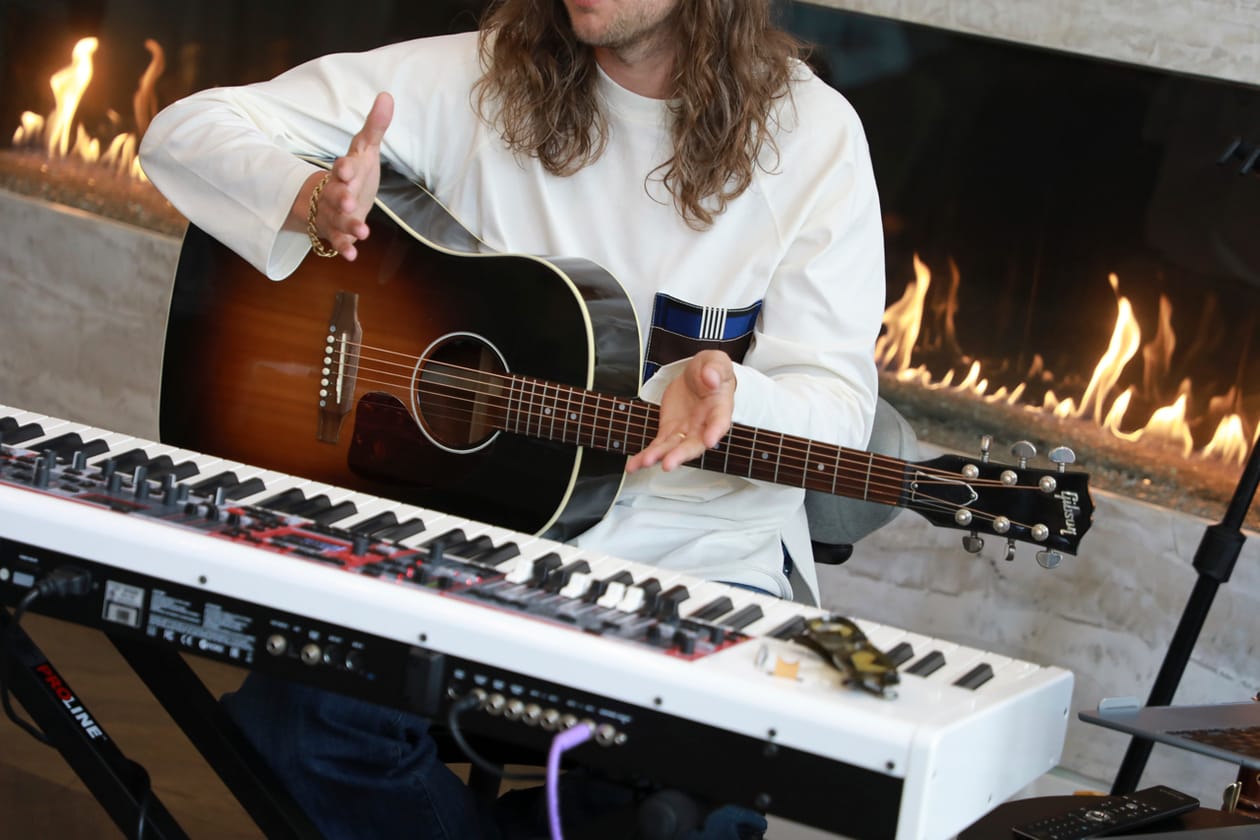
I love experimenting. One of the first things I did was get a bunch of bronze instruments, since this takes place in the Bronze Age. I got a bunch of huge gongs. Then I had to figure out how to record these using modern techniques and play the instruments in ways we haven’t heard before. What if we put a mic super close, and turn the mic up all the way, and then hit it super soft? I just started seeing what would come out of different ways of playing each instrument. That was my first venture in experimenting: just surrounding myself with all of these bronze instruments.
Sonus Faber
Aside from the gong, what were some of the other instruments you sourced?
You can see some of the instruments they played at the time on paintings or on pots. The lyre, for example, was one. There’s another ancient Greek instrument called the aulos, which is almost like two oboes that you play at the same time. It’s a double reed instrument, and that was the most popular instrument at that time. It was like the rockstar instrument of ancient Greece, like the electric guitar. It was so popular, and so eventually, I can’t remember exactly what year, but I think when the Roman Church took over, they actually said, “You can’t play this instrument anymore.” So somewhere, I think 500 BC or something, the instrument actually disappeared for 2,000 years.
When does the cast get to hear the music?
For this film, we needed to have a lot of music before the cast arrived because there’s actual singing in the movie. There have also been times when I send the music to the director, and then they play it for the cast on set or on the sound stage, or let them listen to something that can help them find their character.
This is now your second time working with Travis Scott, after collaborating first on “THE PLAN” for Tenat back in 2020. Could you share more about what it’s like working together?
It’s incredible getting to work with both Travis and James Blake. Obviously, Travis plays the Bard in the film. He has such an incredible voice, and it was just so special to be there when we made the song together. I started phrasing out those words from the film – his lines from the film – and I told Travis like, “You know, I think this sounds pretty cool, but like if you want to do something else, feel free,” and then he started just building around it. He was adding lines in between and adding on to the storytelling.
You’ve also been working closely with James Blake for quite some time now too. Could you elaborate on your collaborative relationship with him?
James’s first album came out almost 15 years ago now, and like Travis’s, his voice is known all over the world. With James, the emotional aspect of his voice makes people feel a lot of things, and I wanted to utilize and draw that into this world – even if we don’t have access to the traditional strings that would typically pull the audience’s heartstrings. What’s better to use than the human voice? And especially one that’s so powerful like James Blake’s voice.
Sonus Faber
What do you listen to for inspiration?
I listen to a lot of contemporary music. I like to figure out how to expand narrative worlds through production, and in terms of like getting ideas for productions in particular, I’m listening to a lot of contemporary music, classical, or jazz.
What is your goal when building a score for a film?
For the music to make the audience feel like they’re in the room where the action is happening, I’ve been working with Ryan Coogler since I started. On our first project, Fruitvale Station, we started recording the BART train, and then we used that in the score and turned it into a rhythmic element. On Creed, we started recording a lot of the boxing training sessions, and I started making beats and rhythms out of that. I’m always trying to integrate these sounds that are actually taking place in the film and put those into the music, and I think that is a really interesting way to shape that world.
You have been working with both Ryan and Chris closely for a while. Could you share more about building relationships with such iconic directors and what it’s been like working alongside them?
One of the most fun things is being able to work and learn things at the same time; whenever you can work and evolve as a human being, on both a musical level and also on a personal level with people who are from completely different backgrounds is incredible. I feel very grateful to have that. I might not be able to speak their language, but we both speak the musical language, so we can meet right in the middle. Ryan and Chris put so much effort and time and research into writing the script, so why wouldn’t I do the same as a musician?
Is there anything in particular you want people to look (and listen) out for?
It really is all an experience. It’s a full experience – one with incredible visuals, and seeing it on that big screen is special. I was sitting at the premiere and just looking out at the audience and seeing these incredible visuals, the colors that were washing over the audience, you know, the orange and the blue, and I think that’s what I want the music to do, you know? Be a part of that experience.