

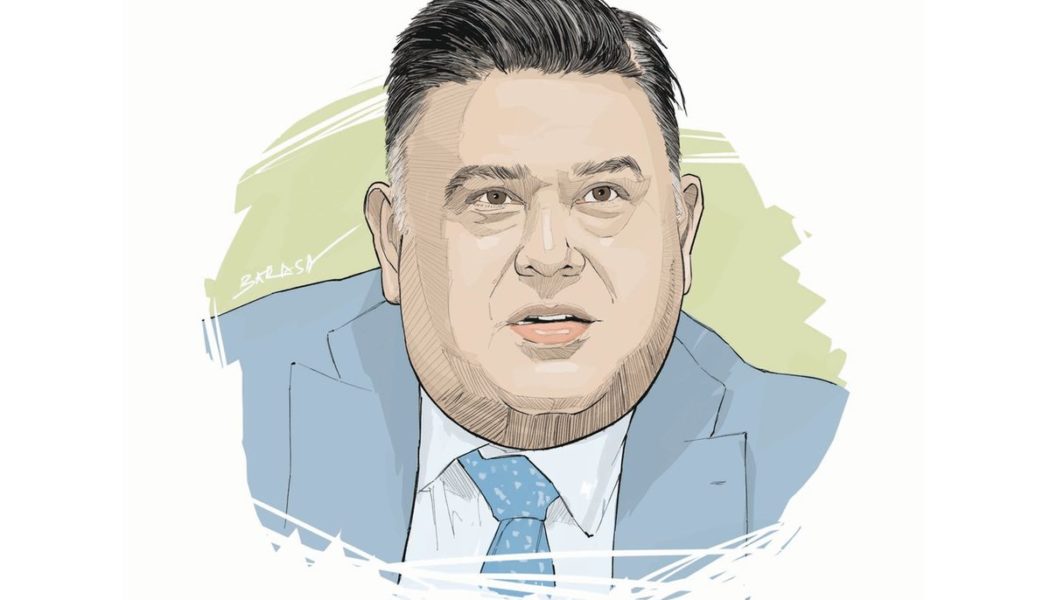
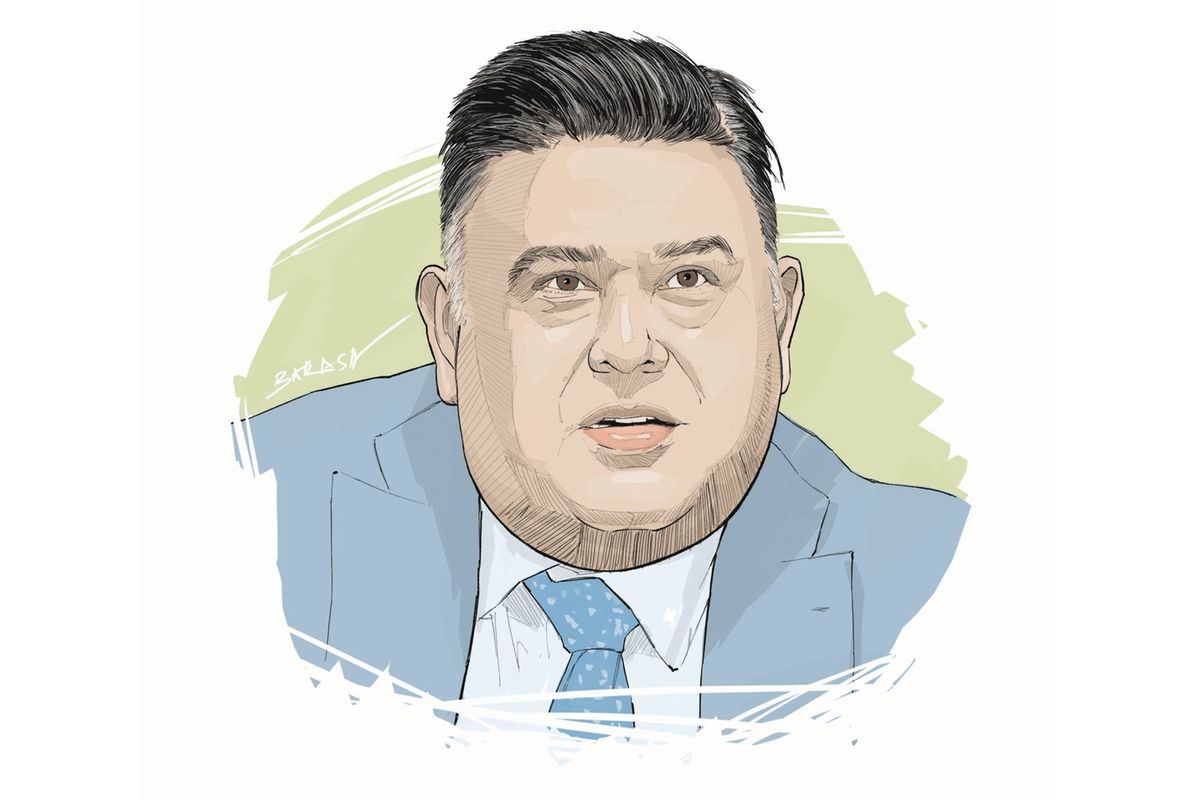
Standard Chartered Bank Kenya tapped an insider to steer the firm back to profit growth amid lower lending margins that triggered a 26.3 percent earnings fall in quarter one.
The new CEO, Birju Sanghrajka, sat down with the Business Daily to discuss his rise to the top, where the bank will seek profits and the tier 1 lender’s stay in Kenya.
How are you fitting into the new role?
It’s been interesting in the sense that I come from a corporate investment banking background where I have been for the last 27 years. It has been fascinating just dipping my toes into other parts of the bank, and understanding how material we are to our clients.
Having been with Standard Chartered throughout most of your career and rising through the ranks, does this make the CEO job easier from a point of view of knowing the organisation?
As an insider, the benefit is that you understand how this organization works and its culture. I’ve come up through the ranks from when I joined, in a relatively junior role, to now being the CEO. What makes Standard Chartered quite a special bank is our network. So, for over the 27 years, I have built networks within the bank, and I know the clients and products well. This makes my work easier coming into the role.
I think the challenge one gets is that the pace of change is so fast for all our businesses and clients, which calls for internal change.
Whereas we used to have five, seven, 10 years between major changes, we are now seeing change every six to 12 months
Was being CEO something you dreamt of in your junior days?
I don’t think there is any junior banker or anybody junior in any organization who doesn’t think or aspire to become senior or the CEO of the organisation. This is human nature. The beauty of Standard Chartered is that we; one, promote internally. We give internal talent a lot more chances to grow. Some learn, some fail, but we learn from our mistakes and we help people improve.
Two, the network is incredible because I’ve had the privilege of not just working in Kenya. I’ve worked in London, Dubai and South Africa. It’s allowed me to go around the network and see different cultures and clients. That helps.
I have also worked with young people pretty much all my career and I still have a soft spot for graduate entrants. Watching them grow and helping is something I really enjoy.
Will wealth management and investment banking remain the core for StanChart?
I think at a headline level, wealth and investment banking will continue and these are areas where we continue to grow. On the corporate investment banking side, we are the biggest banker to the banks in Kenya because banks need bankers, and as such, we continue to play a massive role in supporting the development of financial institutions.
I see new opportunities around infrastructure, energy, digital assets and I know we can play a massive role in them.
With that, is it safe to say the bank remains committed to Kenya for years to come?
Without a doubt, Kenya is material. After our latest round of announcements, our two big wealth hubs for Africa remain Nigeria and Kenya.
We continue to double down on investment in products and people in these markets. We’ve been here for over 100 years, and we continue to be committed to this market. Within that, our strategy will, however, change, especially in how we deliver products and services. Whether it’s more digital, fewer branches, that will continue to evolve.
StanChart has bucked the trend by keeping a lean physical operation, contrasting to peers who have driven a resurgence in the brick-and-mortar model. What explains the divergence?
We are data-led and have looked at what the data is telling us in terms of what our clients want. 96 percent of our transactions today happen on the app, or digital. There’s less footfall in our branches.
What our clients want, particularly when you look at wealth and corporate investment banking, is that they are looking at advisory a lot more
Do we remain committed to branches where we need them? Yes. Where we don’t, we will continue to look at the data and make decisions based on that.
The bank profits fell in the first quarter of 2026 due to interest rate reversal. How is StanChart defending its margins going forward?
I think operating in a low-interest rate environment will become the norm in Kenya. That’s the only way the economy can grow. There are opportunities for us to play a bigger role in areas that are fee-generating, whether it’s advisory on the mergers and acquisitions (M&A) side or wealth management. The beauty is that when you have fees as a major income line, it removes the volatility of interest rates.
Will Stanchart remain a lead NSE counter from a dividend payout ratio perspective?
I can’t give forward guidance on this one, but StanChart is a dividend stock. We know what our investors want from us and where we need to invest in the business.
I think that’s our foundation, and that won’t change. However, I’d like a far sharper execution of our strategy to accelerate the pace of our growth.
We need to start growing this business again, and it’s key that all over 900 of our staff are pulling in the right direction, which is my big focus right now.