
The Macau of today has only just begun, and it’s also ending soon. Twenty-seven years ago, the Portuguese handed the territory back to China, ending 442 years of administration and closing the door on the last European colony in Asia. The handover came with a guaranteed fifty-year grace period under the “One Country, Two Systems” policy, allowing Macau to keep its own legal framework, economy, and culture until 2049. The end game? To integrate one of the most densely populous, rapidly developing cities in the world into an eleven-city economic megalopolis: the Guangdong–Hong Kong–Macao Greater Bay Area.
Macau’s unique history and its position along the Maritime Silk Road created what UNESCO recognized as the world’s first “fusion” cuisine——an often mocked concept in food these days, until you see it living in Macau in a anarchic, organic blend of Portuguese, Chinese, Goan, Malay, and Japanese influence. All these elements coexist within an architectural landscape shaped by centuries of settlement. Streets are paved with cobblestones once used as ballast in Portuguese ships, while Taoist temples sit right on the edges of Mediterranean-style plazas.
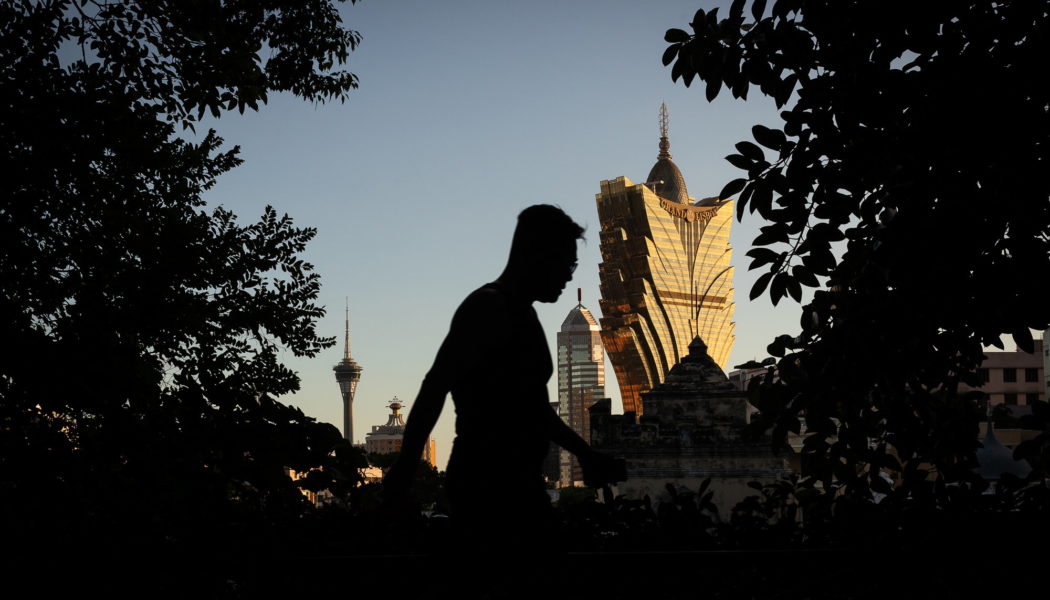
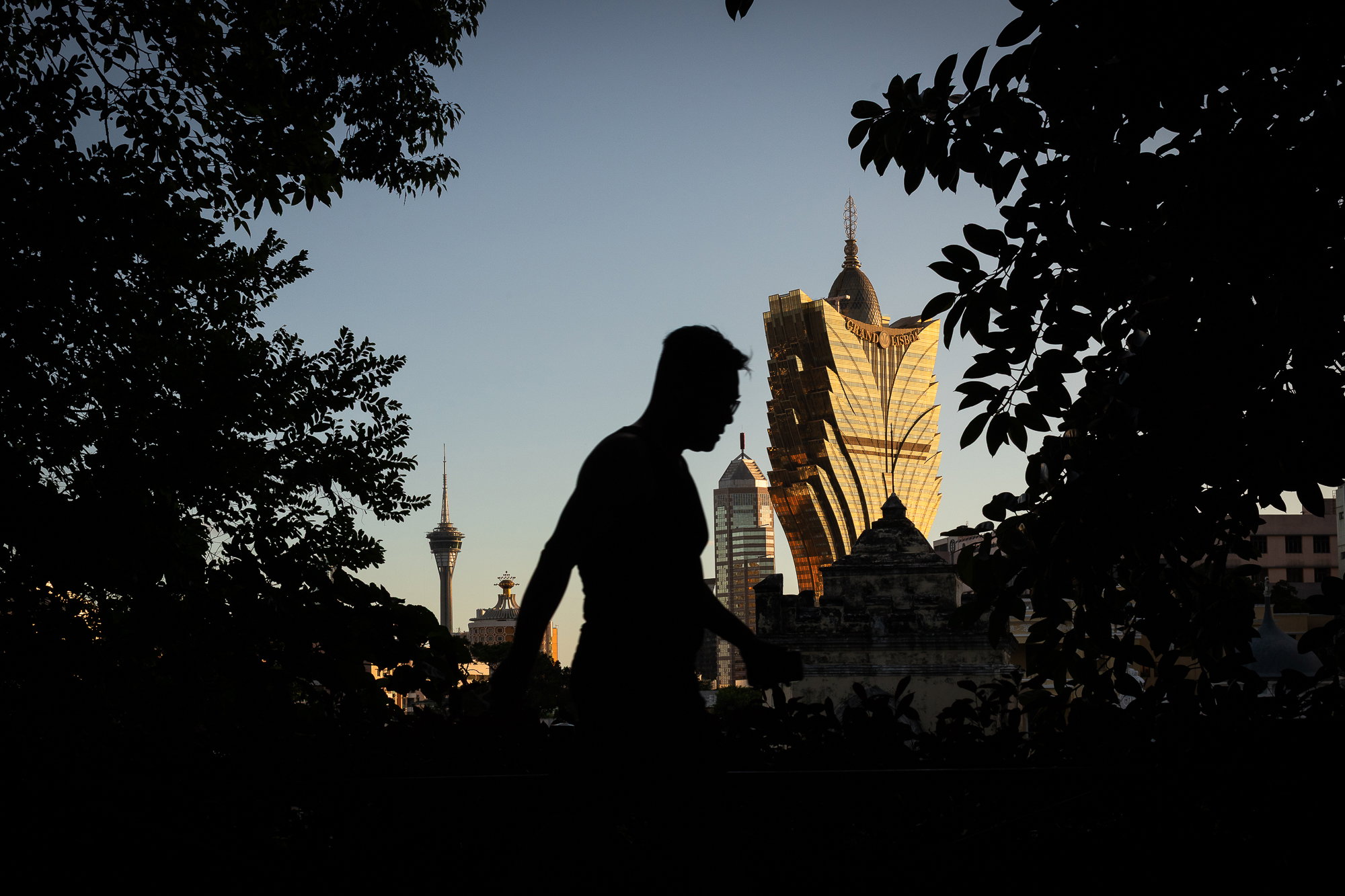
Then there’s the industry that put Macau on the map for most outsiders. It’s the only place in China where casino gambling is legal, and it doesn’t do things by half: Macau overtook the Las Vegas Strip in gambling revenue back in 2007 and has never looked back, with a casino economy now several times larger than that of Las Vegas.