
Japanese automakers imported a record 72,330 offshore-built vehicles into Japan in early 2026, up 38 percent.
Suzuki led the surge with 34,288 units, topping Japan’s import market ahead of Mercedes-Benz.
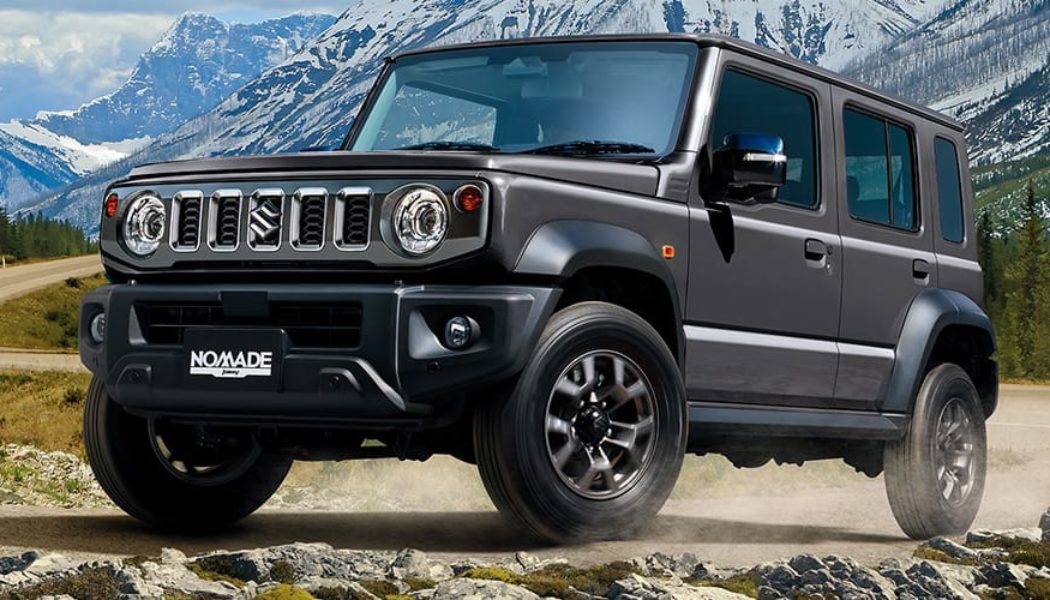
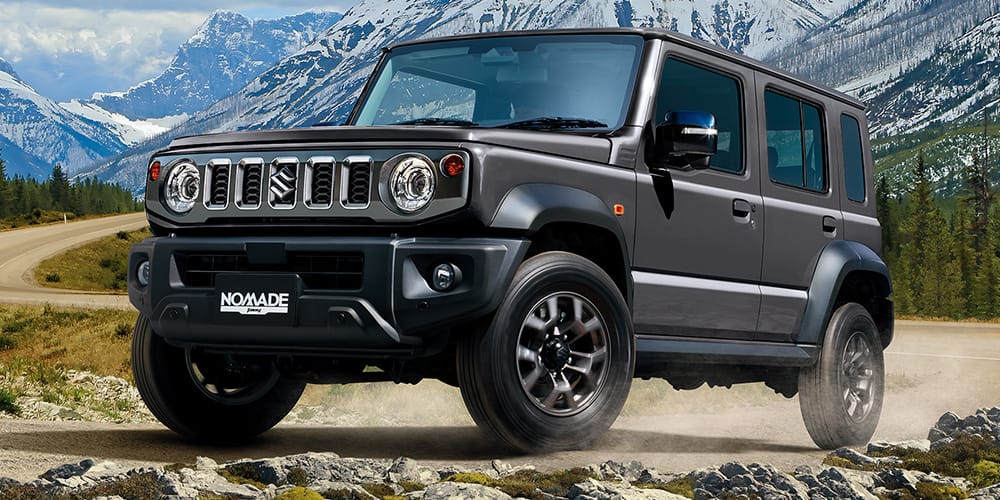
The Indian-built Suzuki Jimny Nomade drove the boom, sparking over 50,000 reservations before pre-orders paused.
Japan imported a record 72,330 Japanese-branded vehicles back into the domestic market during the first half of 2026. This figure marks a 38% increase from the previous year. Automakers are increasingly leveraging manufacturing hubs in India and Thailand to capitalize on significantly lower production costs. Suzuki dominated this shift by importing 34,288 units to become the top imported brand in Japan. The performance allowed the company to officially dethrone European luxury marques like Mercedes-Benz for the leading spot in import volume.
The record surge in reverse imports for Suzuki was largely driven by the massive appeal of the Suzuki Jimny Nomade. Built exclusively at an Indian manufacturing facility, the five-door variant of the compact off-roader has resonated deeply with Japanese families seeking added practicality. Official announcements indicate the vehicle features a 1.5-liter engine and expanded cargo capacity compared to the standard three-door model. Consumer interest proved so intense that the automaker temporarily halted domestic pre-orders after surpassing 50,000 reservations. Suzuki executives noted that Indian manufacturing technology now closely rivals domestic production standards.
Stark economic incentives underline this broader industry transition. Data reveals that production line workers in India earn roughly $388 USD per month compared to the $1,900 USD average monthly wage of their counterparts in Japan. Toyota followed the financial logic by reporting 15,977 vehicle imports during the same six-month window. Strong demand for the Thai-built Toyota Hilux and the newly introduced Land Cruiser FJ drove much of that surge.
Not all domestic brands experienced similar success with their overseas-sourced vehicles. Honda reported a 32% decline in imports of its Indian-made WR-V crossover. The recently launched Thailand-built CR-V Hybrid failed to offset that downward trajectory for the brand. Mazda also saw its imported volume drop by 20 percent to just 3,309 units. The diverging results highlight how product positioning dictates the success of offshore manufacturing strategies. While practical models thrive on the cost advantages of emerging markets, other nameplates struggle to gain traction among Japanese consumers.