
Africa Finance Corporation (AFC) is pushing for countries in Africa to move away from country-specific projects to cross-border developments if they are to realise their full economic potential.
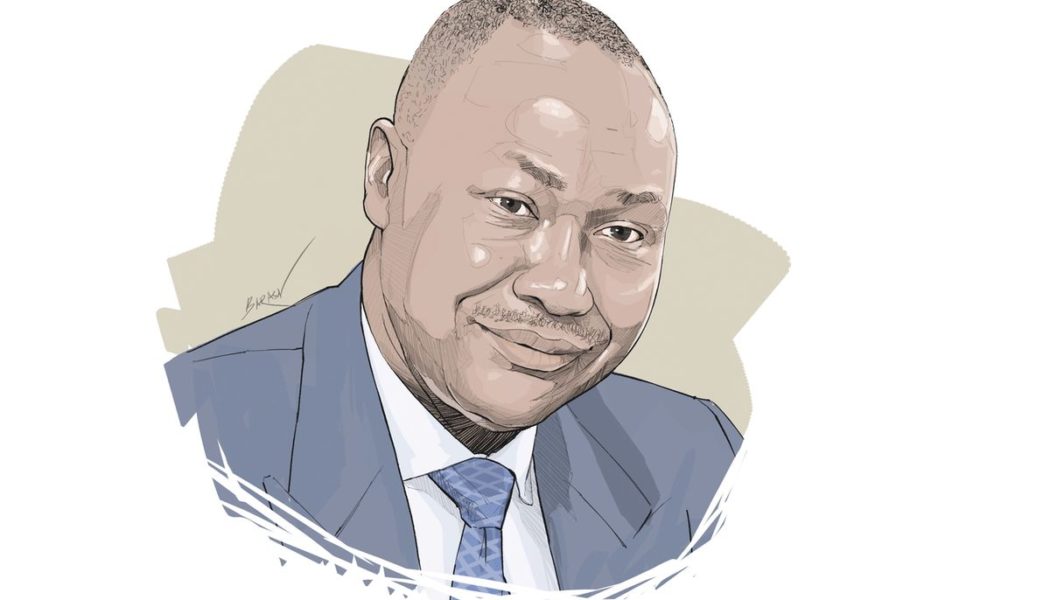
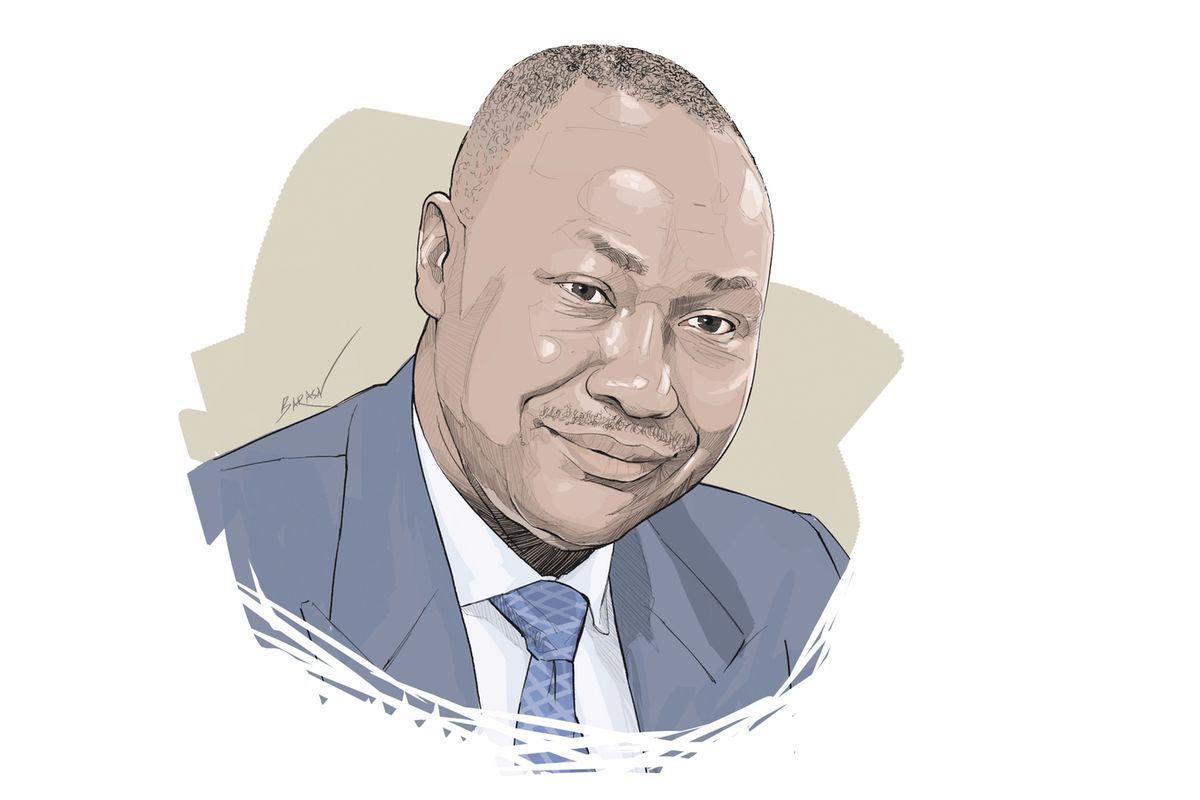
AFC president and CEO Samaila Zubairu spoke to the Business Daily on the biggest opportunities that can unlock economic integration in economic blocs such as the East African Community and how to address challenges such as funding constraints.
Like many African countries, Kenya faces rising debt constraints. How is AFC repositioning itself to finance large-scale infrastructure for such nations without worsening their sovereign debt risks?
We have to move beyond the assumption that infrastructure finance must sit primarily on sovereign balance sheets. That model is too narrow, and in many cases too expensive.
AFC’s approach is to structure projects so that risk is shared across project cashflows, private capital, development finance institutions and, increasingly, domestic institutional capital. The objective is to mobilise capital without compounding sovereign debt vulnerabilities.
At InfraCredit in Nigeria, alongside our partners, we have created what effectively is a trust platform enabling the channelling of institutional capital into the real economy. This is a key intermediation role which we facilitate via the provision of credit enhancement products and guarantees.
A clear example of how AFC is putting this into practice in Kenya is our recent investment in the Dhamana Guarantee Company, which aims to replicate the InfraCredit model.
At a high level, this means we can now catalyse the development of bankable projects, using guarantees and credit enhancement where appropriate, and helping African governments create frameworks that attract long-term investment into infrastructure as an asset class.
Kenya is well positioned because it combines strong infrastructure opportunity, with deep domestic savings and a sophisticated financial sector.
Can you outline specific projects you are currently eyeing in Kenya, and how large your current war chest is for the market?
Kenya is a strategic priority for AFC, which is why we have established our first regional office in Nairobi and announced at The Africa We Build Summit a target to deploy and mobilise over $1 billion (Sh129.5 billion) across the EAC in the next three to five years. That includes opportunities linked to logistics, industrial and financing platforms aligned with Kenya’s broader development priorities.
Beyond the direct investment, we are focused on building platforms that can mobilise larger pools of capital into Kenya over time, including domestic institutional investors.
Africa’s regional blocs like the EAC will deliver their full economic potential through cross-border infrastructure and shared value chains. Where does AFC see the biggest opportunities to unlock this integration, particularly in East Africa?
East Africa’s economic potential is impeded by fragmentation, even though the region has Africa’s highest levels of intra-regional trade. Grids, industries and value chains could benefit from better economies of scale if these were unlocked at a regional level. The path is to stop building standalone national assets and build along a shared infrastructure model.
At AFC, we see three key areas where a shift along these lines would have the greatest impact.
The first is power. Cross-border trade within the East Africa Power Pool reached roughly 2.95 TWh in 2025 — a milestone, but well below what regional industrialisation requires. The region is suited to benefit from regional power trading given that it has Africa’s most diverse endowment of clean energy resources.
The second is shared value chains in refining and processing. During the recent Summit, Dangote Industries committed to a 650 kbpd refinery in Tanga, Tanzania. Finally, transport. The Northern Corridor holds another structural opportunity – the under-construction SGR link between Naivasha, Malaba and Kampala.
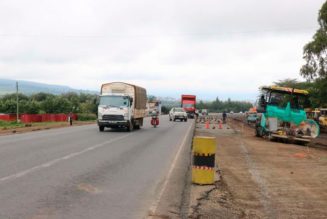
Until it is operational, long-haul inland trade still leans on trucking and deteriorated metre-gauge rail. Completing the link would cut transport costs and transit times on the corridor’s highest-traffic stretch.
There is an argument that Africa is not capital-poor but capital-trapped, with over $4 trillion in domestic pools. What concrete steps is AFC taking to unlock pension and insurance funds for infrastructure at scale?
I believe that is fundamentally correct. Africa does not lack capital. The challenge is that too much of it is not yet intermediated into long-term productive assets. Domestic mobilisation has so far largely supported short-term instruments like domestic bills with maturity below one-year, high nominal yields for governments and low real returns for investors.
Our focus is to create investable platforms and instruments that meet the requirements of pension funds and insurers — whether through credit enhancement, local-currency structures, pooled investment vehicles or partnerships that allow institutional capital to participate without absorbing early-stage project risk.
This is central to the thesis we advanced at the recent summit: that African capital must play a leading role in financing Africa’s infrastructure. Vehicles such as Dhamana are important because they help create the kind of credit enhancement architecture needed to mobilise domestic institutional capital at scale.
To what extent is insurance, particularly political risk and credit guarantees, the missing link in unlocking private capital for Africa’s infrastructure projects?
They are not the only answer, but they are a critical part of the solution. Many investors are not unwilling to invest in African infrastructure; they are constrained by risk frameworks.
Instruments such as political risk insurance, guarantees and credit enhancement help bridge that gap by improving credit quality and making projects investable.
High cost of capital remains a major barrier. How is AFC using instruments like guarantees, structured finance and innovative ratings to de-risk projects and make them investable?
Our model has long been to develop, de-risk and distribute. That means bringing projects to bankability through structuring, guarantees, blended finance, local-currency solutions and strong risk management, and then crowding in wider pools of capital. Our credit strength and ratings also matter, because they support access to capital on competitive terms and help lower financing costs that can be passed through into projects.
With volatile African currencies and risk of delayed payments, how is AFC mitigating forex risk for long-term infrastructure investments in countries like Kenya?
Foreign-exchange risk remains one of the defining issues in infrastructure finance. We address this through careful structuring, local-currency financing where possible, hedging, sustainable revenue design, guarantees and strong counterparties.
But over the long term, the deeper answer is to finance more African infrastructure with African capital, in instruments and currencies that better match project revenues. That is not just a risk-management objective. It is part of building stronger financial foundations for growth.